


If you are buying AA lithium batteries in bulk, confirm that your devices permit 1.5V non-rechargeable lithium AA batteries and count the complete sets you expect to install. A 96-cell bulk pack is sensible when you can name a use for most or all 96 cells during your planned coverage period. If your target is closer to 72 cells, compare a smaller value pack before ordering extra stock just to reach a bulk price. Check the current checkout total for each option.
This guide is for households with several compatible AA-powered devices, outdoor users maintaining multiple trail cameras, and small teams managing their own equipment. It addresses primary, single-use lithium AA batteries. Rechargeable lithium-ion AA cells and NiMH AAs are different products with different charging and voltage requirements.
First, Confirm the Battery Type
“AA” describes a physical size. It does not prove that a battery has the chemistry or voltage your device requires. Before ordering a bulk pack, check the current manual or battery-compartment label for every intended device. Record the required size, voltage, chemistry, number of cells, and any battery-type setting.
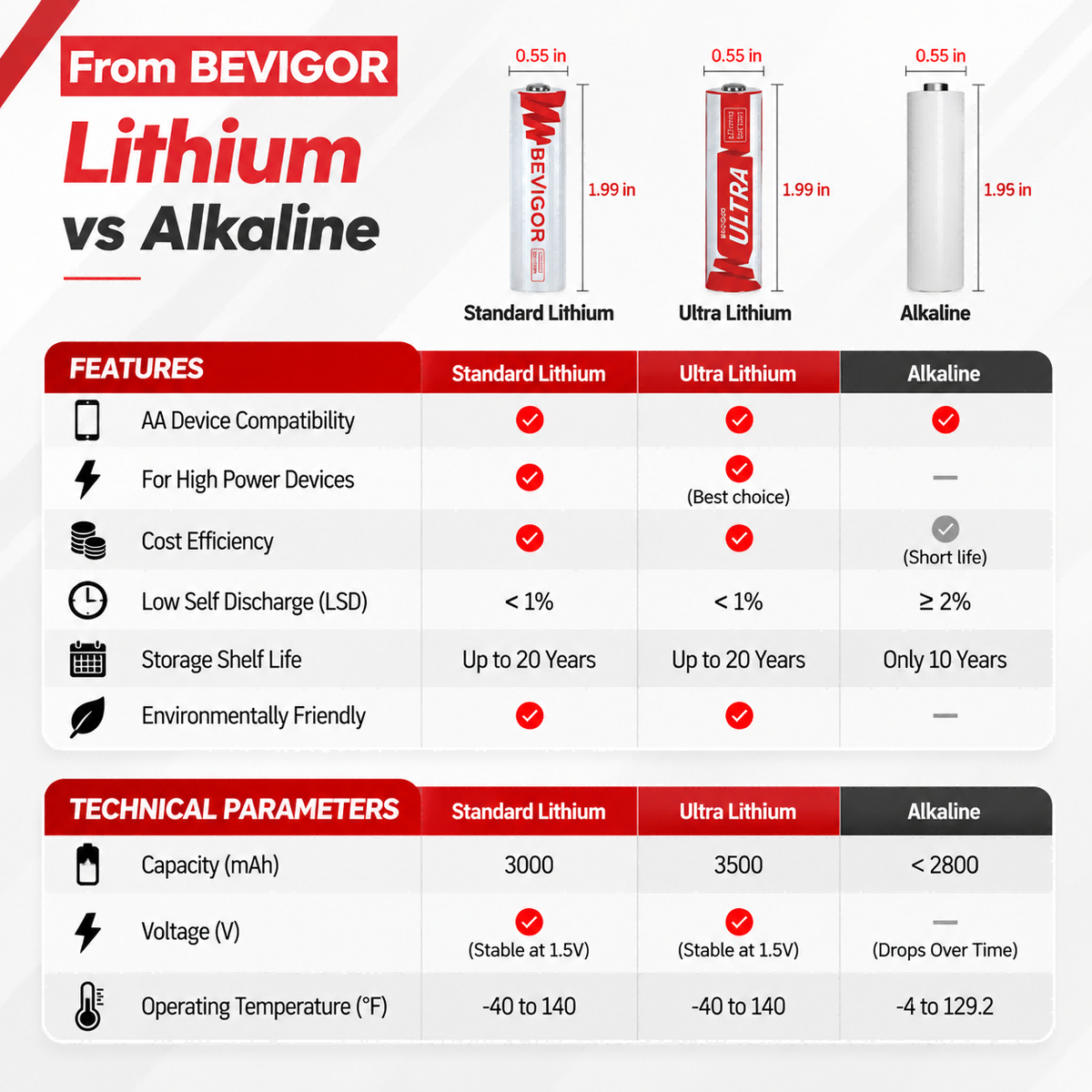
Primary lithium AA batteries are labeled non-rechargeable. Many are lithium iron disulfide (Li/FeS₂) cells with a nominal 1.5V rating. For example, Energizer's L91 technical data sheet identifies its L91 as a 1.5V primary lithium iron disulfide AA cell. That document describes Energizer's product; it does not certify a different brand or establish compatibility with every AA device.
Check the exact device maker's instructions before substituting lithium AA for alkaline AA. If a camera, lock, flashlight, toy, or other device specifies only one chemistry—or warns against another—follow that requirement. A battery that fits and briefly powers a device is not enough to establish compatibility. If the instructions are unclear, ask the device maker.
Never place a battery marked primary or non-rechargeable in a charger. Energizer's battery-care guidance warns that attempting to recharge a primary cell can cause leakage or rupture.
Build a List of Compatible Devices
A bulk purchase makes sense only when you know where the batteries will go. Sort devices into two groups: those whose current instructions permit 1.5V non-rechargeable lithium AA, and those that need another type or still require verification. Count only the first group when sizing a lithium AA order.
| Device group | What to record | Why it matters |
|---|---|---|
| Trail cameras | Exact model, AA count, approved chemistry, number of field replacements | A six-cell camera and a 12-cell camera need different complete sets. |
| Flashlights and emergency gear | Required cells, chemistry, readiness checks | Reserve stock should match equipment you actually keep. |
| Smart-home devices | Model, cell count, manufacturer battery instructions | Similar-looking models can have different requirements. |
| Toys and everyday electronics | Battery label, use frequency, planned replacements | Occasional use may not justify a large lithium pack. |
Do not assume every security camera needs AA batteries. Some use a proprietary pack or wired power. For a trail camera, the BEVIGOR deer-season battery checklist shows how to count complete sets across several cameras. If you are choosing an external supply instead, see the trail camera battery pack versus AA guide.
Size the Pack by Complete Replacement Sets
For each compatible device group, calculate:
Cells needed = devices × AA cells per device × planned complete-set changes
Add the groups, subtract fresh and compatible cells already in storage, and include a defined reserve for essential devices. Keep partially used batteries out of the fresh-stock count. Round the result up to an available pack size once, after you have checked whether the rounded quantity is still sensible.
Consider a household with four eight-AA trail cameras that each need an installed set and one planned replacement set. That is 4 × 8 × 2 = 64 cells. Add two two-AA emergency flashlights with one installed and one spare set each: 2 × 2 × 2 = 8 cells. A reserve of eight cells brings the total to 80. If the household already has eight fresh, compatible lithium AAs, its purchase target is 72 cells.
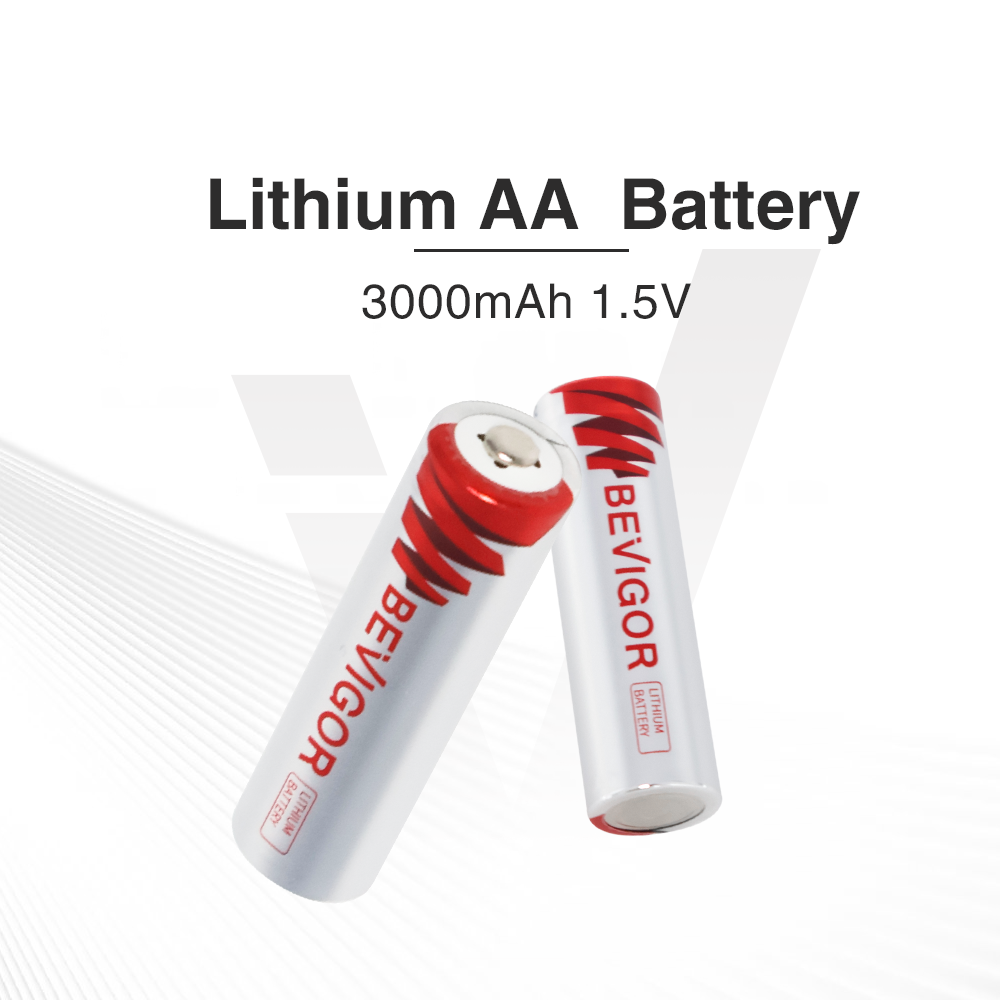
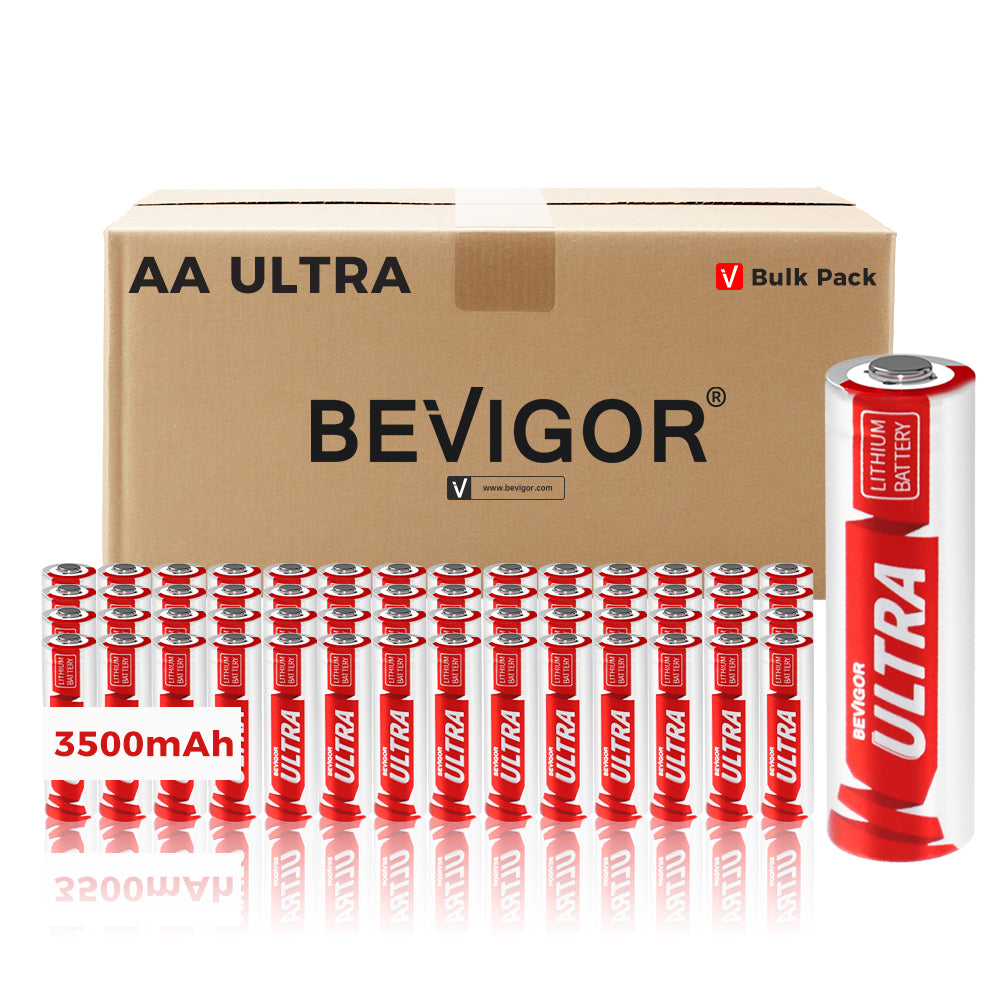
A 96-pack would leave 24 cells beyond that target. Those extra cells could be useful if the household expects more full-set changes during the selected coverage period. If it does not, BEVIGOR currently lists a 72-cell 3000mAh value-pack option that more closely matches the calculation. Its 3000mAh bulk-pack listing begins at 96 cells. Check both live pages before ordering because variants and availability can change.
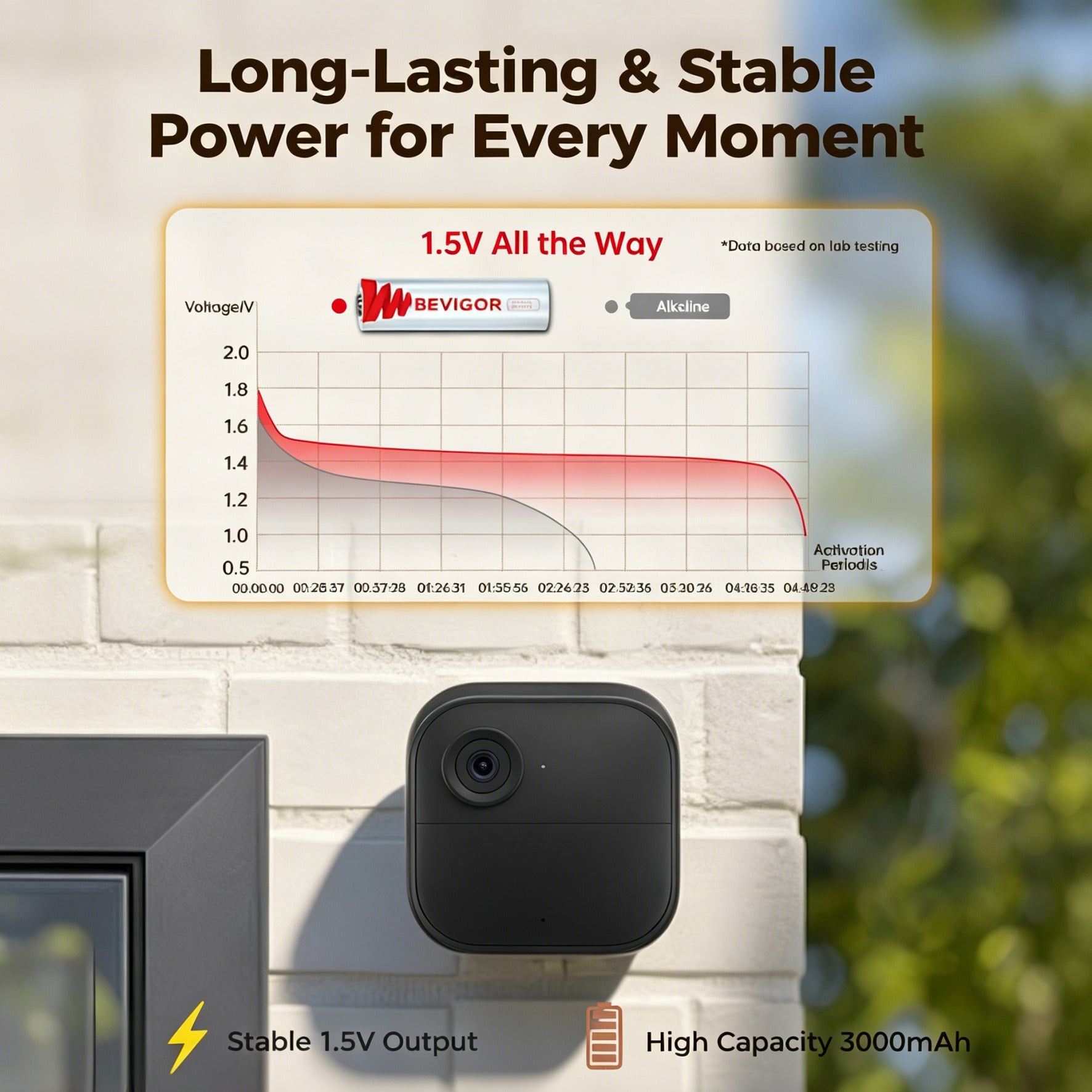
This example is a stock calculation, not a runtime prediction. Actual replacements depend on device design, settings, temperature, activity, battery age, and, for cellular cameras, signal and upload frequency. Use your own installation log to improve the next order.
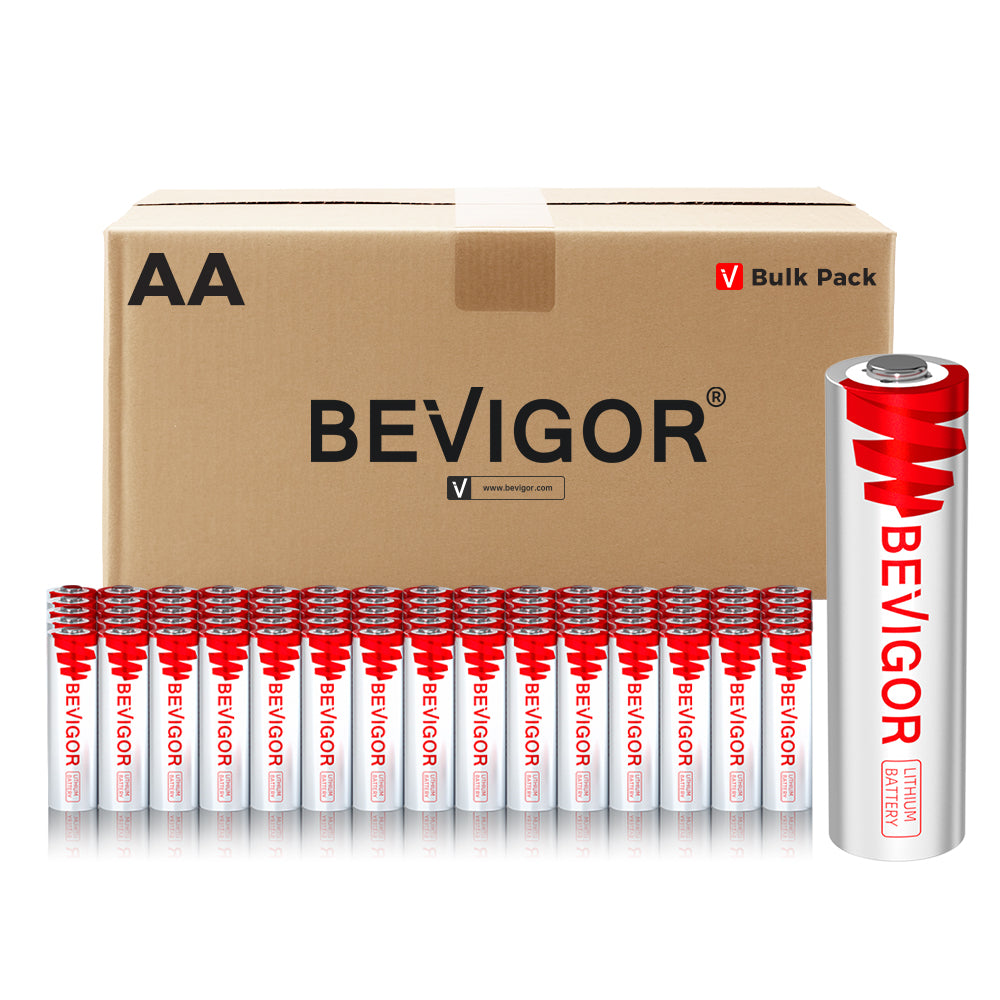
BEVIGOR currently lists its 3000mAh lithium AA bulk pack in several sizes beginning at 96 cells. Check the live product page for current variants, availability, printed battery dates, and checkout total. The listed nominal capacity is a product specification, not a guarantee of service life in a particular device.
Compare a Value Pack With a Bulk Pack
BEVIGOR currently lists a 72-cell option on its 3000mAh value-pack page and 96- and 120-cell options on its 3000mAh bulk-pack page. These are pack counts, not recommended purchase quantities for every household. Match them to a realistic lithium-AA-only plan:
| Fresh, compatible lithium AA purchase target | Option to compare first | What to check |
|---|---|---|
| Around 72 cells | 72-cell value pack | Whether 24 extra cells in a 96-pack have a named use. |
| Around 96 cells | 96-cell bulk pack | Whether you can use complete sets within your coverage period and store the remainder correctly. |
| Around 110 cells | 120-cell bulk pack | Whether 10 extra cells fit planned reserves or future complete sets. |
These examples assume the relevant products remain available and the cells meet each device's requirements. They do not predict battery runtime or promise a particular saving.
For each option, compare the actual checkout total, including applicable discounts, shipping, and tax. Divide that total by the number of cells you realistically expect to install. A lower displayed cost per packaged cell can still be a poorer fit if many cells have no planned use. Do not compare lithium and alkaline prices as if their performance were identical in every device.
The general AA bulk-buying guide explains the broader household inventory method. This guide applies that count to primary lithium AA only and the current value-pack-versus-bulk threshold.
Decide Which Devices Deserve the Reserve
Bulk stock does not need to be spread evenly across every AA device. Prioritize devices where a dead battery has a real consequence or a replacement visit is inconvenient. A remote trail camera, emergency flashlight, or essential smart-home device may merit a complete spare set when its manufacturer permits primary lithium AA. A seasonal decoration that is easy to reach may not.
For every reserved set, write down its destination and required cell count. Keep sets together. At a later inventory check, update the device list if you have replaced equipment or moved to rechargeable or built-in batteries.
This is a planning choice, not a claim that lithium AA will last a fixed number of months. A trail camera recording frequent nighttime video or sending files over a weak cellular connection can drain batteries faster than one taking occasional still photos in mild weather. The camera maker's instructions and your own field log should guide your maintenance schedule.
Store the Pack So It Stays Usable
Long labeled shelf life is useful only when batteries are stored as their manufacturer directs and remain in good condition. Keep new cells in original packaging or a suitable organizer that prevents loose terminals from touching conductive objects. Store them in a dry, protected place within the product's stated storage range. Keep them away from children and pets.
Retain any printed use-by date and lot information. Mark the purchase month, rotate older suitable stock forward, and separate new, used, damaged, rechargeable, alkaline, and lithium cells. Inspect inventory during routine household or field-equipment checks. Do not mix old and new cells or different chemistries in a multi-cell device; the same Energizer guidance advises against mixing ages or battery types.
Do not turn one manufacturer's temperature or shelf-life claim into a universal rule. Energizer's L91 sheet, for example, reports a specific storage range and shelf-life condition for its own cell. For BEVIGOR stock, follow the BEVIGOR label and current product documentation. Avoid storing loose cells with keys, tools, coins, or other metal items.
Plan for Used Batteries
The U.S. EPA's household battery guidance identifies lithium single-use batteries as a separate category and recommends keeping them out of household trash and municipal recycling bins. Use a suitable battery recycler, collection program, or household hazardous-waste option, and check local requirements. Keep used cells separate from fresh inventory and follow collection-site instructions for protecting terminals.
If a cell is leaking, swollen, damaged, or unusually hot, do not put it back into routine stock or improvise disposal. Follow the battery manufacturer's instructions and ask your local household hazardous-waste authority how to handle it.
A Practical Buying Checklist
Before checking out, confirm:
- Every planned device allows the exact AA chemistry and voltage.
- Your count uses complete replacement sets, not individual partly used cells.
- The pack covers measured or planned use plus a specific reserve.
- The extra cells from rounding to a pack size will realistically be used.
- Your cost comparison uses the actual checkout total and expected usable cells.
- You have suitable storage space and a rotation plan.
- You know where used primary lithium batteries will go.
If the smallest bulk pack is far larger than your usable demand, buy a smaller pack and record actual replacement frequency first. If a bulk pack fits the plan, compare BEVIGOR's current lithium AA bulk-pack options by pack size and current checkout total. Choose only after checking device compatibility.
Frequently Asked Questions
Are AA lithium batteries rechargeable?
The primary lithium AA batteries discussed here are not rechargeable. Rechargeable lithium-ion AA products are a different category. Check the exact label and use only the charging equipment specified for a battery marked rechargeable.
Can I replace alkaline AA batteries with lithium AA in every device?
No. AA size alone does not prove compatibility. Follow the current instructions for the exact device's chemistry and voltage requirements. Ask the device maker if the documentation is unclear.
How many lithium AA batteries should I buy in bulk?
Count complete replacement sets for compatible devices during a chosen coverage period. Add a defined reserve, subtract fresh compatible stock, then choose the smallest available pack that covers the result without creating unwanted inventory.
Is the lowest cost per battery the best deal?
Only when you can use the cells. Compare total checkout cost per cell you realistically expect to install, rather than dividing only by the printed pack quantity.
How should I dispose of used primary lithium AA batteries?
Follow the EPA's recommendation to use an appropriate battery collection or household hazardous-waste option instead of household trash or municipal recycling bins, and check local rules and collection-site handling instructions.






Share:
Trail Camera Solar Panel With Battery: Is It Reliable for Hunting Season?