

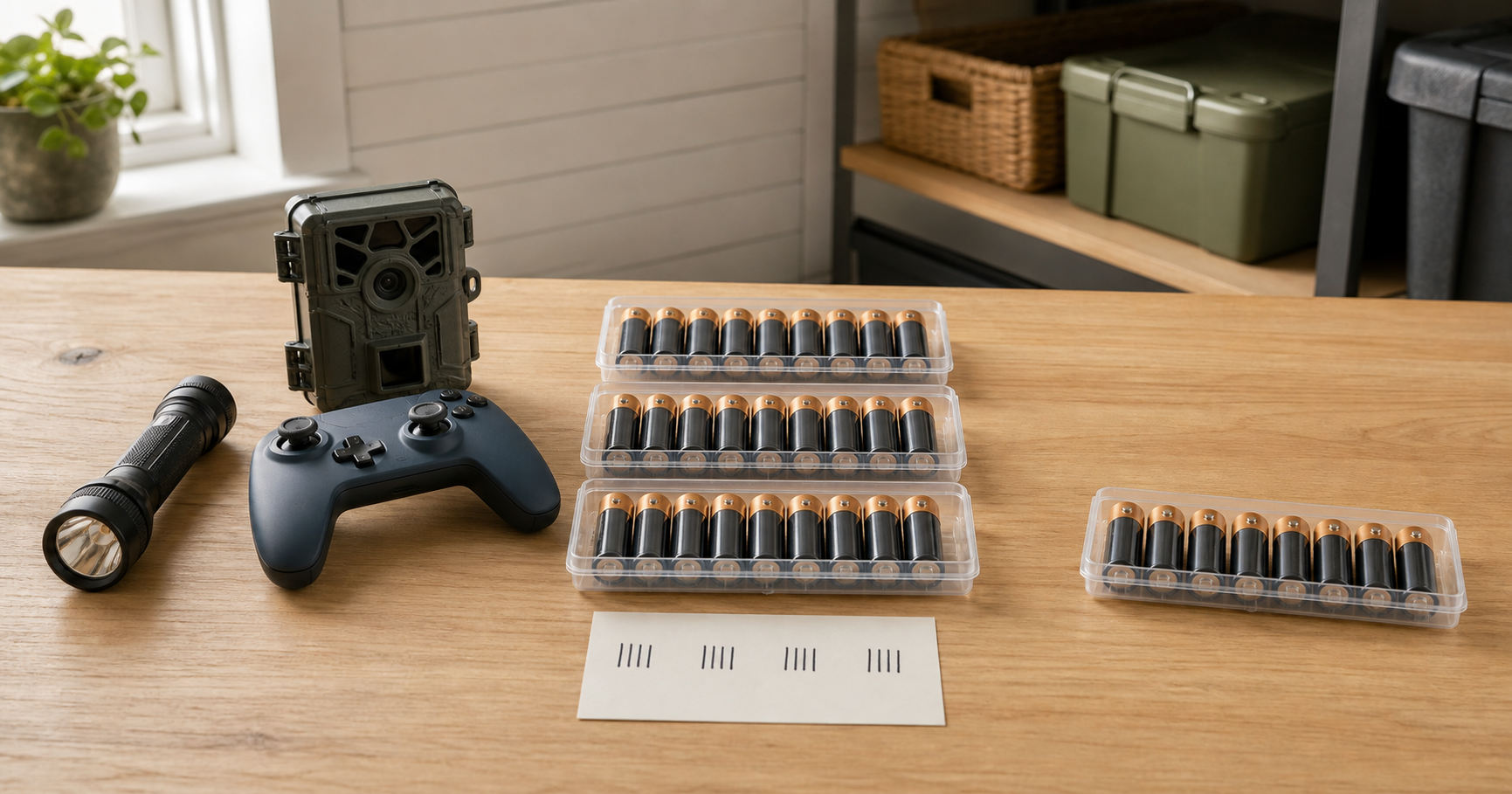
To buy AA batteries in bulk without overbuying, start with the devices you actually own, count the cells each one uses, and record how often you replace a complete set. Choose a practical coverage period, add a modest emergency reserve, and round up once to the nearest available pack size. Do not start with the largest discount.
The lowest price per battery is only useful when the cells match your devices and can be used safely within their labeled storage life. A large box that sits untouched, gets mixed with older stock, or contains the wrong chemistry is not a bargain.
Use This Simple Bulk-Buying Formula
For each device group, estimate:
Cells needed = number of devices × cells per device × expected full-set changes during the coverage period
Then add the groups together and include a small reserve:
Purchase target = expected use + emergency reserve − usable AA batteries already in stock
Finally, round up to the smallest available pack that covers the target. Keep the inputs in a household battery log so the next purchase uses observed data rather than another estimate.
Example: a multi-device household
Suppose a home has:
- Four flashlights using two AA batteries each, with one expected full-set change during the selected period: 8 cells
- Three game controllers using two AAs each, with two expected changes: 12 cells
- Two trail cameras using eight AAs each, with two expected changes: 32 cells
- An emergency reserve of 12 cells
- Eight fresh, compatible AAs already in storage
The purchase target is 8 + 12 + 32 + 12 − 8 = 56 AA batteries.
That does not predict how long any device will run. It simply turns the household’s chosen replacement assumptions into a quantity. If the observed change rate differs, update the log before the next order.
Step 1: Inventory Every AA-Powered Device
Walk through the house, garage, vehicle kit, outdoor gear, and security setup. Record four details for every device:
| Device | AA cells per set | Allowed chemistry | Replacement trigger |
|---|---|---|---|
| Flashlight | From the battery compartment or manual | Alkaline, lithium, or rechargeable as documented | Dim output or planned readiness check |
| Game controller | From device documentation | Manufacturer-permitted type | Low-battery indication |
| Trail camera | Exact model requirement | Chemistry, voltage, and cell count from manual | Field log or camera status |
| Toy or seasonal decoration | Compartment label or manual | Manufacturer-permitted type | End of use or weak operation |
Include batteries already installed, but do not count partially used cells as fresh reserve stock. For equipment that takes a matched set, plan replacements by complete set rather than individual cell.
AA battery chemistry categories can differ substantially in voltage behavior, rechargeability, and device suitability. The device documentation remains the source of truth for compatibility.
Step 2: Measure Replacement Frequency
Past use is a better input than a generic runtime claim. For 60 to 90 days, note:
- Date a fresh set was installed
- Device and location
- Battery chemistry and brand
- Number of cells used
- Reason for replacement
- Whether the removed set was actually depleted, damaged, or changed preventively
Seasonal and outdoor devices need special treatment. A trail camera may use more power during high activity, frequent nighttime events, video capture, or cellular uploads. A holiday decoration may consume nothing for most of the year and then use several sets in one month.
If there is no history, buy a smaller pack first and measure. Moving directly from no data to a year’s supply creates the greatest overbuying risk.
Step 3: Pick a Coverage Window
The coverage window is how long the new stock should last before the next planned order. A three- or six-month window is easier to estimate for a new household inventory than several years of demand. Extend it only after your log becomes reliable.
Choose a shorter window when:
- Device use is changing
- You are testing a new chemistry
- Several devices may be replaced soon
- Storage space is limited
- The available pack is much larger than current demand
A longer window may make sense when usage is stable, the batteries’ labeled use-by date comfortably covers the plan, storage is appropriate, and running out would disrupt important equipment.
Step 4: Add a Reserve Without Doubling the Order
An emergency reserve should cover a realistic disruption, not every imaginable device failure at once. Define it in matched sets.
For example, a household might reserve:
- One fresh set for each essential flashlight
- One fresh set for a weather radio or other compatible emergency device
- One complete spare set for a remote trail camera or security device
Keep reserve cells separate from routine stock and review them on a calendar. If every purchase automatically receives a large percentage buffer, the buffer compounds and becomes overstock.
Step 5: Match Chemistry Before Comparing Price
AA identifies size, not one universal battery. Alkaline, primary lithium, NiMH rechargeable, and regulated rechargeable lithium AA cells have different voltage labels, discharge behavior, charging requirements, and device compatibility. Before comparing pack prices, review our complete guide to AA battery types and compatibility.
Ask these questions for each device:
- Does the manual permit the chemistry?
- Does the nominal voltage match?
- Is the battery rechargeable or non-rechargeable as required?
- Does the device need all cells replaced as one matched set?
- Will the storage and operating conditions stay within the battery’s instructions?
Do not buy one chemistry for the entire household unless every intended device permits it. A mixed-device inventory may need two smaller, clearly separated battery categories instead of one oversized pack.
Step 6: Compare the Cost per Usable Cell
Calculate unit cost from the actual checkout total:
Cost per cell = (product price after applicable discounts + shipping + tax) ÷ number of cells
Then ask whether you expect to use all the cells. A 120-count box at a lower unit price may cost more per usable cell than a smaller pack if only 70 are needed before the labeled date or before devices change.
Also compare:
- Whether the pack is factory sealed or organized into smaller groups
- The labeled date and lot information
- Return terms for unopened goods
- Shipping and delivery timing
- Whether the seller provides clear chemistry, voltage, and rechargeability information
Promotional prices and pack variants change, so verify them on the live product page rather than relying on an evergreen article.
How to Choose the Right Pack Size
Use three numbers:
- Minimum: measured demand during the coverage window.
- Target: minimum plus the defined reserve, minus current usable stock.
- Maximum sensible quantity: the number you can reasonably use before the earliest labeled date while maintaining proper storage and device compatibility.
Select the smallest available pack at or above the target, provided it remains below the maximum sensible quantity. If the smallest bulk pack greatly exceeds that maximum, bulk buying does not fit the current household demand.
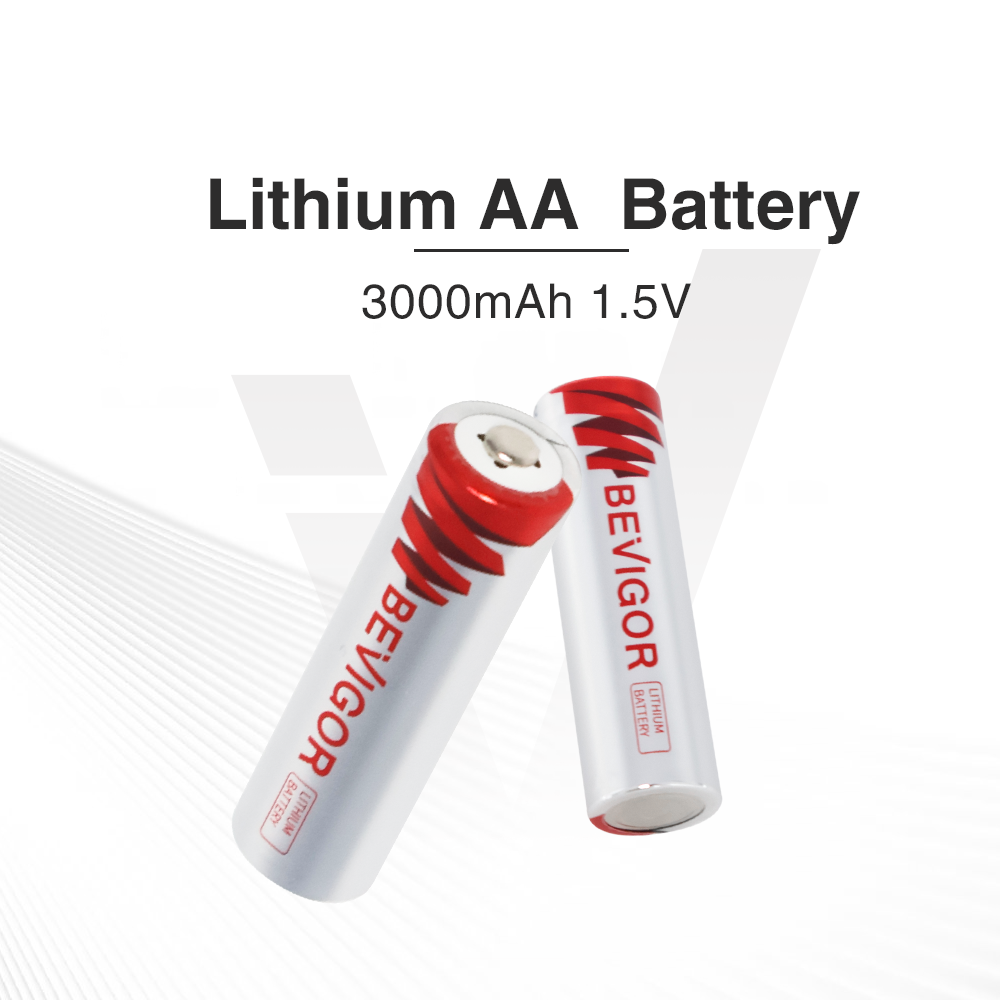
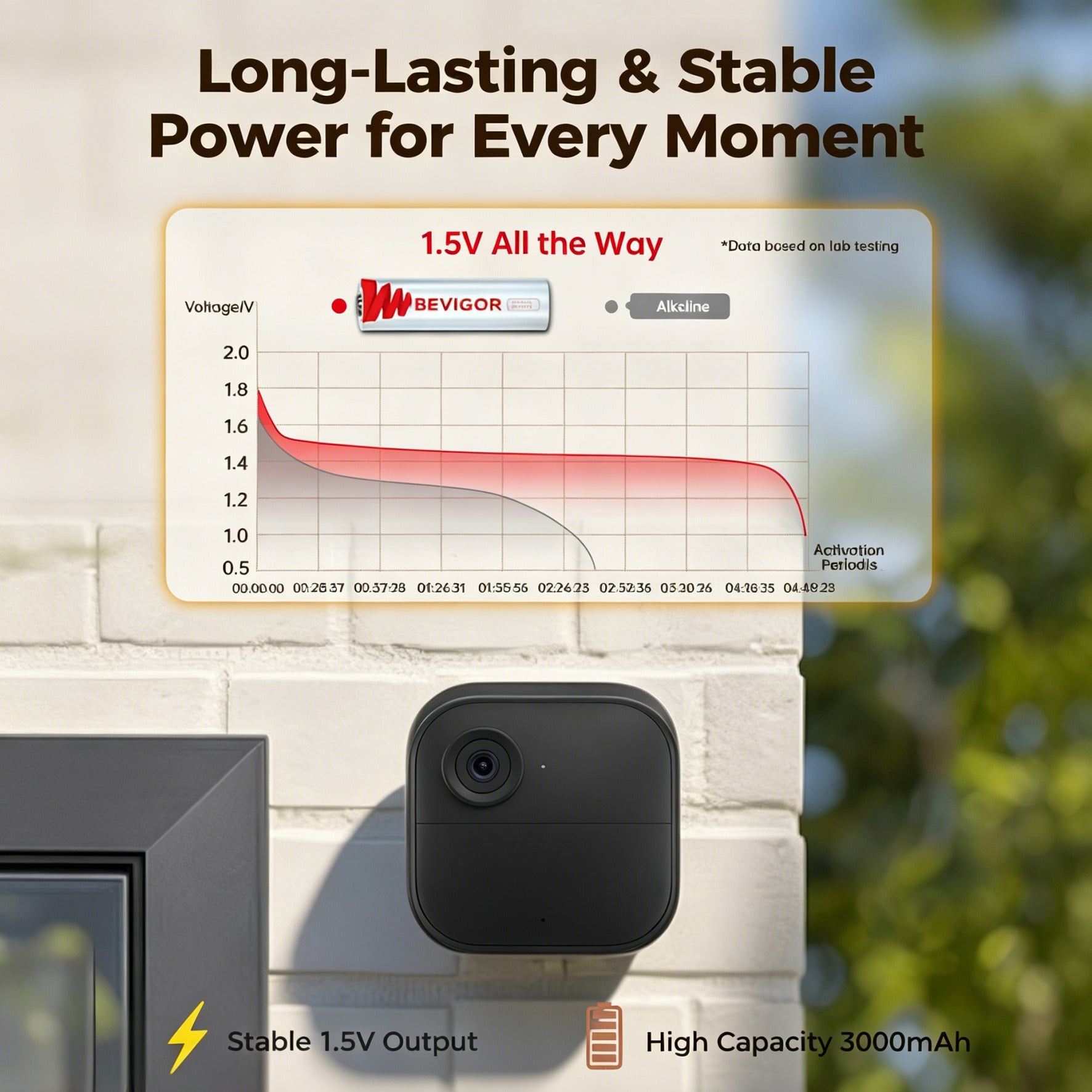
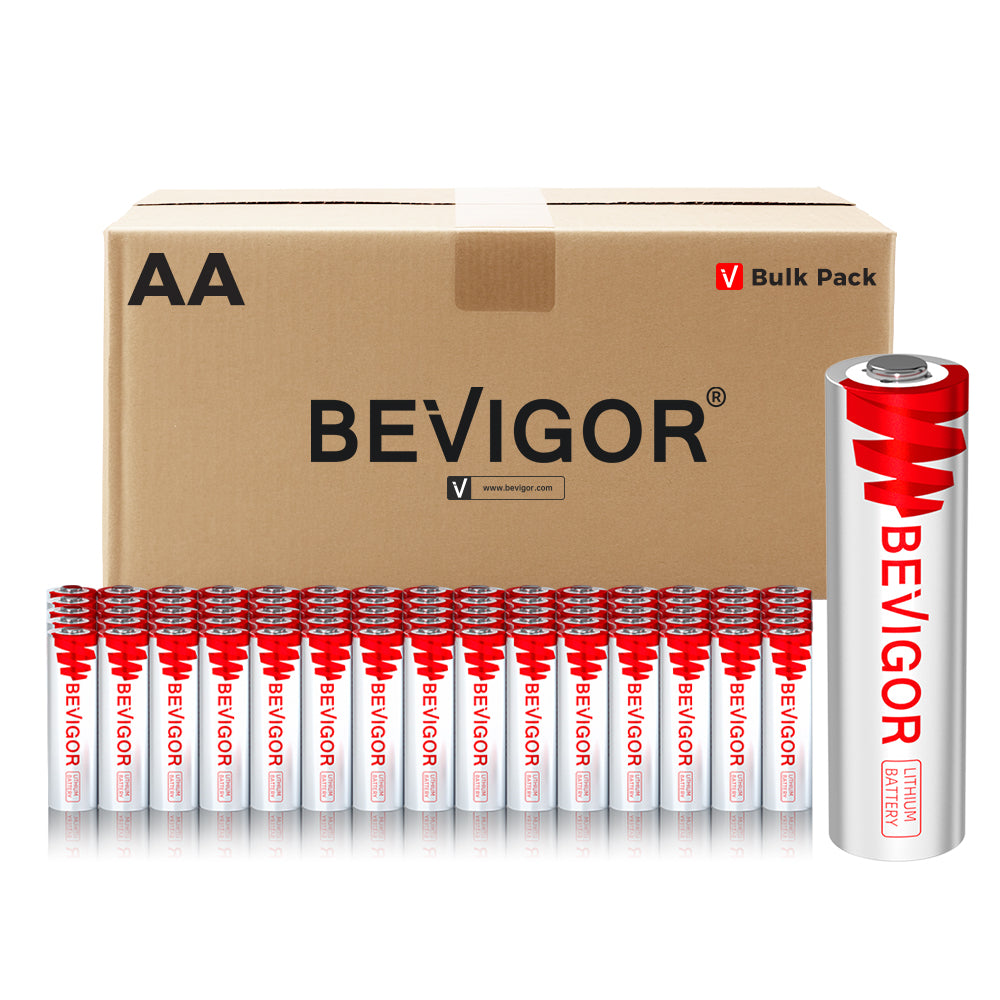
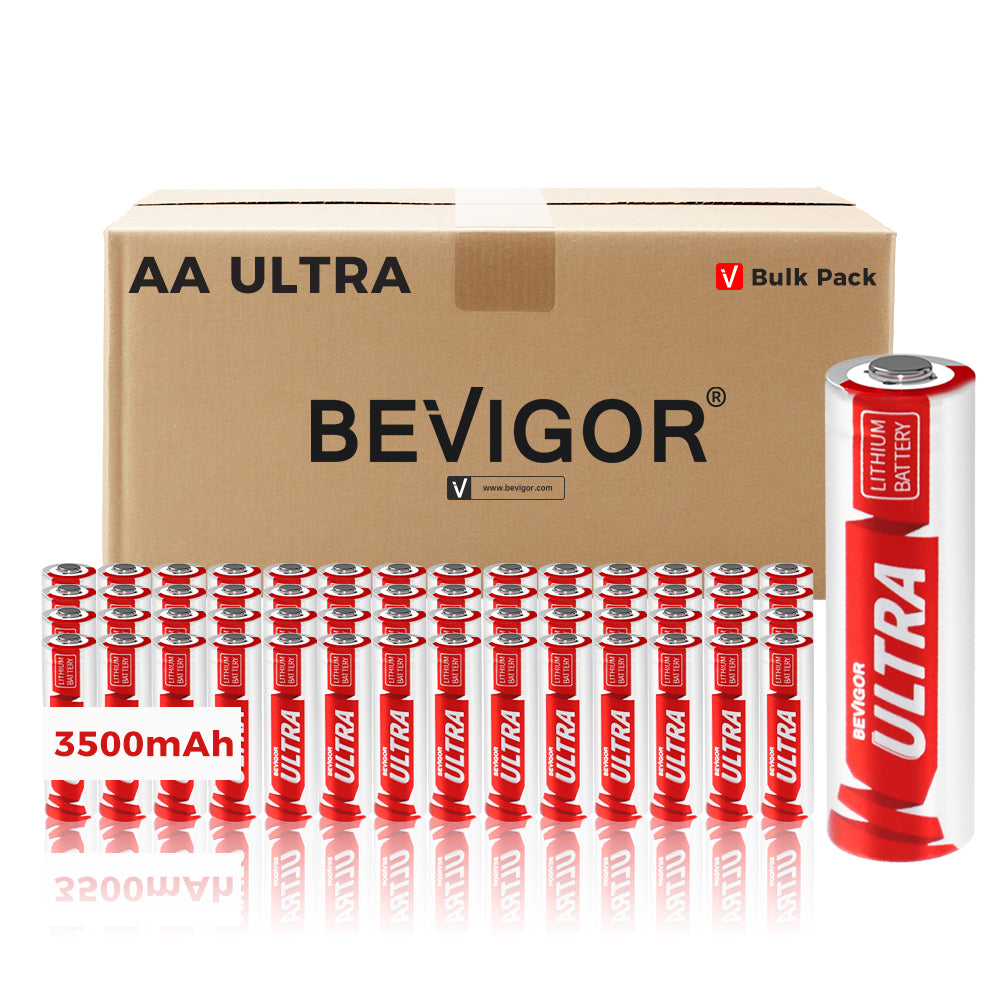
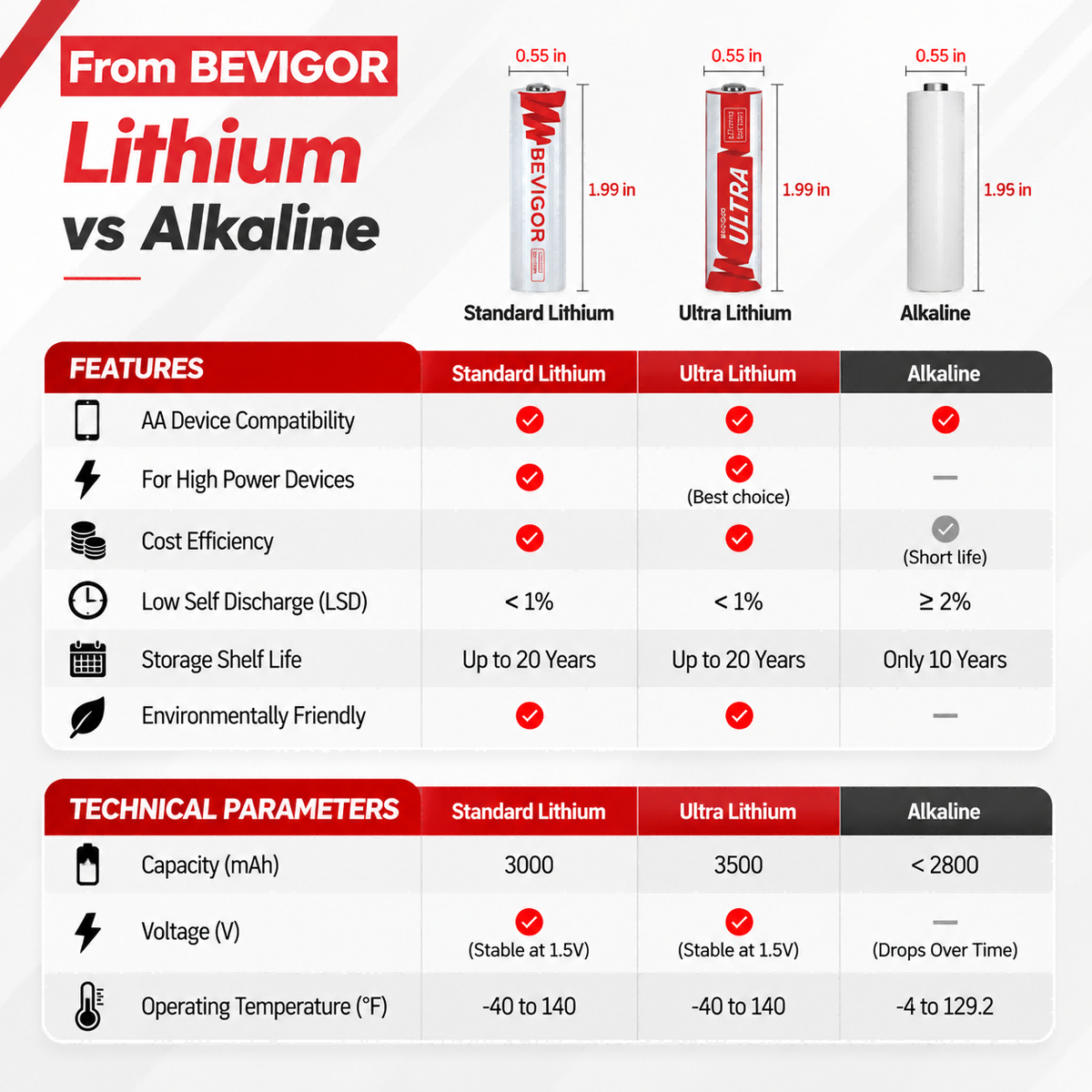
BEVIGOR’s current AA Lithium Batteries 3000mAh Bulk Pack is an active 1.5V non-rechargeable lithium product with multiple pack-size options listed on the live page. It is relevant only for devices that permit AA 1.5V non-rechargeable lithium batteries. Check the current variants, pricing, and availability at the time of purchase.
Store Bulk AA Batteries as Managed Inventory
The purpose of storage is to keep cells protected, identifiable, and easy to rotate.
- Keep batteries in their original packaging or another organizer that prevents loose terminals from contacting metal objects.
- Store them in a dry, protected location within the manufacturer’s stated temperature range.
- Keep batteries away from children and pets.
- Separate chemistries and rechargeable from non-rechargeable cells.
- Mark the purchase month and retain the manufacturer’s printed date and lot information.
- Place older inventory in front and use it first when it remains suitable.
- Keep new, used, and questionable cells in clearly different locations.
- Inspect stock periodically for leakage, swelling, corrosion, damage, or unusual heat.
Do not store loose batteries in a drawer with coins, keys, tools, or other conductive objects. Never attempt to recharge a battery labeled primary or non-rechargeable.
Use First-In, First-Out Rotation
A simple first-in, first-out system prevents the newest package from being opened while an older one stays hidden.
- Write the purchase month on the outer package without covering safety or date information.
- Arrange sealed groups from oldest to newest.
- Open only one group of a chemistry at a time.
- Record the number removed for each device.
- Reconcile the physical count with the log during a quarterly check.
For trail-camera fleets, the BEVIGOR trail-camera battery checklist provides a device-count and matched-set planning method that can feed this household inventory calculation.
Do Not Turn Storage Into a Used-Battery Bin
Remove depleted batteries from active inventory immediately. Do not mix them with fresh stock or keep unidentified loose cells for later testing.
The US EPA’s current used household battery guidance explains that disposal and recycling depend on chemistry and local rules. It recommends checking battery labels and state or local waste guidance. EPA says lithium single-use and rechargeable batteries should not be placed in household trash or municipal recycling bins; use appropriate collection or household hazardous-waste options and protect terminals as directed.
If a battery is damaged, leaking, swollen, or unusually hot, keep it out of routine inventory and follow the battery manufacturer’s instructions and guidance from your local household hazardous-waste authority.
Signs You Are About to Overbuy
Pause before checkout if:
- You cannot list the devices that will use the batteries.
- The order exceeds measured use plus a defined reserve.
- You are choosing chemistry from marketing language instead of device requirements.
- You already have unopened stock with an earlier date.
- The unit-cost saving is small compared with the unused-cell risk.
- You have no dry, organized, child-resistant storage location.
- The household is moving devices to rechargeable packs or built-in batteries.
Buying a smaller pack now and collecting better usage data can be the more economical decision.
Final Buying Checklist
Before buying AA batteries in bulk, confirm:
- Device inventory and cells per matched set
- Observed or conservatively estimated replacement frequency
- Coverage window
- Essential-device reserve
- Current fresh inventory
- Correct size, voltage, chemistry, and rechargeability
- Pack quantity and current total checkout cost
- Labeled date and suitable storage space
- First-in, first-out rotation plan
- Chemistry-specific recycling or disposal plan
Bulk purchasing works when it converts predictable use into fewer orders and a lower cost per usable cell. It fails when pack size, not household demand, drives the decision.
Frequently Asked Questions
How many AA batteries should I buy in bulk?
Multiply the number of devices by cells per device and expected complete-set changes during your coverage window. Add a defined emergency reserve, subtract fresh stock already on hand, and round up to the smallest suitable pack.
Is a larger battery pack always cheaper?
It may have a lower advertised unit price, but the relevant measure is cost per usable cell after shipping, tax, compatibility, and unused stock are considered.
How long can AA batteries stay in storage?
Use the date and storage instructions printed by the manufacturer. Shelf life varies by chemistry, product, storage conditions, and battery condition, so do not apply one general number to every AA battery.
Can I store alkaline and lithium AA batteries together?
Keep different chemistries in clearly labeled, separate groups so they are not mixed in one device. Preserve packaging or use an organizer that protects terminals and keeps fresh, used, rechargeable, and non-rechargeable batteries distinct.
Should bulk AA batteries go in the refrigerator or freezer?
Follow the battery manufacturer’s storage instructions. A dry, protected location within the stated storage range is the practical default; cold storage can introduce condensation when batteries return to room conditions.






Share:
Trail Camera Battery Pack vs AA Batteries: Which Setup Makes More Sense?
Can You Use Rechargeable Batteries in a Trail Camera? Compatibility Checklist