

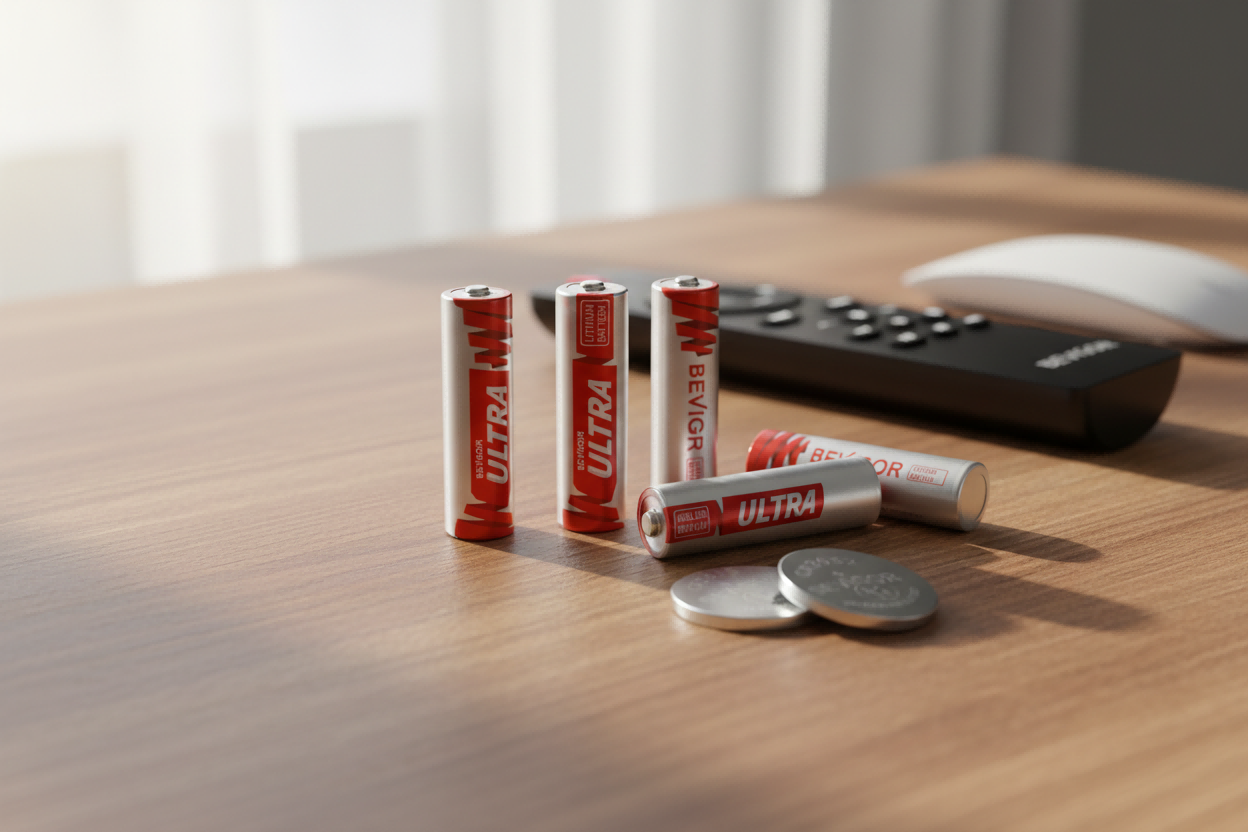
Once, I stood in the battery aisle, staring at a wall of alphanumeric codes. CR2032, CR123A, LR44, 14500—the naming conventions feel entirely random. When a device requires a replacement cell, most consumers simply try to match the exact characters on the label, treating the name like an arbitrary part number.
But those letters and numbers are not random at all. In fact, if you know how to read them, a battery’s name is a literal blueprint containing its exact chemical composition, physical shape, and millimeter dimensions.
Understanding this classification system allows you to decode battery sizes across competing brands, helping you spot true size equivalents and avoid buying a cell that will jam your equipment. By focusing on the highly logical numbering system of coin cells and cylindrical lithium options, you can extract exact measurements straight from the label.

The Problem with "Common" Size Names
For generations, the consumer market has relied on vague labels like “AA” or “AAA” to describe battery sizes. While these designations are universally recognized, they do not tell you anything concrete about the battery's actual physical size.
To find baseline reference dimensions, engineers rely on systematic catalogs like the standard List of battery sizes database. These global frameworks, governed by international reference documents such as IEC 60086, establish the minimum and maximum tolerance limits allowed during manufacturing.
Because designations like "AA" or "AAA" are abstract codes rather than measurements, they fail to communicate the physical constraints of a cell. This lack of clarity is exactly why many consumers struggle with tight-fitting components. Fortunately, newer alphanumeric naming conventions eliminate the guesswork by turning the battery name into a metric blueprint.
Coin Cells: The Literal Naming Blueprint
Button and coin cells offer the most literal example of metric sizing hidden in plain sight. When you look at a standard coin cell like a CR2032, the code breaks down into simple, highly structured metric measurements:
● The First Letter (C): Denotes the chemical composition. The "C" stands for Lithium Manganese Dioxide, which indicates that the cell operates at a nominal 3.0 volts.
● The Second Letter (R): Outlines the physical shape of the battery envelope. The "R" stands for round (cylindrical or coin-shaped).
● The First Two Digits (20): Reveal the battery's exact diameter in millimeters. A CR2032 battery is precisely 20 mm wide.
● The Last Two Digits (32): Detail the exact height or thickness of the battery expressed in tenths of a millimeter. The "32" translates to 3.2 mm thick.
By applying this blueprint logic, you can decode almost any coin cell instantly. A CR2016 is 20 mm wide and 1.6 mm thick. A CR2450 is 24 mm wide and 5.0 mm thick. This literal numbering system ensures that the name remains entirely consistent across different manufacturing brands.
Cylindrical Lithium Cells: The Five-Digit Code
The same metric logic applies to modern cylindrical lithium-ion rechargeable batteries, which use a five-digit naming convention to specify outer dimensions.
Consider the 14500 lithium battery, a cell commonly utilized in specialized electronics and high-drain hardware. The five-digit number breaks down as follows:
● The First Two Digits (14): Represent the nominal diameter in millimeters. A 14500 cell is roughly 14 mm wide.
● The Middle Two Digits (50): Define the nominal length of the main cylinder barrel in millimeters. A 14500 cell is roughly 50 mm long.
● The Final Digit (0): Indicates the geometric shape profile. A "0" denotes a perfectly round, cylindrical form factor.
Using this blueprint, you can instantly see why a 14500 battery shares a nearly identical physical footprint with a standard AA cell, which also measures roughly 14 mm by 50 mm. Similarly, a standard, unprotected flat-top 18650 battery has nominal dimensions of 18 mm in width and 65 mm in length, while a larger 21700 battery targets 21 mm by 70 mm.
Why Reading the Blueprint Prevents Fitment Issues
Learning to read these codes protects you from buying the wrong replacements for tight-tolerance battery bays.
While the core blueprint numbers give you a cell's nominal size, real-world manufacturing variables like thicker protective jackets or pronounced button terminals can add fractional millimeters to the actual envelope. If your device tray has zero clearance, a small addition can cause a physical jam.
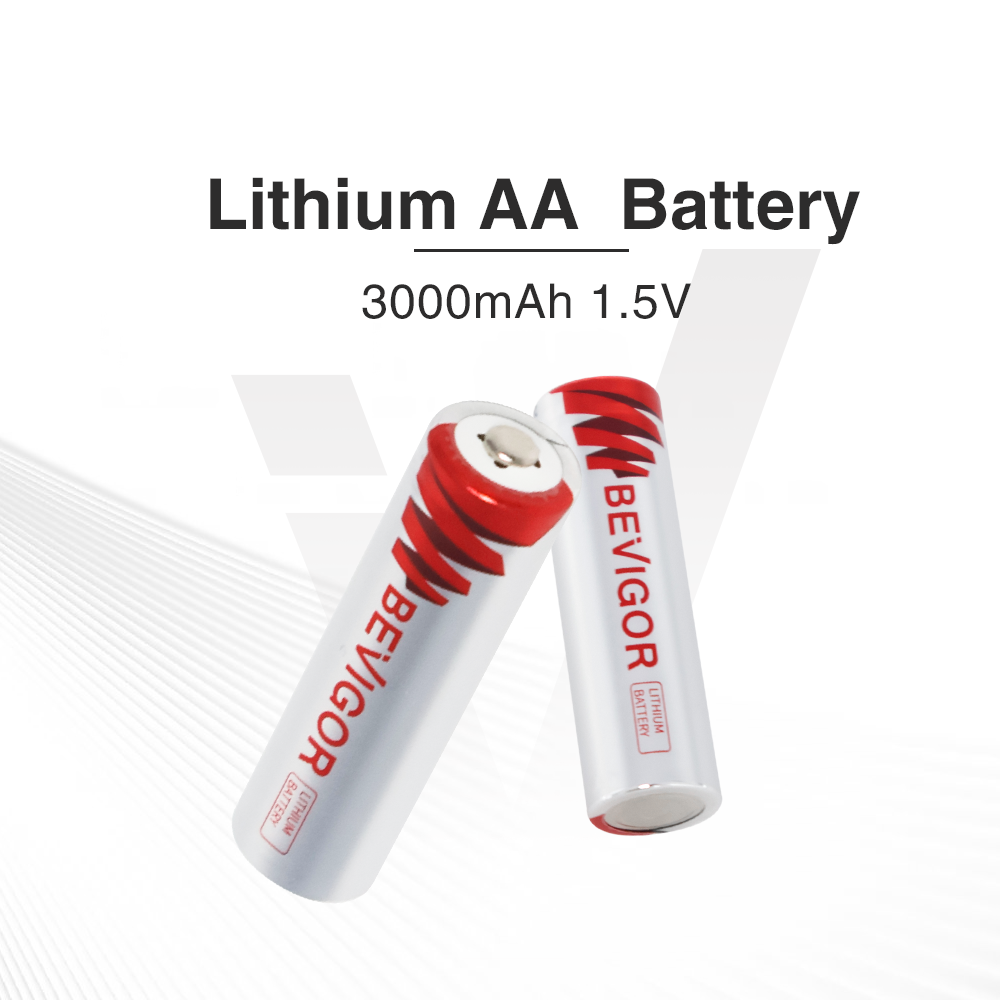
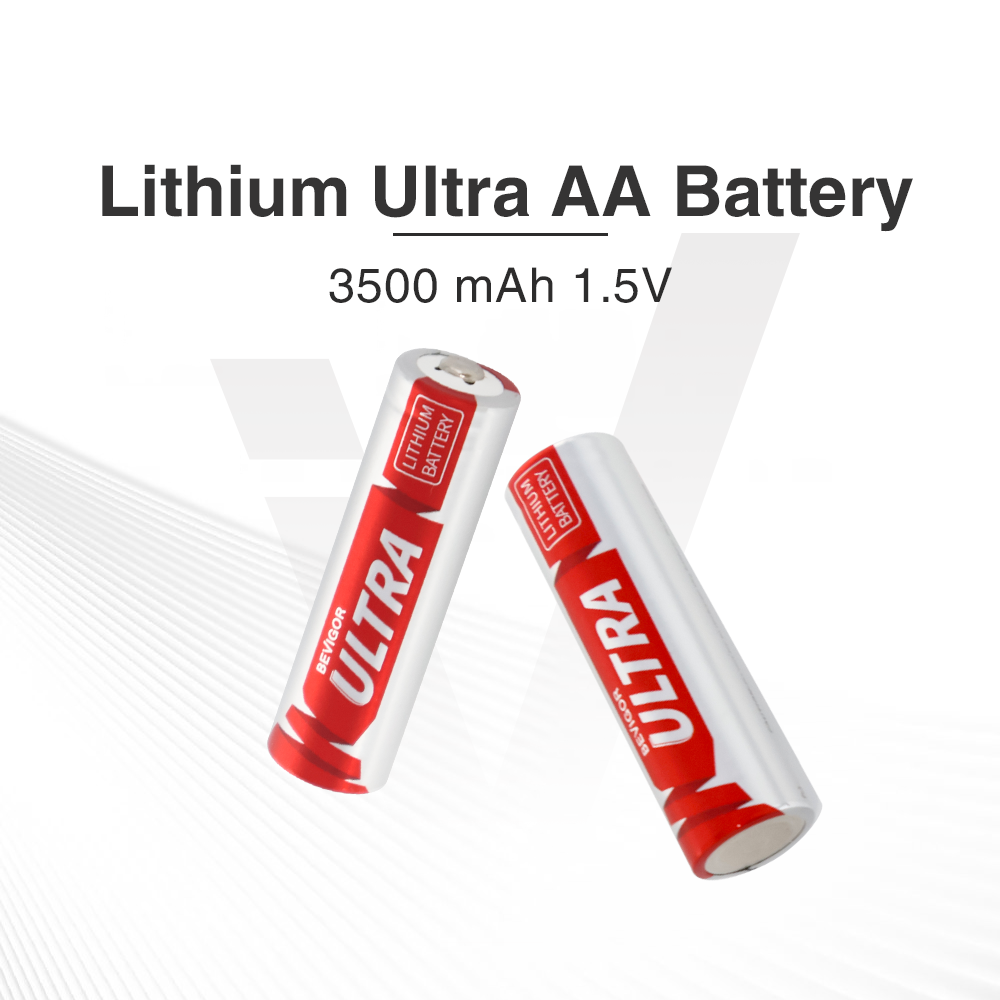
For example, comparing a Lithium AA vs Lithium AAA Battery layout framework shows how devices prioritize different geometric spacing depending on power needs. When dealing with compact trays, checking the exact millimeter listings on a product page and comparing them to your decoded battery blueprint helps prevent you from purchasing oversized alternatives.
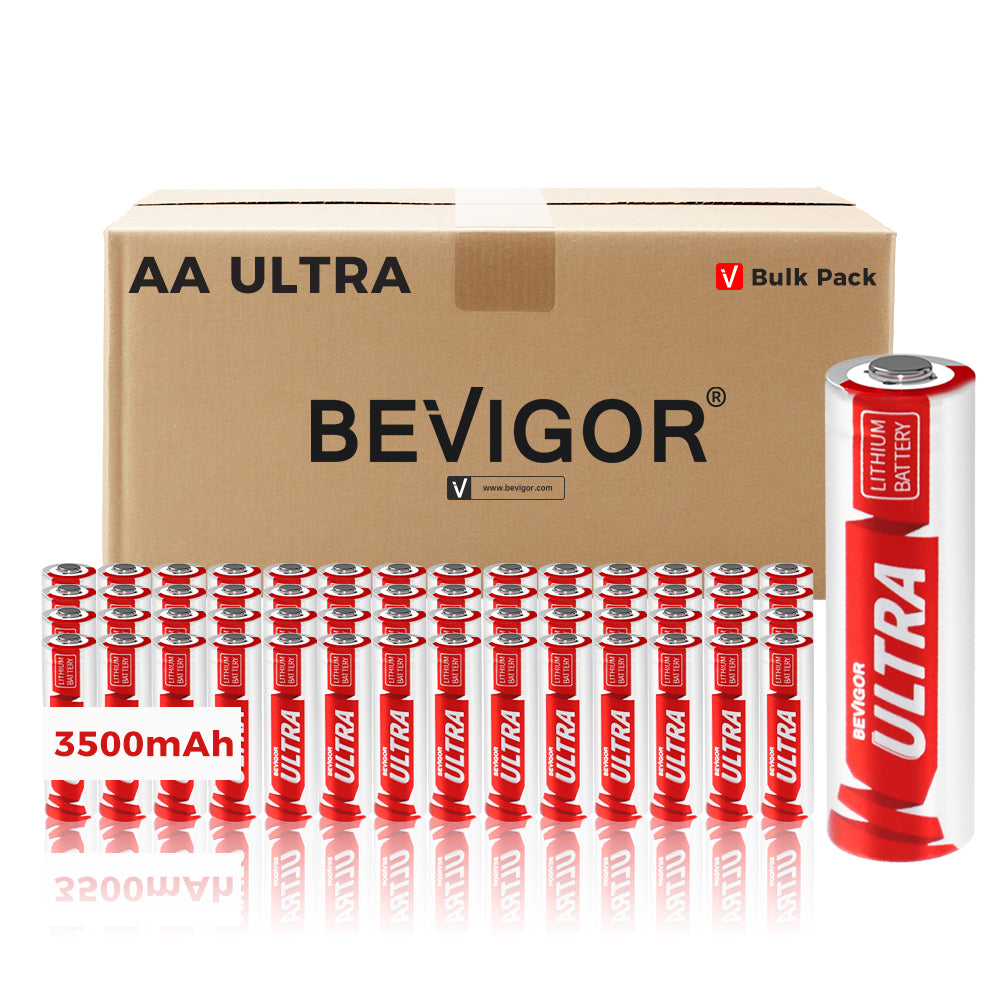
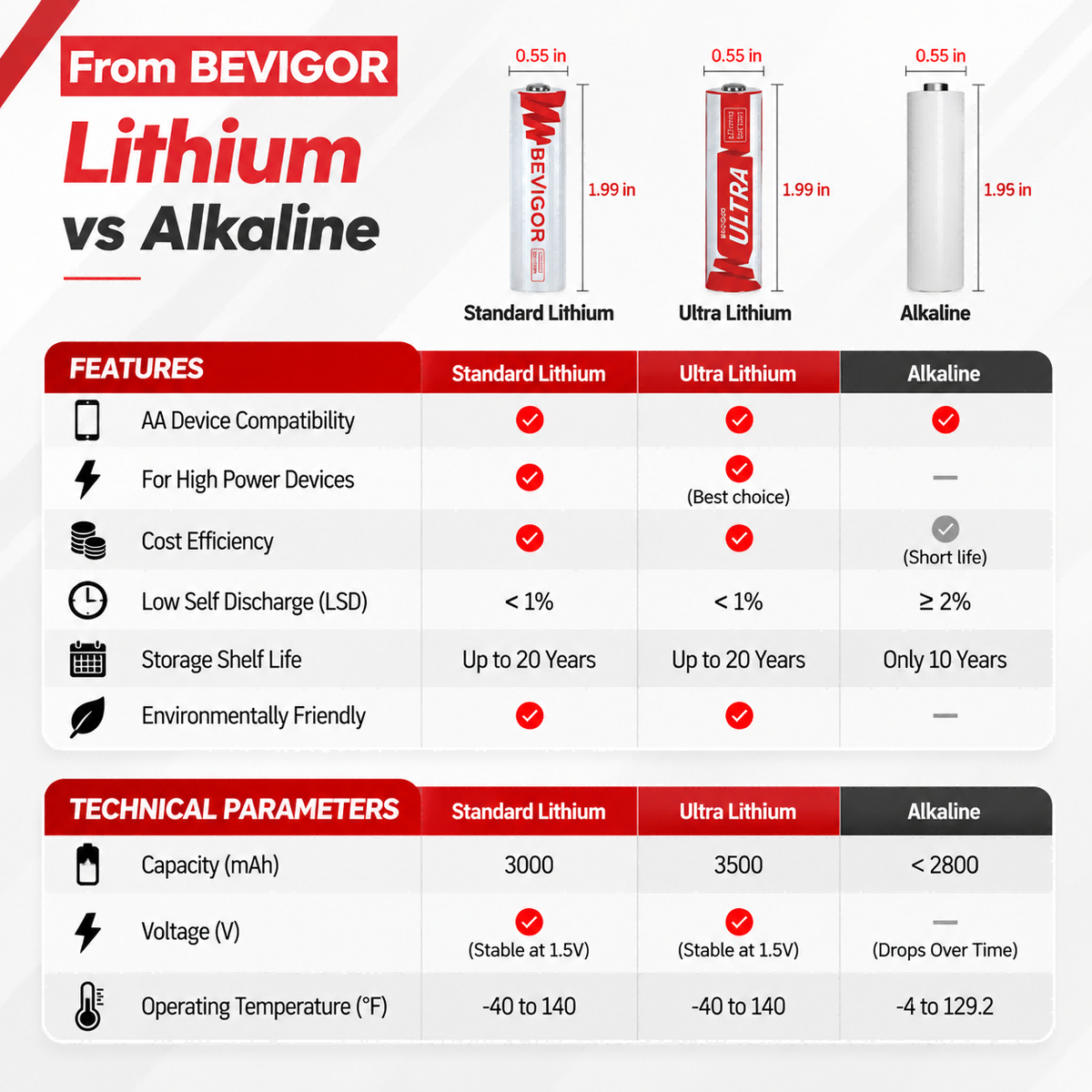
If you are replacing household batteries in tight clearances that require strict uniform dimensions, it is safest to stick to standard, unmodified AA or AAA Batteries. For high-drain devices that support a rechargeable layout, deploying a matched Rechargeable AA & AAA battery kit ensures your cells adhere to the expected blueprint constraints without risking mechanical conflict in the device tray.







Aktie:
Why Lithium Metal Batteries Handle Camera Flashes Better
How AA Battery Tolerance Stack-Up Ruins Product Design