

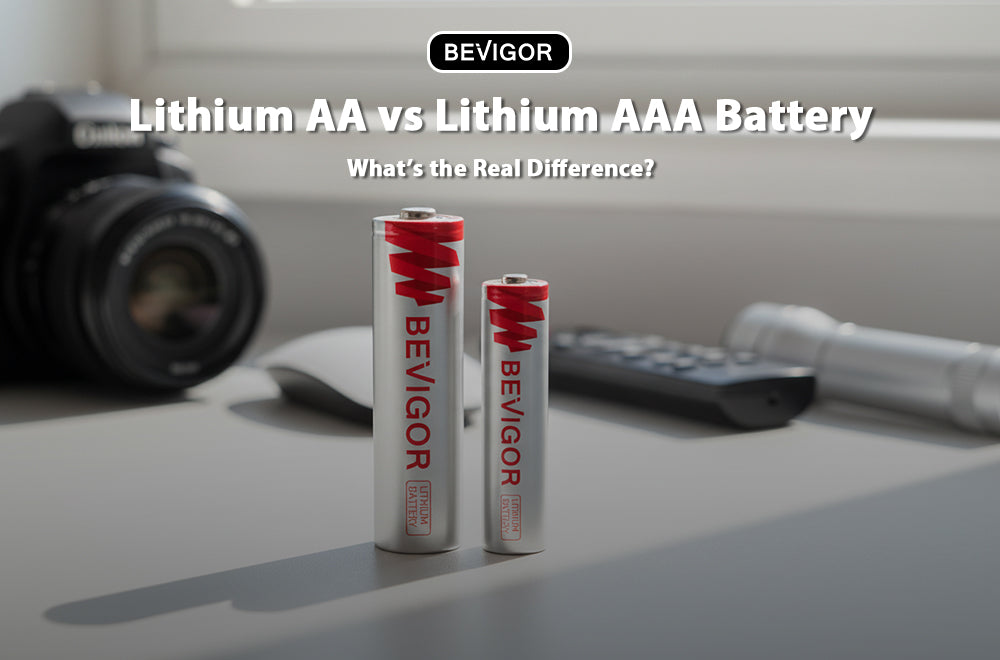
When shopping for lithium batteries, one question comes up again and again:
lithium AA vs lithium AAA battery — which one should you use?
They look similar.
They often share the same voltage.
Yet using the wrong one can shorten runtime—or simply not fit at all.
This guide explains the real-world differences between aa vs aaa battery, focusing specifically on lithium AA batteries and AAA lithium batteries, so you can make the right choice with confidence.
AA vs AAA Battery: Size, Capacity, and Power Explained
Physical Size: AAA Battery vs AA Battery
The most obvious difference in aaa battery vs aa battery is size:
-
AAA battery: smaller, slimmer, lighter
-
AA battery: larger, heavier, higher energy storage
This size difference determines which devices they can physically fit into—AAA batteries power compact electronics, while AA batteries are used in larger or higher-drain devices.
In short:
batterie aa vs aaa is not interchangeable unless the device explicitly supports both.
Capacity Differences: How Much Energy Do They Hold?
Capacity is where the real performance difference appears.
-
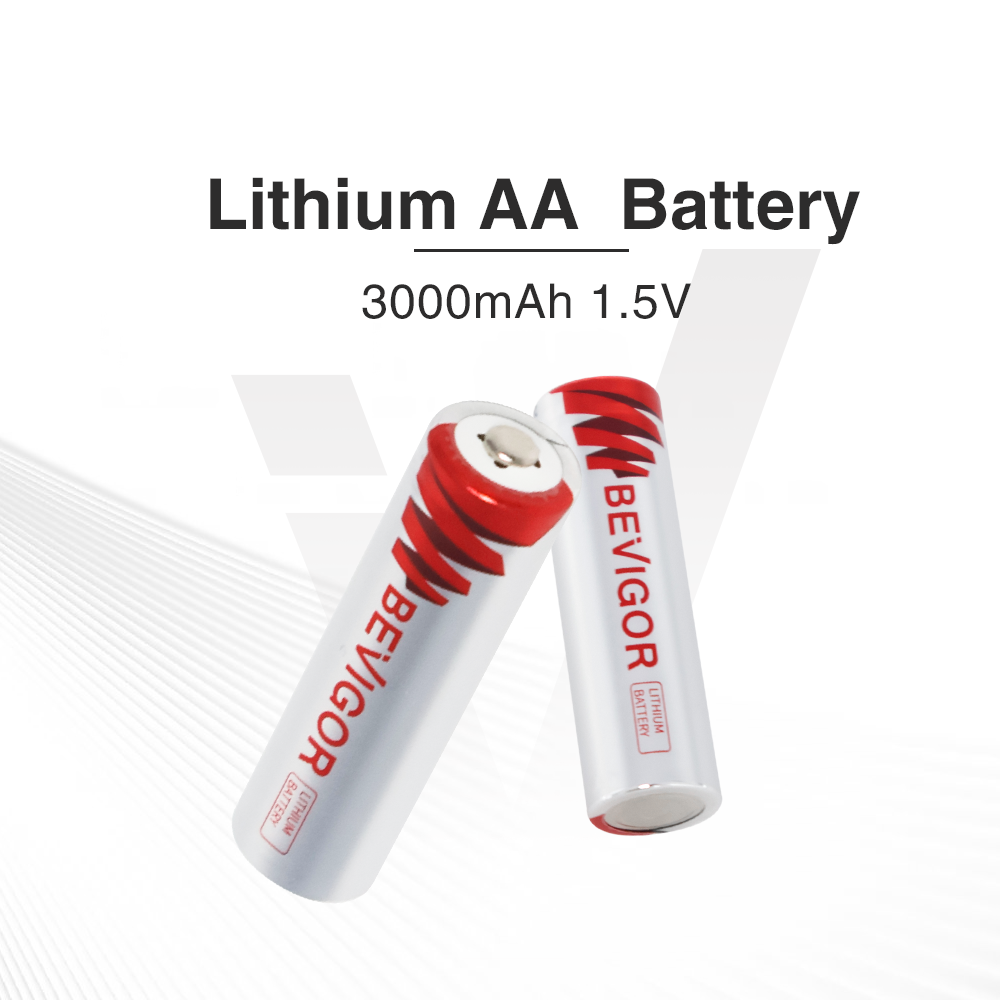
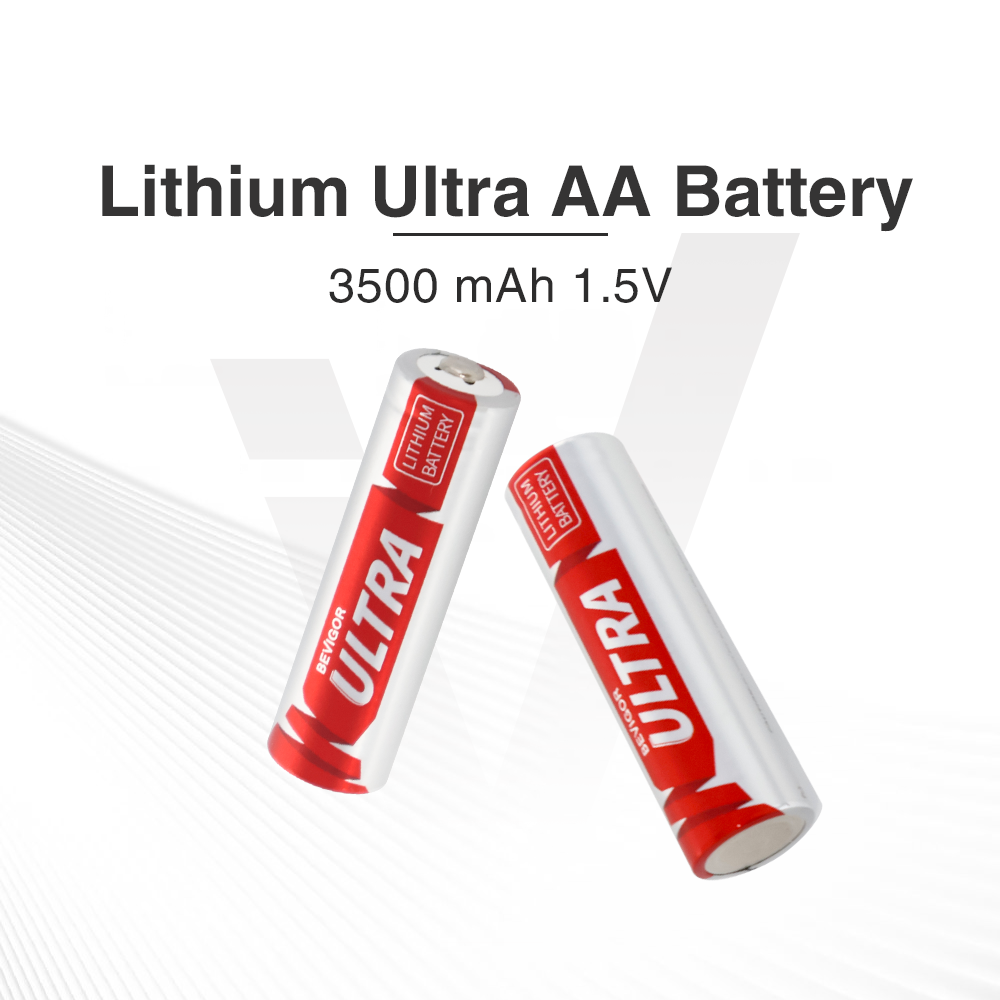
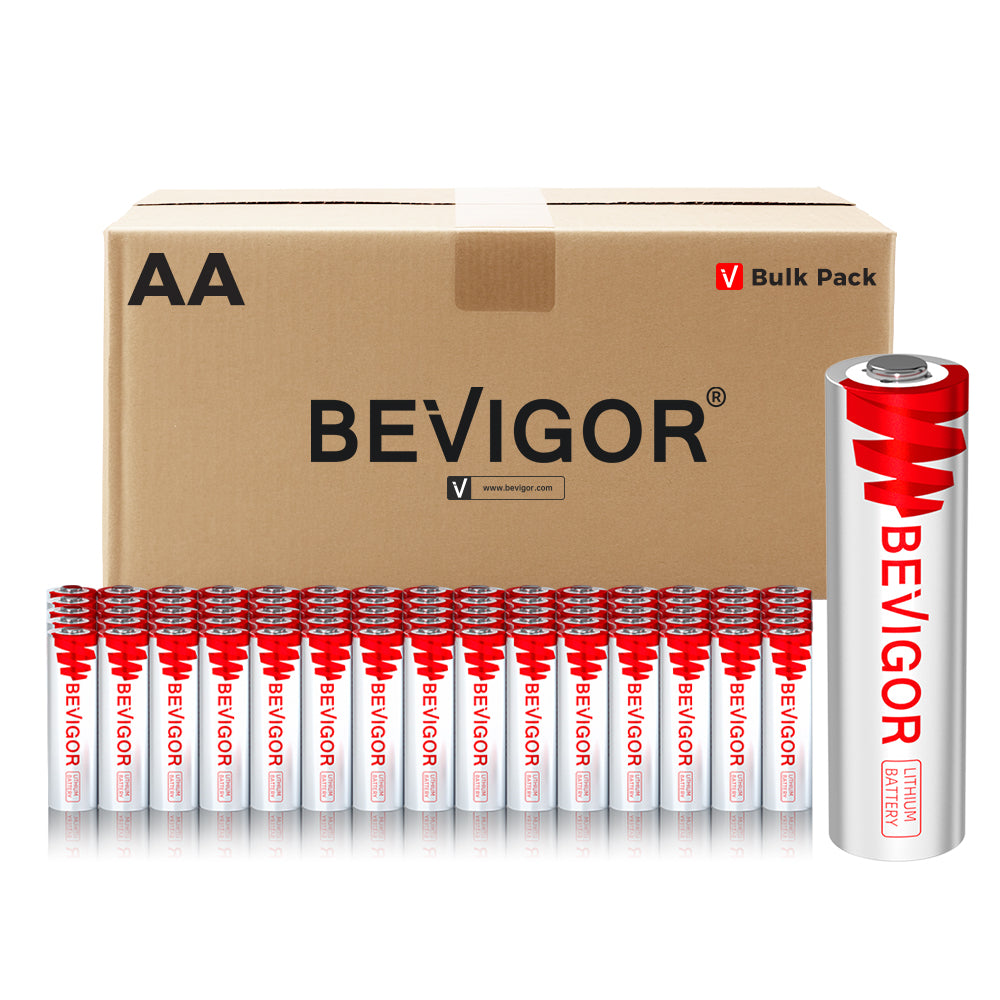
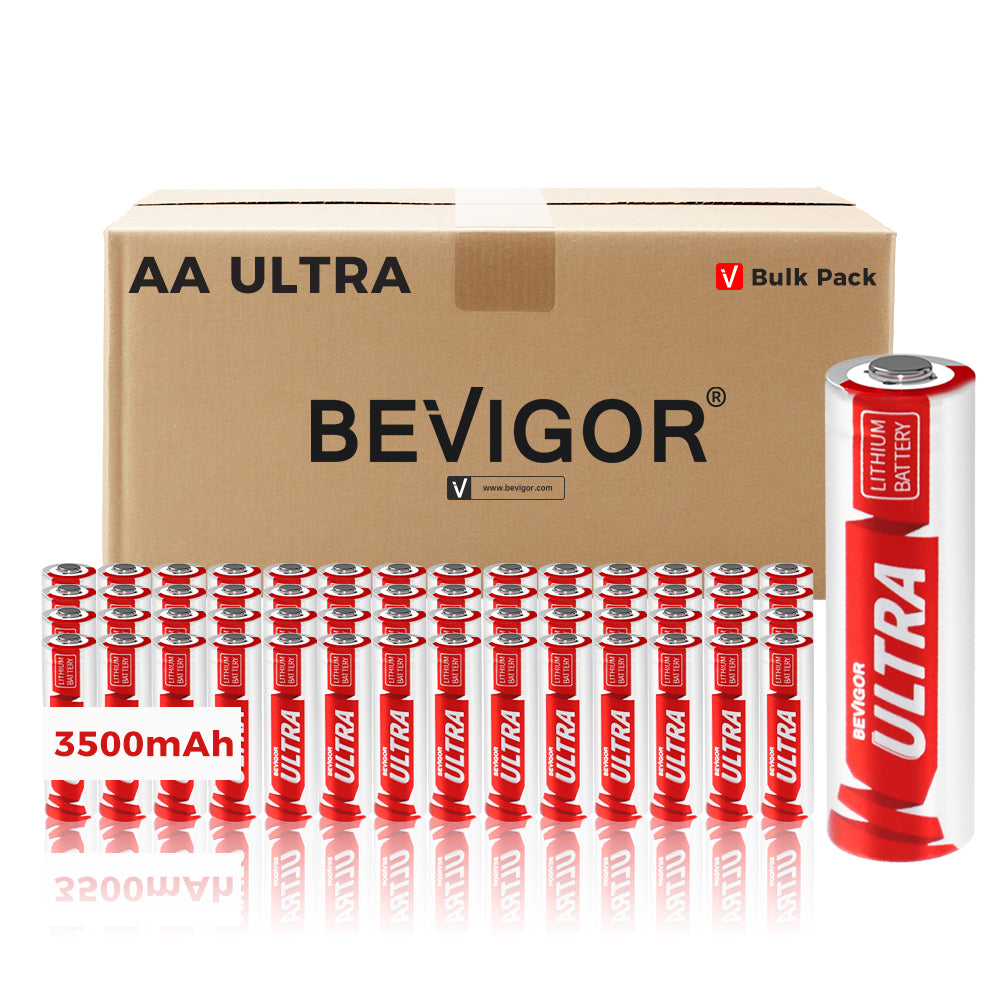
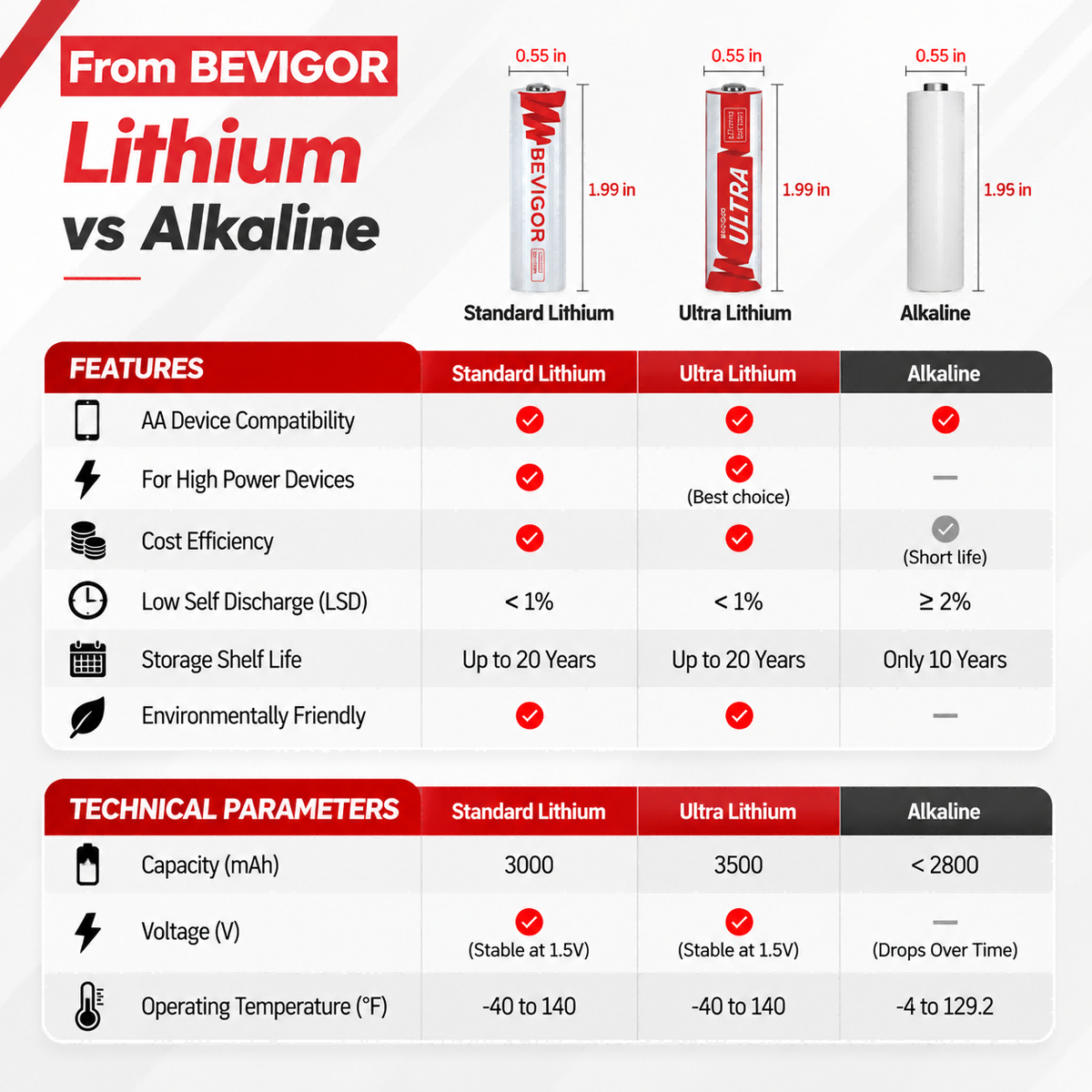
Lithium AA batteries: typically 3000–3500 mAh
-
AAA lithium batteries: typically around 1100–1200 mAh
Because AA batteries are physically larger, they can store more lithium material—meaning longer runtime in power-hungry devices.
This is why aa vs aaa batteries is often a decision about runtime, not just size.
Voltage of Lithium AA vs Lithium AAA Batteries
Do AA and AAA Lithium Batteries Have the Same Voltage?
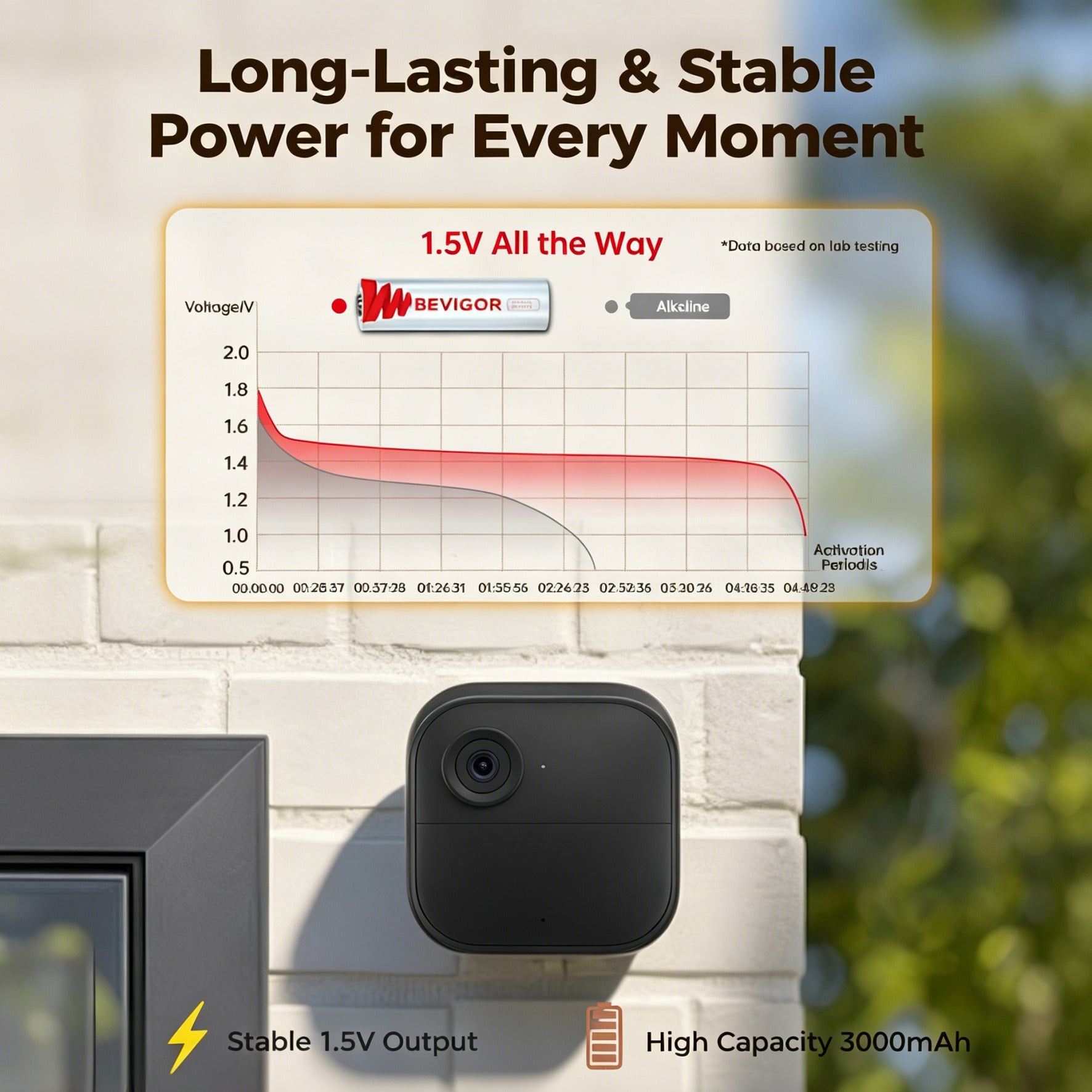
Yes—most modern lithium AA and AAA batteries are designed to deliver a regulated 1.5V output.
-
Nominal open-circuit voltage: ~1.8V
-
Regulated output: 1.5V for device compatibility
This regulated design ensures both aa lithium battery and 1.5 v aaa battery work as drop-in replacements for traditional alkaline batteries.
Understanding the voltage of AAA battery helps avoid compatibility issues, especially in sensitive electronics.
Lithium AA vs Lithium AAA Battery: Common Applications
Devices That Commonly Use AAA Lithium Batteries
Because of their compact size, AAA lithium batteries are widely used in:
-
TV and streaming remotes
-
Smart sensors and motion detectors
-
Medical devices (oximeters, thermometers)
-
Headlamps and compact flashlights
-
Wireless keyboards and mice
For these applications, bevigor aaa batteries provide stable voltage and long shelf life without added bulk.
Explore AAA lithium options:
https://bevigor.com/products/bevigor-aaa-1-5v-ultimate-lithium-aaa-batteries-1200mah
Devices That Commonly Use Lithium AA Batteries
Thanks to their higher capacity, lithium battery AA formats are preferred for:
-
Trail cameras and security cameras
-
Smoke alarms and carbon monoxide detectors
-
High-output flashlights
-
Toys and gaming accessories
-
Outdoor and cold-weather equipment
This is where best aa lithium batteries make the biggest difference in runtime and reliability.
Explore AA lithium options:
https://bevigor.com/products/bevigor-lithium-aa-batteries-3000mah
Lithium vs Rechargeable: Where AAA and AA Fit In
AAA Rechargeable Batteries vs Lithium AAA
Rechargeable AAA batteries (usually NiMH):
-
Voltage: 1.2V
-
Best for: frequent-use devices
-
Require an aaa battery charger
Lithium AAA batteries:
-
Voltage: 1.5V regulated
-
Better for: long-term storage, cold weather, safety devices
If you’re using controllers or toys daily, aaa rechargeable batteries with charger may be more cost-effective.
For alarms and outdoor devices, lithium wins on reliability.
Rechargeable option:
https://bevigor.com/products/bevigor-aaa-rechargeable-nimh-battery-retail
AA Rechargeable vs Lithium AA Batteries
The same logic applies to AA sizes:
-
Rechargeable AA: lower voltage, reusable
-
aa lithium batteries: higher stability, longer shelf life
For devices where failure is not an option (like alarms), lithium AA batteries are often preferred.
Cost & Longevity: AA vs AAA Batteries in Real Life
Shelf Life Comparison
-
AAA lithium batteries: up to 15–20 years
-
Lithium AA batteries: similar long shelf life
-
Alkaline batteries: typically 5–10 years
This long shelf life is one reason lithium batteries are considered among the top rated aaa batteries and AA batteries for emergency use.
(Some users compare options like Energizer lithium batteries, but performance ultimately depends on chemistry and device use.)
Environmental Considerations
Rechargeable batteries reduce waste over time, but lithium batteries:
-
Last longer per unit
-
Require fewer replacements
-
Perform better in extreme conditions
For bulk or professional use, combining lithium performance with proper recycling offers a balanced approach.
Bulk lithium options:
https://bevigor.com/pages/bulk-wholesale
AA vs AAA Battery: Quick Comparison Table (Conceptual)
-
Size: AA > AAA
-
Capacity: AA > AAA
-
Voltage: Same (1.5V regulated)
-
Best for high-drain devices: AA
-
Best for compact devices: AAA
This simple breakdown answers most aa vs aaa battery questions instantly.
How to Choose Between Lithium AA and Lithium AAA Batteries
Ask yourself three questions:
-
What size does my device require?
-
Does it need long runtime or compact form?
-
Is reliability more important than rechargeability?
If the device is small → choose AAA lithium batteries
If the device is power-hungry → choose lithium AA batteries
What to Do Next
If you’re still deciding between lithium aa vs lithium aaa battery, the safest approach is to match the battery to the device—not the price.
Explore Bevigor’s lithium solutions for both sizes:
https://bevigor.com/
For technical questions or bulk supply inquiries:
https://bevigor.com/pages/contact-us
Frequently Asked Questions About Lithium AA vs Lithium AAA Batteries
What is the main difference between lithium AA and lithium AAA batteries?
The main difference between lithium AA vs lithium AAA battery is size and capacity. Lithium AA batteries are larger and store more energy, making them better for high-drain devices. AAA lithium batteries are smaller and designed for compact electronics with lower power demands.
Are AA and AAA lithium batteries interchangeable?
No. Even though both often deliver a regulated 1.5V, aa vs aaa battery sizes are physically different. Devices are designed for a specific battery size, so aaa battery vs aa battery is not interchangeable unless the device explicitly supports both.
Do lithium AA and lithium AAA batteries have the same voltage?
Yes. Most modern aa lithium battery and 1.5 v aaa battery options are regulated to output 1.5 volts, ensuring compatibility with devices designed for alkaline batteries. This regulated design is key to understanding the voltage of AAA battery and AA lithium cells.
Which lasts longer: lithium AA or lithium AAA batteries?
In general, lithium AA batteries last longer in use because they have a higher capacity. However, AAA lithium batteries still offer excellent runtime relative to their size and often outperform alkaline AAA batteries by a wide margin.
Are lithium batteries better than rechargeable AA or AAA batteries?
It depends on usage.
-
AAA batteries rechargeable options are ideal for devices used daily, such as controllers or toys.
-
AAA lithium batteries and batteries lithium AA are better for safety devices, outdoor use, and long-term storage due to their stable voltage and long shelf life.
What devices typically use AAA lithium batteries?
Common devices include:
-
TV and streaming remotes
-
Smart sensors and motion detectors
-
Medical devices (thermometers, oximeters)
-
Compact headlamps and flashlights
These applications are where bevigor aaa batteries are often preferred for reliability and longevity.
What devices are better suited for lithium AA batteries?
Devices that draw more power benefit from lithium battery AA, such as:
-
Trail cameras and security cameras
-
Smoke and carbon monoxide alarms
-
High-output flashlights
-
Toys and gaming accessories
This is why many users consider them among the best aa lithium batteries.
Are lithium AAA batteries rechargeable?
Standard lithium iron disulfide AAA batteries are not rechargeable. If you need reusability, look for aaa rechargeable batteries with charger, which are usually NiMH-based and operate at 1.2V instead of 1.5V.
Are lithium AA and AAA batteries safe?
Yes, when used correctly. High-quality lithium batteries include protective circuitry and are safe for household and professional use. Always store them in a cool, dry place and avoid mixing old and new batteries in the same device.
How long do lithium AA and AAA batteries last in storage?
Both aa lithium batteries and aaa batteries lithium typically offer a shelf life of 15–20 years under proper storage conditions, making them ideal for emergency equipment and infrequently used devices.
How do I choose between AA vs AAA batteries?
Use this simple rule:
-
Small, compact devices → AAA lithium batteries
-
High-drain or larger devices → lithium AA batteries
Matching the battery size and chemistry to your device ensures optimal performance and longevity.
Where can I get help choosing the right AA or AAA lithium battery?
For product guidance, technical questions, or bulk inquiries, you can reach out directly at:
https://bevigor.com/pages/contact-us
For large-volume or wholesale needs:
https://bevigor.com/pages/bulk-wholesale






Share:
What Uses AAA Batteries? Common Devices and Choosing the Right Type
CR123 vs CR123A: What’s the Real Difference?