

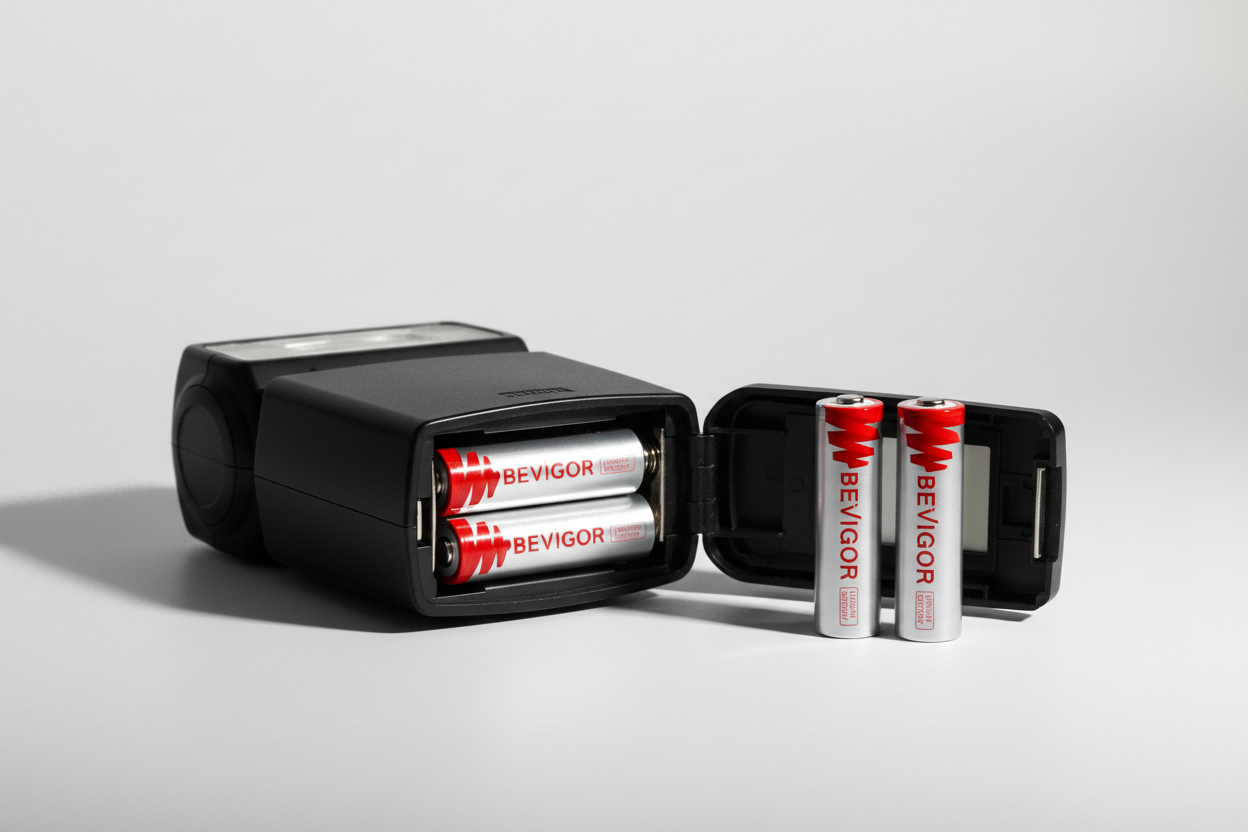

If you have used a speedlight or any flash powered by AA batteries, you've noticed how some power sources feel stronger than others. Poor batteries lead to long recycle times, fewer full-power flashes, and batteries that heat up quickly during busy shoots. The performance gap arises because a flash is a high-current, pulse-heavy load, which stresses a battery's chemistry far more than steady energy drains.
What Makes Camera Flashes Difficult For Lithium Batteries?
Camera flashes challenge lithium batteries because they require intense, instantaneous energy bursts rather than a gentle, continuous draw. The core flash problem is efficiently handling these massive high-current bursts.
A hunting photographer shared his story. When he was waiting on a grizzly at dusk, his camera died mid-flash. He immediately realized that the sudden, intense energy burst caused the battery's voltage to collapse.
How Do High-Current Bursts Affect A Lithium Metal Battery?
According to Scantips, a speedlight operates by charging a large internal capacitor, and during the brief recycle phase, it can draw a high current from the batteries, affecting recycle speed and the number of shots depending on the type of battery used. Scantips explains that flashes require high battery current during recycle, placing a sudden, aggressive load on the cell's internal structure that standard alkaline chemistries simply cannot withstand without dropping voltage.
Why Do Flashes Slow Down Without The Right Lithium Batteries?
According to BatteryDesign.net, when a lithium battery cell is heated above 130°C, exothermic chemical reactions inside the cell can increase the temperature and accelerate further reactions. This means that using weaker or improper lithium batteries in camera flashes could lead to thermal buildup during repeated use, which may slow down performance and risk additional heating. As Scantips notes, this high-current draw generates internal heat, limiting the battery's ability to keep up with a professional photographer's rapid-fire pace.
How Does Internal Resistance Impact Lithium Batteries?
Internal resistance in lithium batteries acts as a bottleneck, limiting how efficiently stored energy can leave the battery and power the camera. Internal resistance creates chemical friction, generating heat and dropping voltage during high power draws. This causes premature device shutdown.
What Is Internal Resistance In A Lithium Metal Battery?
Internal resistance in a lithium metal battery is the inherent physical and chemical opposition to the flow of electric current, proving that a battery is not just a perfect "bucket of energy." Every power cell has some level of internal resistance, determined by its specific chemical makeup and internal construction. Battery University describes how high performance is achieved partly by aggressively lowering this internal resistance, discussing the complex discharge behavior in BU-501a: Discharge characteristics of Li-ion. Lowering this resistance is the absolute key to unlocking the massive, rapid bursts of power necessary for professional flash photography.
How Does Voltage Sag Dictate Lithium Batteries' Performance?
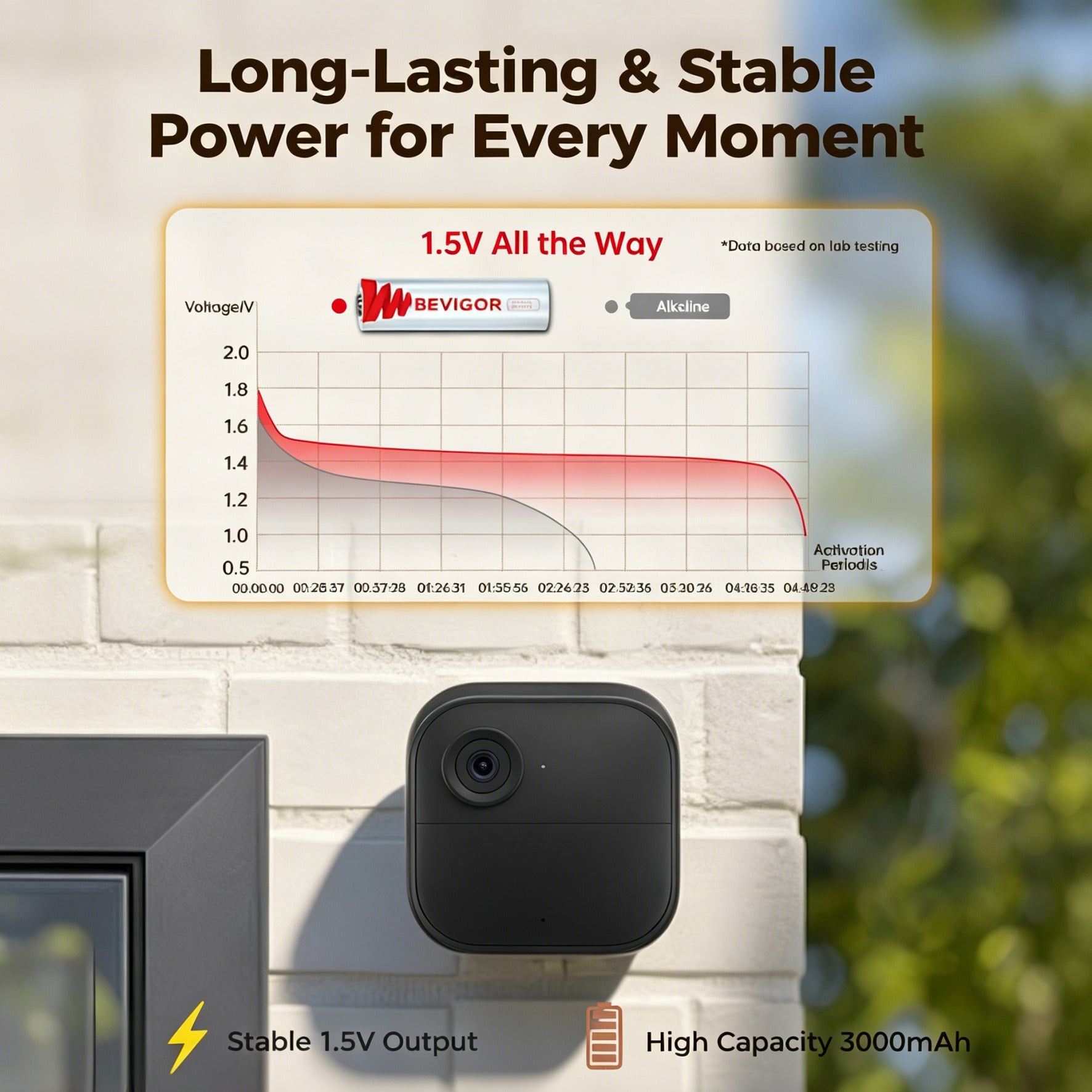
Voltage sag affects lithium battery performance because a sudden drop in voltage instantly fools the camera flash into thinking the power source is empty. When a battery has higher internal resistance, it experiences larger voltage sag during high-current bursts. This drop directly causes slower flash recycling and triggers earlier "battery low" warnings. Conversely, a cell with lower internal resistance provides steadier output during those bursts, keeping the flash firing rapidly without false low-power shutoffs.
How Do Protection Circuits Limit Rechargeable Lithium Batteries?
Protection circuits limit the charging of rechargeable lithium batteries by throttling peak current to prevent overheating or damage. Rechargeable lithium-ion cells work well in the right system, but most consumer products add protection electronics for safety. These circuits can limit peak current or shut down the output if the microchip considers the flash's high-current burst unsafe. In brief bursts, this throttling causes inconsistent recycle times and early battery cutoffs.
Why Does A Primary Lithium Metal Battery Deliver Consistency?
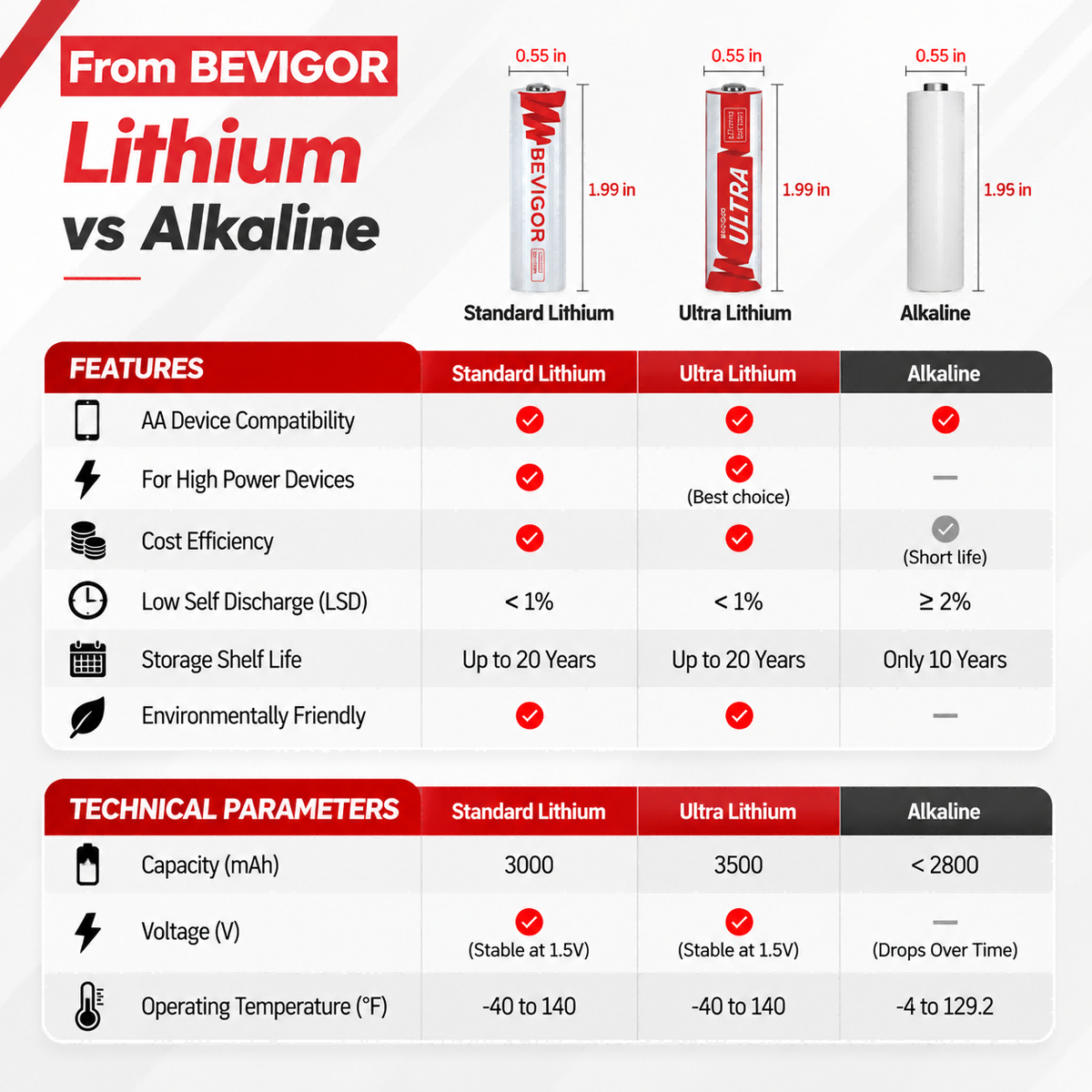
According to Battery University, disposable lithium-metal AA batteries do not require the electronic protection circuits needed in rechargeable lithium-ion batteries, which allows them to supply power directly and consistently to devices like camera flash capacitors. Without this bottleneck, they stay more consistent under the "flash recycle" pattern, especially compared to standard alkalines or heavily protected lithium-ion alternatives.
However, understanding your camera's specific burst requirements remains important for preventing delays during important shoots. Choose power sources engineered for high-current bursts and low resistance to keep your professional speedlight performing as designed.
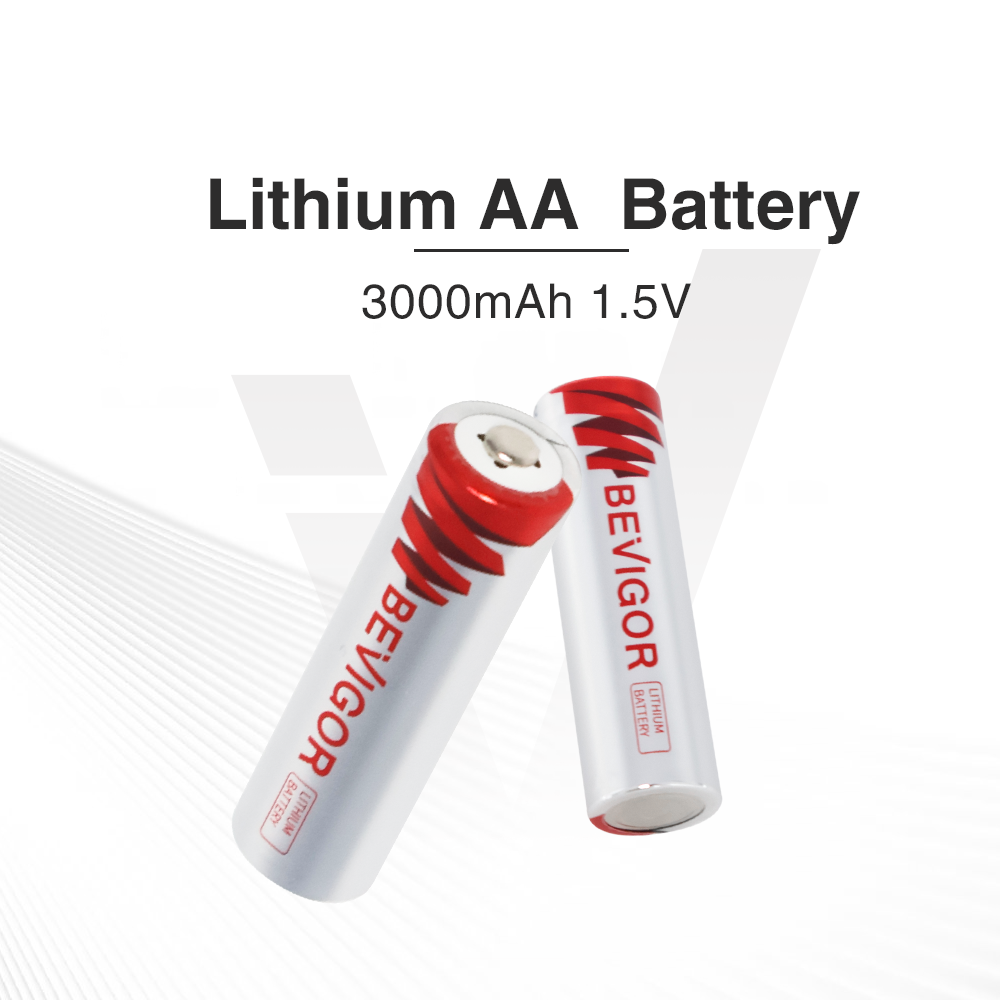
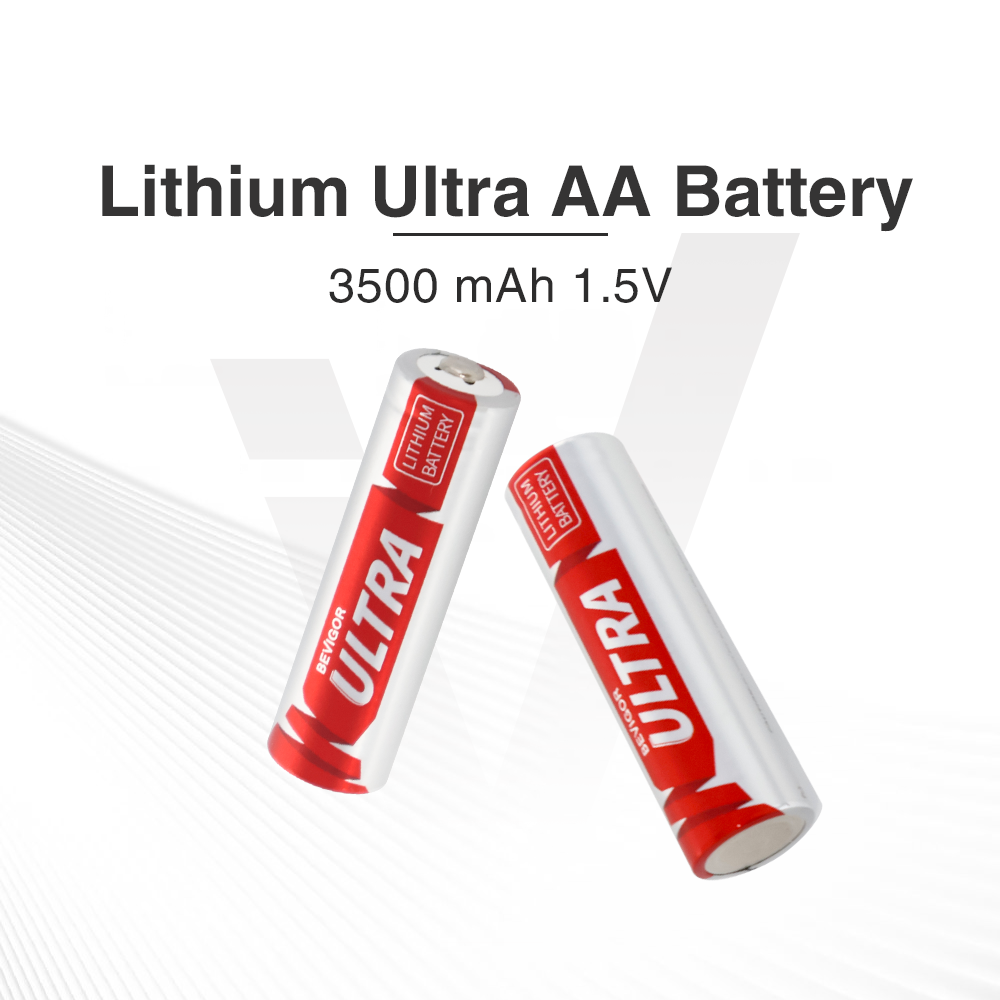
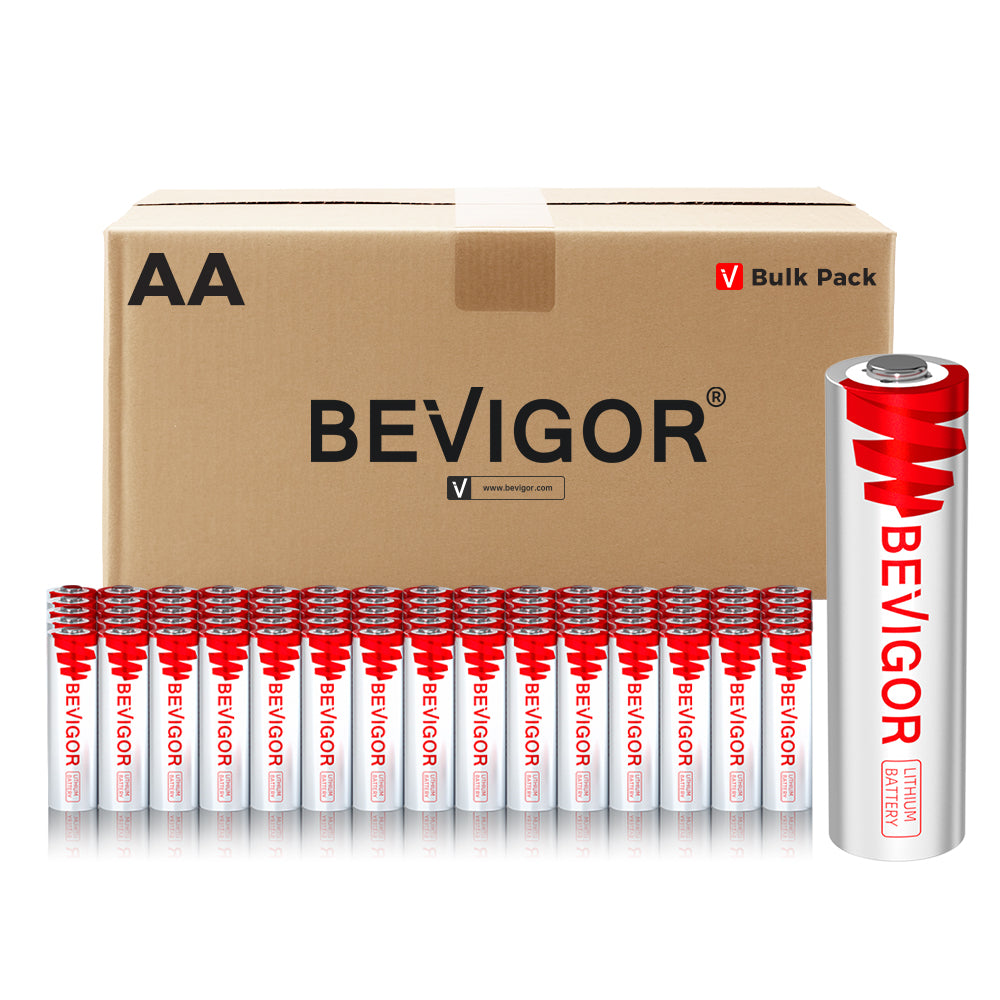
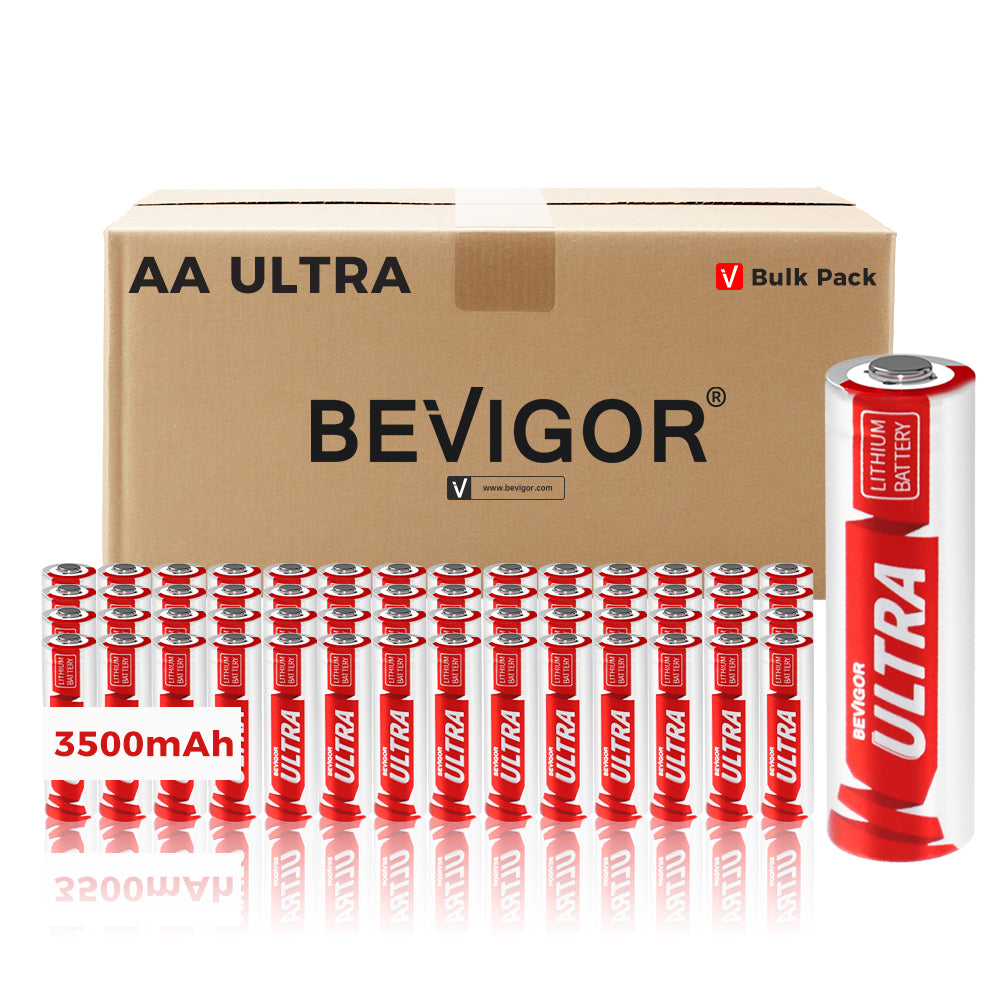
Bevigor is the go-to place for photographers when they need quality, high-performance batteries for their flashes. Check our lithium battery collections and get yours today!






Aktie:
Why You Should Put Lithium Metal Batteries in Your Emergency Kit
How to Read Your Battery's Name Like a Blueprint