


Wondering if your high drain gadgets will fail with 1.2V cells? Many users worry that lower voltage means weaker performance, especially when choosing between 1.5v vs 1.2v batteries.
This guide explores discharge rates, device compatibility, and why 1.2V NiMH rechargeable batteries are often the smarter choice for modern electronics.
The Voltage Myth: 1.5v vs 1.2v batteries Explained
At first glance, the math seems simple: 1.5V is higher than 1.2V, so it must be stronger, right? In reality, the number printed on the label only tells half the story. The 1.5V rating on an alkaline battery refers to its nominal voltage when it is brand new and completely unused. The moment you put that AA battery into a camera or a toy, the voltage begins to drop immediately.
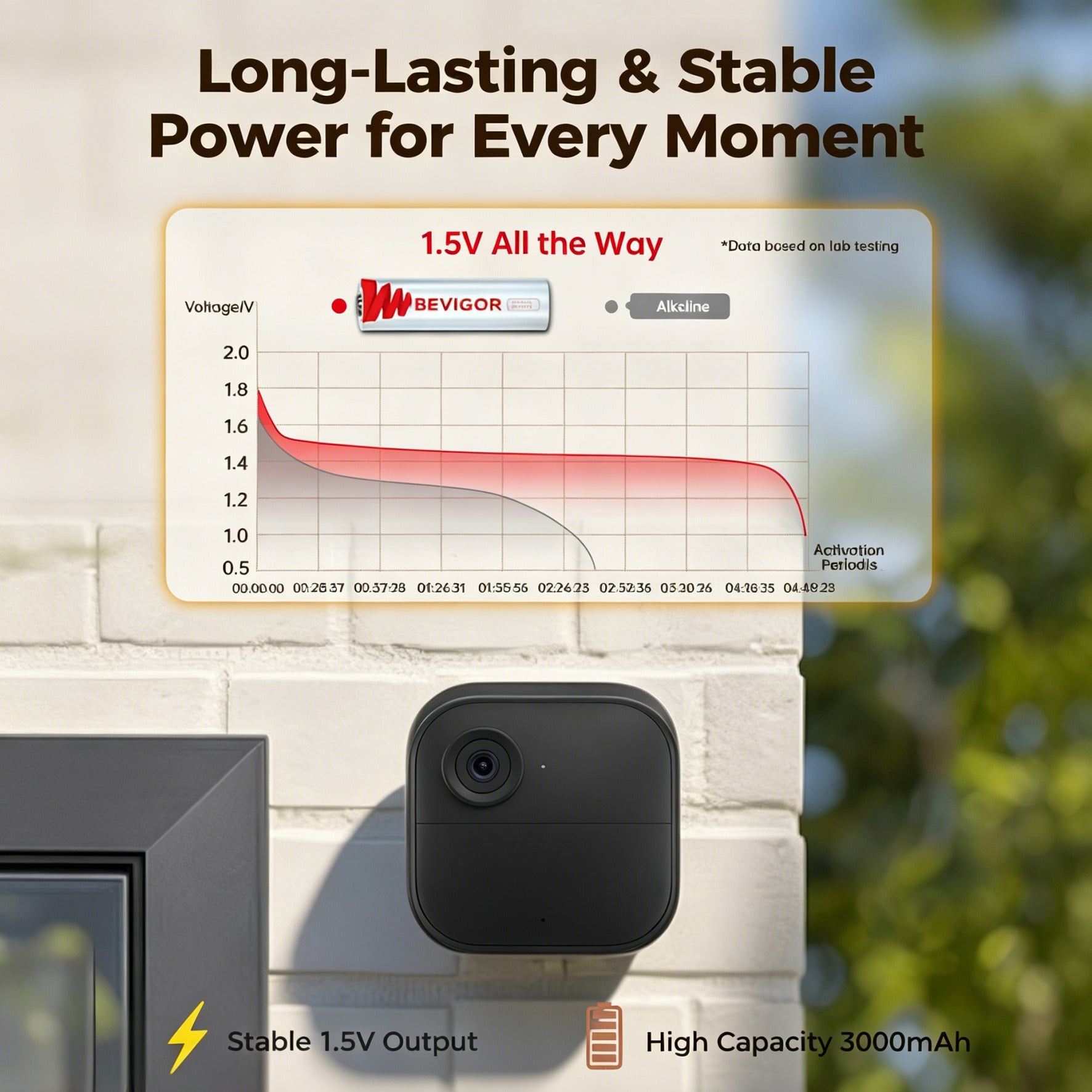
Alkaline batteries have a sloping discharge curve. As they lose capacity, their voltage slides from 1.5V down to 1.1V or lower before they are considered dead. On the other hand, 1.2V NiMH Rechargeable Batteries operate differently. They hold a steady plateau near 1.2V for almost 80% of their discharge cycle. This means that for the majority of the time you are using your device, the performance of 1.5v vs 1.2v batteries is nearly identical.
Understanding the Discharge Curve of 1.2V NiMH Rechargeable Batteries
To understand why voltage ratings are often misunderstood, we need to look at how energy is released. Imagine a water tank. A 1.5V alkaline battery is like a tank where the pressure drops constantly as the water level goes down. A 1.2V NiMH battery is like a tank with a pump that maintains steady pressure until the very end.
|
Feature |
1.5V Alkaline Battery |
1.2V NiMH Rechargeable Battery |
|
Starting Voltage |
1.5V (drops quickly) |
1.25V to 1.35V (freshly charged) |
|
Running Voltage |
Average 1.2V |
Consistent 1.2V |
|
End Voltage |
Approx 0.9V |
Approx 1.0V |
|
Performance |
Fades gradually |
Constant until empty |
According to Bevigor internal testing, high drain devices like digital cameras or motorized toys often stop working when the voltage hits 1.1V. Because an alkaline battery spends a significant portion of its life below 1.1V, it might leave 30% of its energy unused. Conversely, 1.2V NiMH Rechargeable Batteries stay above that threshold for much longer, providing more usable power.
Are 1.2V NiMH Rechargeable Batteries Compatible with 1.5V Devices?
The short answer is yes. Almost every consumer electronic device designed for AA or AAA batteries is built to handle the voltage range provided by 1.2V NiMH Rechargeable Batteries. Engineers design these products with the knowledge that alkaline voltage will drop. Therefore, a device labeled for 1.5V is actually designed to work perfectly fine at 1.2V.
Here is the deal: if you are using a low drain device like a TV remote or a wall clock, alkaline batteries might last longer because they have a lower self discharge rate. However, for high drain devices, the switch to NiMH is a game changer.
- Professional Flash Units: Recycle times stay fast and consistent.
- Game Controllers: Longer playtime without the low battery warning appearing prematurely.
- LED Flashlights: Brightness remains steady rather than dimming over time.
Comparing Bevigor Lithium and 1.2V NiMH Rechargeable Batteries
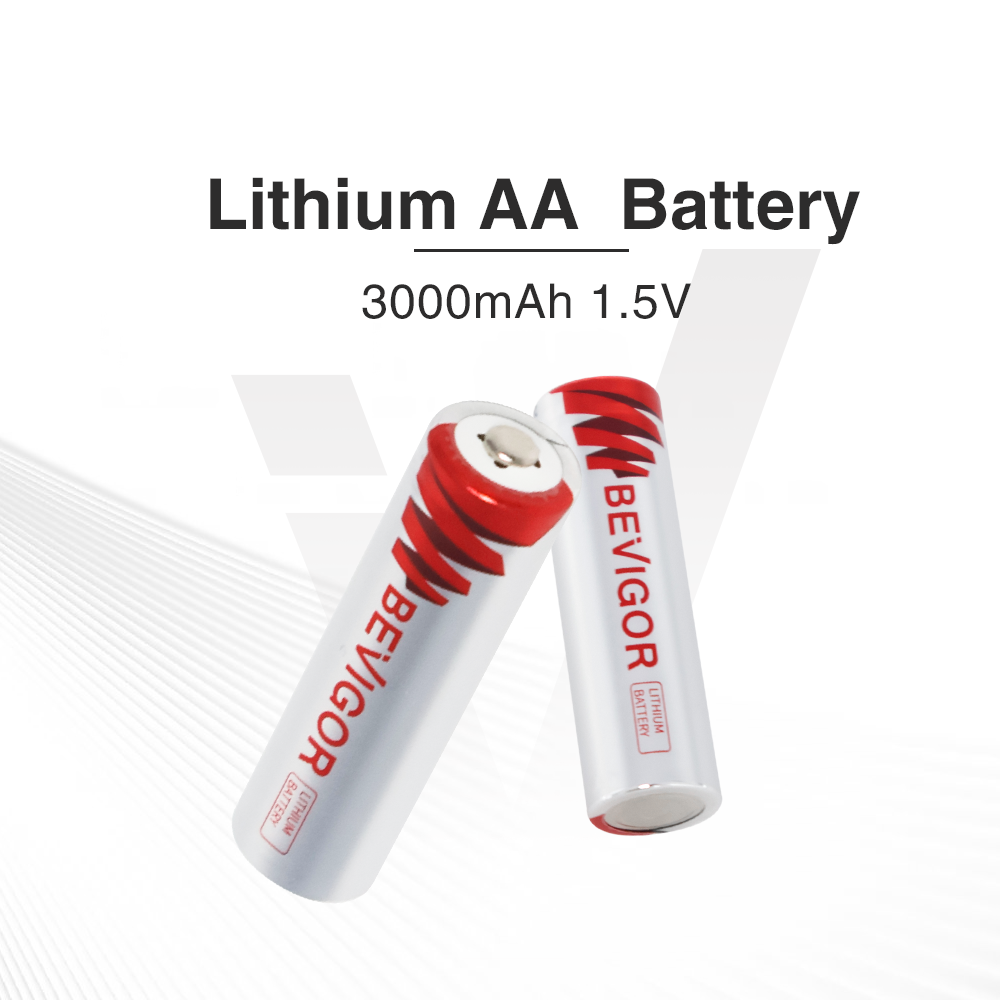
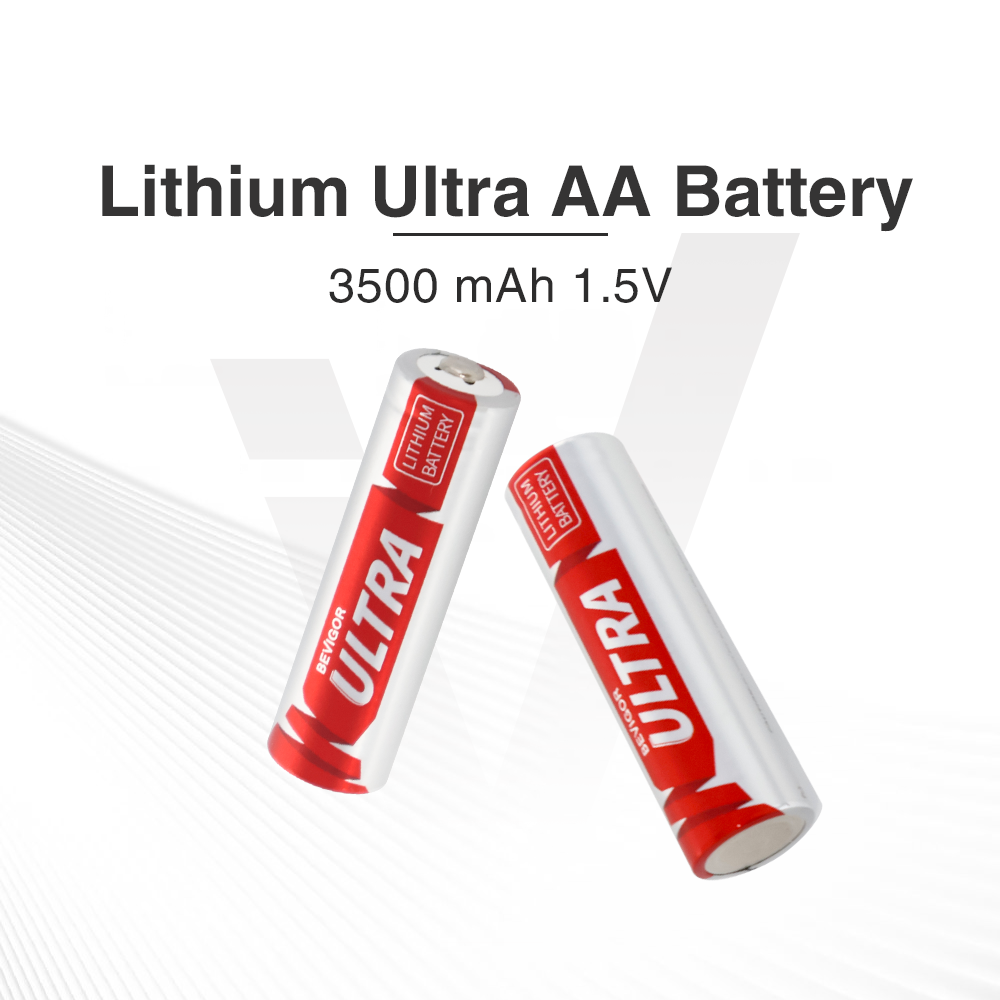
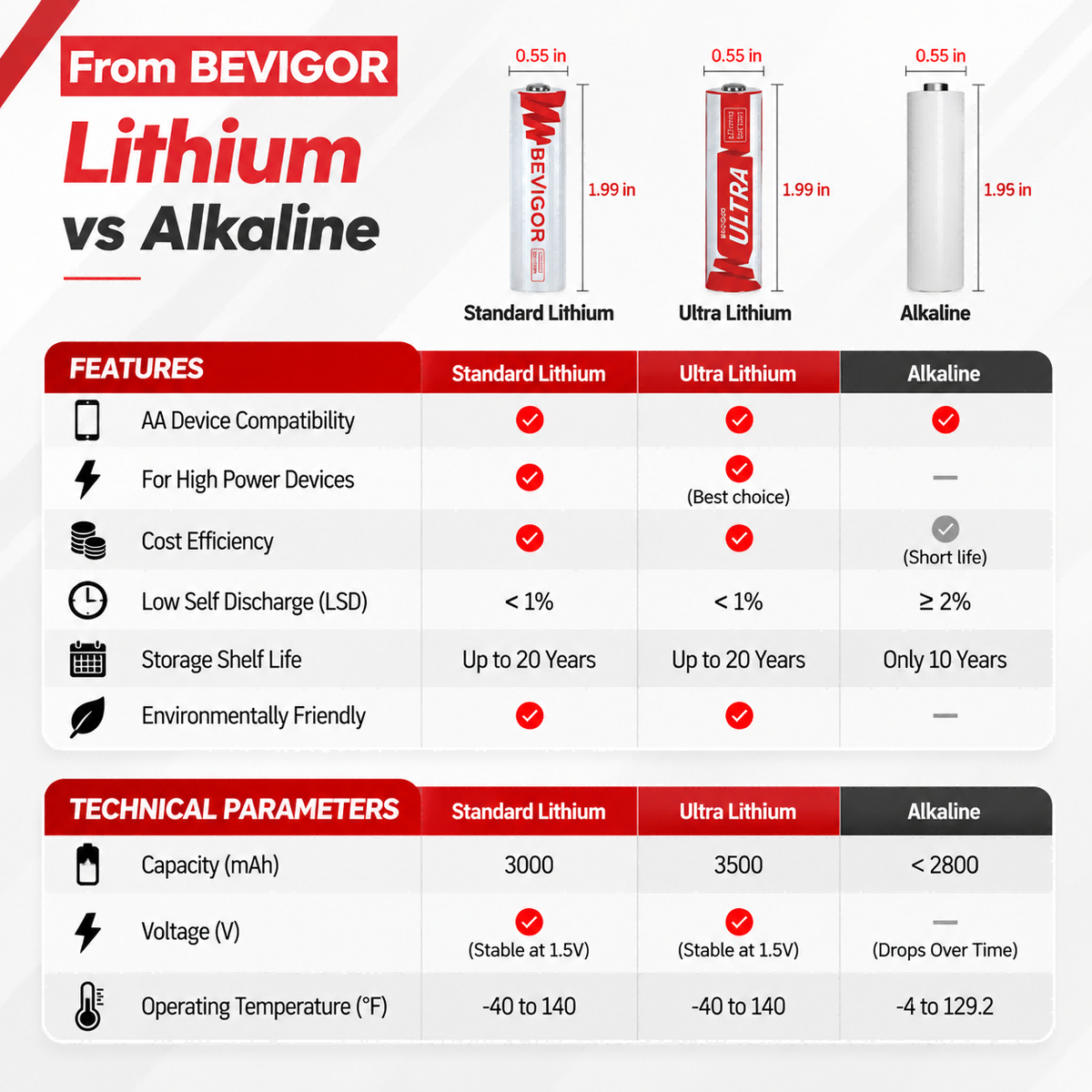
While NiMH is excellent, Bevigor also offers high performance Bevigor Lithium options. It is important to choose the right tool for the job. Bevigor Lithium batteries are ideal for extreme temperatures, whereas 1.2V NiMH Rechargeable Batteries are the champions of cost efficiency for daily indoor use.
When comparing 1.5v vs 1.2v batteries in the context of rechargeables, remember that Bevigor NiMH cells can be recharged up to 1,000 times. This effectively replaces 1,000 disposable alkaline batteries. By choosing Bevigor, you are not just getting a power source; you are investing in a sustainable energy solution that reduces heavy metal waste in landfills.
The Economic Value of 1.2V NiMH Rechargeable Batteries
If you find yourself buying a 24 pack of AA batteries every few months, your wallet is taking an unnecessary hit. While the initial cost of 1.2V NiMH Rechargeable Batteries and a compatible charger is higher, the long term savings are staggering.
Think about the math. A pack of 4 Bevigor NiMH batteries costs significantly less than 50 packs of alkalines. Since each NiMH cell can be reused hundreds of times, the cost per use drops to fractions of a cent. For households with children using AA powered toys or gamers using Xbox controllers, the return on investment is usually achieved within the first three months.

Performance of 1.2V NiMH Rechargeable Batteries in Extreme Cold
Standard alkaline batteries often fail in cold weather because their chemical reaction slows down, causing a massive voltage drop. 1.2V NiMH Rechargeable Batteries typically perform better in chilly conditions, though they still have limits.
For photographers shooting outdoors in winter or hikers using GPS units, NiMH provides a more reliable current. If you need even better cold weather performance, Bevigor recommends checking out our specialized Lithium line, but for 90% of standard household and outdoor activities, NiMH remains the most balanced choice.
Frequently Asked Questions About Battery Voltage
Can I mix 1.5V alkalines with 1.2V NiMH batteries in the same device?
No. You should never mix different chemistries, brands, or ages. Mixing 1.5v vs 1.2v batteries can cause the weaker battery to over discharge, leading to leaks or permanent damage to your device.
Do 1.2V NiMH Rechargeable Batteries lose charge when not in use?
Yes, this is called self discharge. However, Bevigor NiMH batteries use Low Self Discharge (LSD) technology, meaning they retain up to 80% of their capacity even after sitting in a drawer for a year.
Why does my battery charger say 1.4V for a 1.2V battery?
This is normal. To push energy into the cell, the charger must use a higher voltage. Once you remove the 1.2V NiMH Rechargeable Batteries from the charger, the voltage will settle to a stable 1.2V or 1.3V.
Are these batteries safe for high drain toys?
Absolutely. In fact, Bevigor AA and AAA NiMH batteries are preferred for toys because they can provide high current without the overheating issues common in low quality disposables.
Which is better for a smoke detector?
For safety devices like smoke detectors, Bevigor recommends using a high quality 9V or AA alkaline battery. These devices require a very long shelf life and a distinct voltage drop that triggers the chirp warning when the battery is low, a feature that NiMH batteries might not trigger effectively due to their flat discharge curve.
Important Usage Notes and Safety
To get the most out of your Bevigor power solutions, keep these professional tips in mind:
- Data Accuracy: All mAh capacities and cycle life counts are based on official Bevigor laboratory specifications. Actual performance may vary based on device power draw and environmental temperature.
- Avoid Deep Discharge: Try not to let your 1.2V NiMH Rechargeable Batteries drain to 0V. Recharging them when your device signals low will extend the overall lifespan of the cell.
- Storage: Store your AA and AAA batteries in a cool, dry place. Extreme heat can degrade the chemical structure and reduce capacity.
- Recycling: When your rechargeable batteries finally reach the end of their life, please dispose of them at a designated battery recycling center. Never throw NiMH batteries in the regular trash.
By understanding the science behind 1.5v vs 1.2v batteries, it becomes clear that lower voltage does not mean lower quality. With Bevigor, you get consistent, reliable, and environmentally friendly power that keeps your world running smoothly.






Share:
NiMH vs 1.5V Rechargeable Lithium Batteries: Which AA, AAA, C, D, 9V Battery is Better?
How to Prevent Battery Failure in Emergency and Backup Devices?