

NiMH vs 1.5V Rechargeable Lithium Batteries: Complete Comparison
Rechargeable batteries are an essential part of daily life. From TV remotes and wireless mice to toys, flashlights, and smoke detectors, batteries power countless devices. Among standard sizes—AA, AAA, C, D, and 9V, two primary rechargeable options are widely used: NiMH (Nickel-Metal Hydride) batteries and 1.5V rechargeable lithium batteries.
Many users wonder: “Which battery type is safer, longer-lasting, or better for my devices?” The answer depends on multiple factors: device type, current draw, safety concerns, and user habits. This guide compares NiMH and 1.5V rechargeable lithium batteries in detail, explaining both specifications and the practical reasons behind performance differences.

Understanding 1.5V Rechargeable Lithium Batteries and NiMH
1. 1.5V rechargeable lithium batteries are designed to match standard AA/AAA/C/D/9V sizes. Unlike high-voltage lithium-ion batteries (3.6–3.7V) used in smartphones or laptops, these maintain the same nominal voltage(1.5V) as standard alkaline batteries.
2. NiMH batteries have a nominal voltage of 1.2V. While many devices tolerate this difference, voltage-sensitive electronics may show reduced performance if replaced without consideration.
3. Both battery types are widely available and intended as replacements for standard alkaline batteries.
Voltage differences directly affect device performance, particularly in high-drain devices like flashlights, cameras, or motorized toys. Choosing a battery without understanding its voltage behavior can result in dim lights, slower motors, or premature low-battery warnings.
Chemistry and Technology Overview (AA/AAA/C/D/9V)
|
Feature |
NiMH |
1.5V Rechargeable Lithium |
|
Chemistry |
Nickel-Metal Hydride |
Lithium-based (1.5V) |
|
Nominal Voltage |
1.2V Gradual drop from 1.4V → 1.2V → 1.0V under load |
1.5V Relatively flat around 1.5V until near depletion |
|
Voltage Curve |
Gradual drop under load
|
Relatively flat until near depletion |
|
Sizes Available |
AA, AAA, C, D, 9V |
|
|
Weight |
Slightly heavier AA: ~28–30g |
Lighter AA: ~23–25g |
|
Safety |
Chemically stable, low thermal runaway risk |
Requires careful quality control; brand-dependent |
NiMH voltage gradually decreases during discharge, usually acceptable for most household devices. 1.5V rechargeable lithium maintains a nearly constant voltage until nearly depleted, benefiting devices that require steady power output. Weight differences matter in portable or handheld devices. Safety characteristics are crucial for households with children or multiple electronics, where overcharging or thermal risks are a concern.

Performance Comparison Across Sizes
1. Energy Density and Weight
· AA/AAA: 1.5V rechargeable lithium batteries are lighter and slightly higher in energy density than NiMH. However, outdoor enthusiasts or photographers often prefer disposable lithium iron AA batteries for longer runtime without recharging. NiMH remains advantageous for devices used daily and charged regularly.
· C/D: Lithium batteries reduce weight, ideal for emergency flashlights or portable equipment. NiMH provides more predictable high-current output.
· 9V: High-drain devices such as smoke alarms or wireless microphones benefit from the voltage stability of lithium, though NiMH provides a safe, reliable alternative.
Weight and energy density affect user experience. Hikers or photographers may choose disposable lithium iron AA batteries for extended outdoor use, while NiMH suffices for stationary devices at home, offering long-term stability and safety.
2. Cycle Life and Long-Term Use
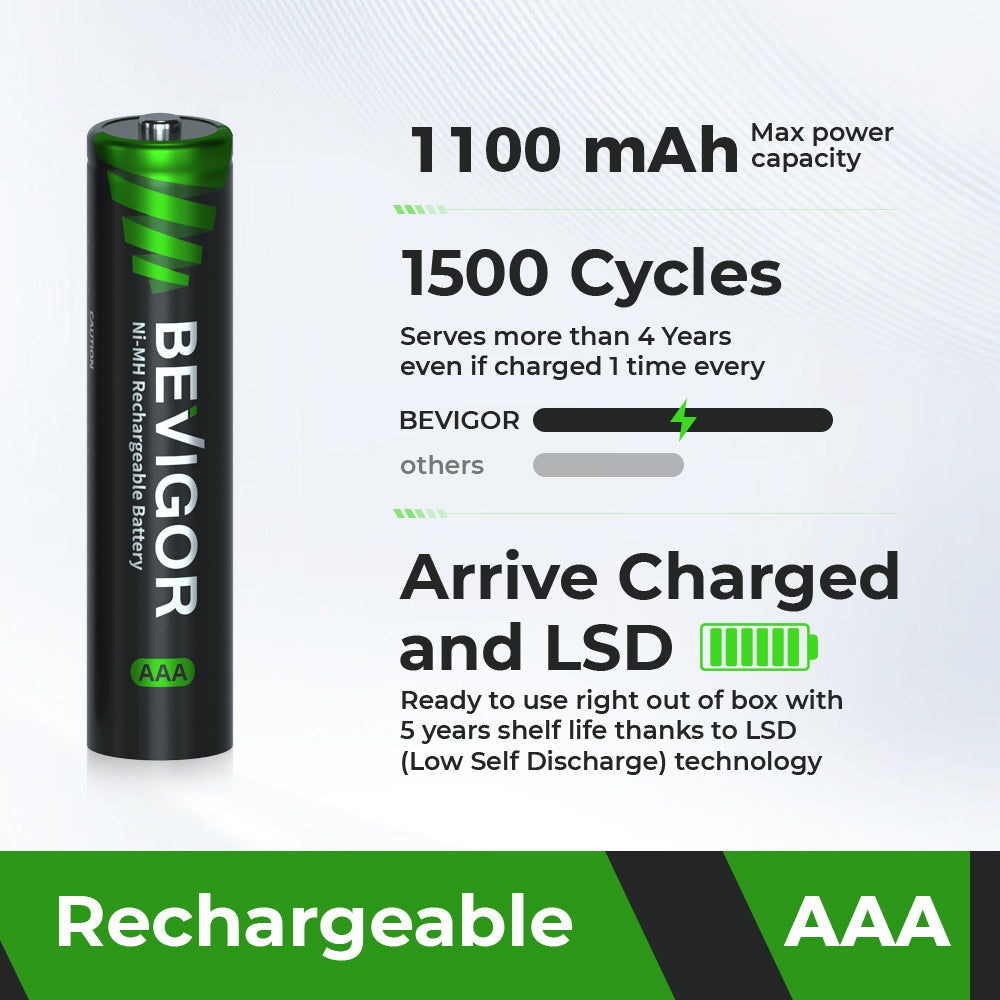
· NiMH batteries typically last 500–1000 cycles depending on brand and charging method.
· 1.5V rechargeable lithium batteries vary in lifespan, with many lasting 300–500 cycles.
Cycle life matters for frequently used devices, such as wireless mice, gaming controllers, or smoke detectors. Batteries with longer cycles reduce replacement frequency and overall cost, making NiMH ideal for everyday high-cycle use.
3. Self-Discharge and Storage
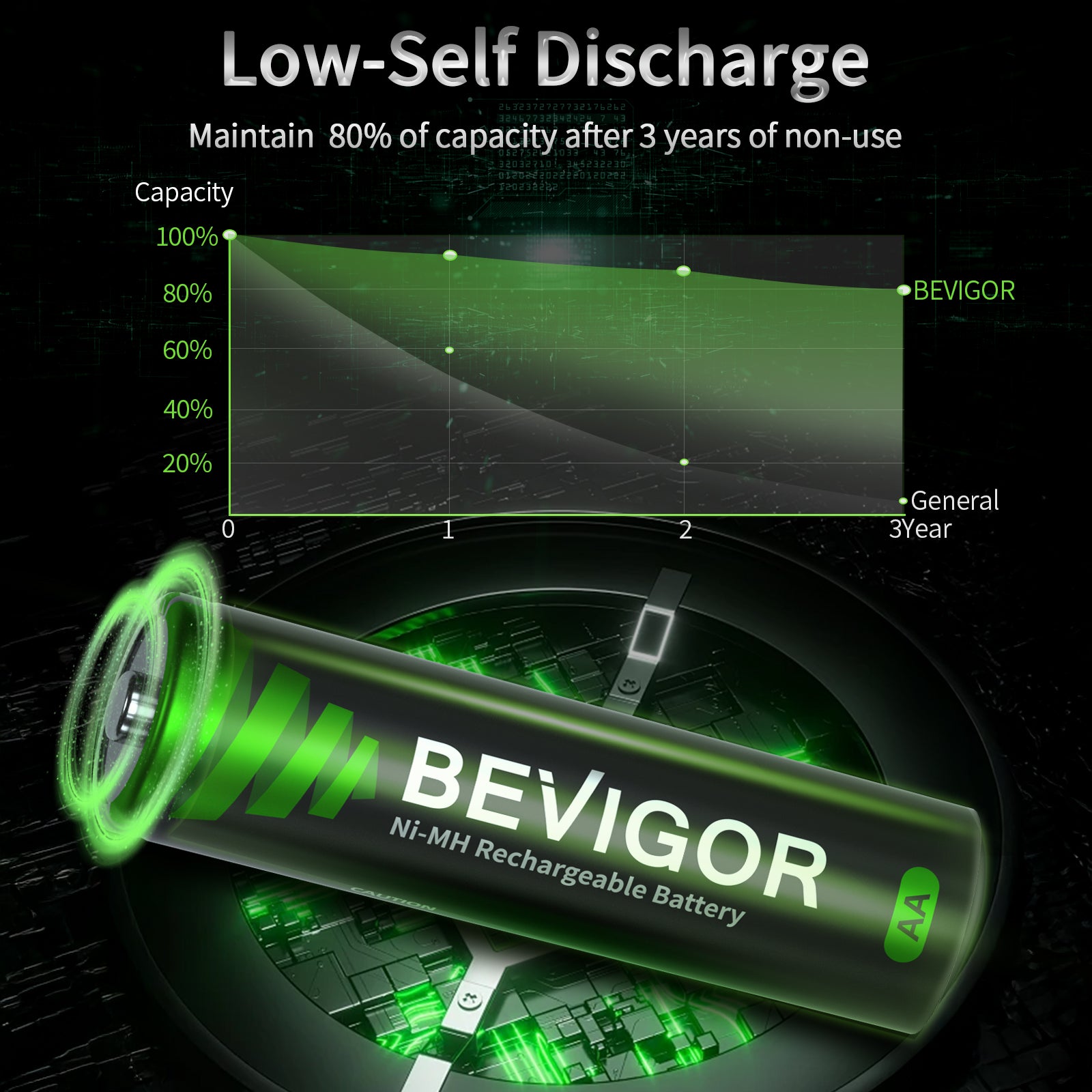
· Low Self-Discharge (LSD) NiMH retain 70–85% of charge after one year.
· 1.5V rechargeable lithium maintains near-full voltage over months, though unverified brands may self-discharge faster.
Predictable storage behavior is critical for backup devices, emergency lighting, and infrequently used electronics. Users can rely on NiMH batteries to remain functional even after extended periods without charging.
Device Compatibility
NiMH batteries are slightly larger or thicker than standard AA/AAA due to higher active material content in high-capacity versions. This minor size increase rarely affects device compatibility, but very compact battery compartments may require careful installation. Community discussions highlight this nuance: NiMH battery size issue.
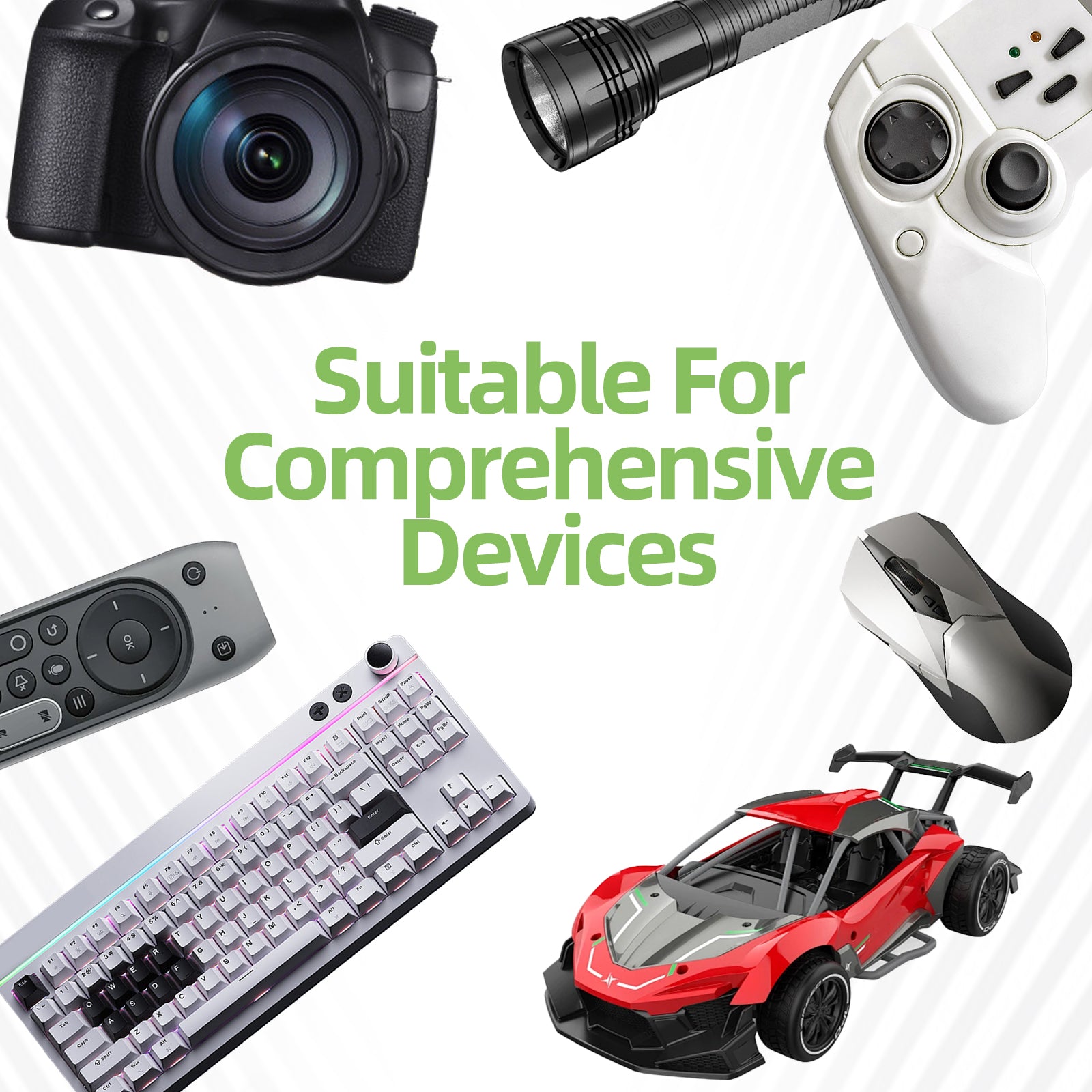
Voltage differences are also important: NiMH 1.2V vs lithium 1.5V can affect sensitive electronics. High-current devices, such as motorized toys or LED flashlights, require stable voltage and sufficient current delivery. NiMH remains compatible with most household devices, whereas 1.5V lithium batteries demand attention to device voltage tolerance.
Safety and Reliability
Safety is a primary consideration when choosing batteries, especially for household, children’s, or high-drain devices.
1. NiMH Batteries: Stable and Reliable
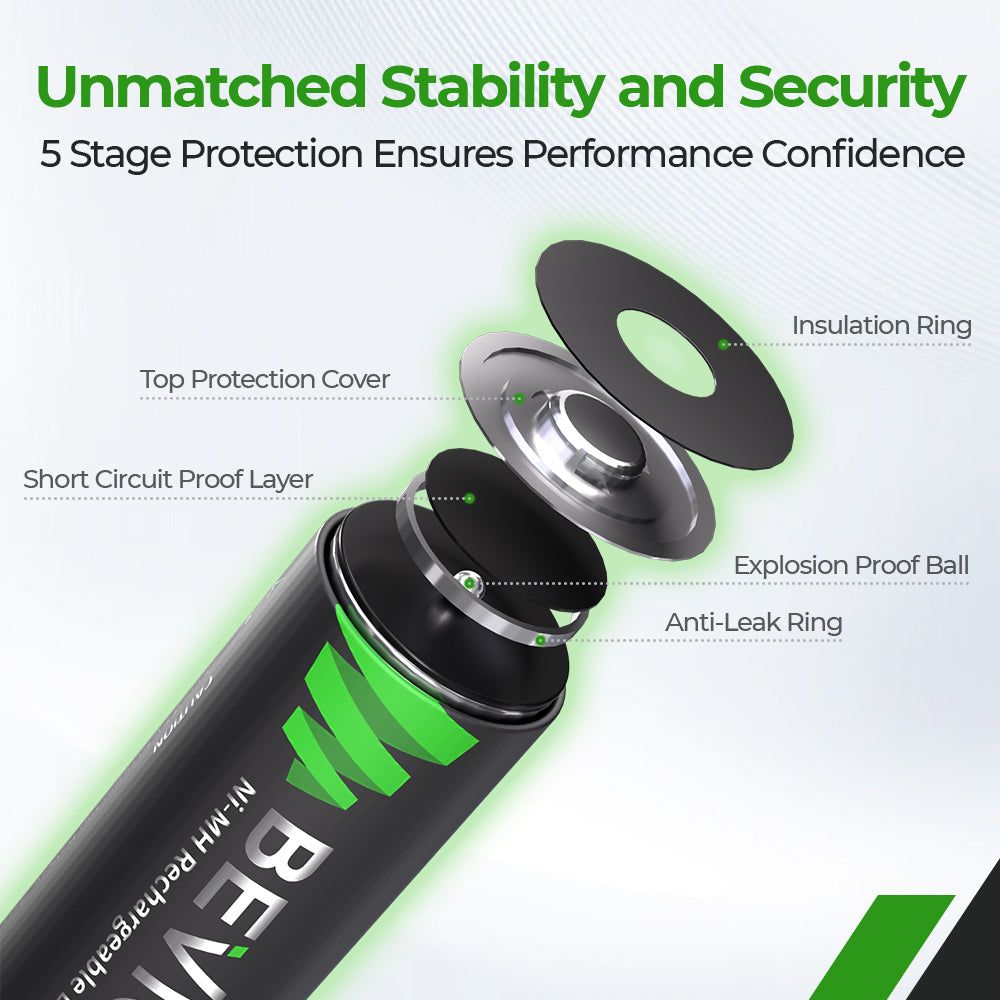
● Stable chemistry: NiMH uses Nickel-Metal Hydride with a water-based alkaline electrolyte (KOH), which makes it chemically stable.
● Safe electrode structure: The positive electrode (nickel hydroxide) and negative hydrogen-absorbing alloy allow safe absorption and release of hydrogen.
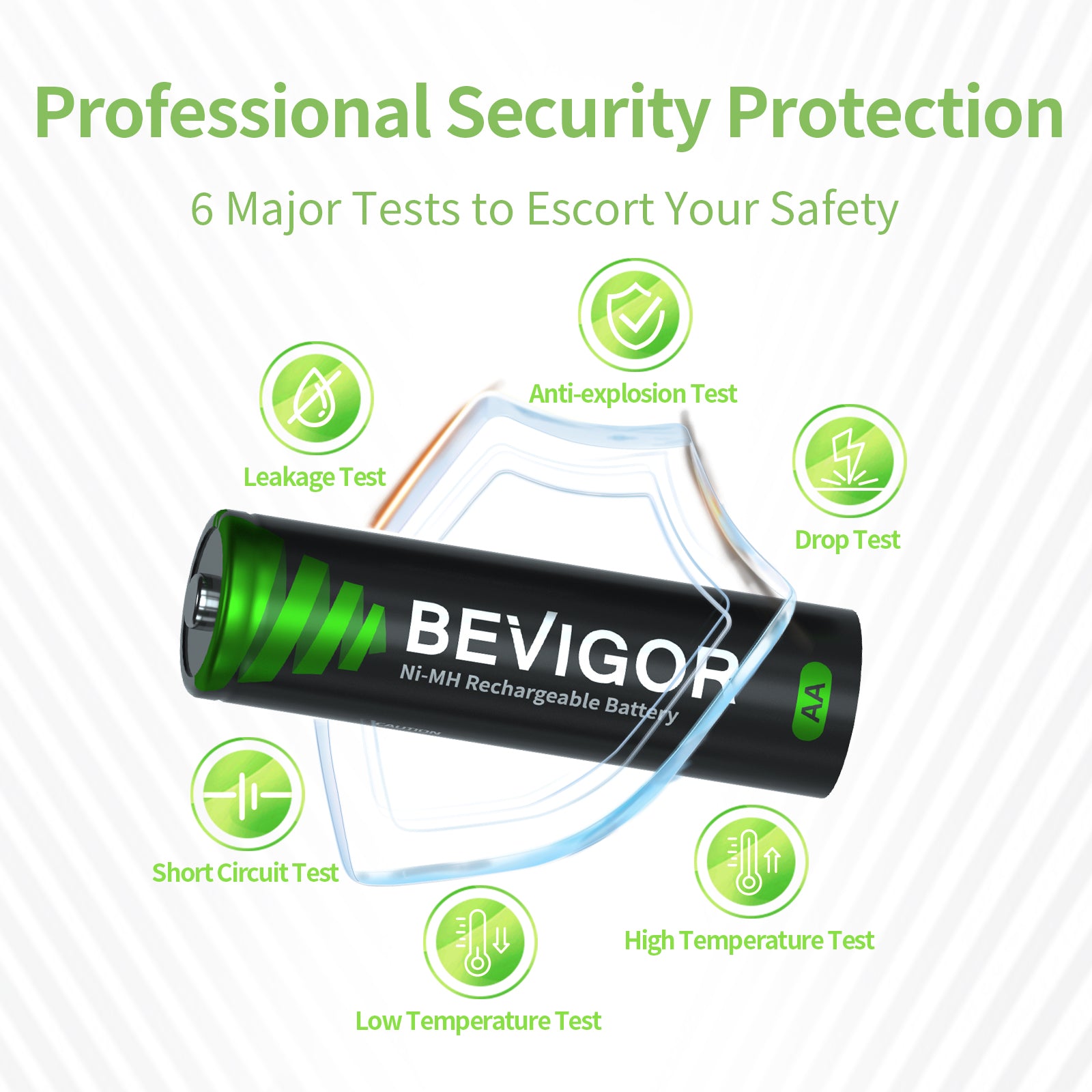
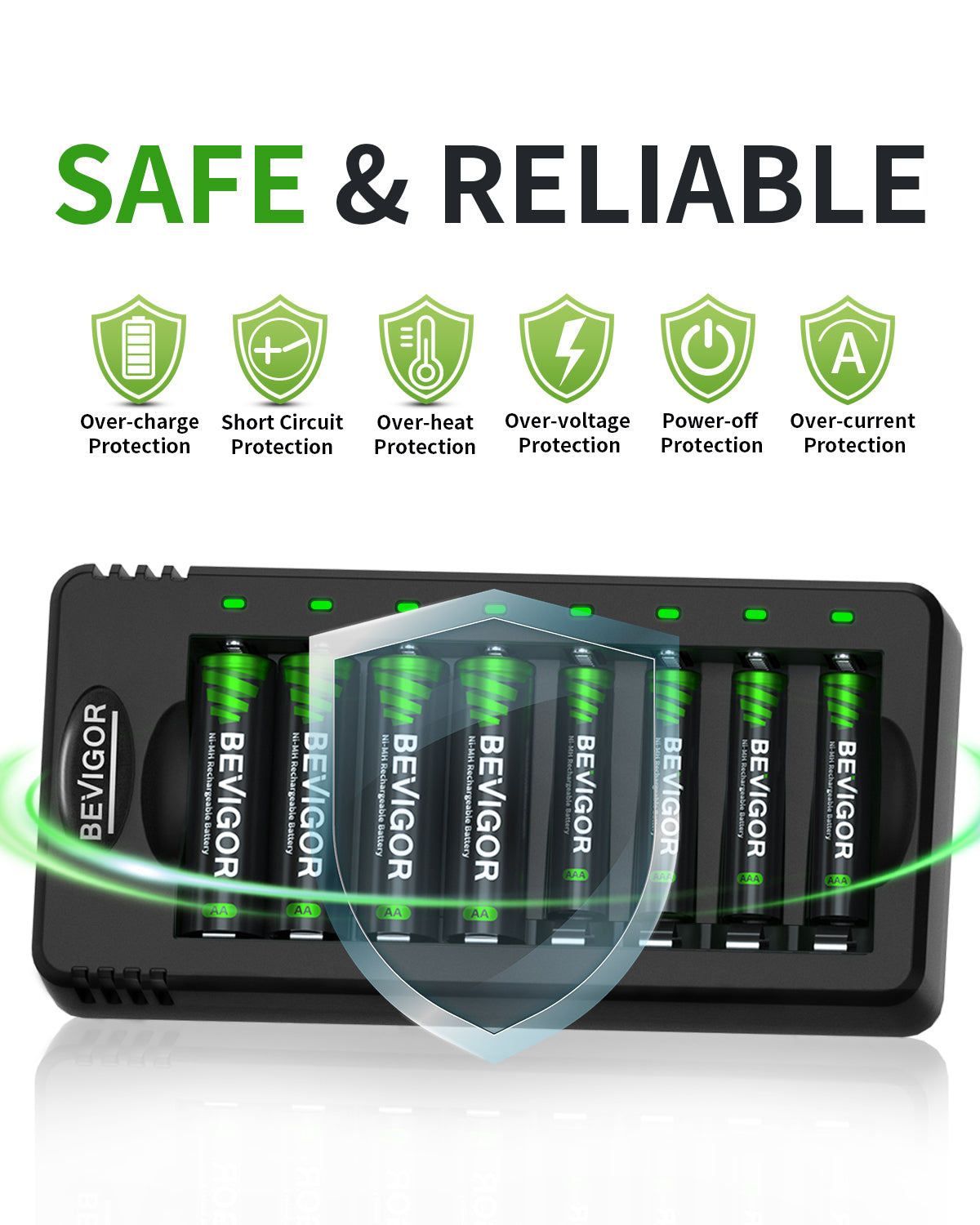
● Thermal tolerance: Even in overcharge, short-circuit, or high-temperature conditions, NiMH rarely leaks, overheats, or experiences thermal runaway.
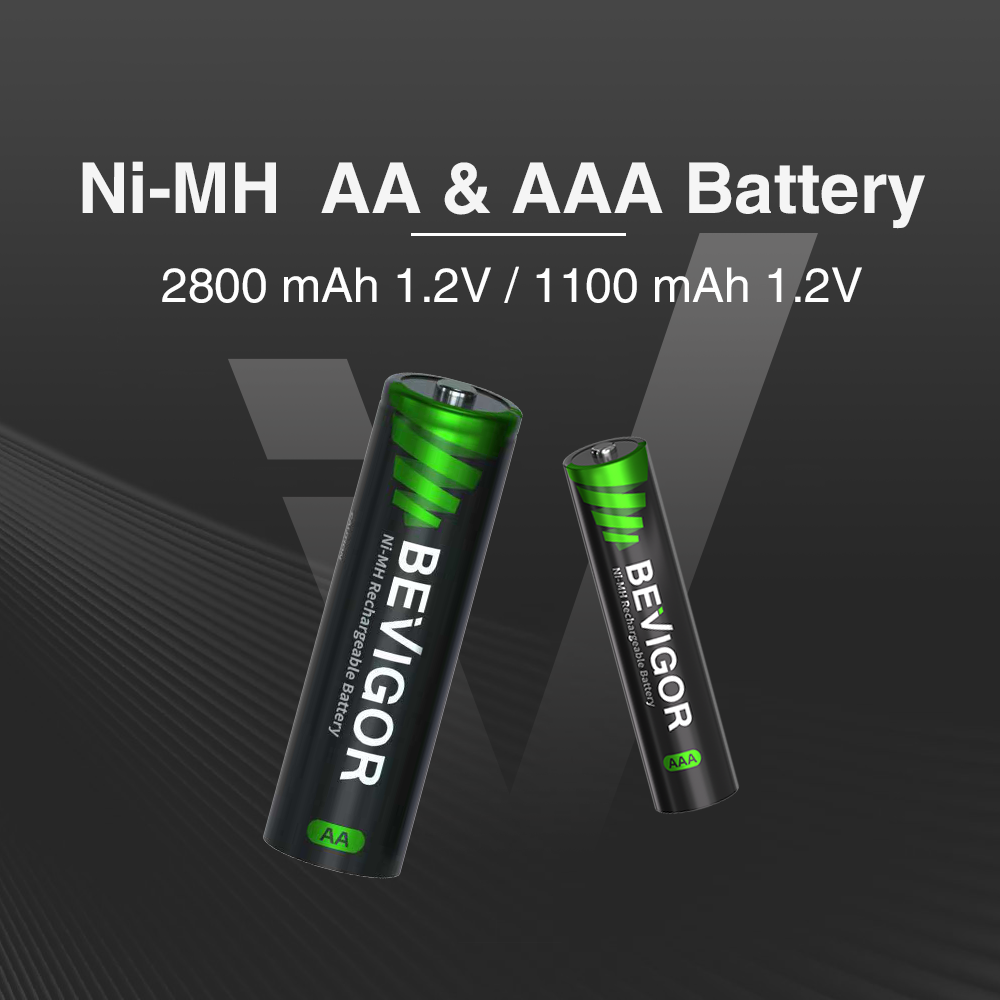
● High-capacity safety: AA/AAA 2800–3000mAh versions are slightly larger but do not compromise safety.
● User feedback: Many report NiMH batteries as “reliable and worry-free,” especially for devices left in use for extended periods.
2. 1.5V Rechargeable Lithium Batteries: Advantages and Cautions
● Advantages: Stable voltage, lighter weight, relatively flat discharge curve.
● User-reported concerns:
l Rapid self-discharge in low-drain devices (reddit.com)
l Quality inconsistencies with unverified brands (reddit.com)
l Heating concerns due to internal DC-DC converters (budgetlightforum.com)
● Official recalls: For example, DR Power lithium-ion battery packs (CPSC) highlight the importance of verified, quality-controlled products.
Summary Comparison
● NiMH: High chemical stability, low risk of leakage or fire, tolerant to overcharge/short-circuit → ideal for family, household, frequent-use devices.
● 1.5V rechargeable lithium: Lightweight, flat voltage, suitable for high-drain, portable, or outdoor applications, but requires careful brand selection and proper charging practices.
Cost and Long-Term Value
Consider a household using 10 AA batteries in high-drain devices over a year:
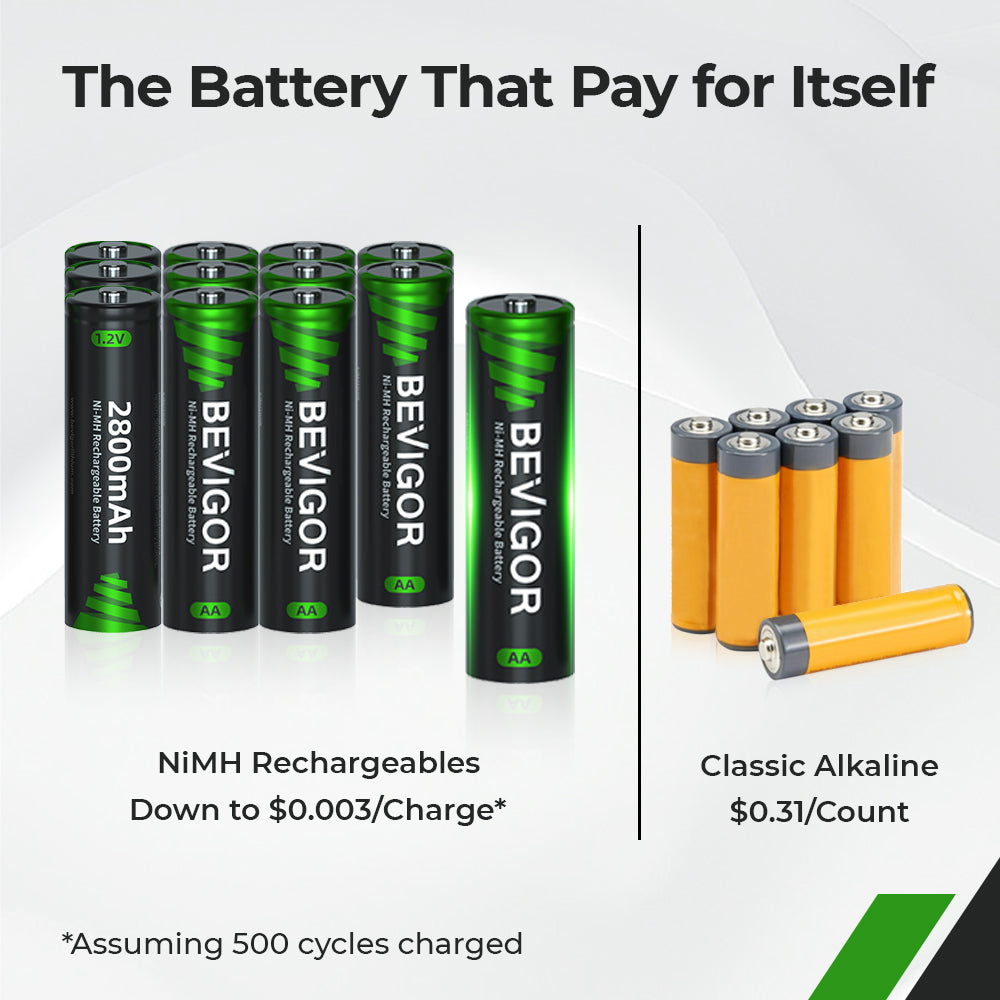
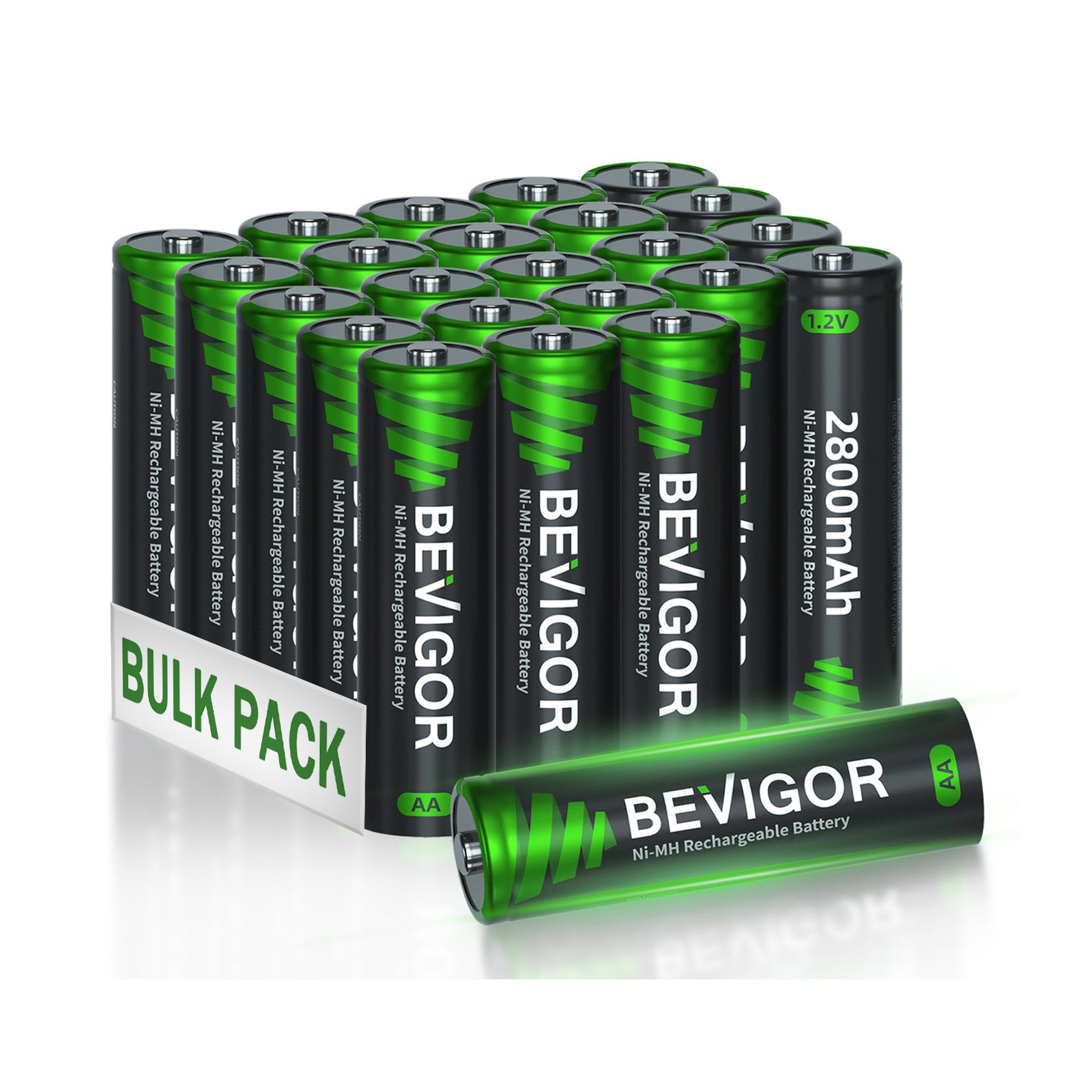
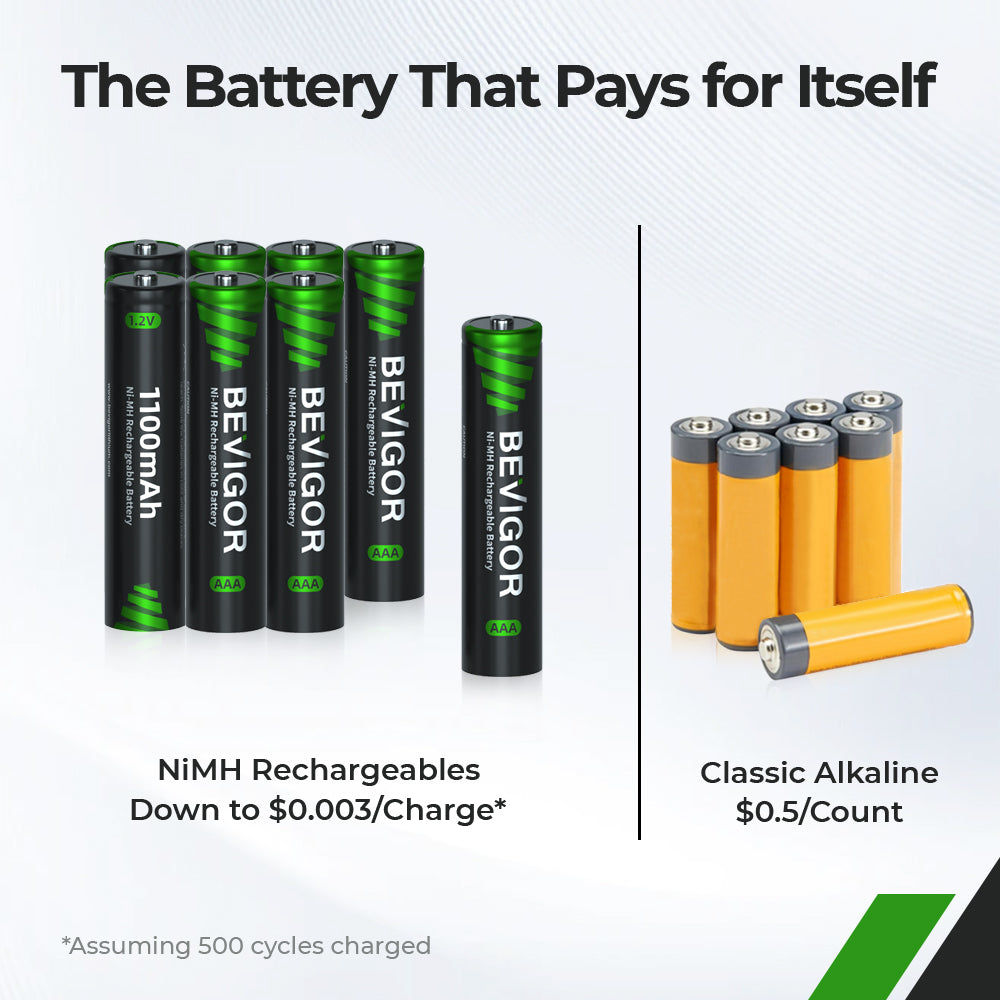
l NiMH (Bevigor): 24 batteries for $25.69 → ~$1.07 per AA × 10 = $10.70 initial cost. Assuming 800 charge cycles per battery, the total effective cost remains very low, and the batteries continue performing safely over time.
l 1.5V rechargeable lithium (other brand): 8 batteries for $17.99 → ~$2.25 per AA × 10 = $22.50 initial cost. With roughly 150 recharge cycles per battery, the total cost could reach $33.75 for similar usage.
NiMH batteries not only provide longer-lasting and stable performance in most household devices but also offer a better total cost of ownership, especially for devices that are charged frequently or used daily.
User Feedback and Market Trends
Reddit, battery forums, and Amazon reviews provide insights into real-world experiences:
· NiMH: Users frequently report reliability in toys, remotes, and office equipment. Many praise its tolerance to high current and safe charging profile.
· 1.5V lithium: Preferred for portable, weight-sensitive applications such as cameras and emergency lighting. Users appreciate the flat voltage curve but caution about unverified brands and charging practices.
Market trends show growing interest in lithium batteries due to low self-discharge and weight advantage, yet NiMH remains dominant in household devices because of cost-effectiveness, proven safety, and compatibility.
Buying Guide: How to Choose
AA/AAA Batteries - NiMH: Ideal for everyday electronics, gaming controllers, and toys. - 1.5V lithium: Useful for devices requiring stable voltage or low self-discharge.
C/D Batteries - NiMH: Reliable for home lighting, portable fans, and toys. - Lithium: Preferred for emergency flashlights or camping gear where weight matters.
9V Batteries - NiMH: Suitable for smoke detectors, wireless microphones, and carbon monoxide alarms. - Lithium: Offers stable voltage under high drain, but ensure proper brand and certification.
Practical Tips:
- Verify brand and certifications.
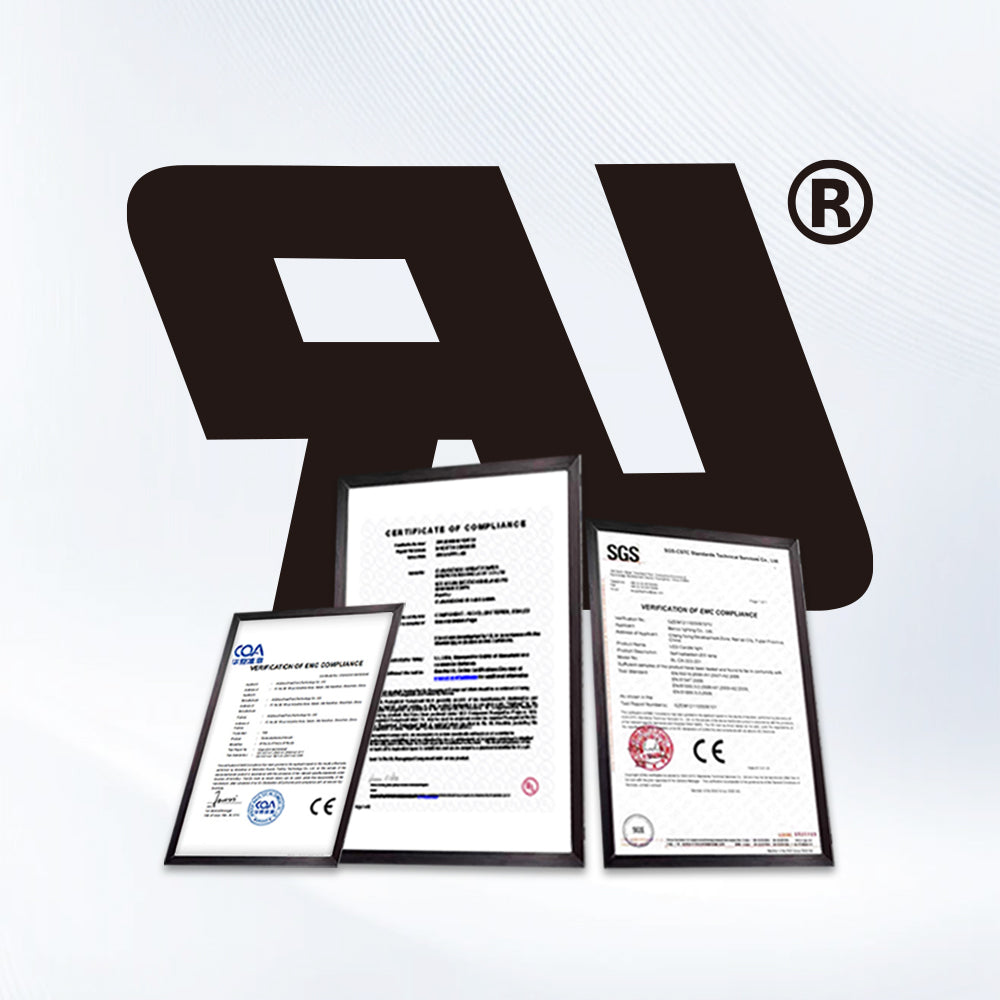
Always choose batteries from reputable brands and check for official certifications (UL, CE, RoHS, etc.). Certified batteries are tested for safety, performance, and quality, reducing risks such as leakage, overheating, or rapid self-discharge. This is especially important for 1.5V rechargeable lithium batteries, where brand reliability directly affects safety.
- Use compatible chargers.
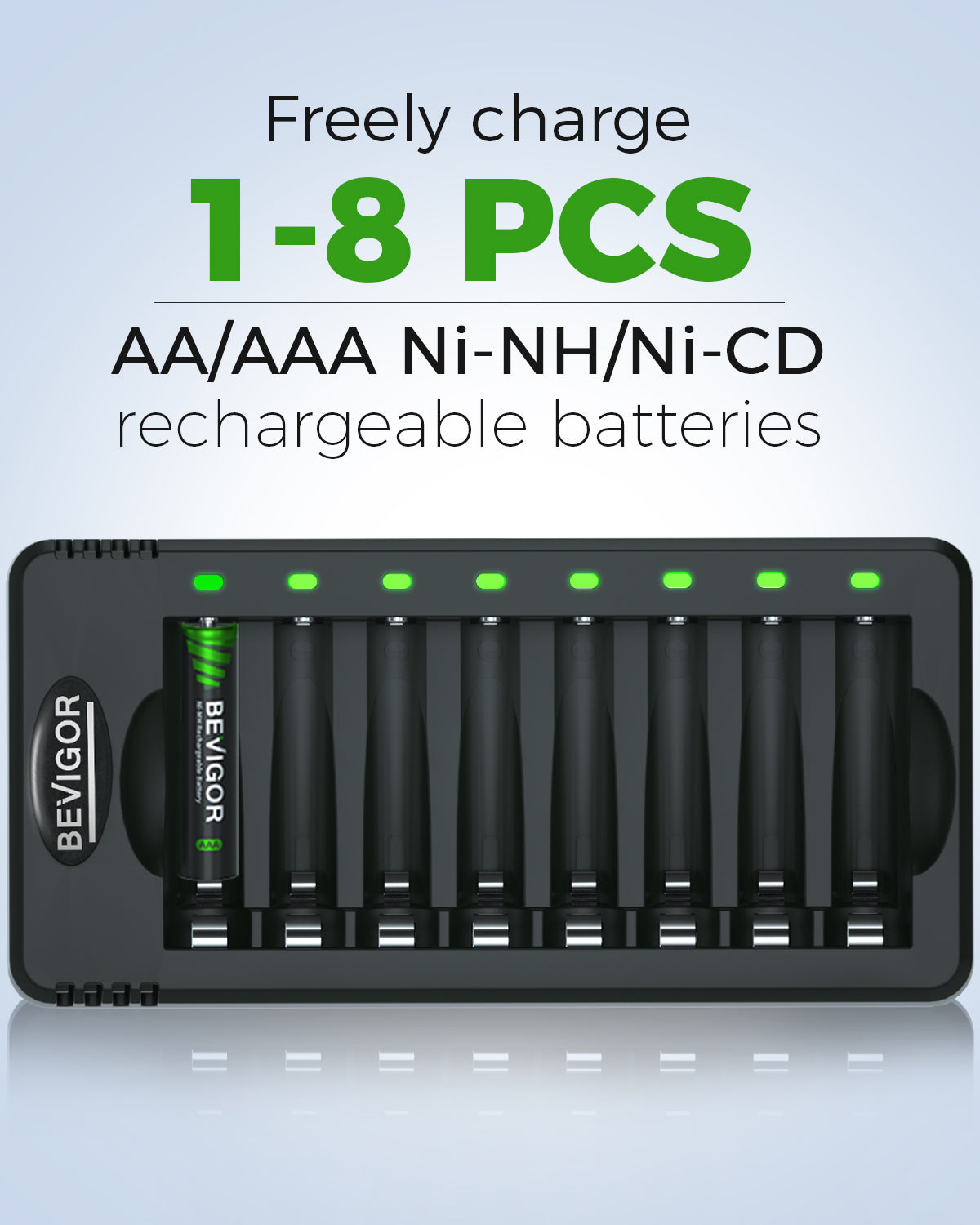
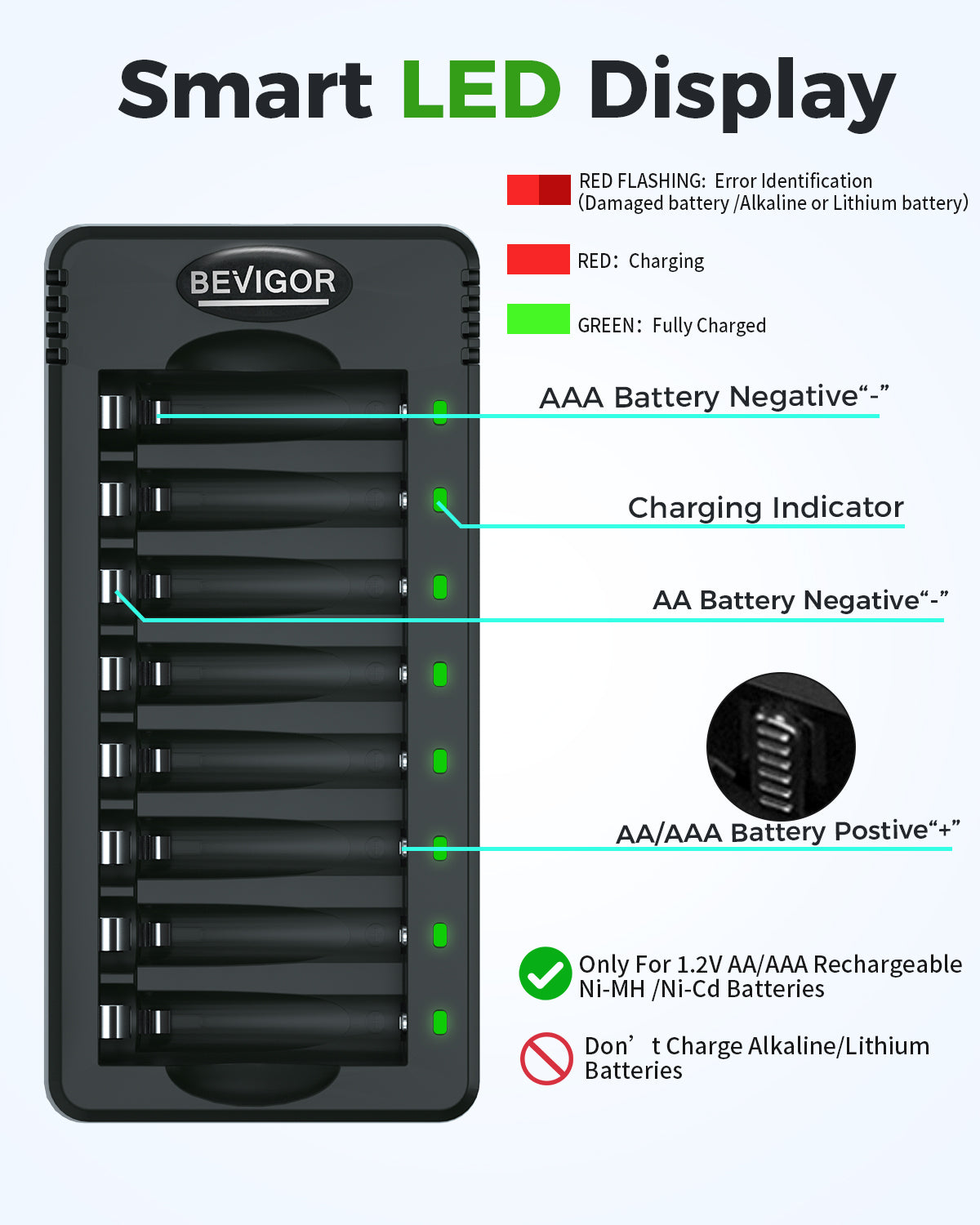
Both NiMH and 1.5V rechargeable lithium batteries require their respective, dedicated chargers.
NiMH chargers are designed for the lower voltage (1.2V per cell) and specific charging curve of NiMH chemistry.
Lithium chargers handle higher voltage and protection circuitry required for lithium cells.
Important: Using the wrong charger can damage the battery, reduce cycle life, or even create safety risks such as overheating or leakage. Always clearly distinguish between NiMH and lithium batteries before charging, and never mix them in the same charger.
Tip: Label your chargers or batteries if you keep both types at home. This simple step ensures safe, reliable, and long-lasting battery performance.
-Avoid mixing battery types in one device.
Mixing different battery chemistries (NiMH with lithium, or old and new cells) in the same device can cause uneven voltage distribution, reduce performance, or even leakage or device malfunction. For optimal performance, use batteries of the same chemistry, brand, and charge level in each device.
-For backup or infrequently used devices, consider NiMH LSD types.
NiMH Low Self-Discharge (LSD) batteries retain most of their charge over months, making them ideal for remote controls, flashlights, smoke detectors, and emergency kits. They combine the rechargeability of NiMH with long-term storage reliability, providing peace of mind for devices that aren’t used daily.
FAQ
1. Can NiMH replace 1.5V rechargeable lithium batteries?
A: NiMH cannot fully replace lithium in every scenario. However, for most AA/AAA/C/D/9V devices, NiMH provides stable compatibility, reliable voltage, and higher safety, making it a practical choice for everyday use.
2. Why don’t more devices switch to AA lithium-ion cells?
A: Voltage compatibility issues (1.2V NiMH vs 1.5V lithium) may affect sensitive electronics. Lithium requires proper protection and verified brands for safe operation. Most devices are designed around NiMH or alkaline batteries.
Why Choose Bevigor NiMH Batteries
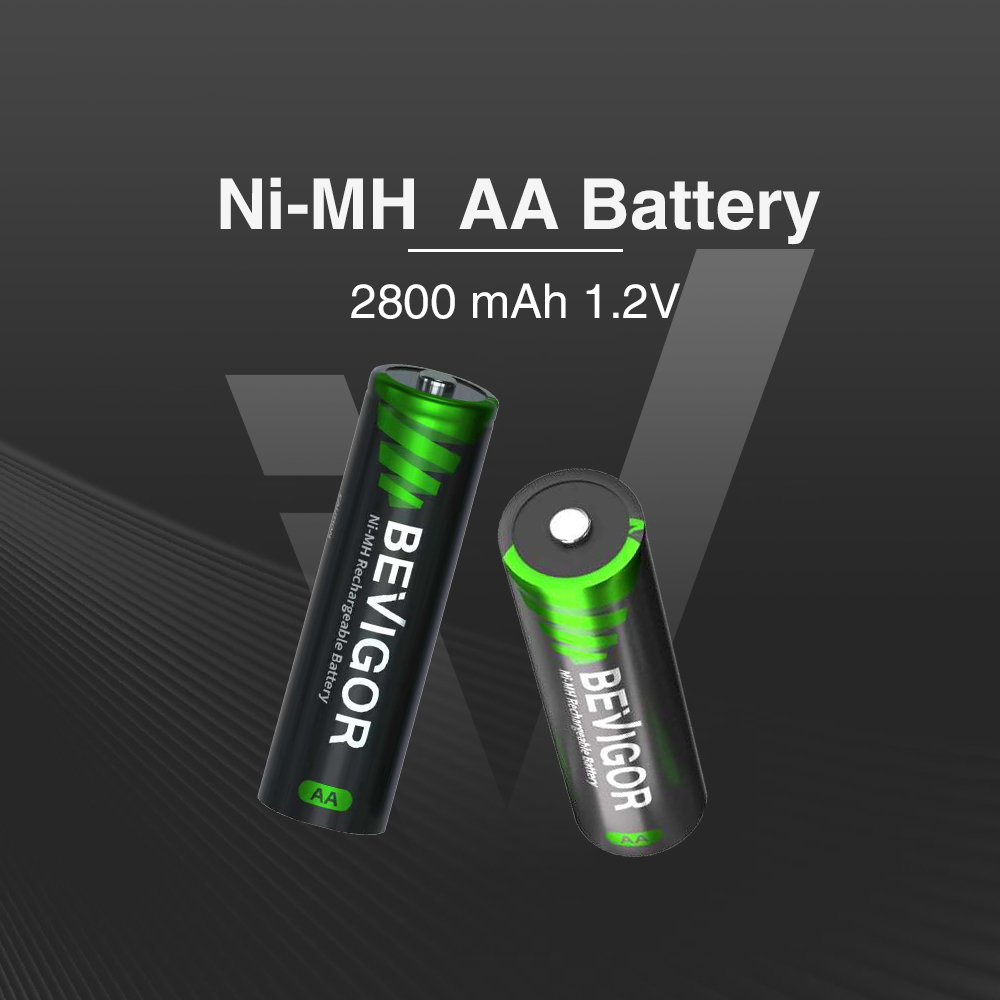
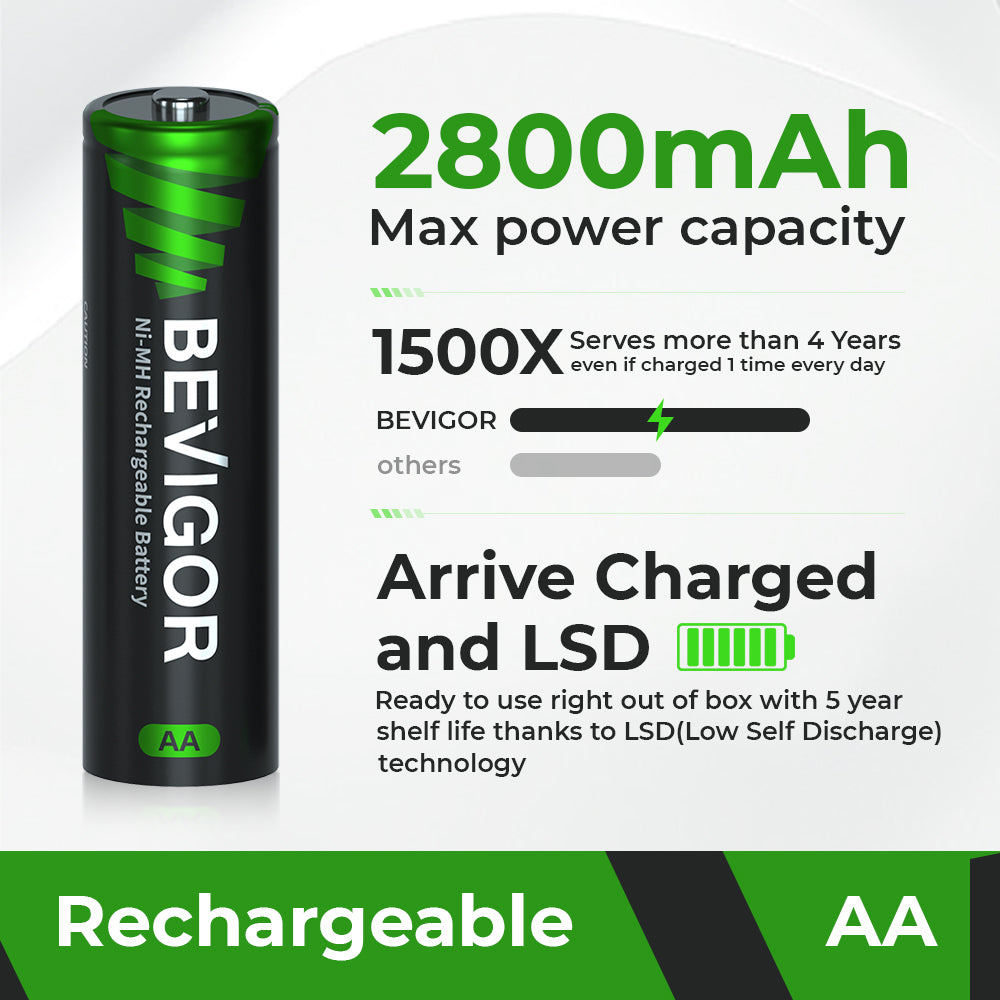
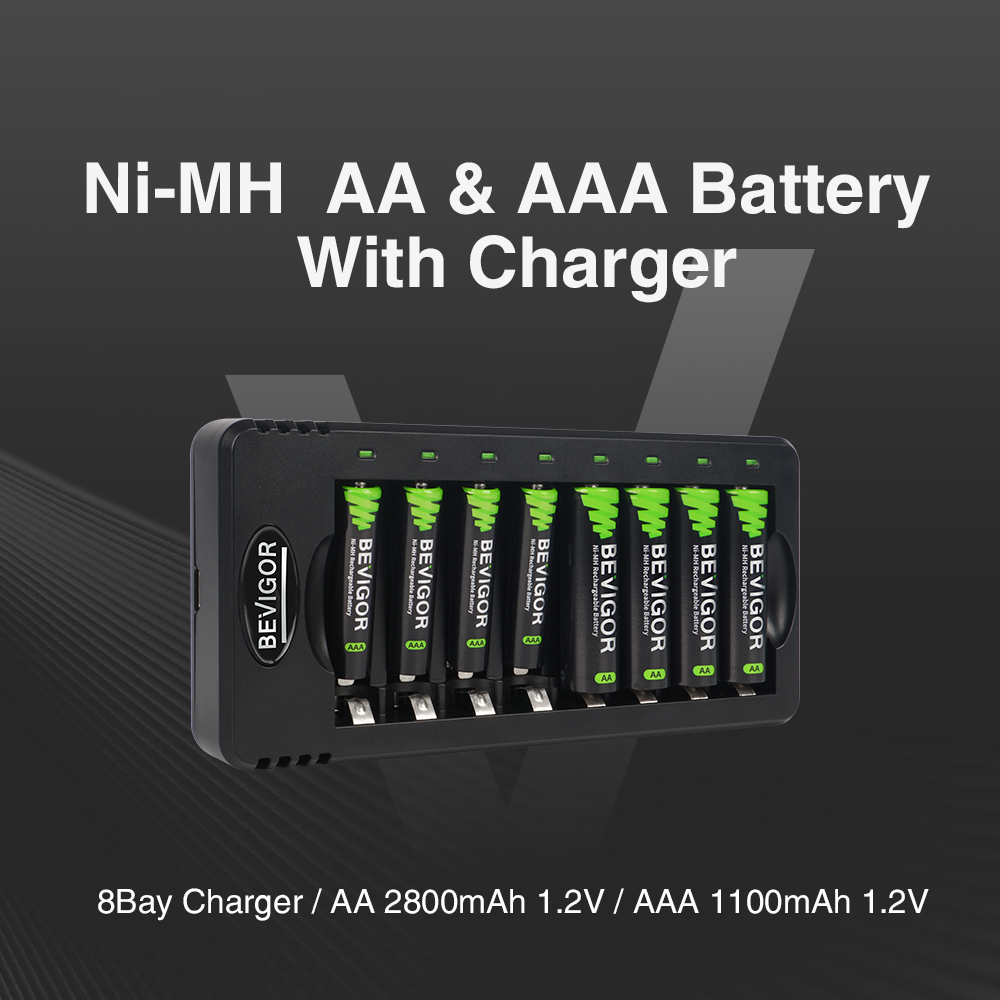
At Bevigor, our NiMH AA, AAA, C, D, and 9V batteries are designed with safety, reliability, and long-term performance in mind. Each battery undergoes strict quality control to ensure consistent voltage, minimal leakage, and extended cycle life. Whether you’re powering everyday household devices, toys, or high-drain electronics, Bevigor NiMH batteries deliver predictable energy, excellent rechargeability, and peace of mind for your family and devices.
With Bevigor, you get all the proven advantages of NiMH technology—safe chemistry, long-lasting performance, and cost-effective cycles—backed by a brand trusted by users worldwide. Choosing Bevigor means choosing batteries that work reliably every time, for every device.
Final Thoughts
No single battery type universally “wins.” The choice depends on device type, current draw, and usage patterns. For AA/AAA/C/D/9V devices, NiMH provides safe, reliable, and cost-effective performance, while 1.5V lithium batteries excel in specific scenarios requiring low self-discharge, light weight, or stable voltage. Incorporating community feedback, safety considerations, and cost analysis ensures an informed decision.
Share:
Why Are NiMH Rechargeable D Batteries the Best Choice for High-Drain Gear?
Why Do 1.2V NiMH Rechargeable Batteries Power Devices as Well as 1.5V?