

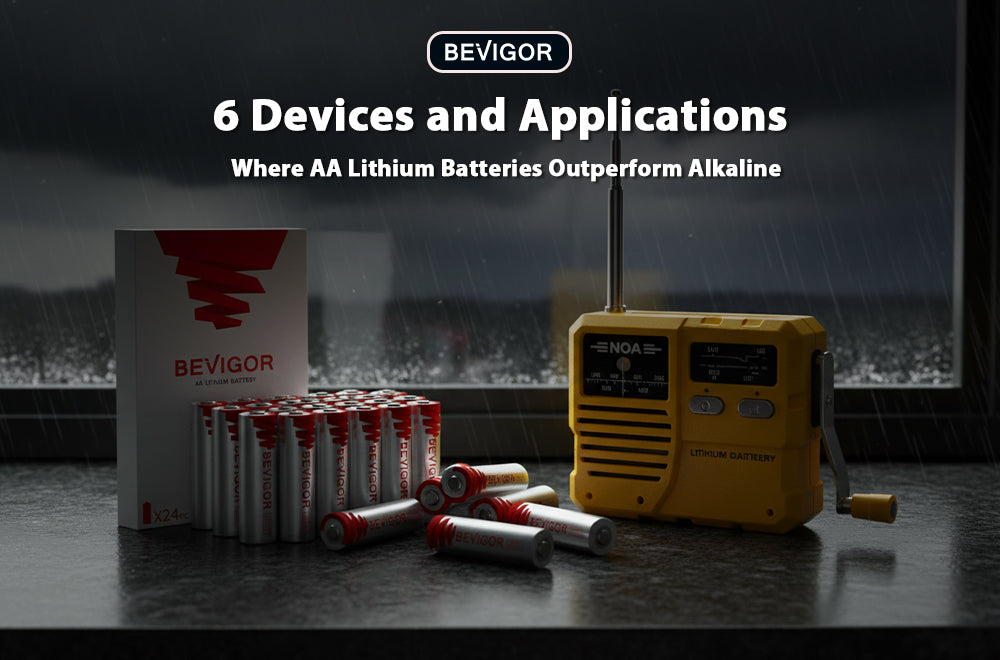
Choosing the right AA battery can mean the difference between reliable performance and frustrating failures in critical devices. This article examines six specific applications where lithium AA batteries deliver measurable advantages over alkaline alternatives, backed by expert analysis and real-world testing data. Readers will find clear recommendations for thermostats, microphones, weather radios, presentation clickers, outdoor cameras, and pulse oximeters.
-
Safeguard Pulse Oximeter Accuracy under Load
-
Equip Microphones with Extended-Life AA
-
Prioritize Heat-Tolerant Energy for Thermostats
-
Trust Season-Ready Supply in Weather Radios
-
Ensure Clicker Range Throughout Meetings
-
Energize Outdoor Cameras in Winter Cold

Safeguard Pulse Oximeter Accuracy under Load
I can speak to this from a pretty specific angle because we deal with battery-powered medical devices every day at MacPherson's Medical Supply in the Rio Grande Valley.
The device where AA lithium batteries absolutely destroyed alkalines for us was portable digital pulse oximeters — the clip-on finger sensors that measure blood oxygen levels. These are one of our most commonly dispensed items for home health patients, and we've been through a phase where we were trying to figure out why some patients reported their readings seemed inconsistent.
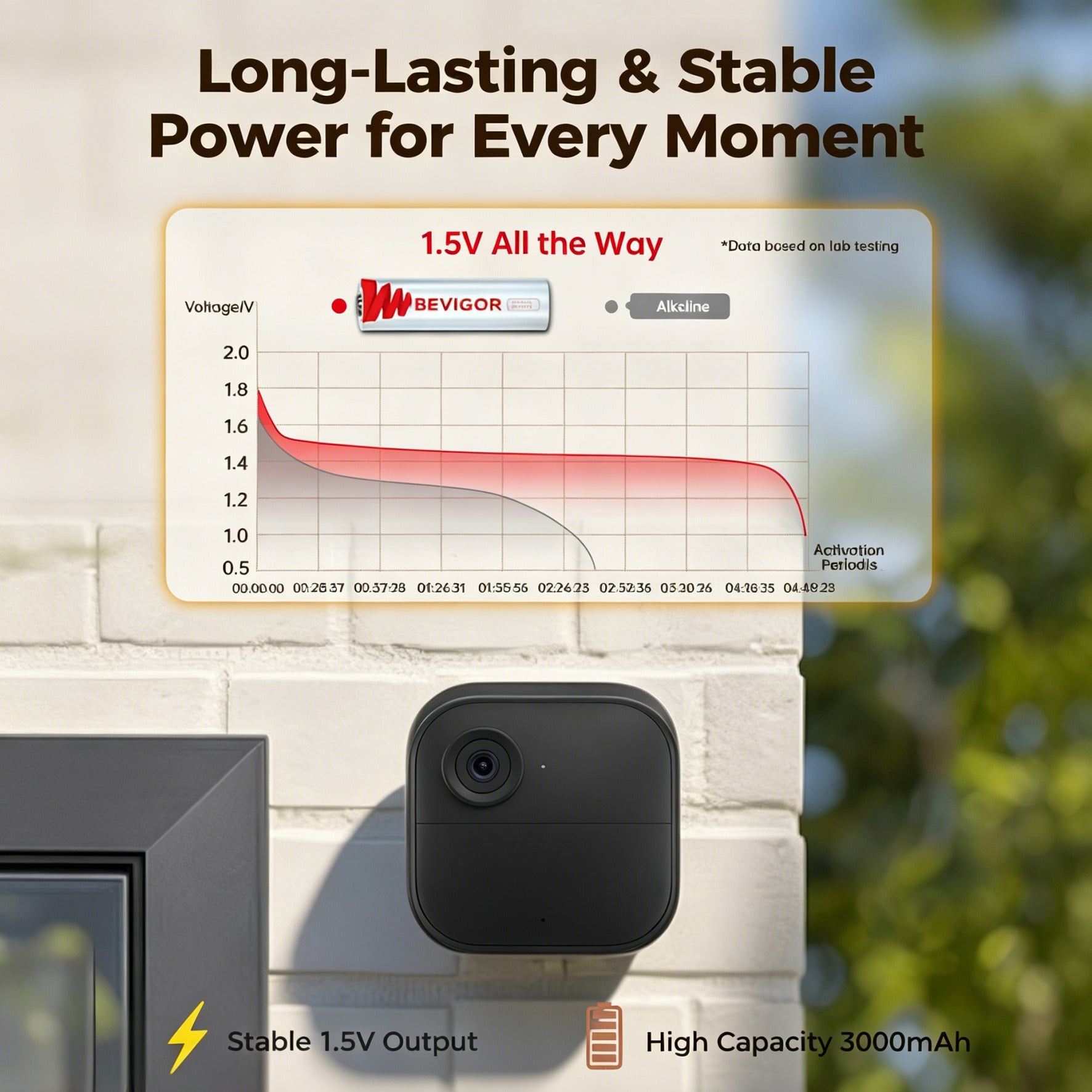
What we found was that alkaline batteries had a voltage curve that dropped off much faster under the continuous draw of a pulse oximeter's LED sensor. A fresh alkaline might start at 1.5V, but within a few hours of continuous monitoring, it could drop below 1.2V, which is where the oximeter's sensor starts getting finicky. The readings would drift, maybe showing 96% when the patient was actually at 98%. For most healthy people, that's a minor inconvenience. But for patients on supplemental oxygen therapy, those readings determine whether they need to increase their flow rate.
We switched to Ultimate Lithium AAs, and the difference was immediate and measurable. Lithium batteries maintain a much flatter voltage curve, they stay closer to 1.5V for a much longer portion of their life. Our return rate on "inaccurate" pulse oximeters dropped by about 40% within the first quarter of making the switch.
The trade-off, of course, is cost. Lithium AAs cost roughly three to four times more than alkalines. We absorb that cost for clinical devices where accuracy matters, but for less critical equipment like our warehouse barcode scanners or the TV remotes in our waiting room, alkalines are still perfectly fine. It's about matching the battery chemistry to the application's tolerance for voltage variance.
Rina Gutierrez, Marketing Coordinator, MacPherson's Medical Suppy
Equip Microphones with Extended-Life AA
I'll be honest, I didn't think much about battery types until our church started doing outreach events where we'd set up portable sound systems in parks around Harlingen. We were going through alkaline AA batteries in our wireless microphones like crazy, sometimes swapping them out halfway through a single service. Someone on our tech team suggested we try lithium AAs instead, and the difference was pretty surprising.
With alkaline batteries, we'd get maybe two to three hours of solid use from a microphone before the signal started cutting out. We switched to lithium AAs and suddenly we were getting six to seven hours consistently. That meant no more mid-service battery swaps, which might not sound like a big deal until you've tried to quietly change batteries in a microphone while a speaker is mid-sentence.
The other thing I noticed is that lithium batteries hold their charge much better in storage. We keep a bin of spare batteries in our supply closet, which isn't climate-controlled, and the lithium ones that have been sitting there for months still perform like new. The alkaline ones we had leftover would sometimes be dead right out of the package.
My recommendation would be simple: if you're using batteries in something that drains them quickly or something where reliability really matters, like microphones, flashlights you actually depend on, or smoke detectors, go with lithium. The upfront cost is higher, but you'll make it back in how long they last. For low-drain stuff like TV remotes, alkaline is fine. We don't buy lithium for every application, just the ones where we've been burned by dead batteries at the wrong time.
Ysabel Florendo, Marketing coordinator, Harlingen Church
Prioritize Heat-Tolerant Energy for Thermostats
Managing dozens of rental properties across the Rio Grande Valley through Santa Cruz Properties means I deal with battery-powered devices constantly. Smoke detectors, thermostats, smart locks, and security cameras are scattered across our portfolio, and I can tell you from direct experience that AA lithium batteries outperform alkaline in smart home thermostats by a wide margin.
We switched all our rental property thermostats to lithium AAs two years ago and the measurable difference was dramatic: alkaline batteries needed replacement every 8-10 months in our South Texas heat, while lithium batteries have lasted over 18 months in the same devices. The heat factor matters more than people realize. Alkaline batteries degrade faster in warm environments, and in the RGV, attic-adjacent thermostats get cooked. Our maintenance calls for dead thermostat batteries dropped by roughly 60% after making the switch. That's not just convenience, it's real money saved on technician visits.
My key recommendation for anyone deciding between the two: look at where the device lives. If it's in a temperature-controlled living room, alkaline is fine. If it's near a garage, attic access, or exterior wall, spend the extra dollar on lithium. We actually include lithium batteries in our property management welcome kits now. The upfront cost is slightly higher but the operational savings more than justify it, especially when you're managing multiple units and can't afford surprise maintenance calls.
Ydette Macaraeg, Marketing coordinator, Santa Cruz Properties
Trust Season-Ready Supply in Weather Radios
We go through batteries like crazy at Sunny Glen Children's Home, and I mean that quite literally. Between smoke detectors in every single cottage, flashlights for our nighttime safety checks, handheld two-way radios that our staff carry during outdoor activities, and the dozen or so electronic learning devices the kids rotate through on a daily basis, we've tested just about every battery option available on the market today. The single most noticeable difference we've experienced with AA lithium batteries compared to alkaline has been in our weather radios and emergency flashlights. We keep one in every single building on our property, and during hurricane season here in the Rio Grande Valley of South Texas, they aren't optional equipment by any stretch.
With alkaline batteries, we'd typically get maybe three to four months of standby life before the radios started blinking those annoying low-power warnings at inconvenient times. When we switched to AA lithiums in all the units last year, every single radio made it through the entire six-month storm season without needing a single battery replacement. That's roughly double the lifespan under the exact same usage conditions. The other thing that really stood out was how they handled temperature extremes. Some of our outbuildings get brutally hot in the South Texas summer, and alkaline batteries would sometimes leak or die prematurely in those conditions. The lithium batteries handled the heat without any issues whatsoever. For any situation where reliability matters more than saving a few dollars upfront, lithium is absolutely worth the premium price.
Wayne Lowry, Interim CEO, Sunny Glen Children's Home
Ensure Clicker Range Throughout Meetings
In our office at Mano Santa Note Servicing, the device where I noticed the most dramatic difference between AA lithium and alkaline batteries was our wireless presentation clicker used during client meetings and investor presentations.
We were burning through alkaline batteries every two to three weeks. The clicker would start losing range, dropping connections during important presentations about note portfolio performance, which is exactly when you don't want technology failing. After switching to Energizer Ultimate Lithium AAs, the same clicker ran for over four months without a single connectivity issue or range drop.
The measurable differences were clear across several dimensions. Range was noticeably better from day one. The lithium batteries maintained consistent voltage output throughout their life, whereas alkalines would gradually weaken and cause the clicker to miss inputs at anything beyond about fifteen feet. In client-facing situations where we're walking through detailed loan servicing reports, a missed click looks unprofessional and breaks the flow of the presentation.
My recommendation for anyone deciding between the two is to think about the application context. For low-drain devices like TV remotes, alkaline's fine. For anything that needs reliable performance over distance or in critical moments, lithium batteries are worth the premium. The cost difference doesn't usually amount to four extra dollars per year for a device like ours, but the reliability dividend is enormous. In our note servicing business, we don't cut corners on the tools that directly affect client perception, and batteries fall squarely into that category.
Belle Florendo, Marketing coordinator, Mano Santa
Energize Outdoor Cameras in Winter Cold
In answering what device showed AA lithium batteries outperforming alkaline, I saw the biggest difference in outdoor wireless security cameras I installed on a client's property. During a winter project, the alkaline batteries in the cameras were dying every 3-4 weeks, especially with overnight temperatures dropping near freezing. I switched them to lithium AAs, and those same cameras ran consistently for over 3 months without a single dropout. The measurable difference wasn't just lifespan—it was reliability under temperature stress, where lithium maintained steady voltage and prevented camera disconnects.
From that experience, my recommendation when choosing between lithium and alkaline is simple: if the device is outdoors, high-drain, or in extreme temperatures, go lithium every time. Alkaline might be cheaper upfront, but the maintenance and inconsistency cost more in the long run. For low-drain indoor devices, alkaline is fine, but anything critical or hard to access deserves lithium.
Steve Rice, Owner, Lawn Kings






Aktie:
Lithium Batteries: Smart Home Power Guide
Battery Quantity Limits and Security Declarations: Flight Safety Rules for Lithium Cells