

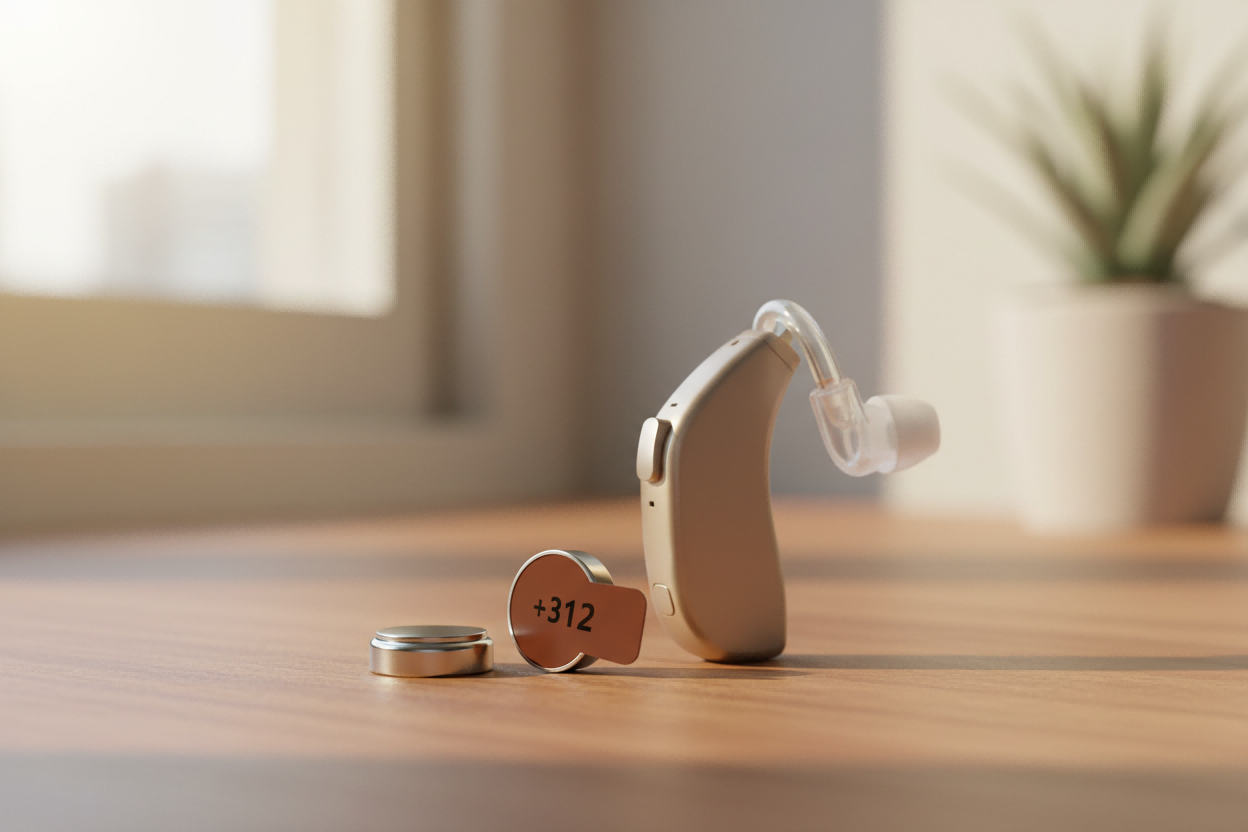
In the modern smart home, small devices require equally compact and reliable power sources. As an industry leader in household power solutions, Bevigor understands that the evolution of battery technology goes hand-in-hand with safety and everyday usability.
Recently, a major shift has swept through the retail landscape: the implementation of Reese's Law (Pub. L. 117-171). Passed to protect infants and young children from the severe hazards of accidental battery ingestion, this federal regulation mandates strict child-resistant packaging requirements.
However, while this legislation is an undeniable victory for childhood safety, it has introduced an unexpected, real-world conflict for multi-generational families. The very barriers designed to keep small fingers out are making everyday access a painful struggle for seniors and individuals living with physical limitations like arthritis.
Understanding this design tension is essential for managing a modern household safely. By exploring how these regulations alter our daily routines, why the physical properties of these power cells demand such rigorous safeguards, and how to safely bridge the accessibility gap, consumers can maintain both a secure home environment and a functional, self-sufficient lifestyle.
Why a Standard Hearing Aid Battery Pack Is Uniquely Frustrating for Seniors
The Critical Regulatory Standards Affecting the Hearing Aid Battery Market
Enacted to prevent catastrophic internal injuries and fatalities resulting from child ingestions, Reese's Law establishes mandatory federal safety benchmarks under 16 CFR Part 1263. The law approaches household hazards by splitting its regulatory focus into two primary commercial areas.

First, it addresses consumer products that contain or utilize miniature power cells, ensuring that the structural integrity of internal components prevents easy exposure. Second, it regulates standalone power cells distributed directly through retail networks, mandating robust packaging mechanisms and prominent warning labels designed to reduce ingestion hazards.
For a plain-English, authoritative overview of what companies must do (and what that means for households), the best single reference is the CPSC's Button Cell and Coin Battery Business Guidance.
Many small hearing aid batteries are packaged in small, rigid blisters. For older adults, the challenge isn't only a matter of physical strength—it is a matter of manual precision.
The primary federal standard text that defines poison prevention packaging performance is officially codified under 16 CFR 1700.15. This statute describes specific thresholds for child resistance and adult use effectiveness.
Identifying Common Friction Points in Every Hearing Aid Battery Design
While these protocols ensure a product is highly secure against children, the real-world utility testing parameters often overlook severe physiological conditions. Common everyday friction points for seniors include:
l Tiny peel tabs that require a sharp fingernail to separate.
l "Press-through" backings that demand an intense, focused pinch.
l Slick plastic materials that slide easily on smooth table surfaces.
l Tiny cells that can pop out unexpectedly and roll out of sight.
If you are a caregiver, the ultimate goal is to support an older adult's independence while simultaneously reducing household risk. The wearer should be able to manage their devices comfortably without leaving loose cells scattered where a child can find them.
A Safer "One at a Time" Approach to Changing Your Hearing Aid Battery
Developing a Controlled Workflow for Every Single Hearing Aid Battery
If a grandparent changes their zinc-air or lithium cells daily, avoid pre-opening multiple units at once to save time later. Doing so significantly inflates the probability of an accidental ingestion event.
Instead, caregivers and seniors should cooperate to build a strict, sequential routine. First, open exactly one battery from the protective card.
Second, immediately close or fold the remaining plastic packaging back into its secure position. Finally, put the entire package away in a secure location before moving on to device installation.
This simple, disciplined routine dramatically reduces the chance that a curious child will find a loose battery left behind on a counter later on.
The Dangers of Ingestion and Why Speed Matters
The clinical necessity for these stringent retail adjustments is rooted in the unique physical and chemical characteristics of small power cells. Unlike traditional cylindrical cells, a small disc-like cell can easily be swallowed unnoticed by an infant or toddler.
When trapped inside the narrow human esophagus, the cell does not merely present an immediate mechanical choking hazard. Instead, it initiates an active electrochemical reaction by drawing upon local bodily fluids to complete an electrical circuit.
This reaction rapidly generates highly corrosive hydroxide ions, causing deep tissue destruction and severe esophageal burns in as little as two hours. Because early clinical signs frequently mimic benign childhood ailments like a mild sore throat, federal intervention was deemed paramount to establish proactive, preventative physical barriers long before a child can ever come into contact with a loose cell.
Practical Ergonomic Tools to Unbox Your Daily Hearing Aid Battery Safely
Low-Tech Helpers for Maximizing Stability and Manual Control
A few low-tech household helpers can significantly reduce joint strain without increasing the risk of an accidental injury. When dealing with an unyielding package, seniors should use scissors equipped with larger, cushioned, comfortable ergonomic grips.
Placing a rubber jar-opener pad directly under the plastic pack will also prevent it from slipping across the tabletop. Finally, always work under a bright light while seated comfortably in a stable chair at a level table.
If cutting is required to open the tough plastic backing, keep the pack completely flat on the table surface and cut slowly. The safest household strategy is almost always a combination of stability + control, never raw, unguided physical force.
Dangerous Habits to Avoid When Unboxing a Hearing Aid Battery
When packaging relies on brute force, it blocks children and many adults. When safety mechanisms become overly frustrating, human behavior naturally seeks shortcuts.
Caregivers and seniors must strictly avoid using their teeth, wielding sharp knives in midair, or cutting plastic backings while holding the package directly in their palm. These erratic methods dramatically increase the risk of painful cuts and puncture wounds.
Furthermore, applying unguided pressure can launch a tiny cell across the room and onto the floor. This creates a hidden hazard that is incredibly difficult to track down but easily discovered by crawling toddlers.
Structured Workarounds for an Unmanageable Hearing Aid Battery Pack
Transitioning Frustrated Seniors to Dedicated Hearing Aid Battery Storage
Sometimes, the honest answer is that a specific retail package is not realistically usable for an individual's hands. My colleague Monica recently shared how frustrating these protective layers can be in daily life.
She noted that the impossible child-proof blister backings remind her exactly of her migraine medication packaging, where you have to struggle with a tiny, unyielding blister pack while dealing with a pounding headache and distorted vision.
When faced with an unmanageable barrier, a caregiver's primary job becomes designing a safer workaround that eliminates loose-battery exposure.
Eliminating the Threat of Dangerous Household Battery Scatter
To prevent dangerous shortcuts, caregivers should implement a controlled management system. The best workaround is always the one that completely prevents "battery scatter" across common living spaces.
The following table outlines standard household practices, comparing unsafe storage behaviors with recommended safety alternatives:
|
Unsafe Handling Behavior |
Recommended Safe Alternative Solution |
Expected Safety and Accessibility Outcome |
|
Leaving half-cut plastic packs on counters or low tables. |
Open the retail pack only in an isolated, adult-controlled area using heavy tools. |
Prevents children from accessing partially exposed retail cards. |
|
Transferring loose cells into a standard, basic plastic pill organizer. |
Transfer extracted cells directly into a dedicated, child-resistant storage case. |
Stops toddlers from easily popping open flimsy plastic compartment lids. |
|
Storing spare medical cells in accessible nightstand drawers or purses. |
Store the secure case in the same locked, high location used for medications. |
Insulates vulnerable family members from high-risk electrical components entirely. |
Conclusion
The comprehensive implementation of Reese's Law serves as a monumental achievement in national child safety, systematically closing dangerous loopholes that historically exposed infants to severe internal injuries. However, the law simultaneously shines a critical spotlight on the ongoing design tension between security and universal accessibility.
As an organization dedicated to delivering premier household power options, Bevigor fully champions these rigorous child-safety standards while actively advocating for intuitive packaging innovations that support our aging population. By recognizing the physical friction of standard testing, avoiding dangerous storage workarounds, and implementing structured routines at home, families can successfully navigate these changes.
Bridging the gap between child safety and senior accessibility ensures that our modern, device-filled homes remain safe, supportive, and accessible for family members of every generation.






Aktie:
Protecting Toddlers from Coin Batteries Without Punishing Arthritic Hands
How to Safely Manage Child-Resistant Button Cell Battery Packaging