

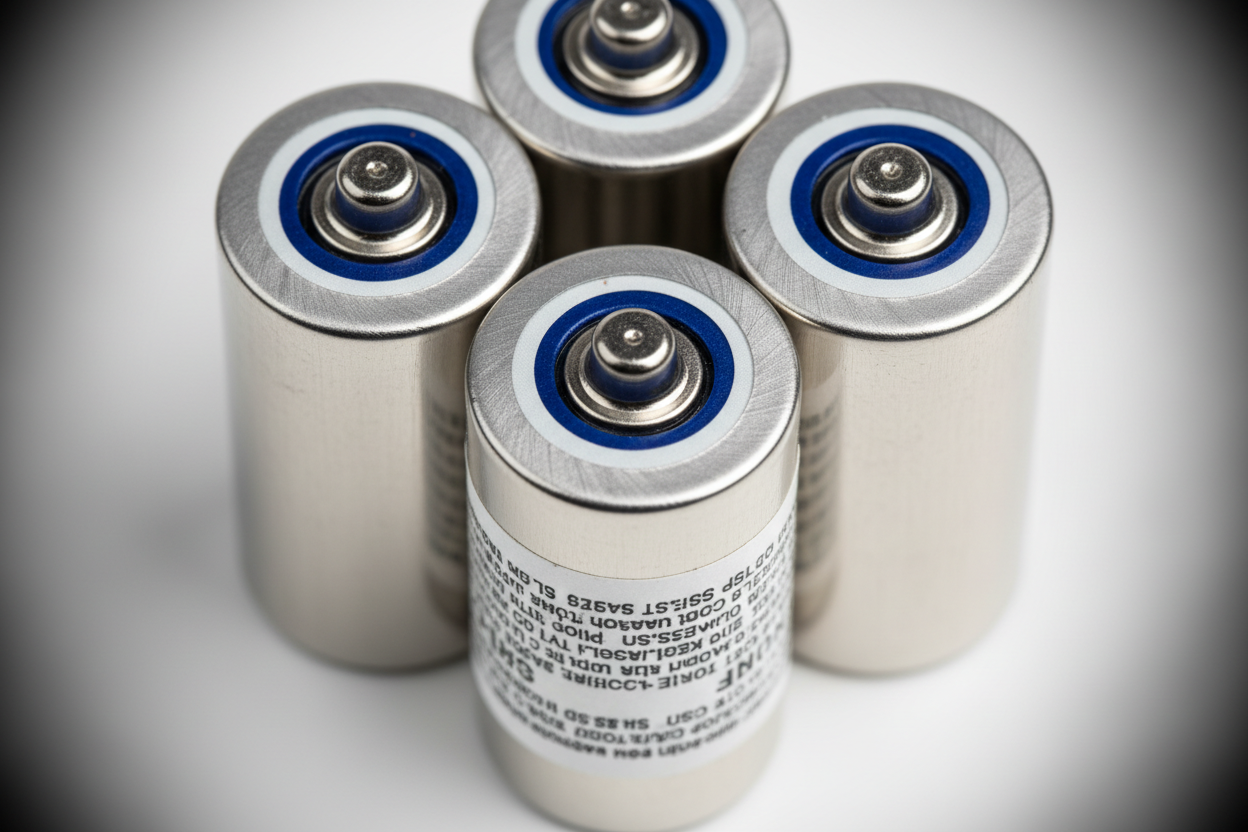
What happens to the energy cells that power our devices when their voltage drops to zero? For many, the instinct is to throw them in the kitchen trash—out of sight, out of mind. However, this choice can lead to serious safety risks, including fires in waste facilities. By understanding these risks, we can take responsibility for proper disposal in our communities.
Angelica, a Bevigor user and documentary director, encountered this situation while filming in a remote winter town in northern Maine. Over three months, she wore out multiple high-performance lithium batteries in her audio and camera equipment. With curbside services limited to basic garbage, she soon accumulated a pile of dead batteries. Instead of tossing them in with regular waste, Angelica recognized the need to follow specific disposal guidelines. Her experience sheds light on a greater challenge: how do we handle high-tech waste when recycling options are unavailable?
What Are The Dangers of Household Trash and Landfills
To understand why Marianne was cautious, consider the guidance from the Environmental Protection Agency (EPA). They stress that lithium batteries and any electronics containing them should not be thrown in household trash or regular recycling bins. This rule exists because these batteries can be severely damaged during collection. When waste trucks compact trash, they apply significant pressure.
If a lithium battery is crushed, it can short-circuit, causing thermal runaway and potentially leading to fires in the waste stream. For more details, check out the EPA's FAQ titled "Frequent Questions on Lithium-Ion Batteries."

How to Tackle the Remote Community Challenge
For those in remote locations, finding a place to recycle can feel daunting. Fortunately, there are options. Many local Household Hazardous Waste (HHW) programs host drop-off events or provide bins specifically for hazardous materials. Additionally, some retailers—like hardware stores, electronics shops, and battery retailers—often have free collection kiosks.
If these aren't easily accessible, the EPA's website offers resources for locating official collection points and guidelines for safely preparing batteries for recycling. Knowing how to find and properly dispose of batteries can empower residents and outdoor enthusiasts to act responsibly.
What Is The Wilderness Rule "Pack It Out"
Outdoor adventurers face an additional challenge when it comes to battery disposal. Is it ever okay to bury dead batteries in the wild? The answer is a clear no. Burying spent batteries can contaminate the soil and water with harmful chemicals as they break down. They also pose a fire risk if disturbed by tools or temperature changes. This practice harms the environment and contravenes public land protection rules.
The guideline is straightforward: pack it out. Everything you bring into the wilderness should come back with you to keep delicate ecosystems safe and uncontrolled waste at bay.
Why Small Batteries Can Be a Hazard Too
A common misconception exists regarding small batteries in home automation devices, such as smart locks. Are these tiny lithium batteries safe to throw away? Experts advise against that mindset. Just because these batteries are small doesn't mean they're safe to discard.
Even a small coin or specialized battery contains energy and reactive chemicals. If the battery can be removed from its device, it should be recycled appropriately through hazardous waste or electronics programs. Unfortunately, when these batteries avoid recycling and end up in landfills, precious materials like cobalt, nickel, lithium, and copper are lost rather than recycled.
By learning about safe disposal and recycling practices, we can protect our environment and encourage others in our communities to do the same. Let's commit to responsible actions that ensure discarded batteries do not pose dangers.







Aktie:
Lithium Battery Guide for Everyday Devices (US)
How to Clean Corrosion for Lithium Batteries