

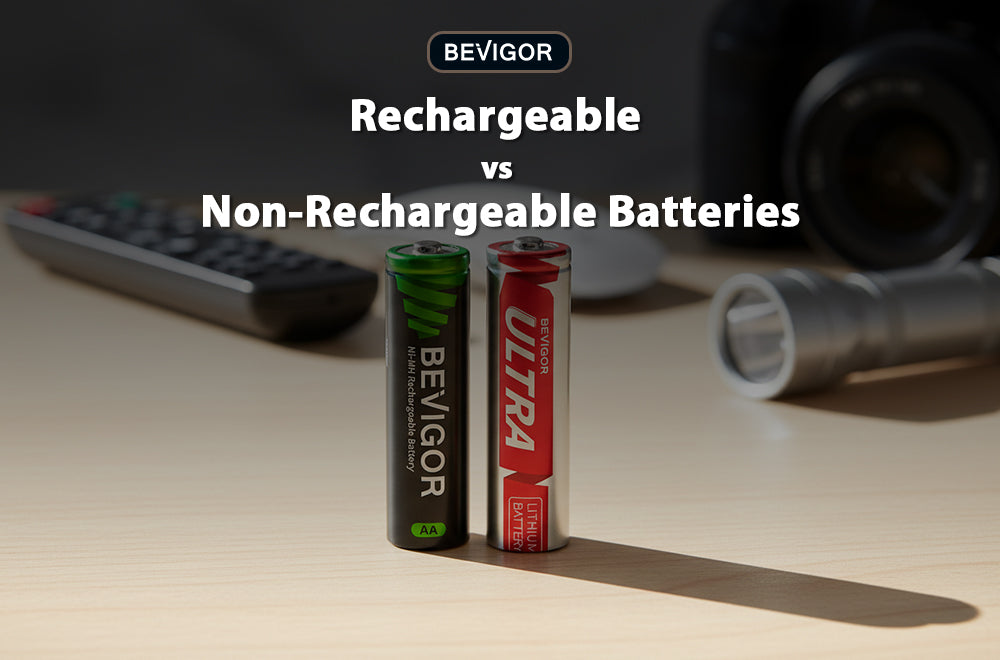
If you’ve ever searched online for batteries or stood in a store aisle comparing options, you’ve likely wondered whether rechargeable batteries or single-use batteries are the better choice.
Rechargeable batteries promise long-term savings and reduced waste. Traditional batteries offer convenience and reliability. Meanwhile, lithium batteries claim superior performance but usually come at a higher upfront price.
So which one should you actually use?
The answer depends on several factors:
-
how often your device consumes power
-
how important long-term reliability is
-
whether you prefer convenience or reusability
For example, a wireless gaming controller used daily has very different requirements than a smoke detector or emergency flashlight.
Understanding the differences between rechargeable batteries and lithium AA batteries helps ensure you choose the best power solution for your devices.
What Are Rechargeable and Non-Rechargeable Batteries?
Non-Rechargeable Batteries (Primary Batteries)
Non-rechargeable batteries generate electricity through chemical reactions that cannot be reversed. Once the battery is depleted, it must be replaced.
Common primary battery chemistries include:
-
Alkaline batteries
-
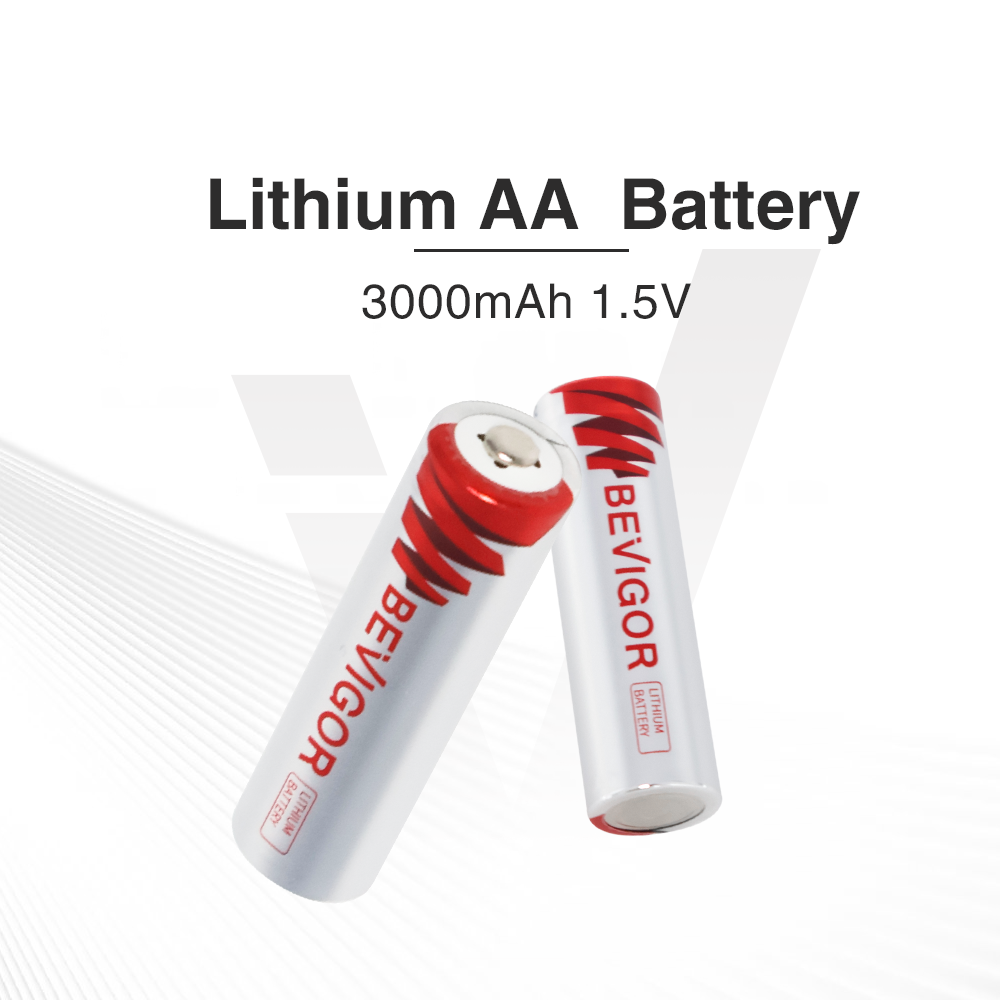
Lithium battery AA cells
-
Zinc-carbon batteries
Among these options, AA lithium batteries are widely recognized for delivering the best performance in demanding devices.
They provide:
-
higher energy density
-
longer shelf life
-
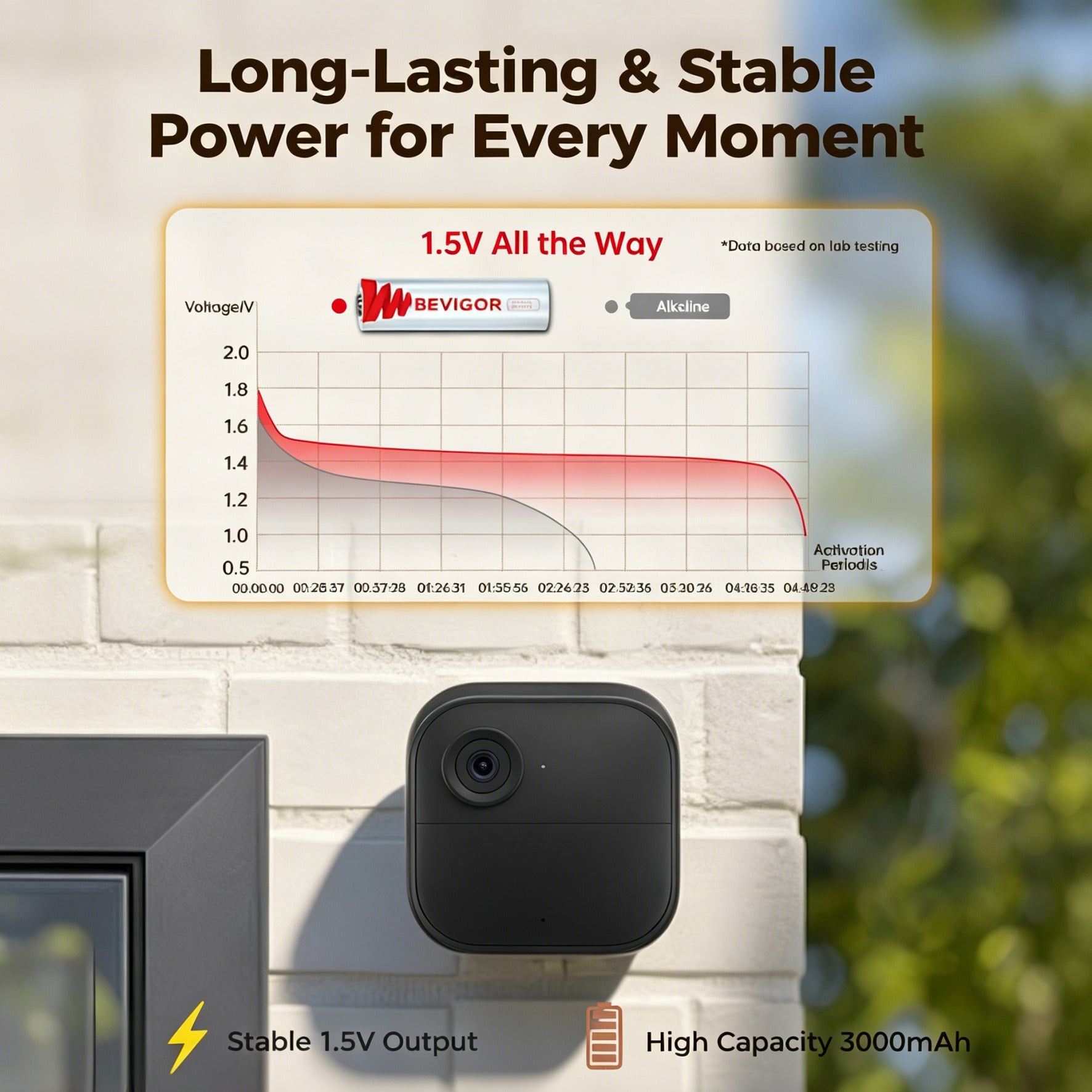
more stable voltage output
Many consumers comparing lithium AA batteries vs alkaline discover that lithium cells last significantly longer in high-drain electronics.
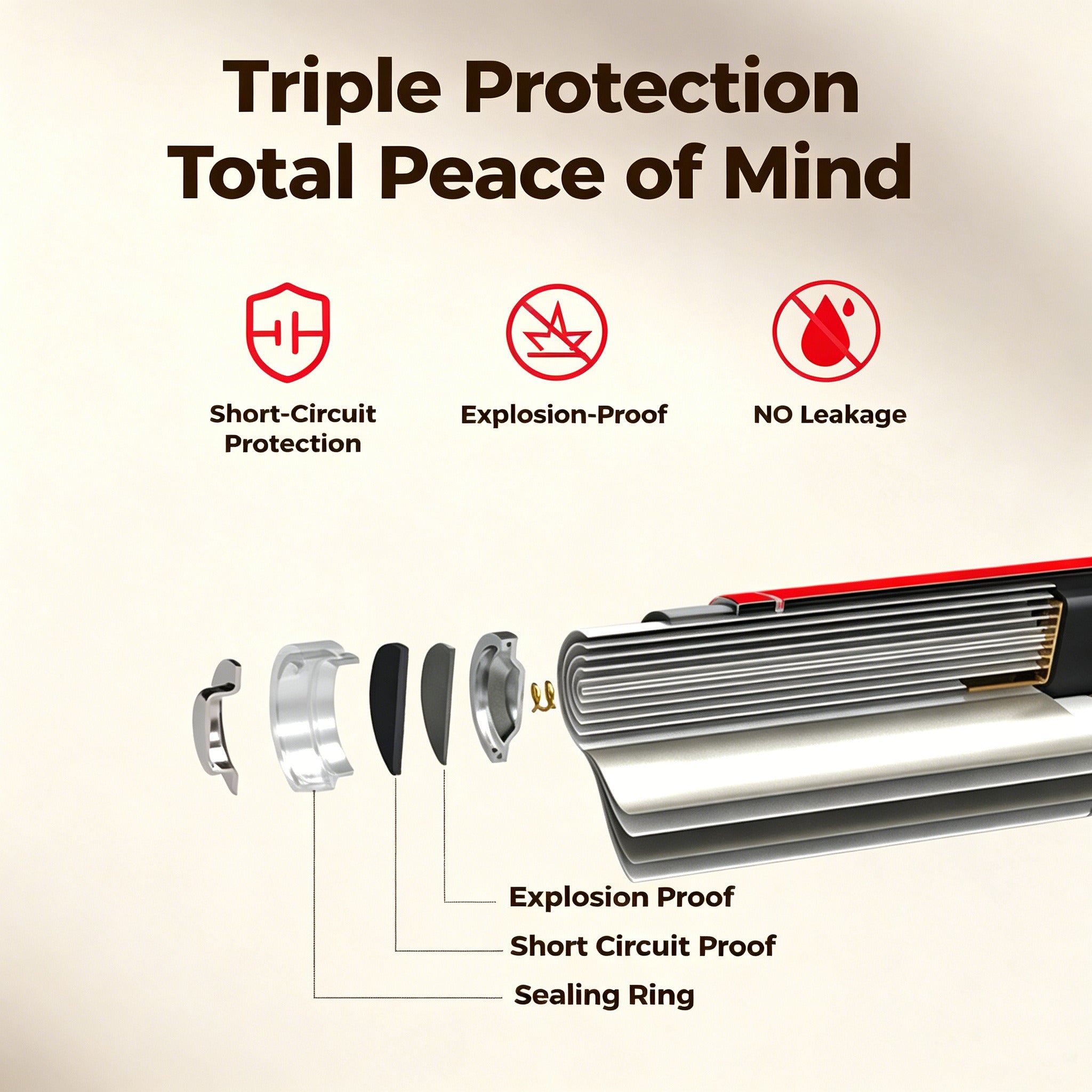
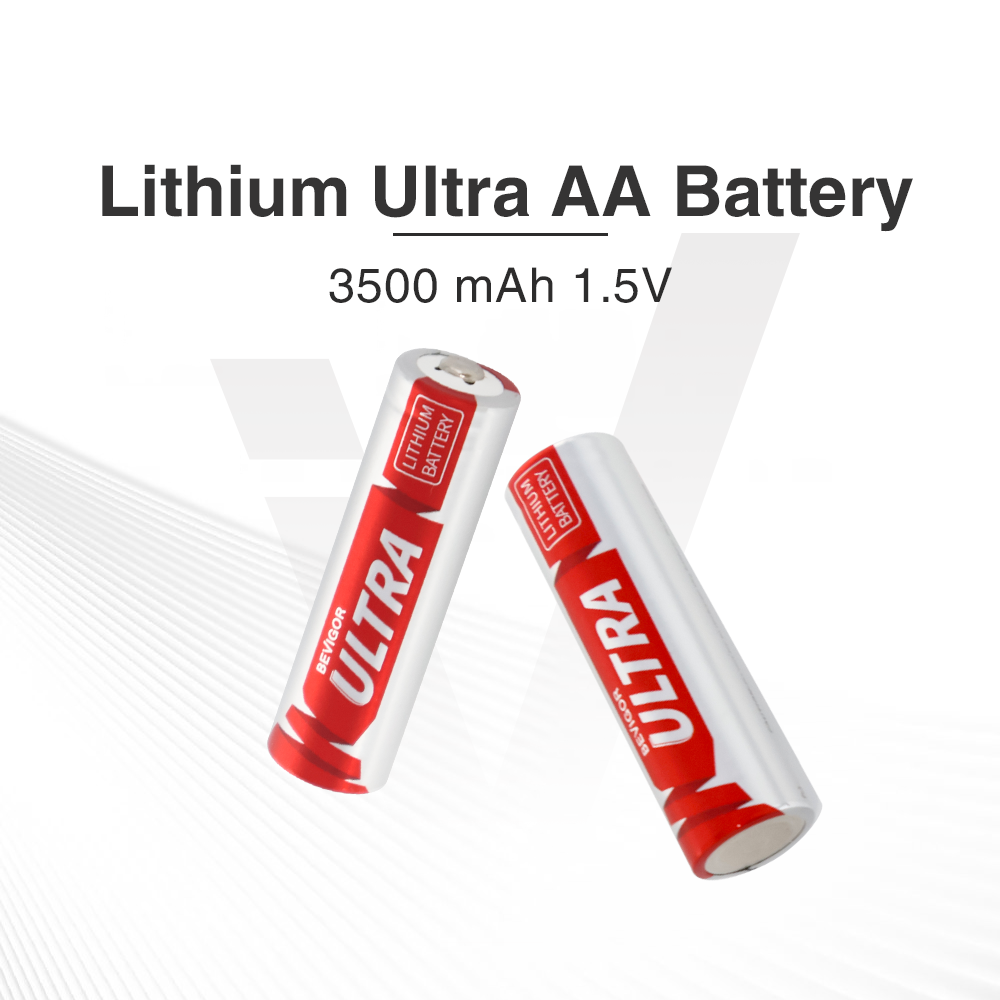
Premium products such as Bevigor AA lithium batteries are designed specifically for long-lasting performance in modern electronics.
Rechargeable Batteries (Secondary Batteries)
Rechargeable batteries use reversible chemical reactions. When connected to a charger, electrical energy restores the battery so it can be used again.
Common rechargeable battery types include:
-
Nickel-Metal Hydride (NiMH)
-
Lithium-ion batteries
-
Lithium iron phosphate
Rechargeable batteries are often used in devices that consume batteries quickly because they can be reused hundreds of times. If your batteries fail to charge, here's a troubleshooting guide to handle batteries that won't charge.
However, they require charging equipment and ongoing maintenance.
Lithium AA Batteries vs Rechargeable Batteries
Many consumers compare rechargeable batteries directly with AA lithium batteries because both can power high-drain devices.
However, the two technologies perform differently.
1. Runtime and Energy Output
Devices such as security cameras, flashlights, and smart sensors require consistent voltage to function properly.
Rechargeable NiMH batteries typically produce 1.2V, while most primary batteries deliver 1.5V.
This difference may seem small, but some electronics are designed specifically for 1.5V batteries.
Because of this, many devices perform better with lithium AA batteries.
For high-drain electronics, premium options like Bevigor lithium AA batteries provide stable voltage and extended runtime.
2. Shelf Life and Storage
One of the biggest advantages of AA lithium batteries is their exceptional shelf life.
Rechargeable batteries slowly lose charge even when not used. This phenomenon is called self-discharge.
By comparison, high-quality lithium AA batteries can retain power for many years in storage.
This makes them ideal for:
-
emergency flashlights
-
smoke detectors
-
backup electronics
-
disaster preparedness kits
When consumers search for lithium AA batteries for sale, shelf life is often one of the most important factors.
3. Performance in Extreme Temperatures
Temperature can dramatically affect battery performance.
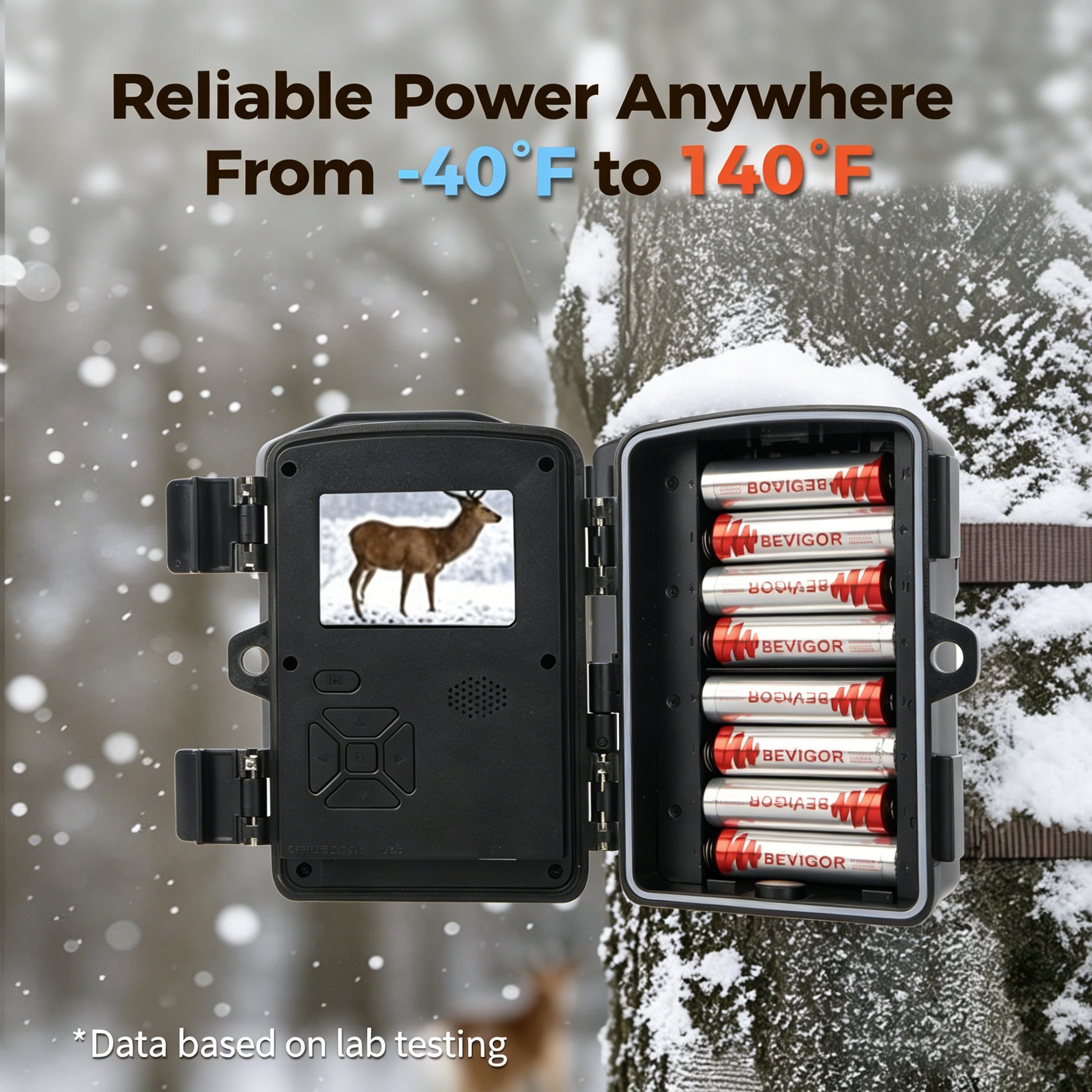
Alkaline batteries tend to drain quickly in cold environments, and rechargeable batteries may lose efficiency.
However, lithium battery AA technology performs far better in extreme conditions.
This is why AA lithium batteries are commonly used in:
-
outdoor security cameras
-
wildlife trail cameras
-
winter camping gear
-
GPS devices
Many outdoor equipment users consider Bevigor AA lithium batteries among the best AA lithium batteries for these environments.
Lithium AA Batteries vs Alkaline Batteries
Another common comparison is lithium AA batteries vs alkaline batteries.
Both are single-use batteries, but they offer very different performance levels.
Lithium Batteries
Advantages:
-
longer runtime
-
lighter weight
-
wider temperature tolerance
-
longer shelf life
Alkaline Batteries
Advantages:
-
widely available
However, in high-drain devices such as cameras or smart electronics, lithium AA batteries often last significantly longer than alkaline batteries.
This improved efficiency means fewer replacements over time.
When Should You Use Lithium AA Batteries?
Many modern electronics perform best with AA lithium batteries.
Typical applications include:
-
smart home sensors
-
wireless security cameras
-
LED flashlights
-
portable electronics
-
outdoor gear
Because of their long lifespan and consistent voltage output, Bevigor AA lithium batteries are designed to deliver dependable power across a wide range of devices.
You can explore options such as:
These batteries are engineered for reliable performance and extended runtime.
Lithium AA Batteries for Bulk and Professional Use
Businesses that operate battery-powered devices often require consistent power solutions across multiple units.
Industries such as security, outdoor monitoring, and IoT deployment frequently rely on high-performance lithium batteries.
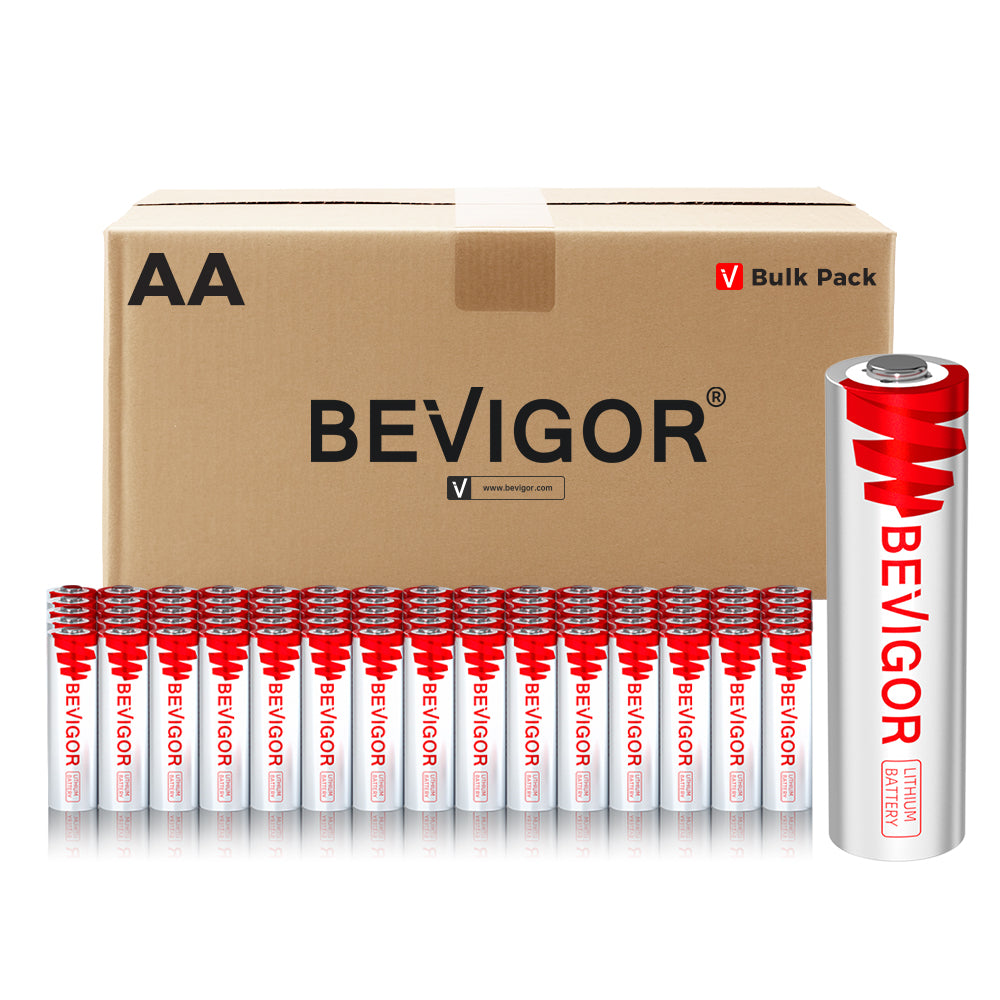
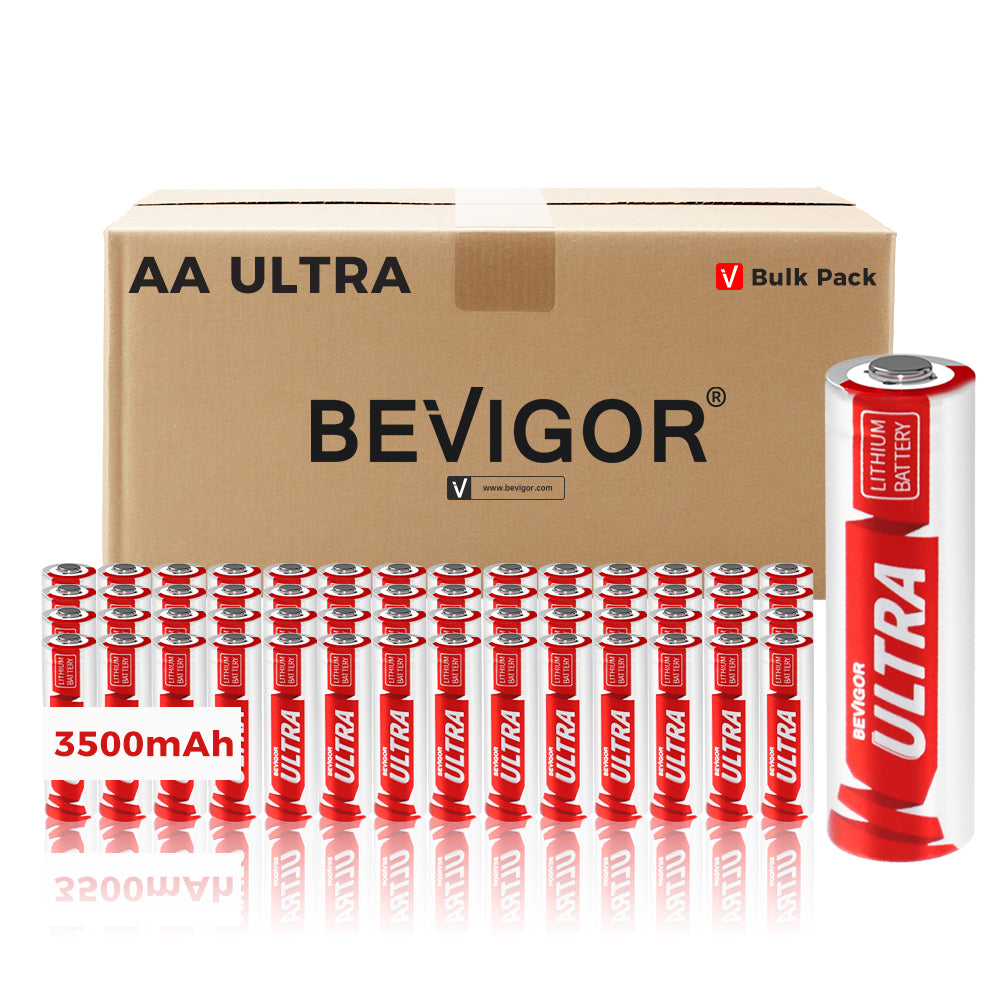
Bulk options include:
Companies interested in wholesale supply can learn more through https://bevigor.com/pages/bulk-wholesale or contact the team directly at https://bevigor.com/pages/contact-us.
Frequently Asked Questions
Are lithium AA batteries better than rechargeable batteries?
It depends on how the device is used. Rechargeable batteries are ideal for devices that consume power frequently, while lithium AA batteries provide better reliability, shelf life, and performance in demanding environments.
Do lithium AA batteries last longer than alkaline batteries?
Yes. In most high-drain devices, AA lithium batteries can last significantly longer than alkaline batteries because they maintain stable voltage and higher energy density.
What are the best AA lithium batteries?
Many users look for reliable brands with strong capacity and long shelf life. High-performance options like Bevigor AA lithium batteries are designed to deliver consistent energy for modern electronics.
Final Thoughts
Choosing between rechargeable and non-rechargeable batteries depends largely on how you use your devices.
Rechargeable batteries offer long-term savings for frequently used electronics. However, when reliability, shelf life, and performance are critical, lithium AA batteries often provide the best solution.
With long storage life, stable voltage output, and strong performance in demanding environments, AA lithium batteries remain one of the most dependable power options available today.
For users searching for dependable lithium AA batteries for sale, high-capacity solutions like Bevigor AA lithium batteries provide long-lasting energy designed for modern electronics and outdoor devices.




Share:
How Bevigor Supports Climate Action with NiMH Rechargeable Batteries
Buying Batteries for Blink Cameras: Label and Pack-Size Checklist