


Are you constantly replacing basic alkaline cells in your household gaming controllers and bright tactical flashlights? Relying on standard disposable chemistries for daily high drain devices quickly becomes an unnecessarily expensive habit that fills your kitchen trash with heavy metal tubes.
We cover initial setup procedures, capacity metrics, and how utilizing Rechargeable Batteries for specific daily electronics creates massive cost savings while delivering superior physical hardware performance.
The Physical Chemistry Inside Rechargeable Batteries
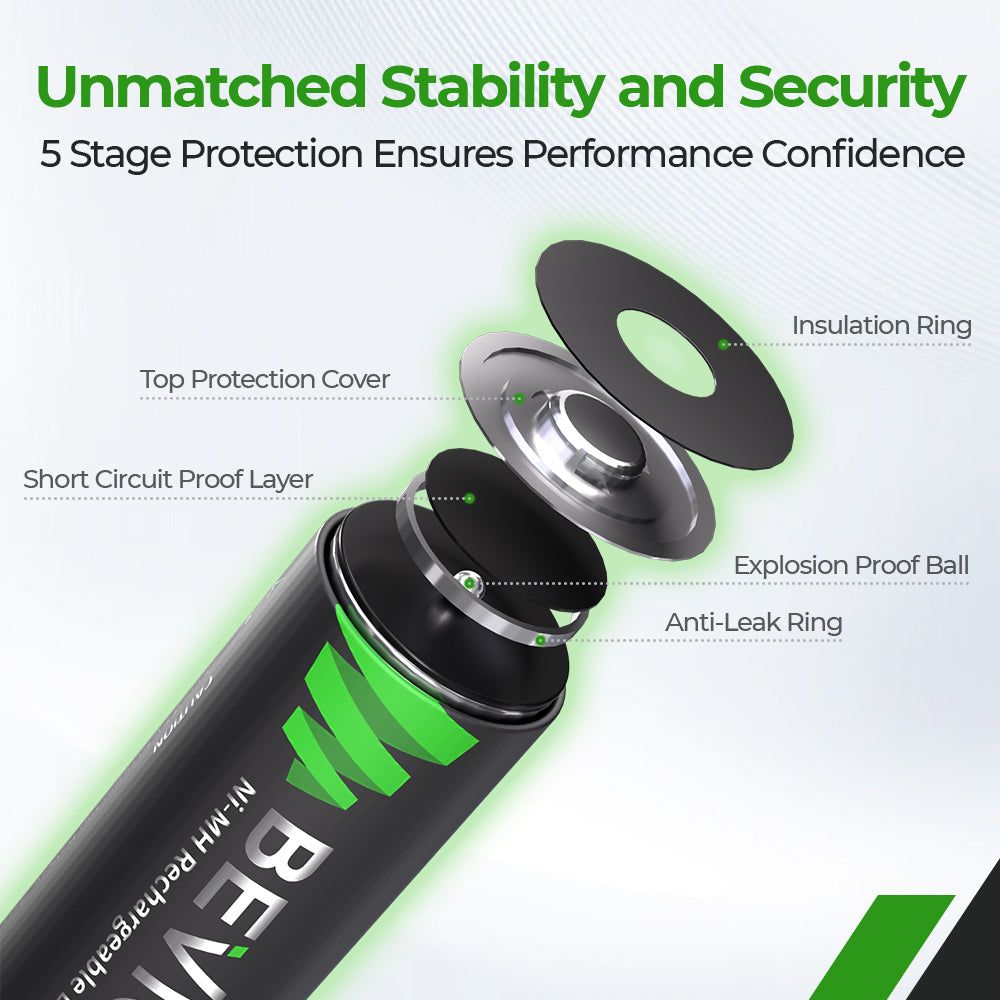
The internal architecture of modern NiMH power solutions completely redefines how energy moves into your demanding electronics. Rather than depending on a sluggish chemical reaction that struggles under heavy loads, these advanced cells feature a highly efficient crystalline lattice structure. This unique physical matrix drastically lowers internal electrical resistance, allowing the unit to deliver massive, instant bursts of power exactly when a mechanical motor or a bright digital screen demands it. When a professional camera flash cycles or a wireless gaming controller vibrates heavily, this specialized internal design handles the sudden electrical spikes effortlessly. According to analyses from National Library of Medicine, this robust structural matrix not only provides superior power delivery but also safely absorbs incoming wall current hundreds of times without suffering the physical degradation that ruins lesser power supplies.
Initial Setup Tips for Rechargeable Batteries
When you first tear open the thick blister packaging, the heavy metal cylinders are rarely filled to their absolute maximum chemical capacity straight from the factory. Before inserting them into your wireless mechanical keyboard or electronic door lock, you must run them through a complete initial charging cycle. Placing fresh, partially filled cells directly into a high drain device forces the internal chemistry to work much harder to maintain voltage, which can permanently stunt their maximum storage capacity moving forward.
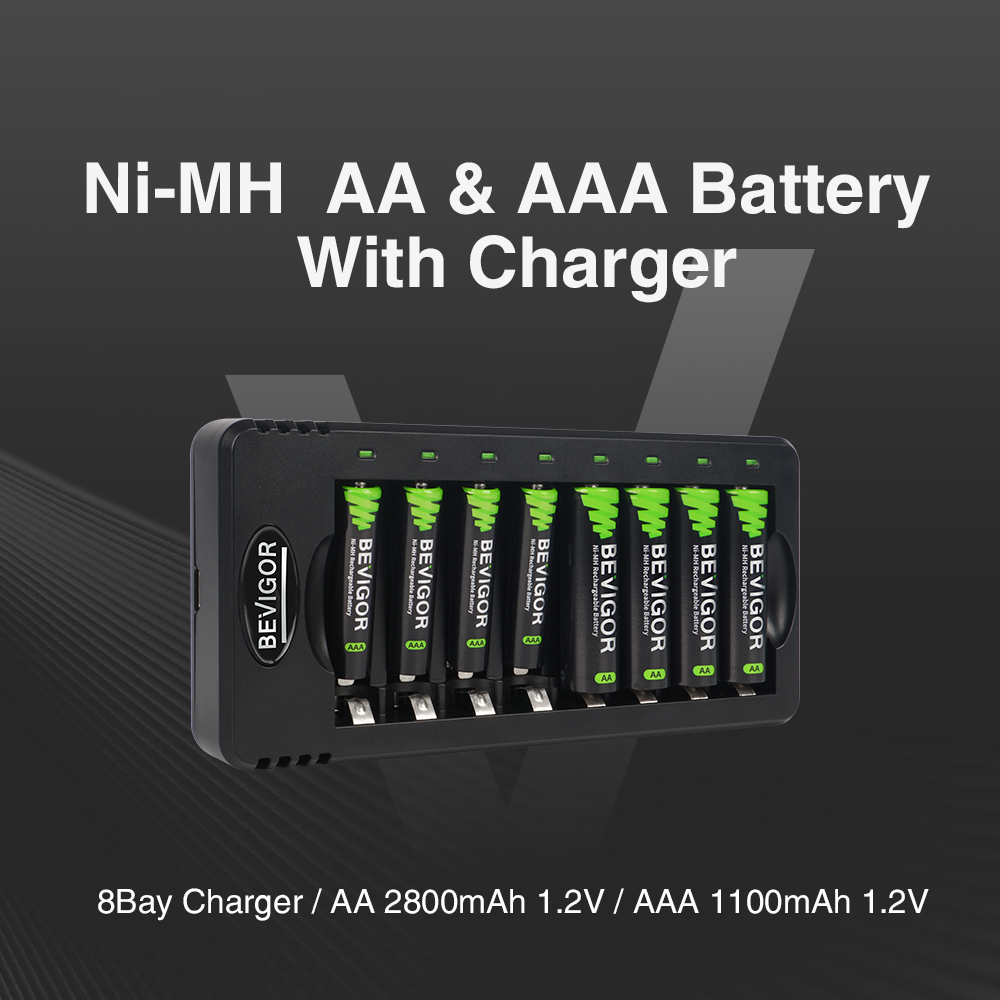
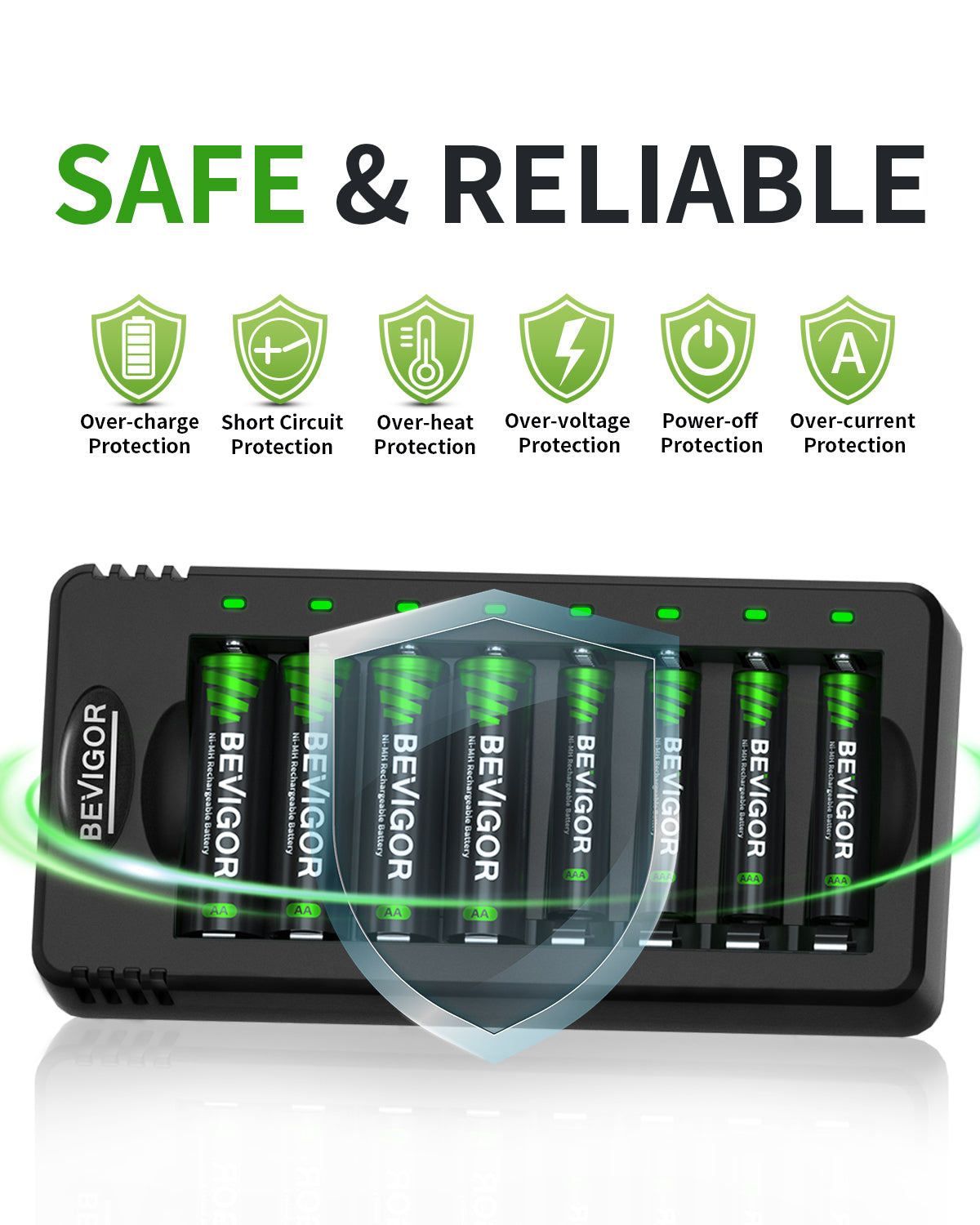
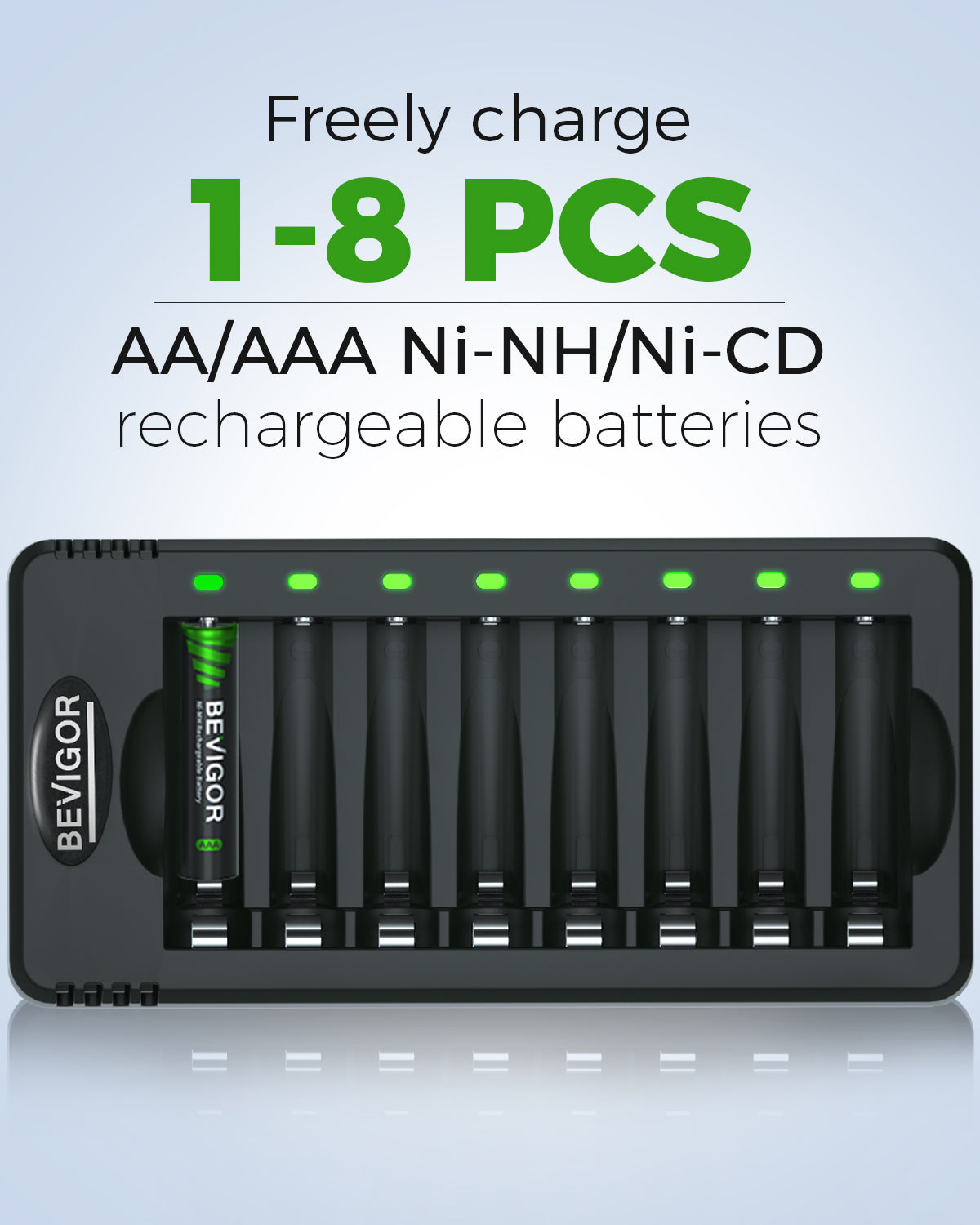
You need to seat the metallic base firmly against the tensioned copper springs of a high quality smart wall charger. A proper smart charging bay actively reads the internal voltage of each individual steel cylinder and automatically halts the electrical current when the internal metallic alloy reaches full saturation. Older, cheap plastic chargers push a continuous raw current that generates excessive physical heat, which literally cooks the internal materials and dramatically shortens their operational life. Exploring the smart power accessories within the Bevigor product lineup ensures you deliver the exact correct voltage required to keep the internal chemistry healthy for hundreds of cycles.
Analyzing the Cost Savings of Rechargeable Batteries
Here is the deal. Purchasing a massive box of fifty standard alkaline units at a discount warehouse feels like a smart financial move initially. However, high drain motorized toys, wireless audio headsets, and bright LED lanterns will physically drain the zinc paste inside those alkaline units in a matter of days. You will find yourself constantly opening plastic battery doors and tossing dead steel tubes into the garbage.
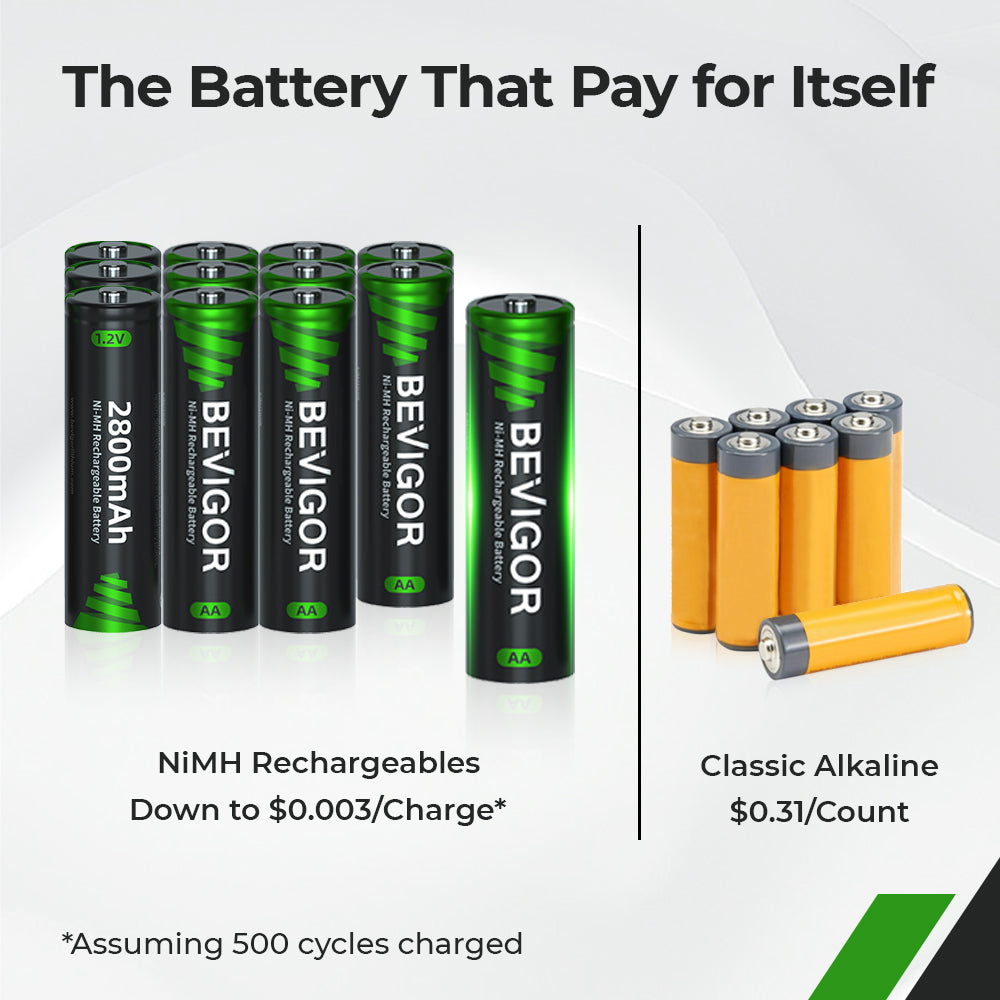
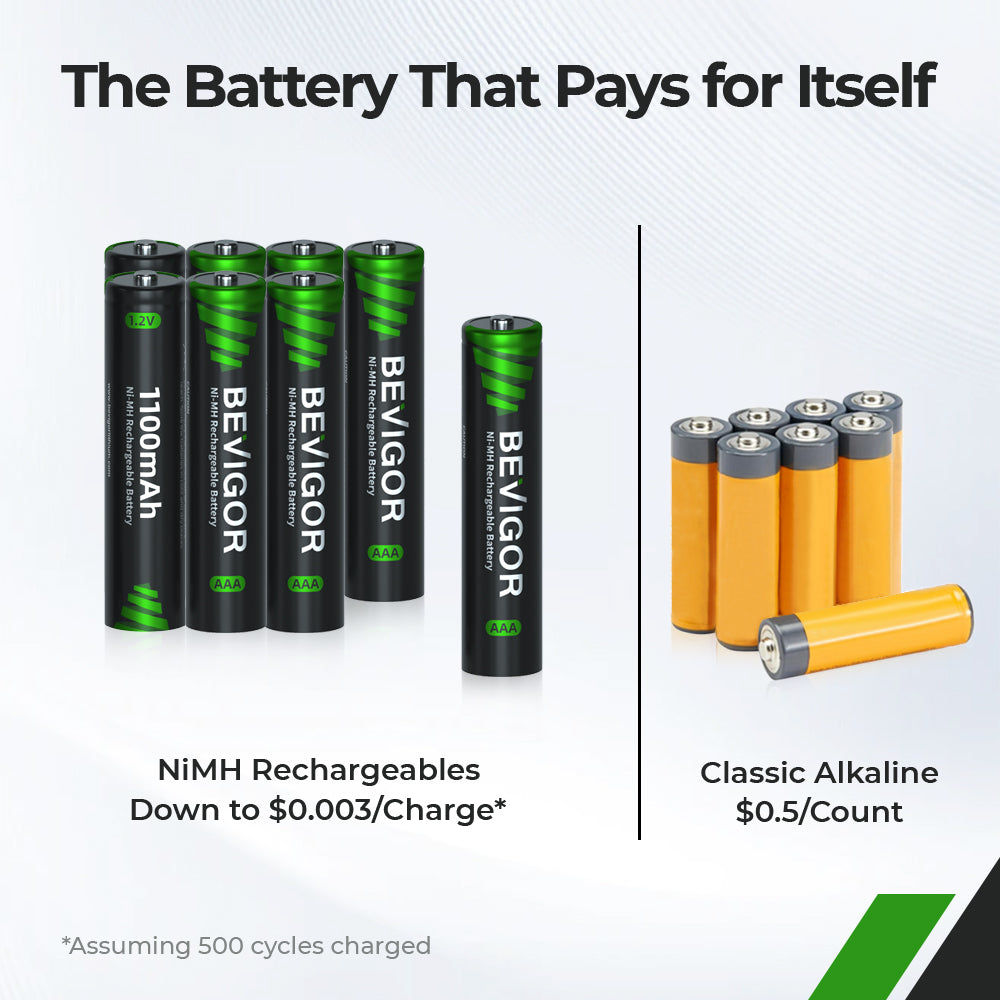
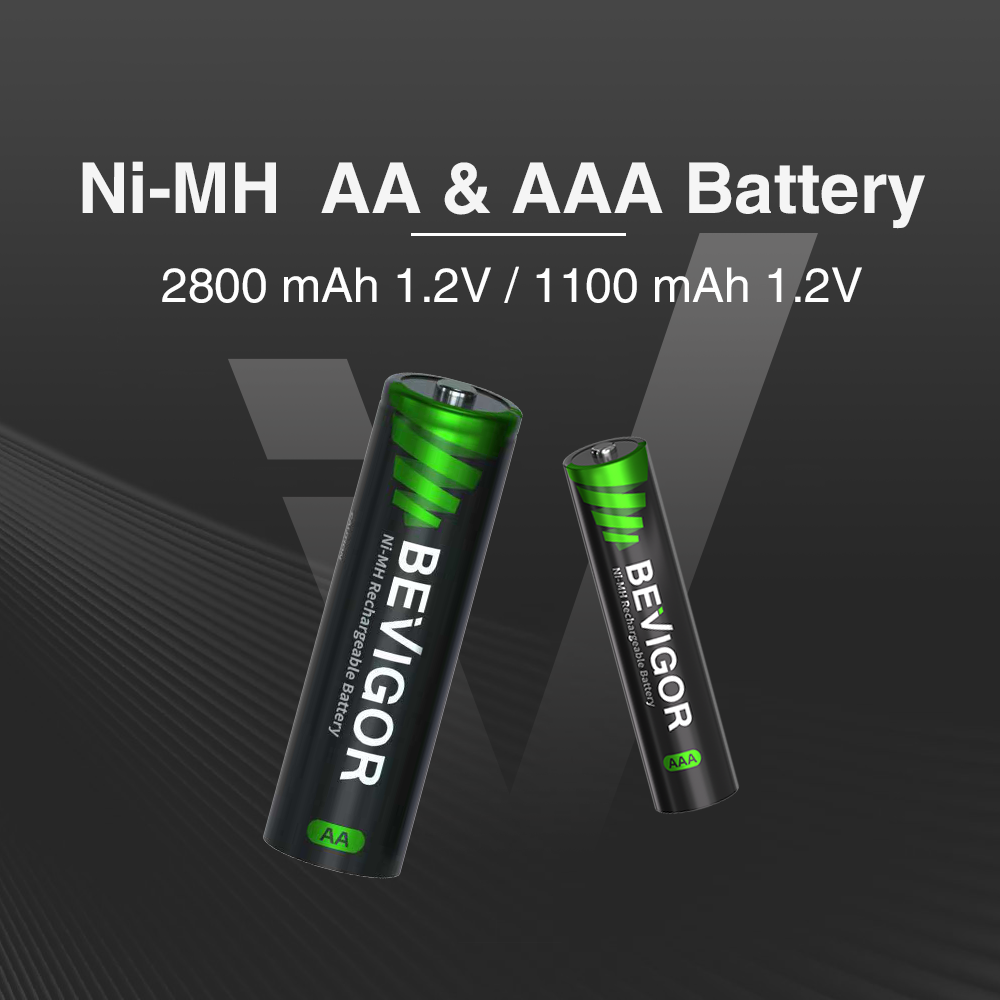
While premium disposable options like Bevigor lithium AAA cells remain the absolute best choice for extreme subzero weather conditions and long term emergency storage, utilizing Rechargeable Batteries for your daily household gaming controllers offers a distinctly different type of financial return. A standard four pack of reusable NiMH cells mathematically replaces thousands of alkaline cells over their physical lifespan. Because you can refresh the dense internal energy capacity hundreds of times, the actual physical cost per use drops to fractions of a penny for your most active household devices. The return on investment is usually obvious within the first two months.

Comparing Energy Options for Household Gear
Matching the correct internal materials to the physical demands of your specific hardware prevents frustrating device shutdowns and maximizes your physical hardware efficiency.
|
Physical Trait |
Standard Alkaline |
Premium Lithium |
Rechargeable Batteries |
|
Internal Core |
Wet chemical paste |
Solid metallic structure |
Solid metallic alloy |
|
Physical Weight |
Standard |
Incredibly light |
Dense and heavy |
|
Discharge Output |
Sloping and inconsistent |
Flat and highly stable |
Flat and highly stable |
|
Ideal Application |
Low drain wall clocks |
Survival gear and outdoors |
High drain daily toys |
Standard wet chemistry works adequately for devices that sip tiny amounts of power and sit completely dormant for months. Premium lithium is physically unmatched for long term exterior security cameras that endure freezing winter nights. However, any indoor device that utilizes an active physical motor, a bright screen, or a two-way wireless data connection on a daily basis demands the consistent electrical flow provided exclusively by dense NiMH metallic cores.
Proper Storage for Rechargeable Batteries
How you physically handle and store your backup power supplies heavily dictates their long term reliability. Tossing loose metal cylinders into a disorganized tool drawer creates a severe physical hazard. If the positive and negative steel terminals physically touch a set of house keys, a stray paperclip, or loose copper coins, they will instantly short circuit. This violent electrical transfer creates massive external heat that can melt nearby plastics and permanently destroys the internal chemical structure of the cell.
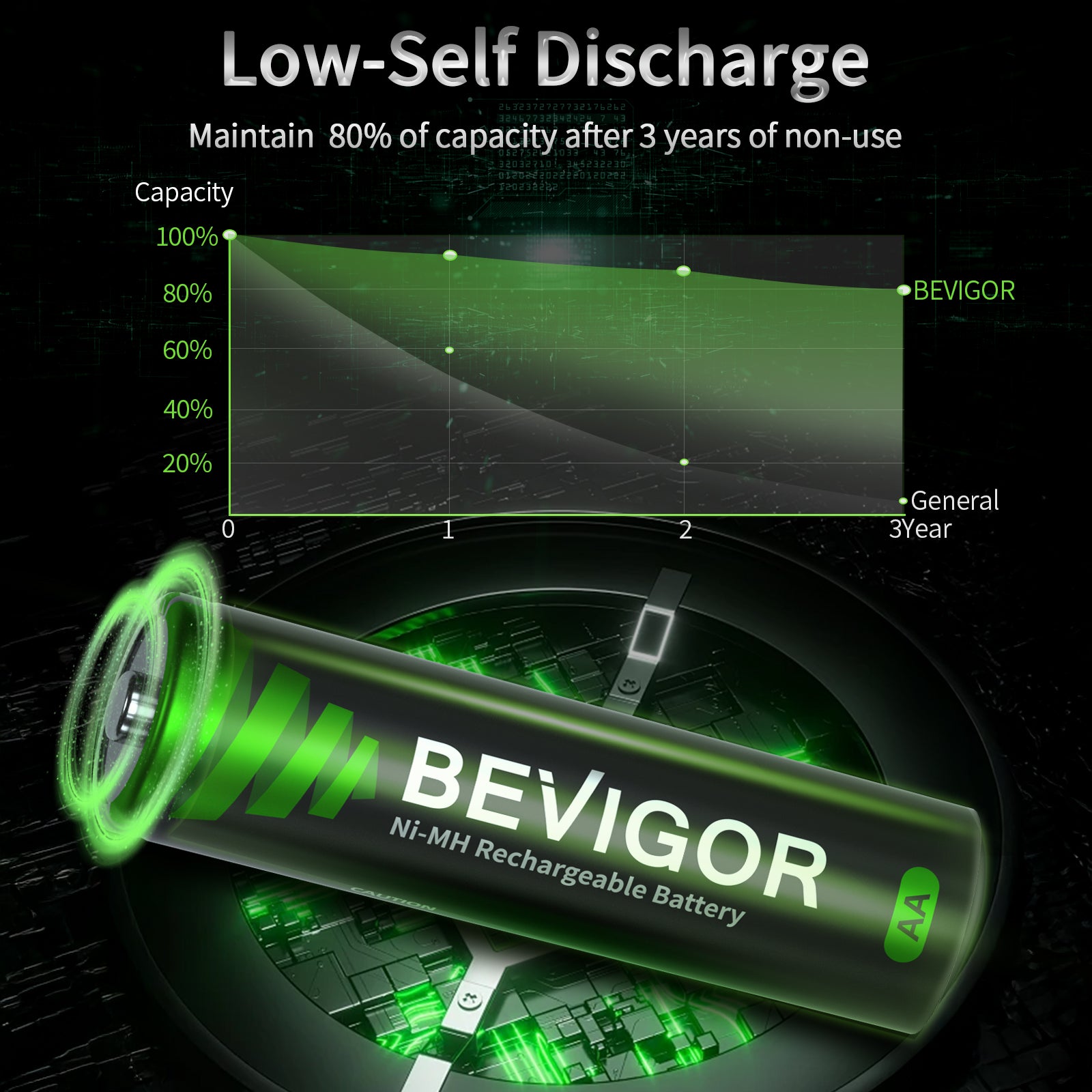
You should always store unused units standing upright inside a dedicated, non-conductive plastic case. Furthermore, you must keep these storage cases in a dry, room temperature environment. Engineering reliability studies published by the National Renewable Energy Laboratory (NREL) confirm that exposing internal chemical structures to extreme ambient heat drastically accelerates capacity degradation. Leaving your spare power cells baking inside a hot car dashboard all summer physically ruins their ability to hold a full electrical charge.
Frequently Asked Questions About NiMH Power
Do I need to physically drain them completely before charging?
No. Older generations of cadmium power cells suffered from a strict physical memory effect, requiring you to drain them to zero before applying wall power. Modern NiMH solid alloys do not have this physical limitation, meaning you can safely snap your Rechargeable Batteries into a charging bay when they are only halfway empty without causing any internal damage.
Why do they feel noticeably heavier in my hand?
The internal physical construction utilizes highly dense metal alloys to store electrical energy efficiently. This heavy metallic core is physically denser than the watery zinc paste found inside cheap disposable alternatives, giving them a much more substantial and premium physical weight.
Can I leave them plugged into the wall charger indefinitely?
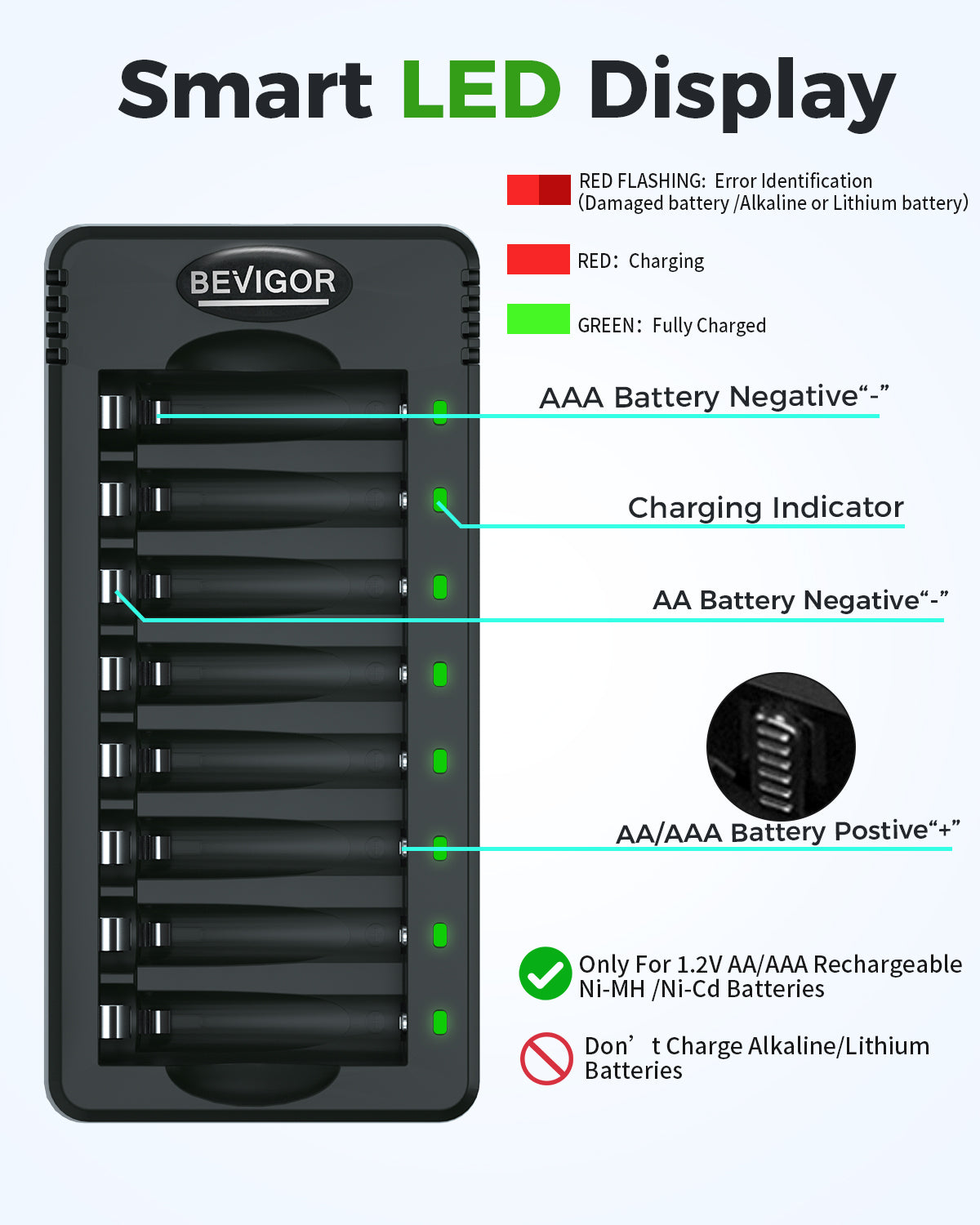
While modern smart charging bays feature automatic physical shutoffs, leaving them plugged into a warm electrical socket for several weeks exposes the external metal casing to unnecessary ambient heat. You should remove them from the plastic charging bay once the indicator lights signal a full internal capacity.
Why does my multimeter read 1.2V instead of 1.5V?
The internal metallic chemistry naturally operates on a flat 1.2 volt plateau. Because this voltage stays incredibly stable while the physical motor or circuit board is running, electronic microprocessors recognize it perfectly. A standard 1.5 volt alkaline cell physically drops to 1.2 volts almost immediately after you turn the device on anyway.
Will they work inside a low drain television remote?
Yes, they will successfully power simple remotes or digital scales. However, utilizing a high capacity reusable cell for a device that sips microscopic amounts of energy over three years is a poor allocation of your premium power resources. They are much better utilized in physical items that demand heavy, continuous electrical current.
Essential Operational Guidelines and Maintenance
To maintain the physical integrity of your electronics and ensure safe household operation, strictly follow these technical guidelines before inserting power cells into your hardware.
- Capacity Accuracy: All printed milliampere hour capacities and expected cycle counts reflect physical laboratory testing conditions by Bevigor. The actual runtime of your hardware fluctuates based entirely on the mechanical drag and continuous electrical draw of your specific device.
- Physical Taboos: You must never combine a completely depleted power cell with a freshly charged one inside the same plastic battery compartment. Furthermore, strictly avoid mixing different chemical compositions together to prevent severe reverse discharging and metal casing ruptures.
- Travel and Transport: If you are packing spare power sources for a flight, aviation safety rules strictly require you to keep them in your carry-on luggage. Never place loose cells in checked baggage, and always use a hard plastic case to isolate the metal terminals from accidental contact with bag zippers or keys.
- Contact Maintenance: Invisible residue and natural oils from your fingers easily build up on the flat metal terminals over time, creating unwanted micro-resistance. Gently wiping the positive and negative ends with a dry microfiber cloth before snapping them into the charger ensures maximum electrical transfer efficiency.
Finding the correct energy solution for your household does not have to be a guessing game. If you are unsure which specific chemistry matches your high drain photography equipment or daily gaming gear, you can browse the Bevigor support catalog for comprehensive technical advice and reliable device pairing strategies.

Share:
Do AA Lithium Iron Batteries Survive Extreme Weather?
Why B2B Distributors Prioritize the Bevigor Battery for High-Performance Needs