

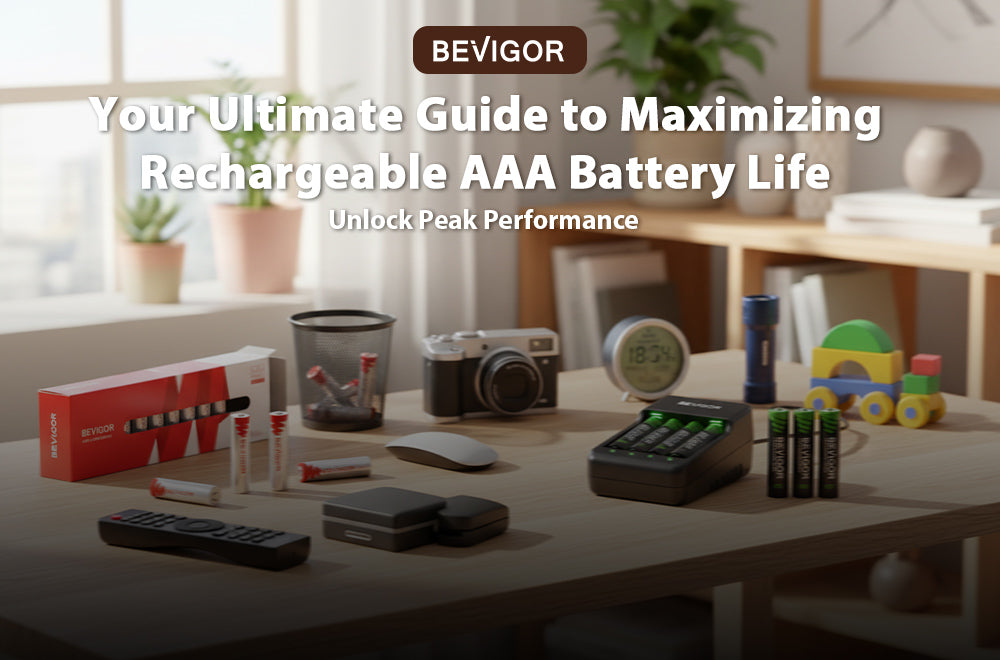
Are your remotes and toys constantly dying? Frequent replacements waste money and harm the planet, especially when you depend on daily electronics.
We will cover capacity, usage habits, and how to properly care for your Rechargeable AAA Batteries.
Understanding the Chemistry Inside Rechargeable AAA Batteries
People often grab the cheapest pack from the store shelf without thinking about what powers their devices. The materials inside dictate how long your gadgets will run. Standard alkaline versions generate power through a reaction that slowly degrades, meaning the voltage drops steadily as you use them until the device simply stops functioning altogether.
NiMH technology works differently to maintain a steady voltage output for a much longer period. This consistent power delivery makes them ideal for modern devices that require a constant energy draw. Researchers at institutions like MIT frequently highlight how rechargeable chemistries offer superior energy retention for household consumer goods. When you use quality NiMH cells, your devices operate at peak performance until the energy is nearly depleted. Furthermore, modern NiMH options do not suffer from the severe memory effect that plagued older generations of batteries, meaning you do not have to worry about completely draining them before every charge.
Everyday Factors That Affect Performance
Here is the deal: not all gadgets consume power at the same rate. A simple wall clock barely sips energy, while a digital camera or a motorized toy will drain power incredibly fast. Because of these distinct differences in operational requirements, the exact running time you achieve will vary heavily based on the specific device you are trying to operate.
Environmental temperature also plays a massive role in battery efficiency. Extreme cold slows down chemical reactions, which can make your devices behave sluggishly even if the cell is fully charged. Conversely, excessive heat can cause permanent damage to the internal structure over time. If you need reliable power options for various temperatures, exploring the Bevigor product catalog can help you match the right chemistry to your specific climate needs, ensuring your electronics stay powered regardless of the weather.
How to Optimize Your Rechargeable AAA Batteries
Many users accidentally destroy their cells simply by charging them incorrectly. The equipment you use to restore power is just as important as the cell itself. If you use a cheap charger that pushes too much current too quickly, it generates excess heat and shortens the overall lifespan of the chemistry inside.
To get the best results, you need to balance charging speed with battery health. When considering the ideal charging time for AAA batteries, you must look at the milliampere hour rating and the output of your specific charging unit. If you have an 800mAh cell and a charger that outputs 200mA, the basic math suggests four hours, though efficiency losses mean it takes slightly longer. Experts at Battery University note that moderate charge rates typically preserve the cycle life significantly better than ultra fast charging solutions that prioritize speed over longevity.

The Economic Value of Rechargeable AAA Batteries
If you find yourself buying a large pack of disposable power cells every few months, your wallet is taking an unnecessary hit. While the initial cost of Rechargeable AAA Batteries and a compatible charger is higher, the long term savings are undeniable.
Think about the math for a standard household. A pack of premium Bevigor NiMH batteries costs significantly less than buying dozens of alkaline packs over a few years. Since each NiMH cell can be reused hundreds of times, the cost per use drops to fractions of a cent. For households with children using battery powered toys or gamers using wireless controllers, the return on investment is usually achieved within the first few months of use. This shift not only saves money but also significantly reduces the amount of chemical waste entering local landfills.
Proper Storage Practices for Rechargeable AAA Batteries
You might have heard the old advice about keeping batteries in the refrigerator to make them last longer. That is actually a terrible idea for modern NiMH cells because the condensation can cause severe corrosion on the metal contacts. Moisture is the ultimate enemy of electronic components and power storage devices.
The smartest way to store your unused cells is in a cool and dry drawer away from direct sunlight. Modern options built by Bevigor feature low self discharge technology, meaning they can hold most of their capacity for months when stored correctly. Keeping them in a dedicated plastic case also prevents accidental short circuits that happen when loose cells touch metal objects like keys or coins in a drawer.
Frequently Asked Questions About Rechargeable AAA Batteries
What is the normal duration for replenishing power?
The exact charging time for AAA batteries usually ranges from four to eight hours using a standard smart charger. The duration depends entirely on the capacity of the cell and the current output of your charging wall block.
Can I leave my cells in the charger overnight?
Most modern smart chargers have automatic shutoff features to prevent overcharging. However, removing them once they reach full capacity is a good habit that prevents unnecessary heat exposure over time.
Do I need to fully deplete the cells before plugging them in?
No. Modern NiMH chemistry does not suffer from the strict memory effect found in older battery types. You can safely top them off when they are half full without damaging their maximum capacity.
Why do my older cells lose power so quickly?
As NiMH cells go through hundreds of discharge cycles, their internal resistance naturally increases. This physical change means they can hold less total energy than they did when they were brand new out of the package.
Which devices are best suited for these power sources?
Any device that requires a continuous heavy power draw benefits immensely from NiMH technology. Think of wireless gaming controllers, remote control cars, and bright LED flashlights rather than simple low drain items like television remotes.
Are they safe to use in children toys?
Yes, they are generally very safe because they do not leak corrosive acid as easily as cheap disposable alternatives. Always ensure the battery compartment is securely screwed shut to prevent accidental swallowing.
Important Usage Notes and Trust Metrics
To ensure you get the safest and most reliable experience from your power solutions, please review these operational guidelines carefully before use.
- Capacity Specifications: The stated milliampere hour ratings are based on official laboratory tests by Bevigor. Your actual device runtime will depend heavily on the specific power draw of your electronics.
- Usage Variables: Real world longevity is affected by room temperature, signal search frequency in wireless devices, and continuous usage habits. Heavy continuous use will deplete the cell faster than intermittent use.
- Avoid Mixing: Never mix fresh cells with depleted ones in the same device. You should also strictly avoid mixing different brand names or combining NiMH types with standard alkaline chemistry.
- End of Life Disposal: When your cells no longer hold a usable charge after hundreds of cycles, do not throw them in the household trash. Please utilize official resources like the EPA recycling guidelines to find a proper drop off location near you.
- Compatibility Validation: Always check your device manual to confirm it accepts 1.2V rechargeable systems. You can find more compatibility details and maintenance advice on the Bevigor support page.






Share:
How to Prevent Battery Failure in Emergency and Backup Devices?
Bevigor AA Lithium Batteries vs Energizer: Which Delivers the Best Value for Your Devices?