

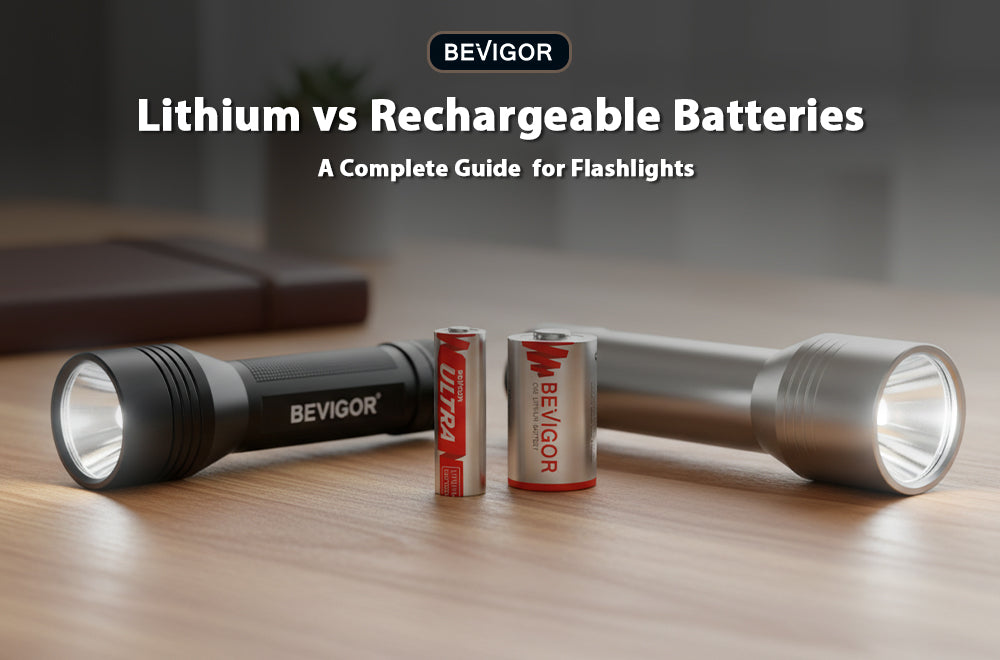
Why Does Battery Choice Matter for Flashlights?
The flashlight battery determines how bright your light is, how long it lasts, and whether it performs reliably in critical situations. From everyday carry to emergency preparedness, choosing the right types of batteries for flashlights directly impacts usability.
For users prioritizing flashlight long battery life and reliability, lithium-based solutions consistently outperform other flashlight batteries types.
What Are Non-Rechargeable Lithium Batteries?
Non-rechargeable lithium (primary lithium) batteries are designed for single use but deliver superior energy density and stability.
Common flashlight battery sizes include:
- lithium AA batteries
- CR123A batteries
- CR2 batteries
Recommended products:
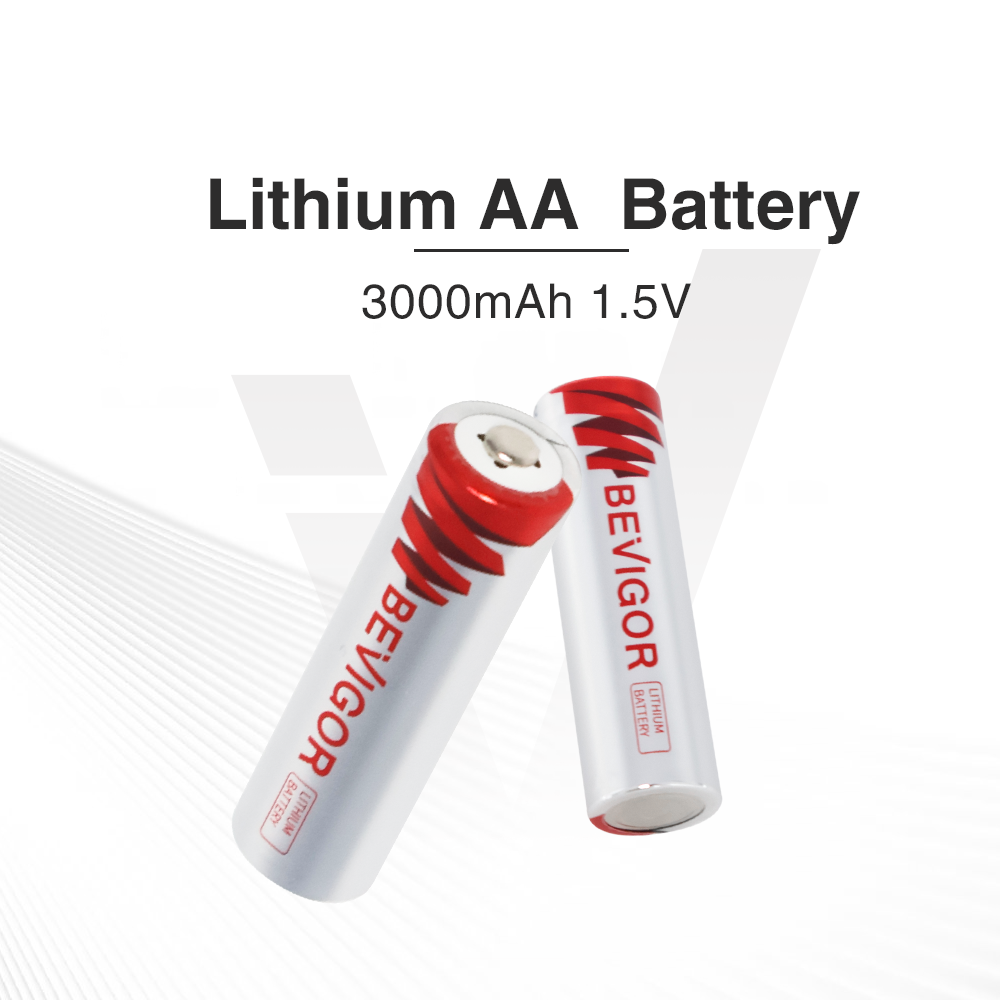
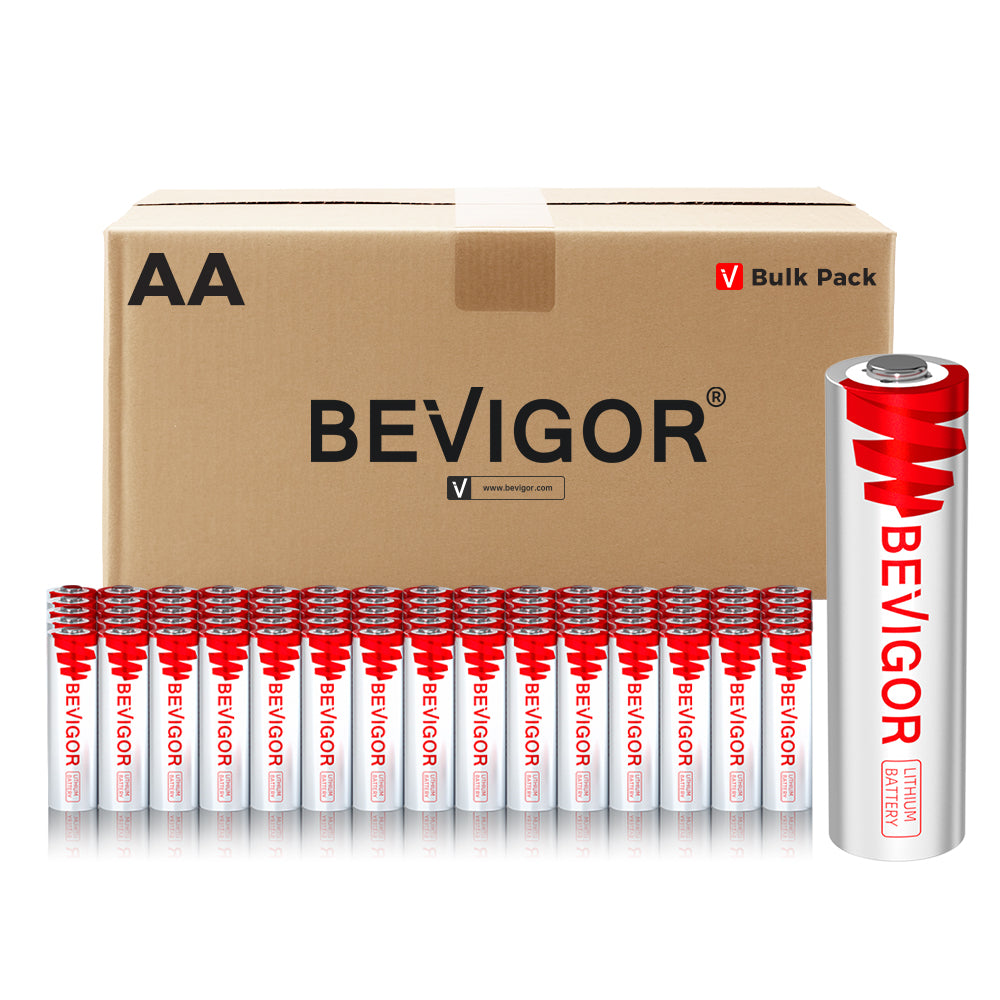
- Bevigor lithium AA batteries: https://bevigor.com/products/bevigor-lithium-aa-batteries-3000mah
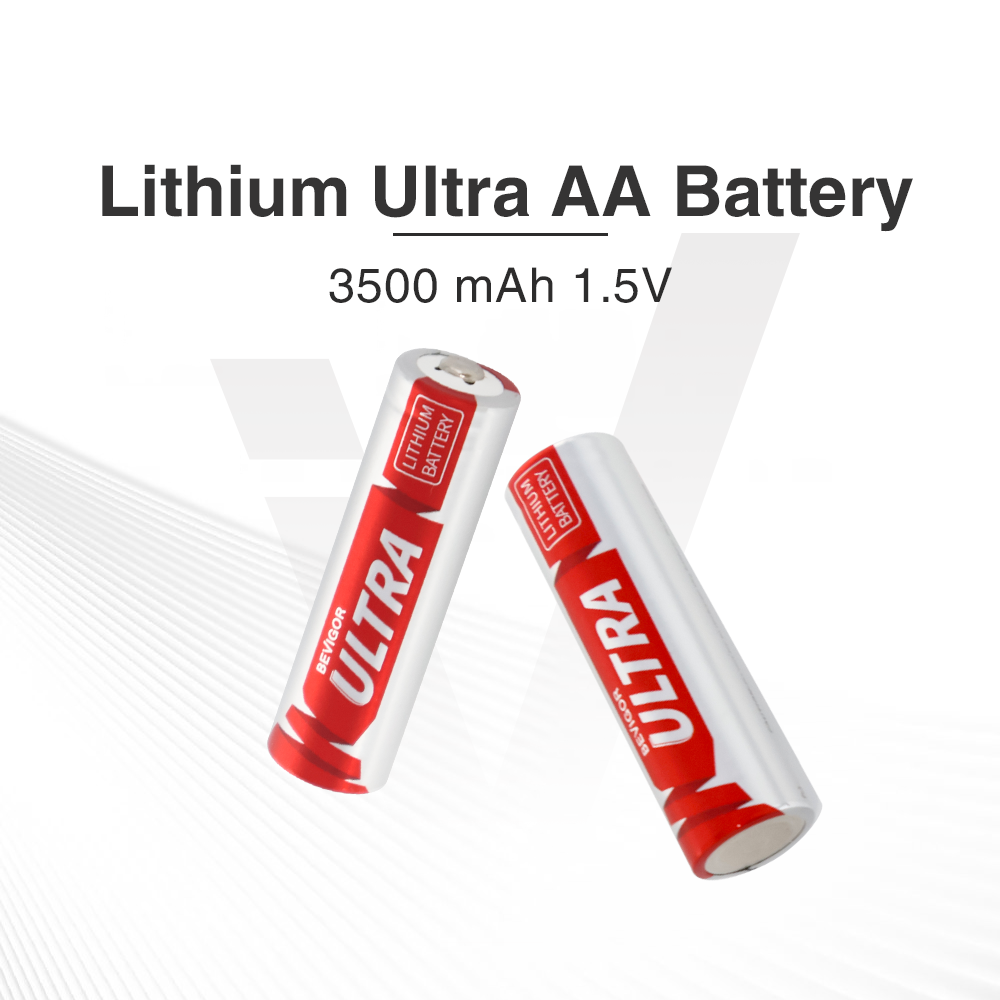
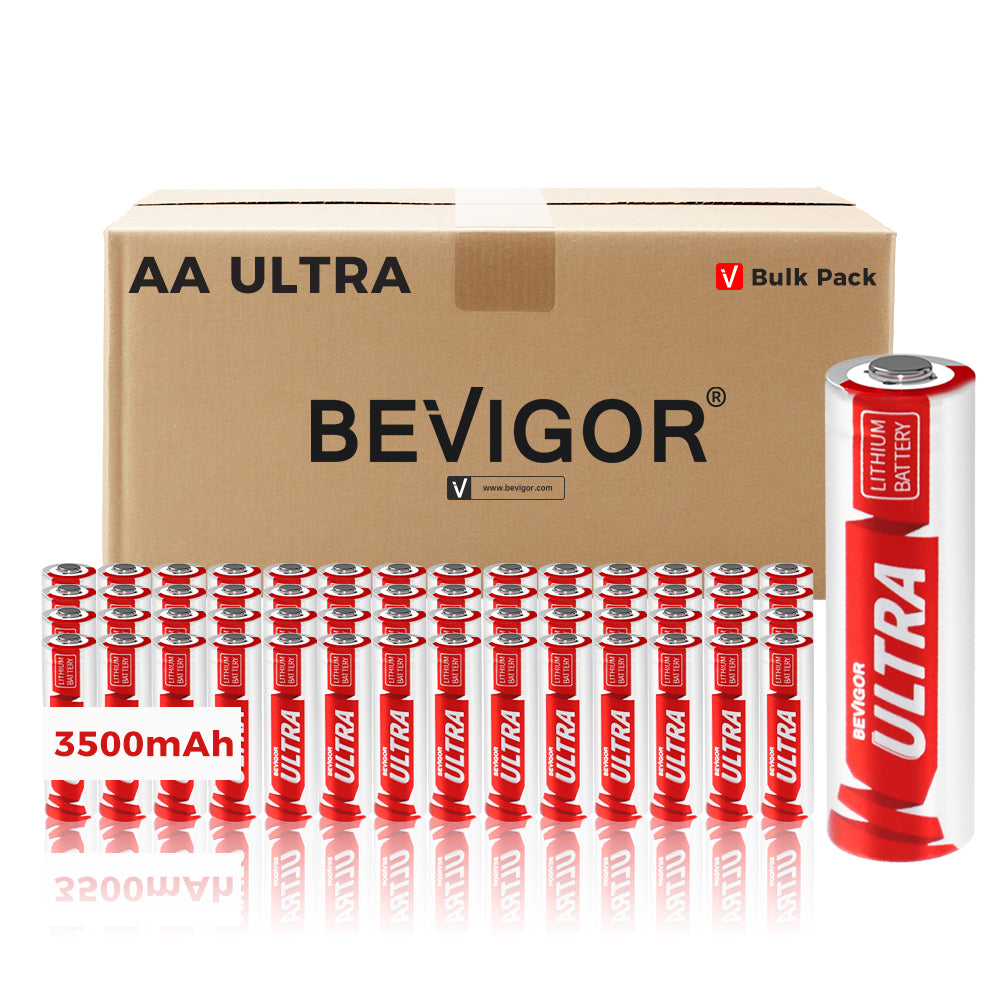
- Bevigor Ultra lithium aa batteries:https://bevigor.com/products/ultra-new-bevigor-lithium-aa
- Bevigor CR123A Lithium Batteries:https://bevigor.com/products/bevigor-cr123a-lithium-batteries-1500mah
- Bevigor CR2 Lithium Batteries:https://bevigor.com/products/bevigor-cr2-12pack
These batteries for flashlight use are widely adopted in high-demand scenarios where performance cannot fail.
What Are Rechargeable Lithium Batteries?
Rechargeable lithium batteries (Li-ion) such as 18650 or 21700 are commonly used in modern flashlights. They can be reused hundreds of times and are suitable for frequent usage.
However, they require:
- Charging devices
- Voltage control
- Proper storage management
This adds complexity compared to primary flashlight lithium batteries.
Lithium vs Rechargeable Batteries: Key Differences
Stable Output for Consistent Brightness
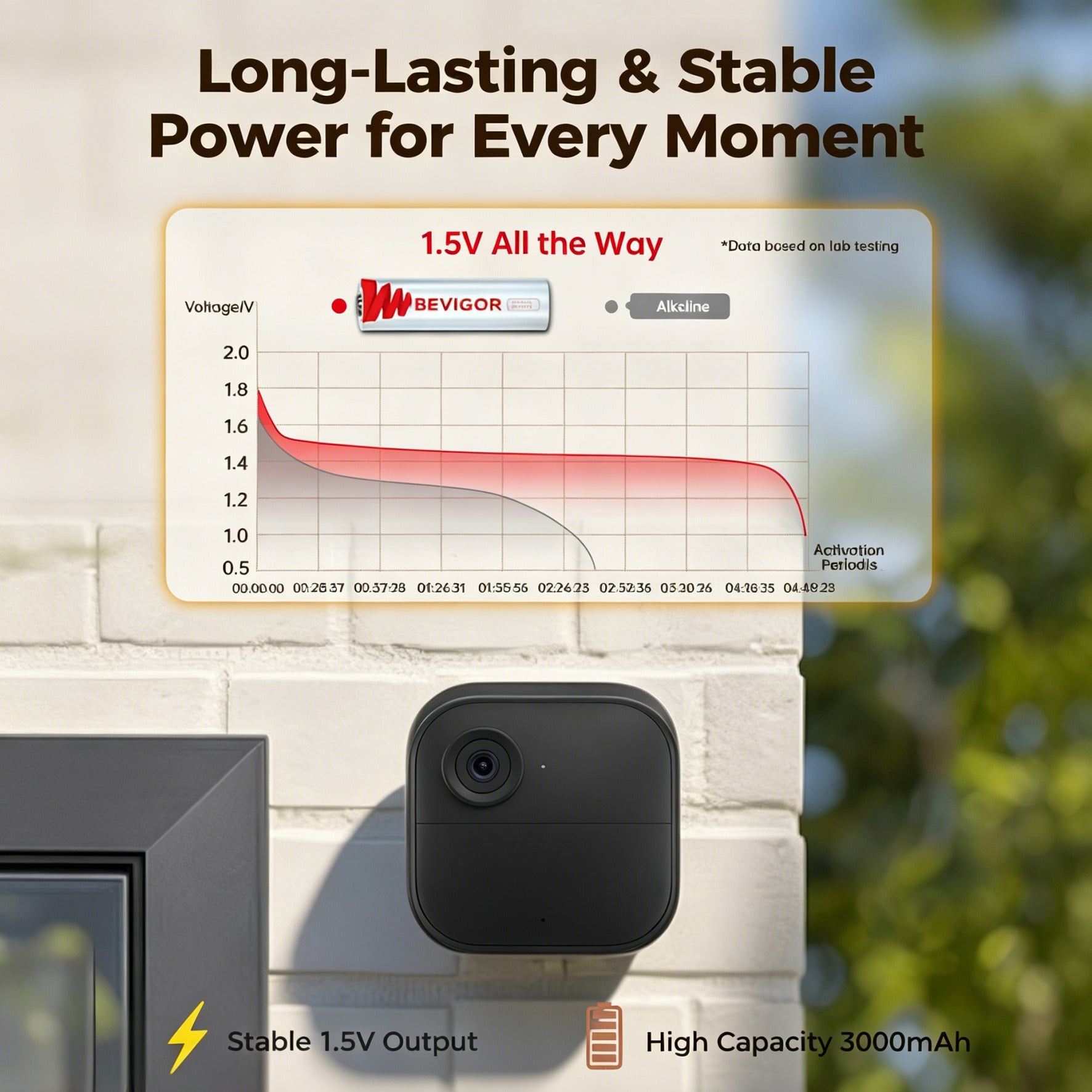
Primary lithium batteries provide stable voltage, ensuring consistent brightness across the entire runtime. This is critical for flashlights and batteries used in professional or outdoor conditions.
Rechargeable batteries may experience voltage drops, especially under high load.
Longer Shelf Life for Emergency Readiness
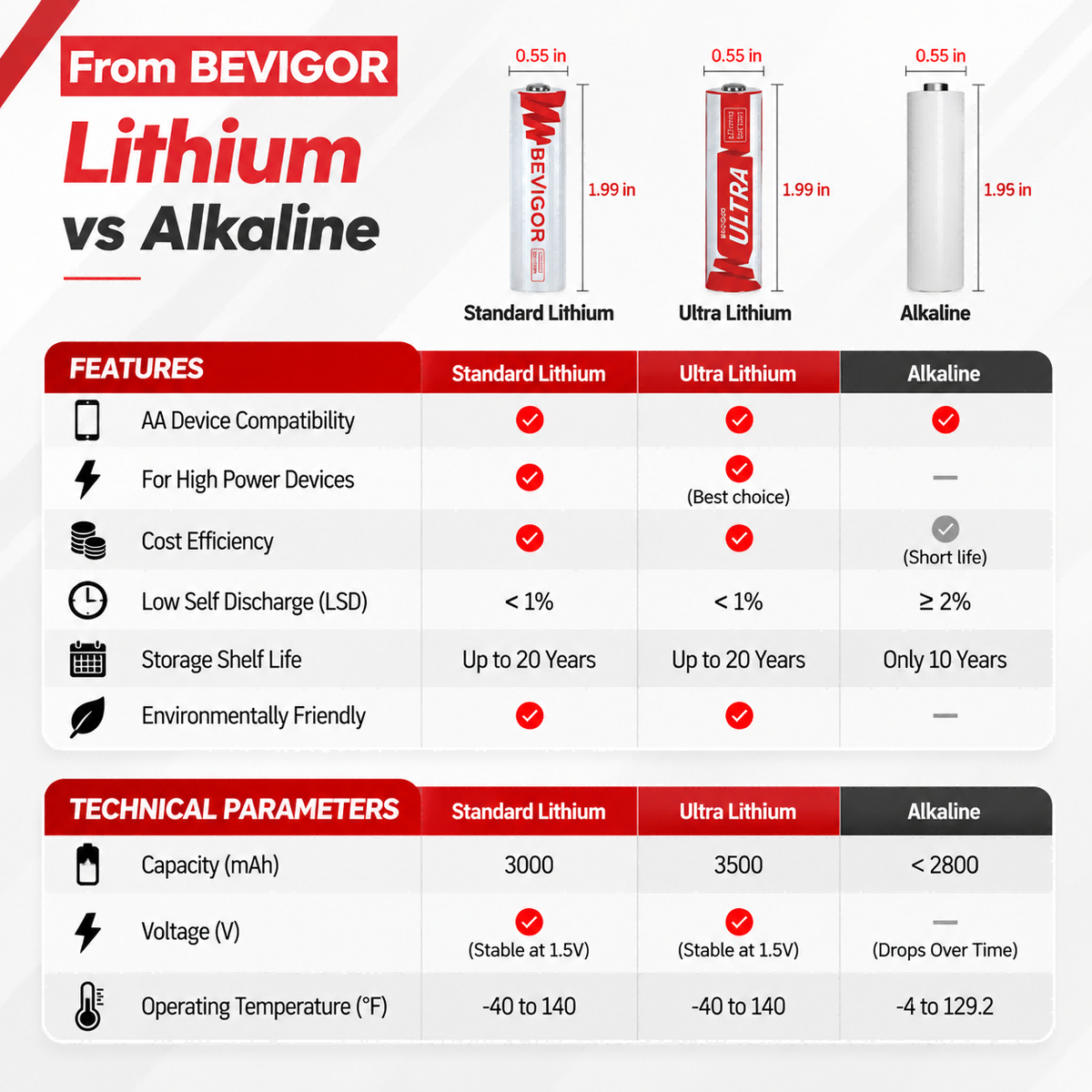
Non-rechargeable lithium batteries can last up to 10–20 years in storage. This makes them ideal for emergency kits and backup batteries in flashlight setups.
Rechargeable batteries require periodic charging and maintenance.
Safety and Simplicity
Primary lithium batteries eliminate risks related to overcharging and complex charging systems. They are simple, safe, and ready to use anytime.
Rechargeable batteries require careful handling and compatible chargers.
Performance in Extreme Conditions
Lithium batteries maintain performance in cold environments, making them the best batteries for flashlights used outdoors.
Real-World Applications: Which Batteries Work Best?
1. Everyday Carry (EDC) Flashlights
For pocket or keychain lights, compact batteries for small flashlights are essential.
- Best choice: AA lithium batteries
- Benefit: Lightweight, long runtime, no maintenance
These are ideal replacements for a Braun flashlight battery or similar compact devices.
2. Home Backup and Emergency Kits
Flashlights stored for emergencies require batteries that won’t degrade over time.
- Best choice: lithium AA batteries
- Key advantage: Long shelf life and leak resistance
Unlike alkaline batteries, lithium ensures your flashlight battery works when needed most.
3. Outdoor and Camping Use
Outdoor environments demand reliable flashlight batteries that perform in cold, wet, or remote conditions.
- Best choice: CR123A or lithium AA
- Benefit: Stable output and resistance to temperature extremes
These are commonly used in batteries for Bushnell flashlights and other outdoor gear.
4. Tactical and Professional Use
Law enforcement, security, and tactical users require maximum reliability.
- Best choice: CR123A lithium batteries
- Benefit: High voltage, consistent brightness
Recommended:
These provide dependable power for high-performance flashlight batteries types.
5. Compact Devices and Specialty Equipment
Devices requiring small flashlight batteries often use CR2 cells.
- Best choice: CR2 lithium batteries
- Benefit: Compact size with strong performance
Recommended:
6. High-Drain Flashlights
For high-lumen flashlights, battery performance directly affects output.
- Best choice: Lithium-based solutions
- Benefit: Higher energy density and efficiency
While rechargeable batteries can work here, primary lithium offers simpler and more reliable operation for critical use.
Why Lithium AA Batteries Stand Out
Among all battery sizes for flashlights, lithium AA batteries offer the best balance of compatibility, performance, and convenience.
Key advantages:
- Higher capacity than alkaline
- Lightweight for portability
- Leak-resistant design
- Wide temperature tolerance
For both retail and bulk buyers:
- https://bevigor.com/products/bevigor-lithium-aa-batteries-3000mah
- https://bevigor.com/products/aa-lithium-batteries-3000mah-bulk
These aa lithium batteries are optimized for consistent output and extended runtime.
When Should You Use Rechargeable Batteries?
Rechargeable batteries are suitable if:
- You use flashlights daily
- You want to reduce long-term cost
- You have reliable charging access
However, for mission-critical scenarios, non-rechargeable lithium remains the best flashlight batteries option.
If you have toys like fairy lights, you can also choose rechargeable batteries for economic efficiency and environmental protection.
Where to Buy Reliable Flashlight Batteries
- Retail: https://bevigor.com/
- Bulk orders: https://bevigor.com/pages/bulk-wholesale
- Contact: https://bevigor.com/pages/contact-us
Conclusion
Choosing the right batteries for flashlights depends on your application. For most users—especially in outdoor, emergency, or professional settings—non-rechargeable lithium batteries deliver unmatched reliability.
With longer shelf life, stable output, and superior durability, they are the best batteries for flashlights when performance matters most.
What’s Next?
In the next guide, we will explore rechargeable batteries for flashlights, including lithium-ion performance, charging strategies, and how to optimize long-term usage for cost efficiency.
FAQs
What are the best batteries for flashlights?
Lithium batteries for flashlight use are the best due to long runtime, stable voltage, and reliability.
Are lithium AA batteries better than rechargeable?
For storage, safety, and reliability, lithium AA batteries outperform rechargeable options.
Why do flashlight batteries drain quickly?
Low-quality batteries or high-drain devices can cause fast depletion. Upgrading to lithium AA batteries improves performance.
Which battery lasts the longest?
Primary lithium batteries offer the longest shelf life, while rechargeable batteries provide reusable cycles.






Share:
How Long Do Hearing Aid Batteries Last?
How to Prepare Your Home for Family Emergencies