


Emergencies can happen without warning—power outages, natural disasters, or unexpected disruptions. Knowing how to prepare your home for family emergencies ensures your family stays safe, calm, and connected when it matters most.
This guide answers the most important questions about emergency preparedness, while helping you build a reliable system that actually works in real-life situations.
What Is a Family Emergency Preparedness Plan?
A family emergency preparedness plan is a clear set of actions your household follows during a crisis. It ensures everyone knows what to do, where to go, and how to stay in contact.
What questions should your plan answer?
- How will you receive emergency alerts?
- Where will you go if you must evacuate?
- How will family members communicate if separated?
- What supplies are needed to survive at least 72 hours?
A strong plan reduces panic and saves critical time during emergencies.
What Should Be in an Emergency Kit?
A well-prepared emergency kit is the foundation of home safety.
Essential emergency kit checklist
- At least 3 days of non-perishable food
- 1 gallon of water per person per day
- First aid kit and medications
- Flashlights and backup lighting
- Multi-tool and manual can opener
- Hygiene and sanitation supplies
- Important documents (copies)
Why batteries are critical in emergencies
During power outages, batteries become your primary energy source. Devices like flashlights, radios, and emergency tools all depend on them.
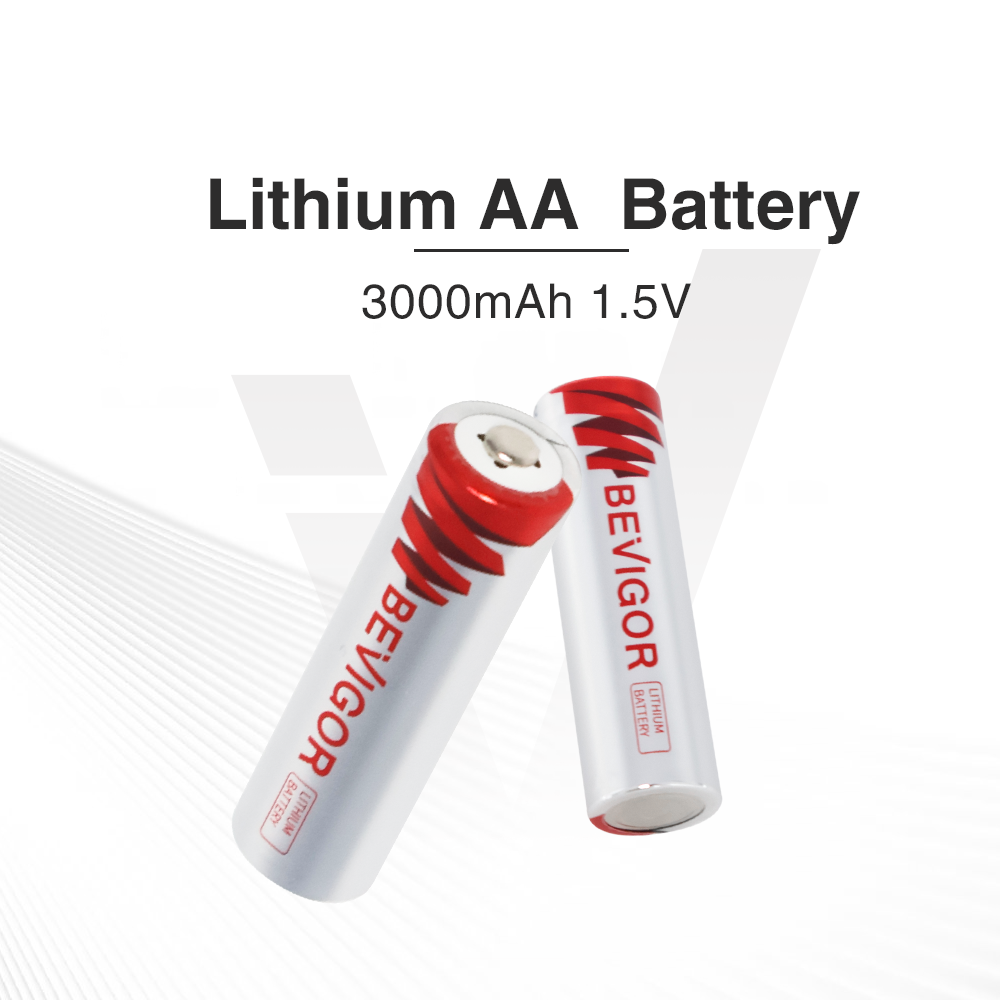
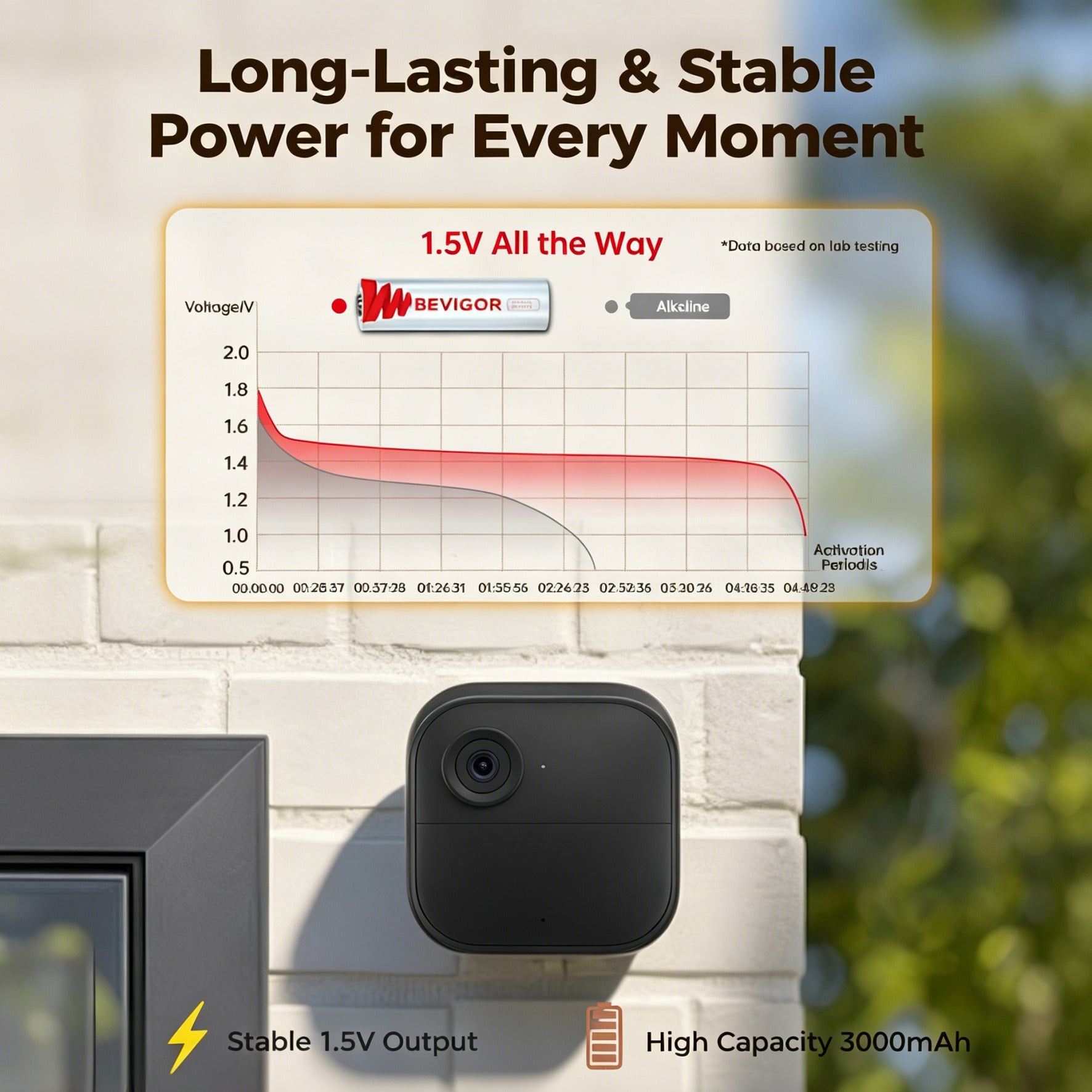
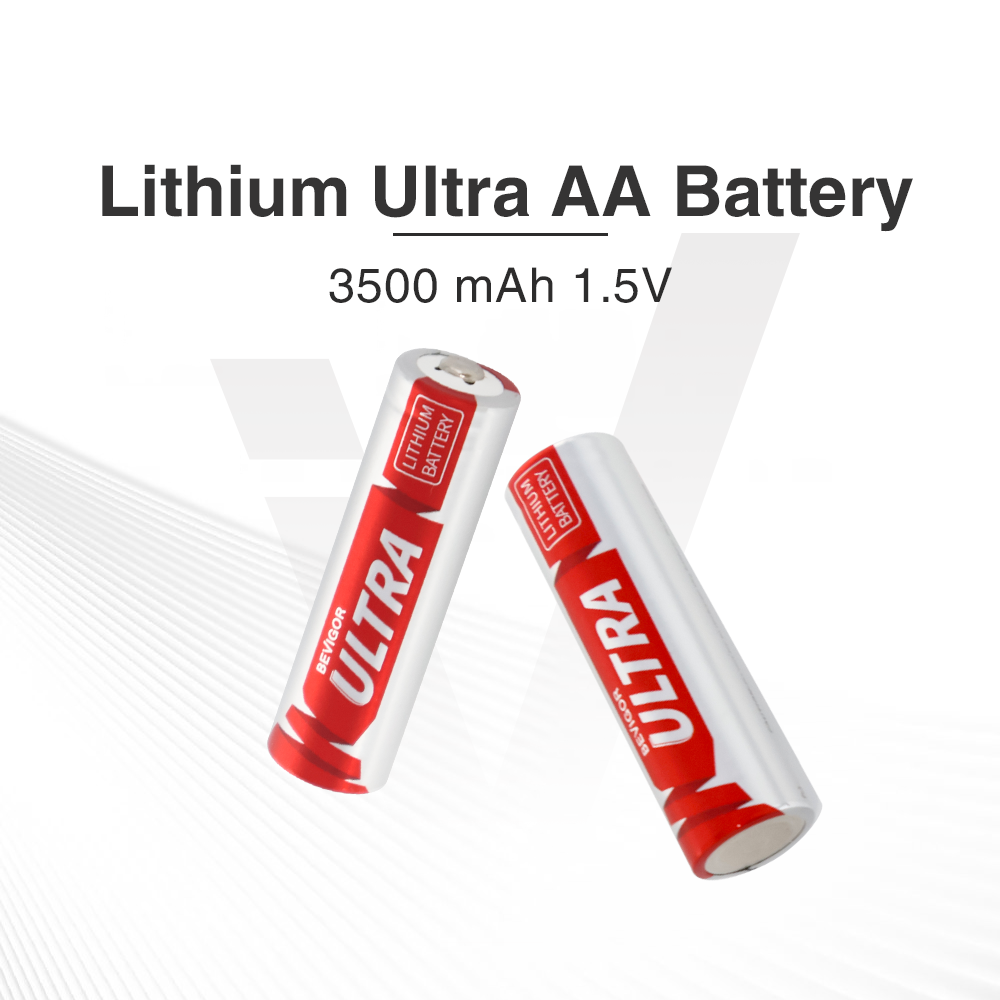
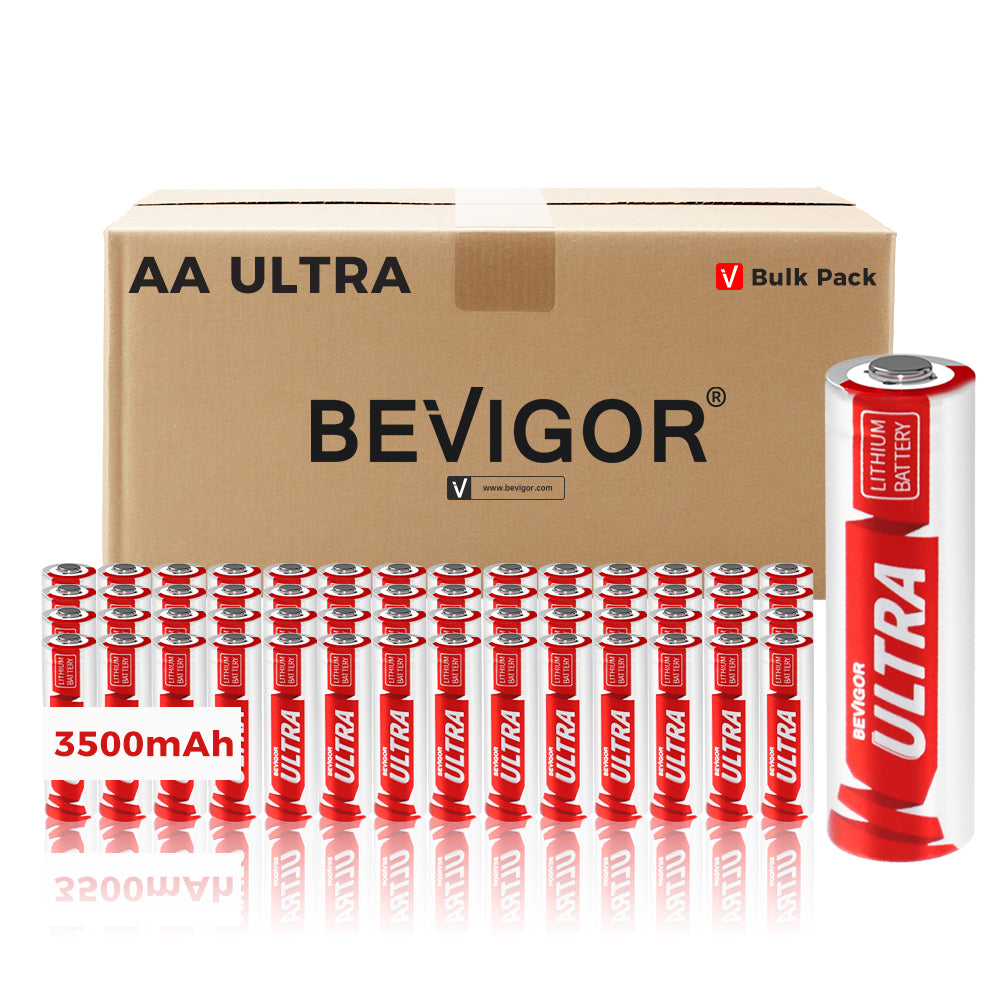
Using high-performance batteries like Bevigor lithium AA batteries ensures:
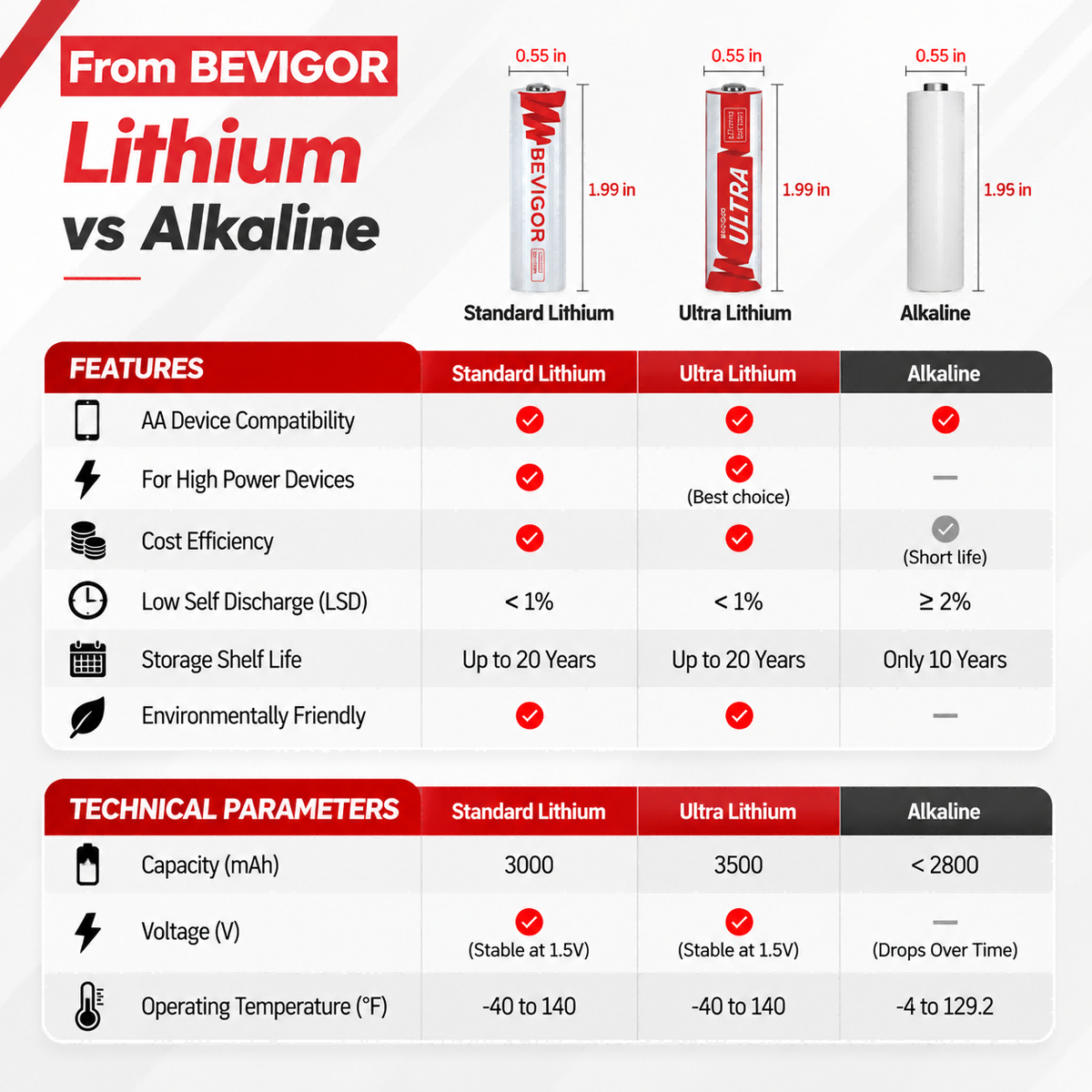
- Longer shelf life (up to 20 years)
- Reliable power in extreme temperatures
- Leak-resistant and stable performance
👉 Explore reliable emergency power solutions: https://bevigor.com/
Should You Use Rechargeable or Non-Rechargeable Batteries?
This is one of the most common emergency preparedness questions.
When to use lithium (non-rechargeable) batteries
Bevigor lithium AA batteries are ideal for:
- Emergency kits (long-term storage)
- Backup flashlights
- Smoke detectors and radios
They hold power for years without losing charge, making them perfect for “just-in-case” scenarios.
When to use rechargeable batteries
Bevigor rechargeable batteries and charger are better for:
- Daily-use devices
- Frequent power consumption (toys, remotes, cameras)
- Reducing long-term costs
Best strategy: use both
A smart emergency setup includes:
- Lithium batteries for backup reliability
- Rechargeable batteries for everyday use
This combination ensures you’re never without power.
How Do You Prepare Your Home for Power Outages?
Power outages are one of the most common emergencies.
Key preparation steps
- Keep multiple flashlights in accessible locations
- Store extra batteries in a dry, organized container
- Use battery-powered or hand-crank radios
- Charge power banks in advance
Having dependable batteries like Bevigor lithium AA batteries ensures your essential devices keep working when the grid goes down.
How to Create a Family Communication Plan
Staying connected during emergencies is critical.
Simple communication strategy
- Create a shared contact list
- Set a designated meeting point (home + outside area)
- Establish check-in times
- Use SMS or radio if networks fail
Make sure every family member understands the plan—including children.
How to Prepare for Different Types of Emergencies
Different risks require different preparation strategies.
Natural disasters
- Storms: reinforce windows, store emergency kits
- Earthquakes: secure furniture and appliances
- Wildfires: clear flammable materials around your home
Man-made emergencies
- Power grid failures
- Chemical incidents
- Civil disruptions
Understanding your local risks helps you prepare more effectively.
How Much Emergency Supply Do You Really Need?
At minimum, prepare for 72 hours, but ideally aim for 1–2 weeks if possible.
Key supply guidelines
- Water: 1 gallon per person per day
- Food: easy-to-store, ready-to-eat items
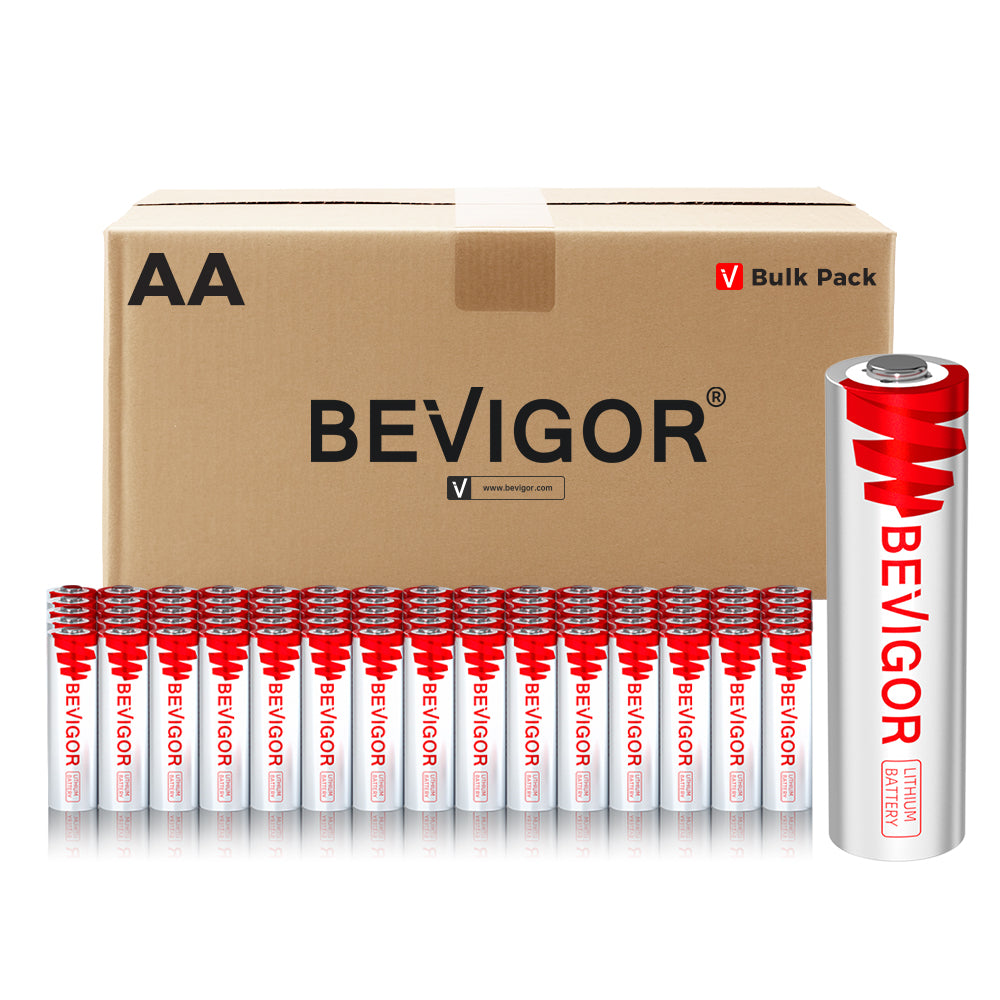
- Batteries: enough to power essential devices multiple times
Reliable storage solutions and long-lasting batteries make a huge difference in extended emergencies.
Why Reliable Power Is the Most Overlooked Factor
Many emergency kits fail because of unreliable power sources.
Cheap or low-quality batteries can:
- Lose charge over time
- Fail in extreme temperatures
- Leak and damage devices
That’s why investing in trusted solutions like Bevigor lithium AA batteries and Bevigor rechargeable batteries with charger is essential for long-term preparedness.
👉 Learn more about dependable battery solutions: https://bevigor.com/
How to Stay Ready All Year Round
Emergency preparedness is not a one-time task.
Ongoing maintenance checklist
- Check battery levels every 6–12 months
- Replace expired food and water
- Update emergency contact information
- Run family emergency drills
Consistency ensures your plan works when you need it most.
Final Thoughts: Be Ready Before It Happens
Preparing your home for emergencies isn’t about fear—it’s about control and confidence.
With the right plan, supplies, and reliable power from Bevigor lithium AA batteries and Bevigor rechargeable battery systems, your family can handle unexpected situations safely and efficiently.
Start preparing today—because when emergencies happen, preparation makes all the difference.






Share:
Lithium vs Rechargeable Batteries for Flashlights: A Complete Guide
Hearing Aid Battery Sizes and Types Explained Best Guide