

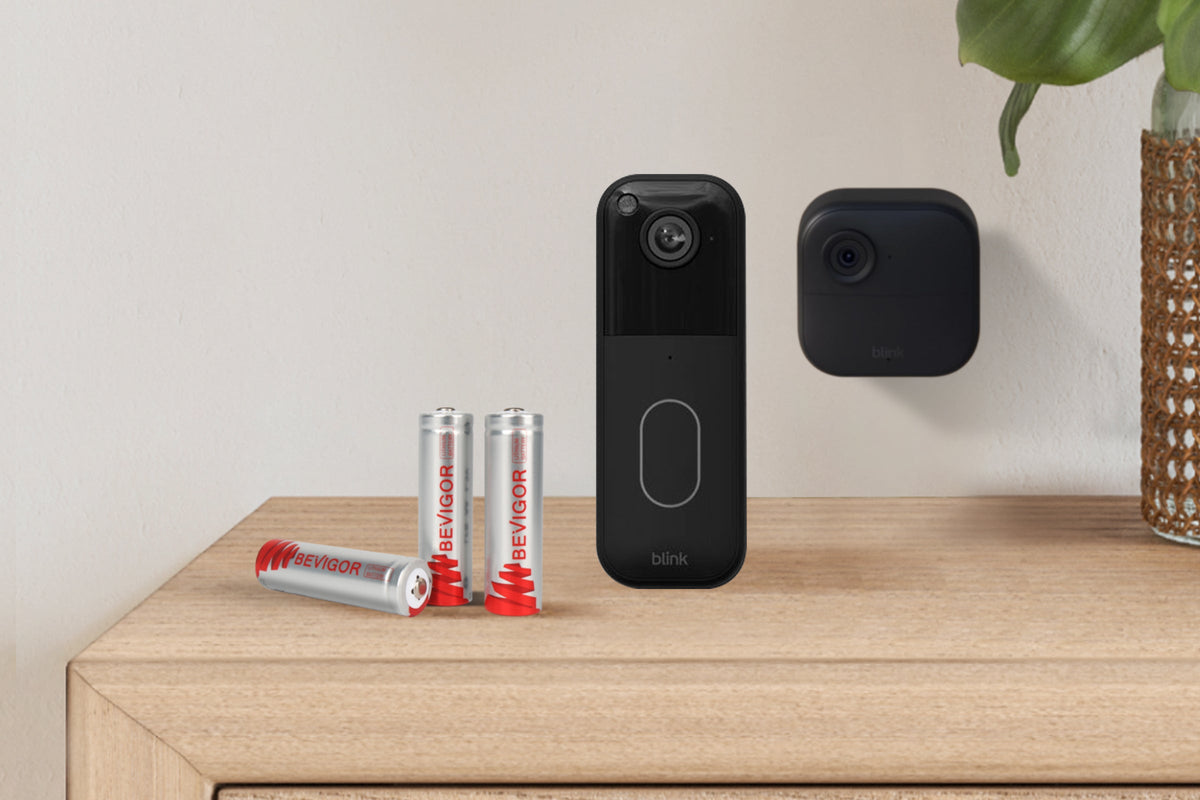
For Blink cameras that use replaceable AA batteries, choose the battery type specified for that exact model. Blink's current general power guide specifies AA 1.5V lithium non-rechargeable batteries for its named AA-powered cameras, but the battery count and power system can differ by model and generation. Rechargeable NiMH, rechargeable lithium-ion, and alkaline AA batteries should not be treated as equivalent substitutes simply because they fit the compartment.
This guide explains how the common AA battery types differ, what Blink specifies, and what to check before buying batteries for an Outdoor 4 or another AA-powered Blink camera.
What Batteries Does Blink Recommend?
Blink's current power guide lists AA 1.5V lithium non-rechargeable batteries for several replaceable-battery cameras, including Outdoor 4, Outdoor and Indoor (3rd Gen), XT2, XT, and Indoor (1st Gen). Other Blink products use USB, USB-C, hardwired power, or model-specific battery configurations. Confirm the full model and generation on the official Blink camera power guide before purchasing or installing batteries.
The words AA and lithium are not enough by themselves. Check all four details:
- Size: AA
- Nominal voltage: 1.5V
- Chemistry: lithium primary, where specified
- Rechargeability: non-rechargeable
Comparing AA Battery Types for Blink Cameras
| Battery type | Typical labeled voltage | Rechargeable? | Practical guidance |
|---|---|---|---|
| Primary lithium AA | 1.5V | No | Matches Blink's published requirement for the named AA-powered models when the size and labeling also match. |
| Alkaline AA | 1.5V | No | Same nominal voltage, but not the lithium chemistry Blink specifies for those models. |
| NiMH AA | 1.2V | Yes | Different voltage and rechargeable chemistry; do not assume compatibility based on size. |
| Rechargeable lithium AA | Often labeled 1.5V | Yes | Still rechargeable and therefore different from Blink's specified non-rechargeable type. |
| 14500 lithium-ion | Usually 3.6V or 3.7V | Yes | Not an interchangeable AA substitute; the much higher voltage can create a device-safety risk. |
Primary Lithium AA Batteries
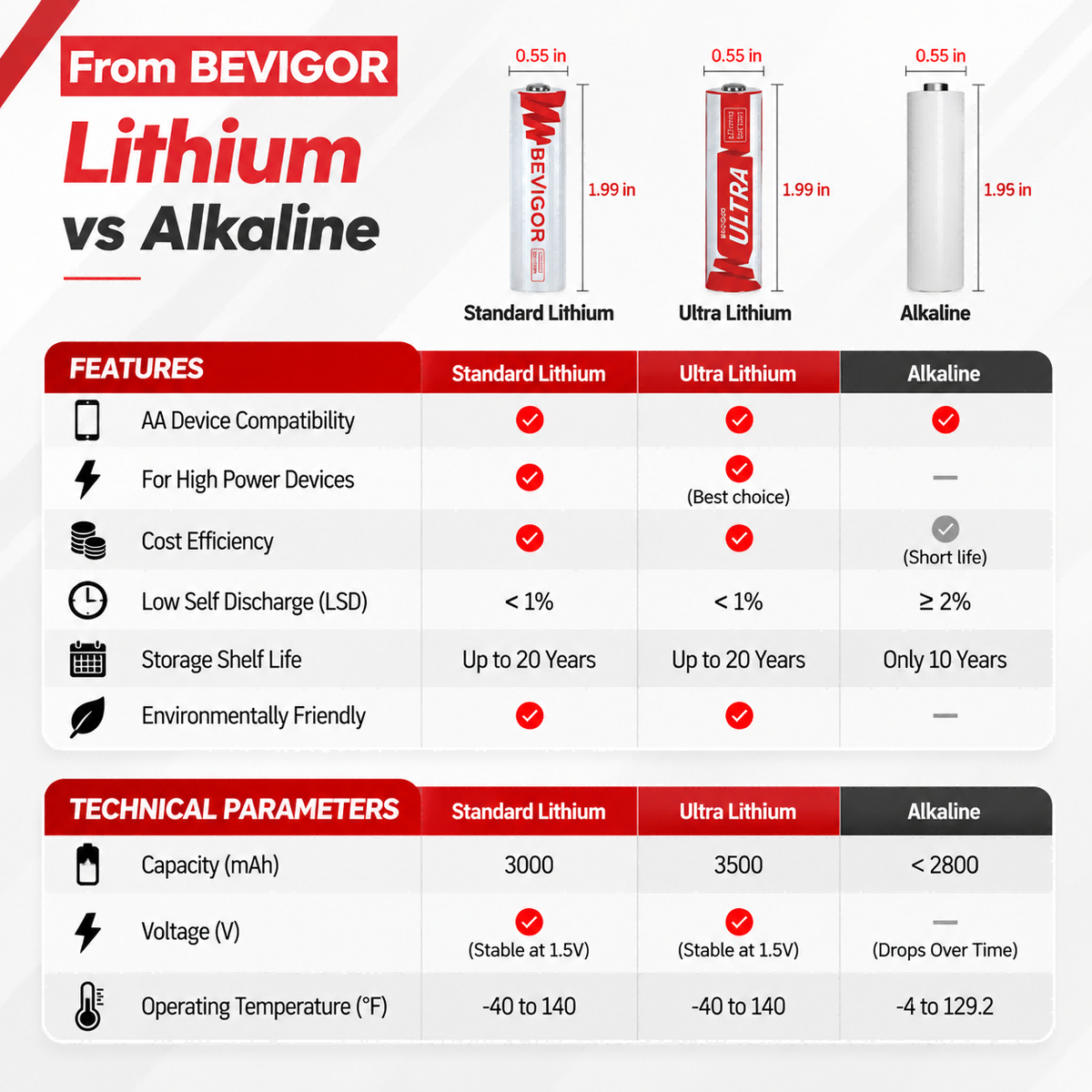
Primary lithium AA batteries are single-use cells labeled 1.5V and non-rechargeable. This is the category Blink specifies for the AA-powered models named in its support guidance. They are commonly chosen for outdoor, battery-powered devices because they handle demanding conditions differently from alkaline and rechargeable chemistries.
Battery life is not fixed. Camera activity, recording length, Live View use, photo capture, temperature, Wi-Fi signal quality, and battery age can all affect replacement intervals. Treat any runtime estimate as conditional rather than guaranteed.
Alkaline AA Batteries
Alkaline cells are widely available and are normally labeled 1.5V, but matching the nominal voltage does not make them the same as primary lithium batteries. For Blink models that specify lithium AA cells, alkaline batteries do not match the listed chemistry. They may also produce different battery-level reporting and service life.
Rechargeable NiMH AA Batteries
NiMH rechargeable AA cells are commonly labeled 1.2V. Although their physical size is similar to an AA primary battery, their voltage and discharge behavior are different. They therefore should not be presented as a recommended alternative for a Blink camera that specifies 1.5V lithium non-rechargeable cells.
Rechargeable lithium AA batteries also require care. A regulated rechargeable cell may be labeled 1.5V, but it is still rechargeable and does not match a non-rechargeable requirement. A 14500 lithium-ion cell is more concerning because it can resemble an AA battery while carrying a much higher nominal voltage.
The key distinction is that rechargeable cells should not be treated as interchangeable with a primary lithium battery simply because the package says AA or 1.5V.
Do BEVIGOR Lithium AA Batteries Match the General Requirement?
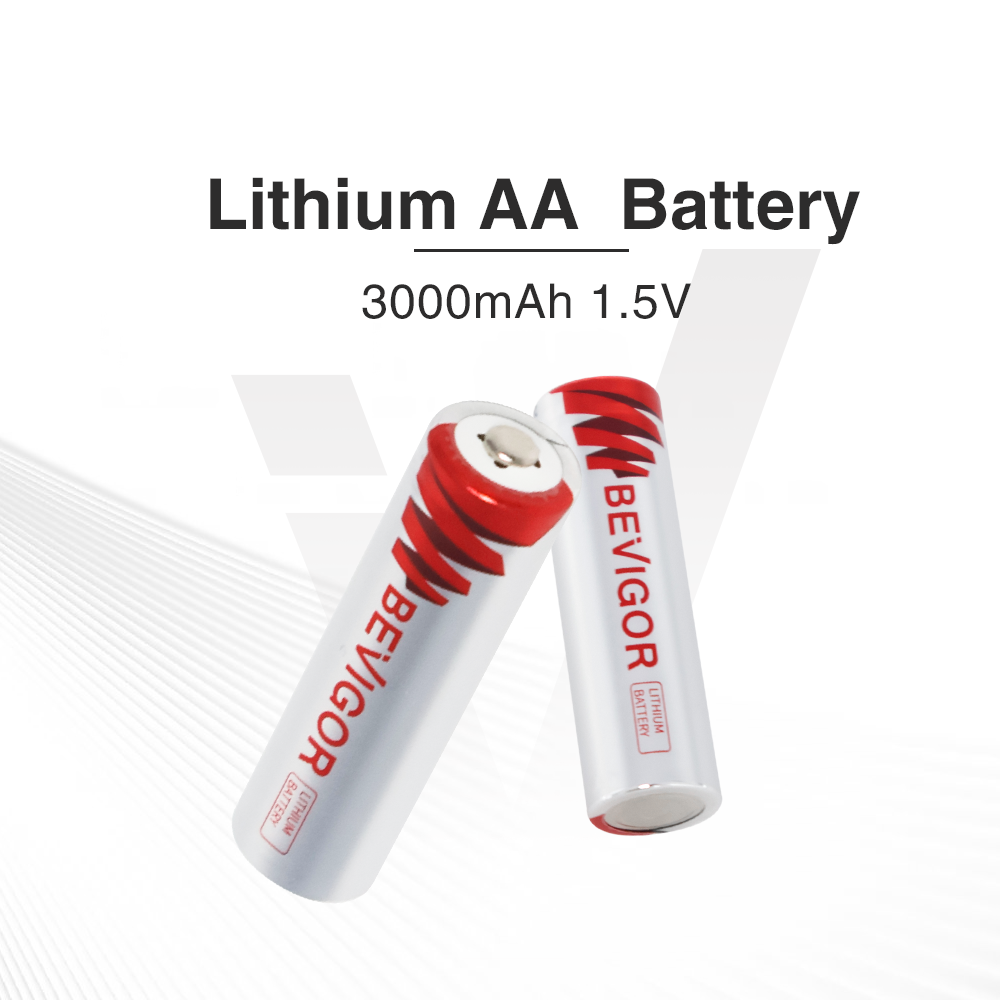
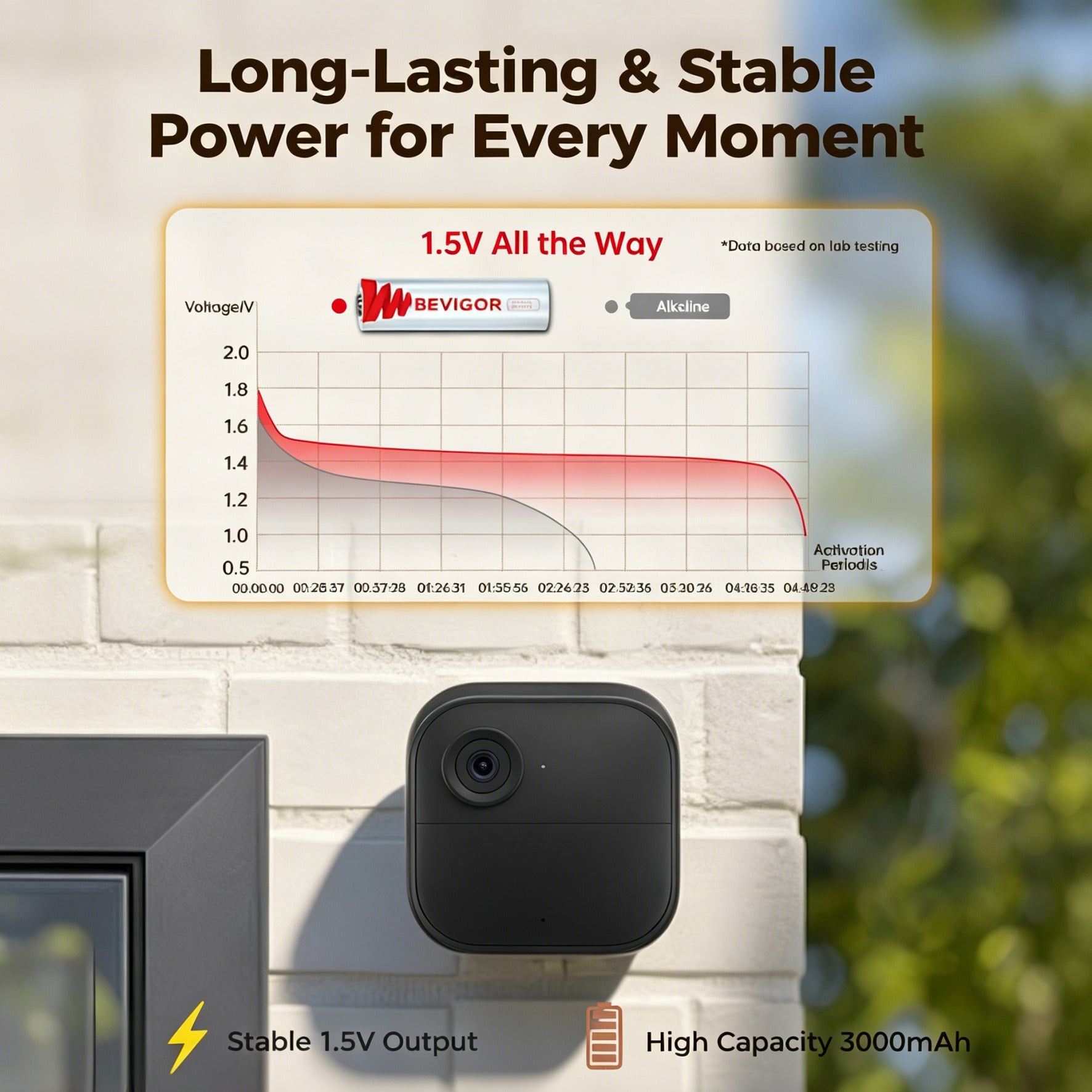
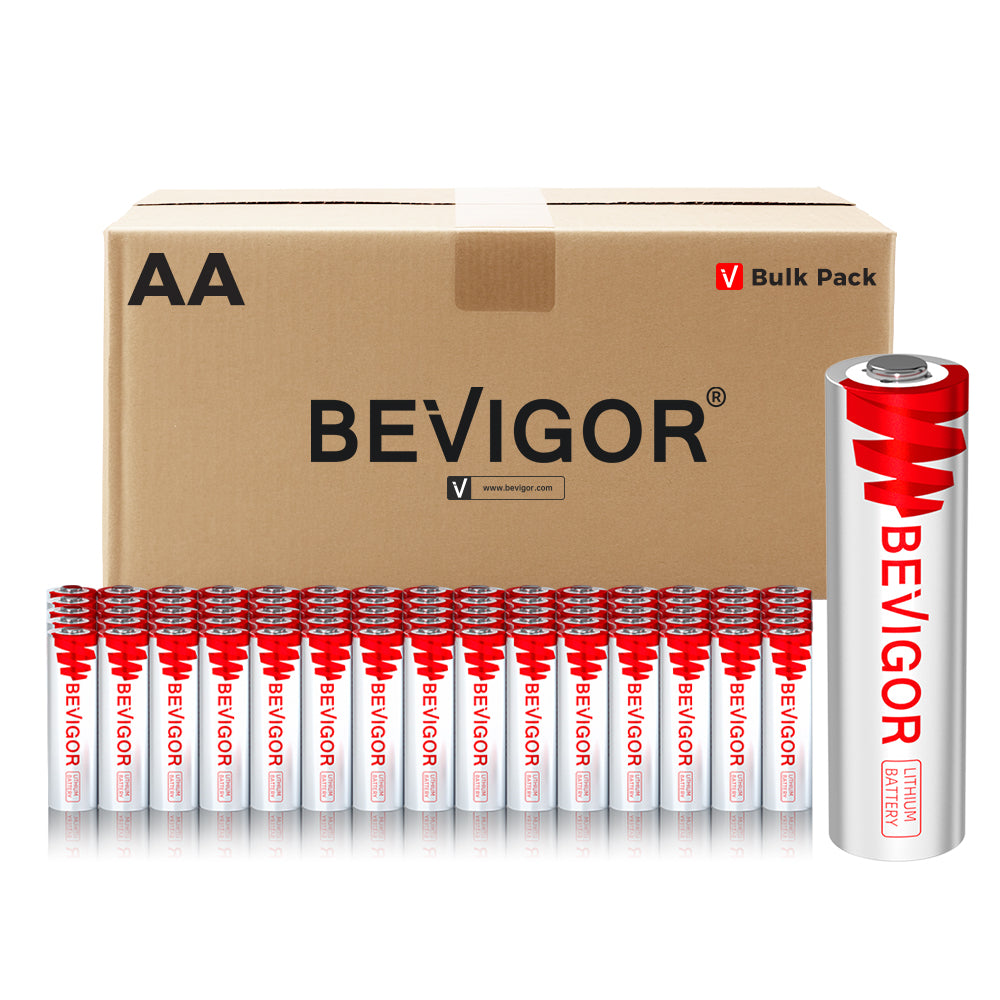
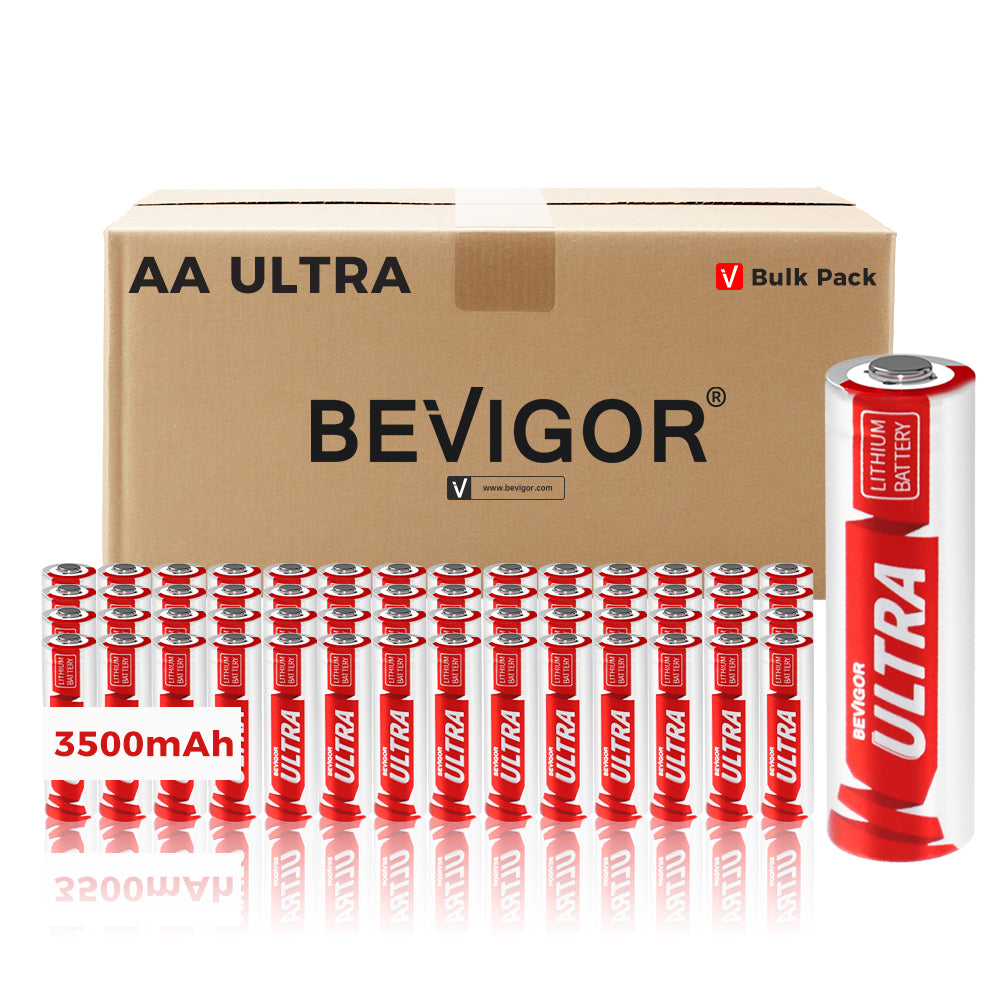
BEVIGOR's 3000mAh AA lithium batteries are currently labeled AA, 1.5V, lithium, and non-rechargeable. Those published specifications match the general battery category Blink lists for its named AA-powered cameras, but an electrical label match does not mean Blink has approved, authorized, or endorsed a third-party battery. Blink states that third-party power solutions are not supported. Follow the current instructions for your exact camera model, including any named battery brand or model.
View BEVIGOR 3000mAh AA lithium batteries.
How to Help Blink Camera Batteries Last Longer
Battery selection is only one part of camera runtime. These practical checks can help reduce unnecessary power use:
- Review motion settings: Excessive sensitivity or broad activity zones can create frequent recordings.
- Keep clips purposeful: Longer recordings and frequent retriggers use more energy.
- Limit unnecessary Live View sessions: Live video adds active camera time.
- Check Wi-Fi signal quality: Follow Blink's placement and connection guidance if the camera has an unreliable connection.
- Replace the complete battery set: Confirm the cell count for the exact model, then use new cells of the same brand, chemistry, and age and install them in the marked orientation.
If you are installing or diagnosing an Outdoor 4, use our Blink Outdoor 4 setup and troubleshooting guide. If a camera continues showing low-battery warnings after replacement, see the Blink camera battery replacement guide.
Frequently Asked Questions
What are the best batteries for Blink cameras?
Use the type specified for your exact model. For the AA-powered models named in Blink's current guidance, that means AA 1.5V lithium non-rechargeable batteries.
Can I use alkaline AA batteries in a Blink camera?
Alkaline AA batteries may share the same nominal 1.5V rating, but they do not match the lithium chemistry Blink specifies for its named AA-powered cameras. Use the manufacturer-specified type.
Can I use rechargeable AA batteries in a Blink camera?
Rechargeable NiMH cells are typically 1.2V, while rechargeable lithium AA products have different electronics and are still rechargeable. Neither should be assumed to match a requirement for 1.5V lithium non-rechargeable batteries.
Will lithium AA batteries always last two years?
No fixed runtime applies to every camera. Battery life varies with motion activity, recording and Live View use, camera settings, temperature, Wi-Fi conditions, and battery age.
Bottom Line
Do not choose a Blink camera battery by size alone. For models that specify AA 1.5V lithium non-rechargeable batteries, match the size, voltage, chemistry, and non-rechargeable designation. That approach is more reliable than treating alkaline, NiMH, rechargeable lithium AA, or 14500 cells as interchangeable.
After confirming compatibility, use our battery label and pack-size checklist to calculate complete replacement and spare sets without overbuying.






Share:
How to Set Up and Troubleshoot the Blink Outdoor 4?
Ditch the Battery Swaps: Why Bevigor Lithium AA Batteries are Your Trail Camera's Best Friend