

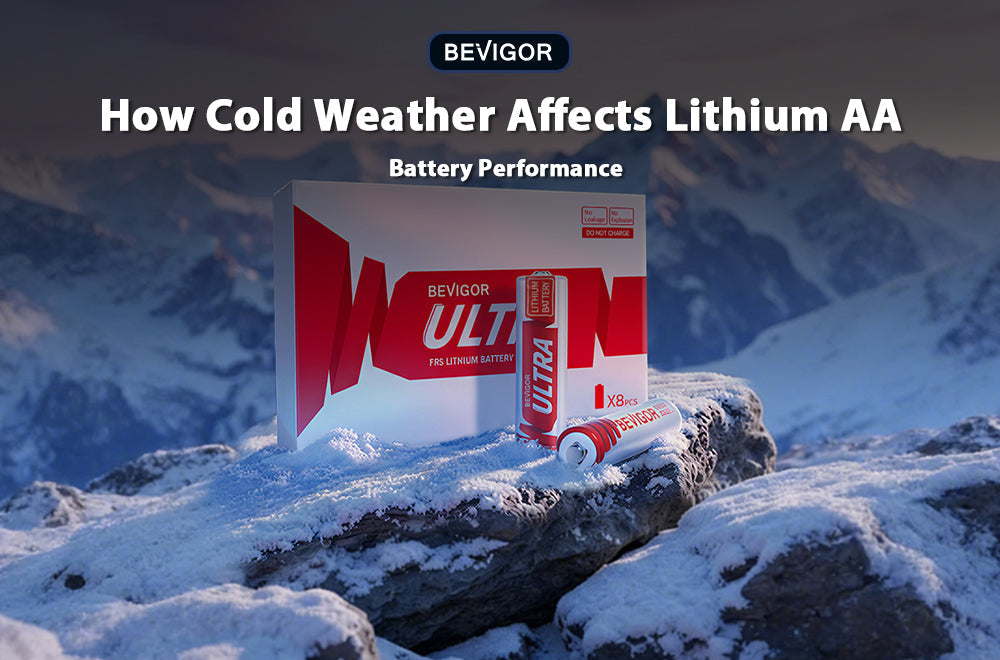
When the temperature drops, battery performance often follows suit, leaving homeowners and professionals frustrated with dead devices. Whether you are managing a fleet of outdoor security systems or relying on a trail camera in the deep woods, understanding the science of "battery winterization" is crucial. While many users assume all "AA" batteries are the same, the reality is that the internal chemistry determines whether your device stays powered or dies within minutes of the first frost.
The Science: Why Cold Weather Kills Most Batteries
Batteries generate power through complex chemical reactions between internal components. In cold weather, these molecular-level reactions naturally slow down, but the severity of the impact depends entirely on the battery type.
Water-Based vs. Non-Aqueous Electrolytes
Standard AA batteries bulk package are typically alkaline. These contain a water-based electrolyte. When temperatures hit the freezing point, this liquid becomes more viscous or can even freeze entirely. This physical change creates massive internal resistance, slowing the flow of energy and causing the battery to appear "dead" even if it still has stored capacity.
In contrast, lithium AA batteries utilize a non-aqueous electrolyte. Because there is no water inside them, they do not freeze or thicken in the same way, allowing them to maintain high performance without the sudden drop-off that plagues alkaline cells.
The Failure of Rechargeable Batteries in Winter
Many users wonder about using rechargeable options like NiMH (Nickel Metal Hydride) in the cold. Unfortunately, these also use water-based electrolytes. Field experts describe NiMH chemistry as "notoriously impotent" once the mercury heads south of zero. For reliable winter performance, a high-quality 1.5-volt lithium battery is the professional recommendation.
See our coldness survival guide for batteries for more details and tips.
Real-World Arctic Testing: Lithium vs. Alkaline Performance
To truly understand the performance gap, we can look at extreme testing conducted in environments like the High Arctic territory of Svalbard from alexhibbert.
For more details, read our guide on using lithium batteries in extreme conditions.
Voltage Stability Under Sub-Zero Loads
In controlled tests at -20°C (-4°F) using a 0.3A load:
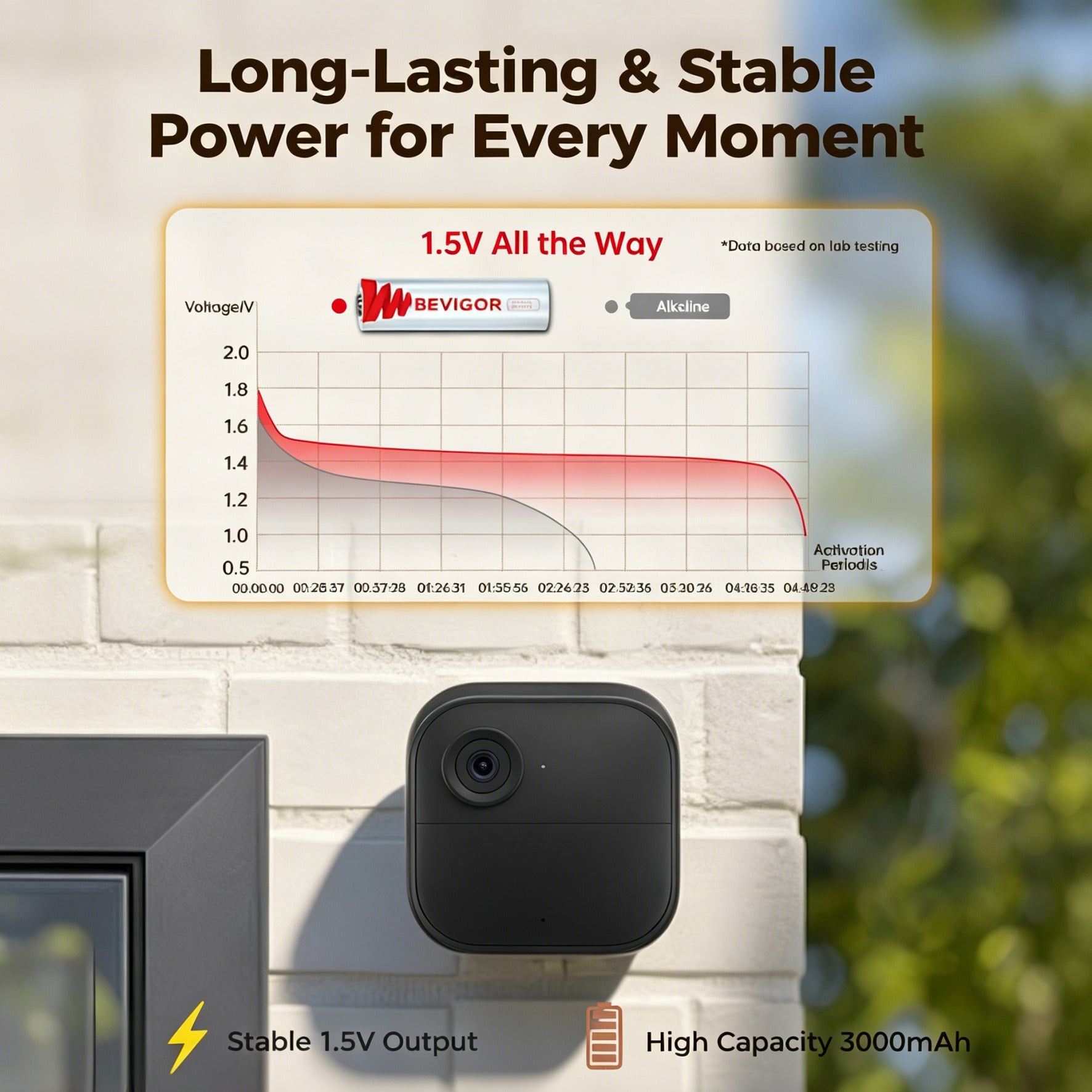
- Alkaline Batteries: Started at 1.5V but dropped to 1.35V immediately upon chilling. After only 20 minutes, they fell to 1.1V, and by 40 minutes, they reached 1.0V—a level where most electronic devices, including a Blink doorbell battery, would cease to function.
- Lithium AA Batteries: While they dropped slightly under load, they only lost about 0.05V in the extreme cold. While the alkaline cells were dead within an hour. The best lithium aa batteries from Bevigor continued to provide steady, usable power under the same freezing conditions.
The 33% Weight Advantage
For outdoor adventurers and hikers, weight is a critical factor. Lithium aa batteries are approximately one-quarter to one-third lighter than alkaline batteries. This makes them the best aa lithium batteries for portable GPS units, satellite communicators, and high-performance torches where every ounce counts.
Why Bevigor is the Best Battery for Blink Camera Systems

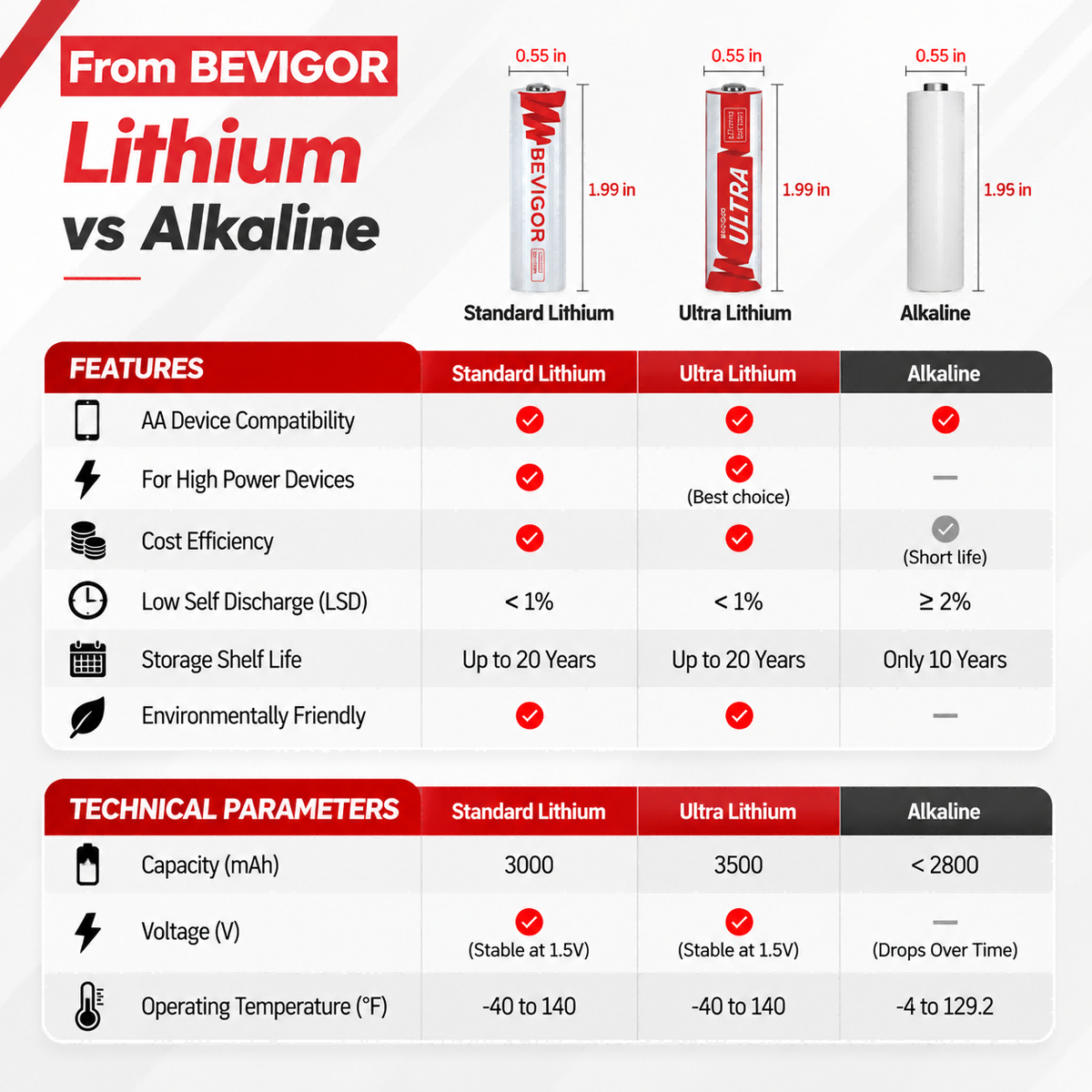
Winter Performance Comparison: Bevigor Lithium vs. Alkaline
| Feature | Bevigor AA Lithium Batteries | Standard Alkaline Batteries |
|---|---|---|
| Operating Temperature | -40°F to 140°F [-40°C to 60°C], | 0°F to 131°F [-18°C to 55°C] |
| -4°F (-20°C) Testing | Steady voltage for 11+ hours | Fails (drops to 1.1V) in 20-40 mins |
| Weight | 33% Lighter (Ideal for trail cameras) | Heavy (Standard weight) |
| Electrolyte Type | Non-aqueous (Does not freeze), | Water-based (Freezes in cold), |
| Shelf Life | 20 Years (Perfect for bulk storage) | 10 Years |
| Best For | Blink cameras, smart locks, GPS, | TV remotes, low-drain indoor use |
Home security is one of the most common applications for aa batteries lithium. Systems like Blink are highly sensitive to winter weather, and using the wrong power source can lead to missed motion alerts or total system failure.
- 2-Year Reliability: Bevigor is recognized as the best replacement batteries for blink cameras, offering up to 2 years of reliable power under ideal conditions.
- Extreme Temperature Adaptability: While alkalines begin to struggle at 32°F, Bevigor aa lithium batteries are engineered to work from -40°F to 140°F.
- Preventing "Voltage Sag": A Blink camera battery must handle frequent Wi-Fi pings and night vision infrared recording. Bevigor ensures the voltage stays high, preventing the camera from going offline during a cold night.
Beyond Security: Trail Cameras, Smart Locks, and Medical Gear
The reliability of 1.5 volt lithium battery technology extends to various professional and life-saving applications:
- Trail Cameras: Hunters and researchers use Bevigor lithium aa batteries because they can withstand being left in the elements for months without failing.
- Medical Devices: Patients using insulin pumps report that Bevigor batteries last significantly longer than other brands, providing peace of mind.
- Smart Locks: Bevigor ensures that smart doorbell batteries and electronic locks remain responsive even when the outside handle is covered in ice.
Professional Solutions with Bulk Lithium AA Batteries
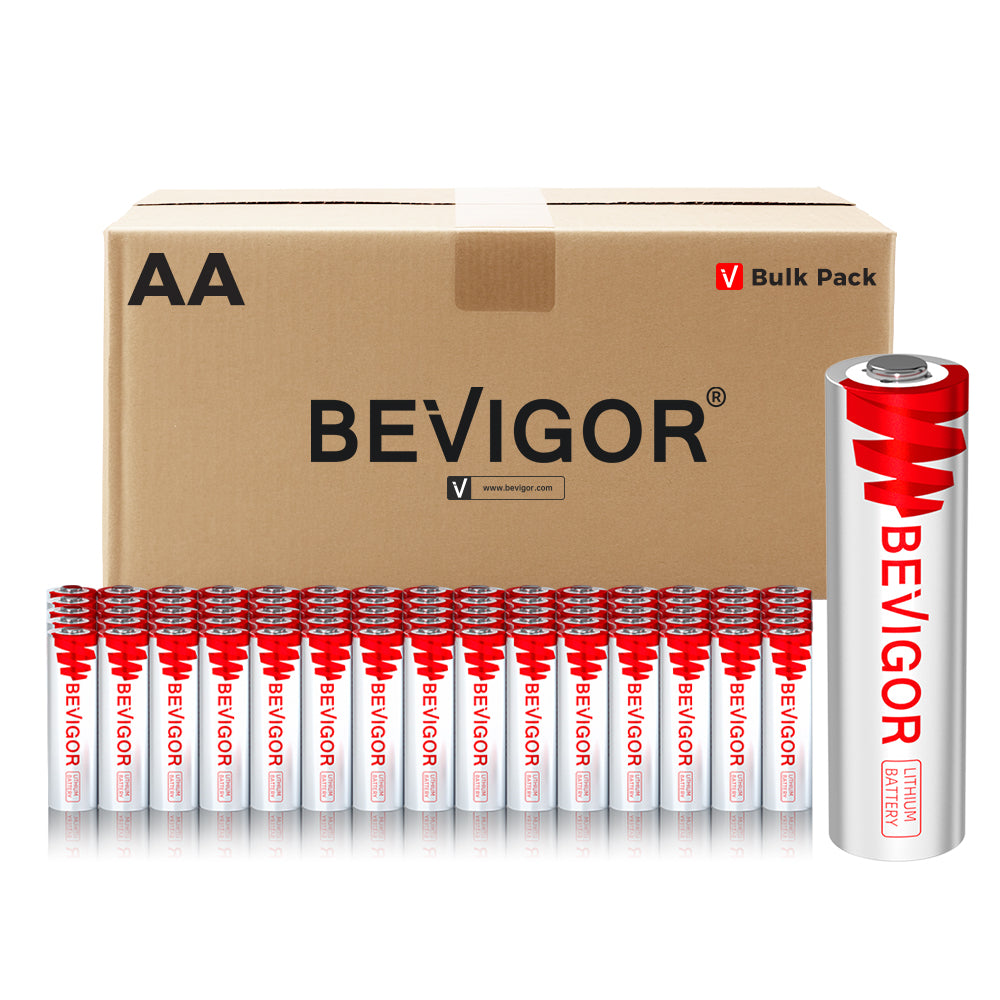
For businesses, tech shops, and heavy home users, purchasing aa lithium batteries bulk is the most strategic way to save money while ensuring constant power.
Bevigor offers industrial-grade solutions available for sale:
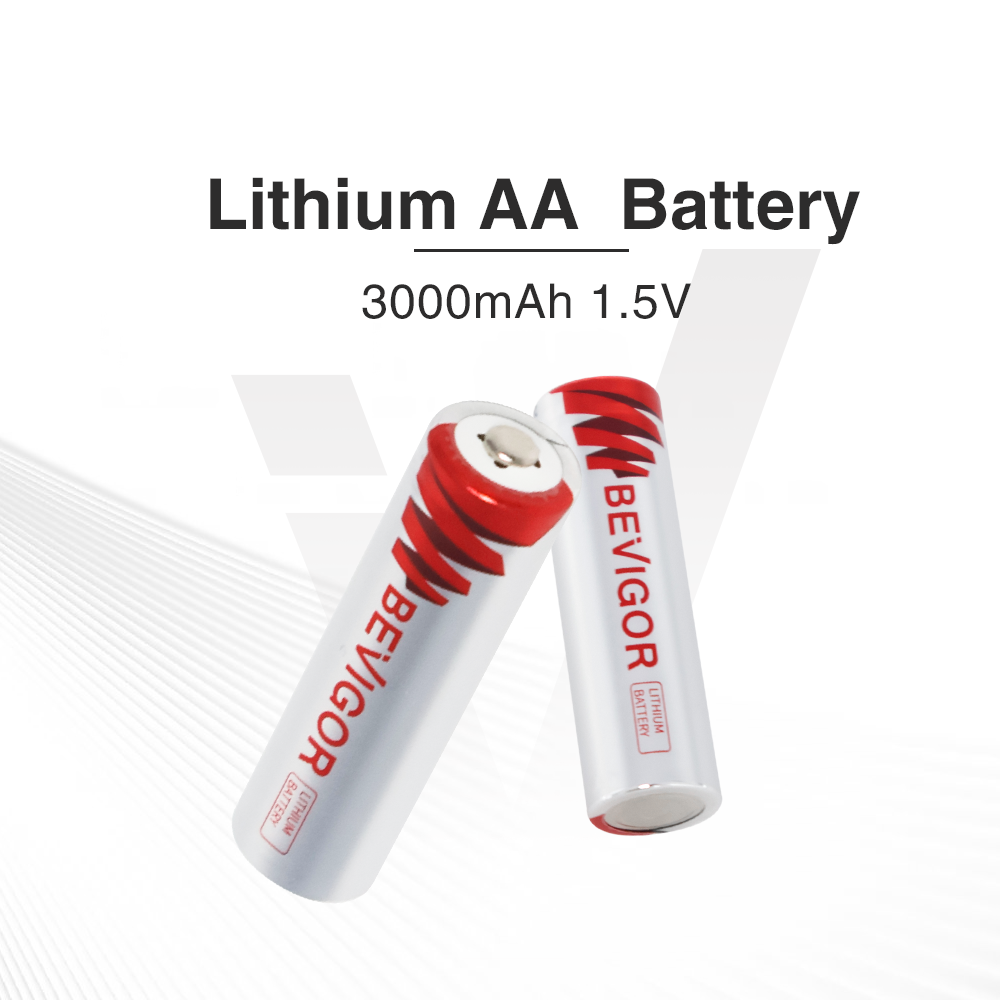
- Standard 3000mAh: The perfect blink doorbell battery replacement for high-traffic entryways.
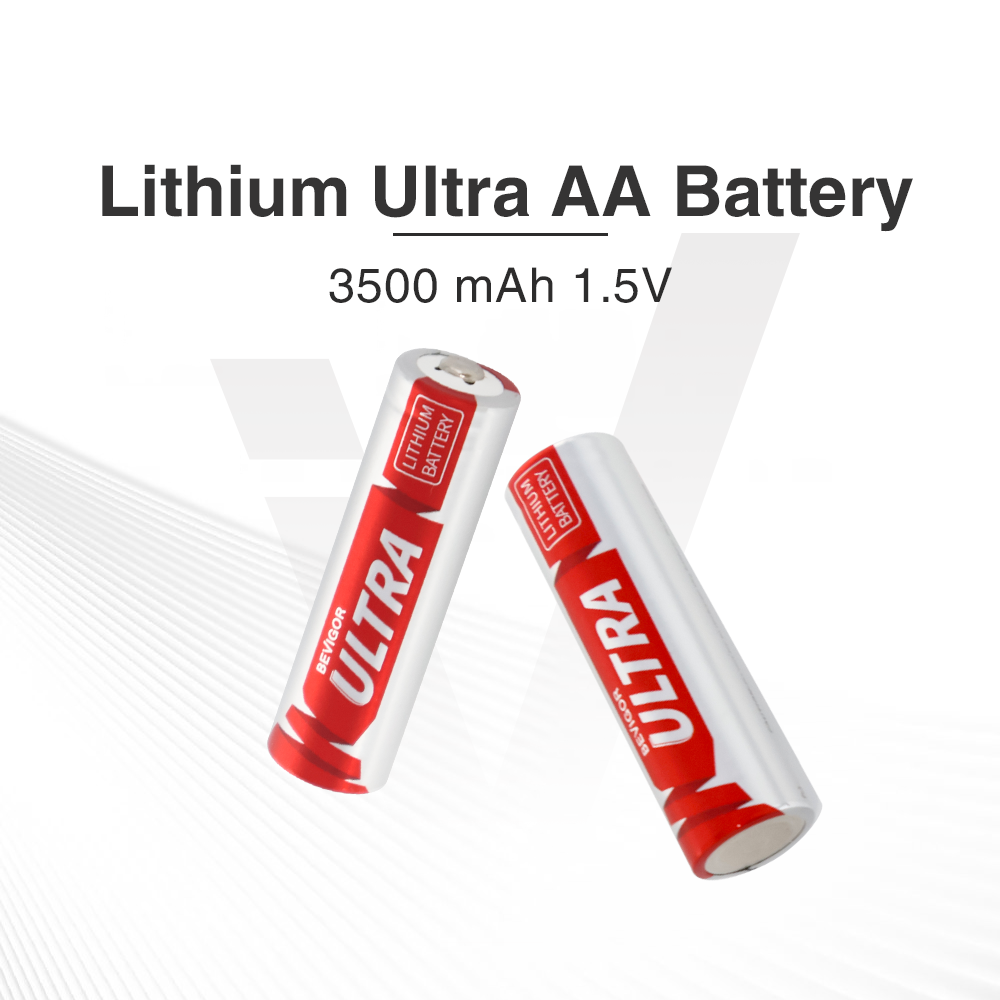
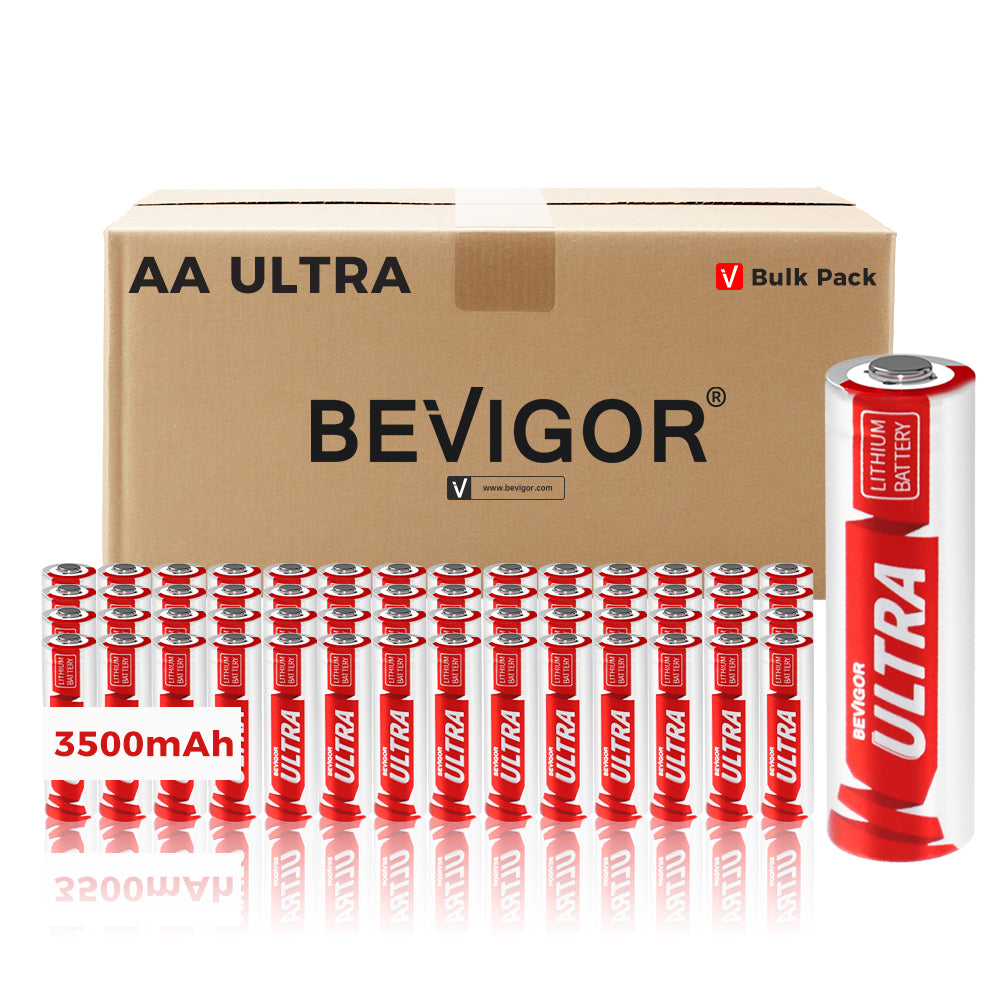
- Ultra 3500mAh: The world’s best aa lithium batteries for the most demanding high-drain devices.
- Tiered Savings: Buy bulk aa lithium batteries in packs ranging from 96 to 1080 units to lower your cost per cell.
Practical Tips: How to Maximize Battery Life in Winter
While choosing lithium aa batteries for sale is the most important step, you can further enhance performance with these tips:
- Keep Devices Warm: For handheld devices like GPS units or flashlights, keep them in an inner pocket when not in use to maintain a higher operating temperature.
- Use Storage Cases: If a device has a carrying case, use it to provide a small layer of insulation against the wind chill.
- Check for Leaks: Cold weather can cause materials to contract, increasing the risk of leakage in cheap batteries. Bevigor’s leak-proof performance and advanced sealing technology protect your equipment from internal damage.
- Buy Fresh: Bevigor lithium aa batteries with a 20-year shelf life, you can safely stock up on bulk lithium aa batteries without worrying about them losing power in storage.

FAQ: Frequently Asked Questions About Cold Weather Power
Q: Are lithium AA batteries better than alkaline in trail cameras? A: Absolutely. In cold weather, alkaline batteries lose up to 80% of their capacity, whereas Bevigor aa lithium batteries maintain nearly 100% efficiency.
Q: Can I mix old and new batteries? A: No. Especially with lithium chemistry, you should always use brand-new batteries in pairs. Mixing them can cause overheating or even damage the cells.
Q: Where can I buy aa batteries bulk for my business? A: You can purchase directly from the Bevigor Bulk & Wholesale page for competitive pricing and fast shipping.
Conclusion: Invest in Reliability with Bevigor
Don't let a winter storm compromise your home security or outdoor adventure. By choosing Bevigor lithium aa batteries, you are opting for a power source engineered with 20 years of manufacturing expertise and proven in the world's coldest climates.
Ready to power your winter?
- Best for Blink Cameras: Bevigor Lithium AA 3000mAh
- Professional Ultra Performance: Bevigor Ultra 3500mAh
- Save Big with Bulk: AA Lithium Batteries Bulk Pack
- Wholesale Inquiries: Contact Our Team






Share:
Hearing Aid Battery Sizes and Types Explained Best Guide
How to Compare AA Lithium Batteries for Video Doorbells