


Have you ever grabbed your trail camera during a winter snowstorm, only to find it completely dead? Freezing temperatures destroy portable electronic power much faster than you might expect.
We will explore exactly why power drops and how to choose reliable AA batteries for winter survival.

How Winter Temperatures Affect AA Batteries
People often ask, does cold affect AA batteries? The simple answer is yes. When the ambient temperature drops below freezing, the internal chemical reactions that generate voltage slow down dramatically. If you leave standard alkaline cells in your car overnight during January, you will likely notice a massive drop in electrical performance the next morning. This is not just a myth; it is basic science affecting how energy is released.
The Chemistry Behind the Power Loss
To understand why this happens, we need to look inside the cylindrical cell. Standard alkaline options rely on a water-based potassium hydroxide electrolyte to facilitate the flow of energy. When exposed to freezing temperatures, this internal liquid thickens into a sluggish gel. The added physical resistance makes it incredibly difficult for the ions to move between the anode and the cathode.
Consequently, people constantly wonder, do AA batteries work in cold weather? They technically do, but an alkaline cell might only deliver a fraction of its normal capacity when the thermometer drops below freezing. If you rely on electronics for winter hiking or emergency preparedness, you need an alternative chemistry. For a deeper dive into temperature effects on power sources, the Battery University guide on discharging at high and low temperatures offers excellent technical data for electronics enthusiasts.
Finding the Best AA Batteries for Cold Weather
When you are packing gear for a ski trip, winter camping, or setting up a remote weather station, standard alkalines simply will not cut it. You must upgrade to lithium chemistry. A true lithium AA battery for cold weather uses a completely different internal structure that does not rely on a water-based electrolyte. Instead, it utilizes lithium iron disulfide, a material that remains highly conductive and stable even at extreme sub-zero temperatures.
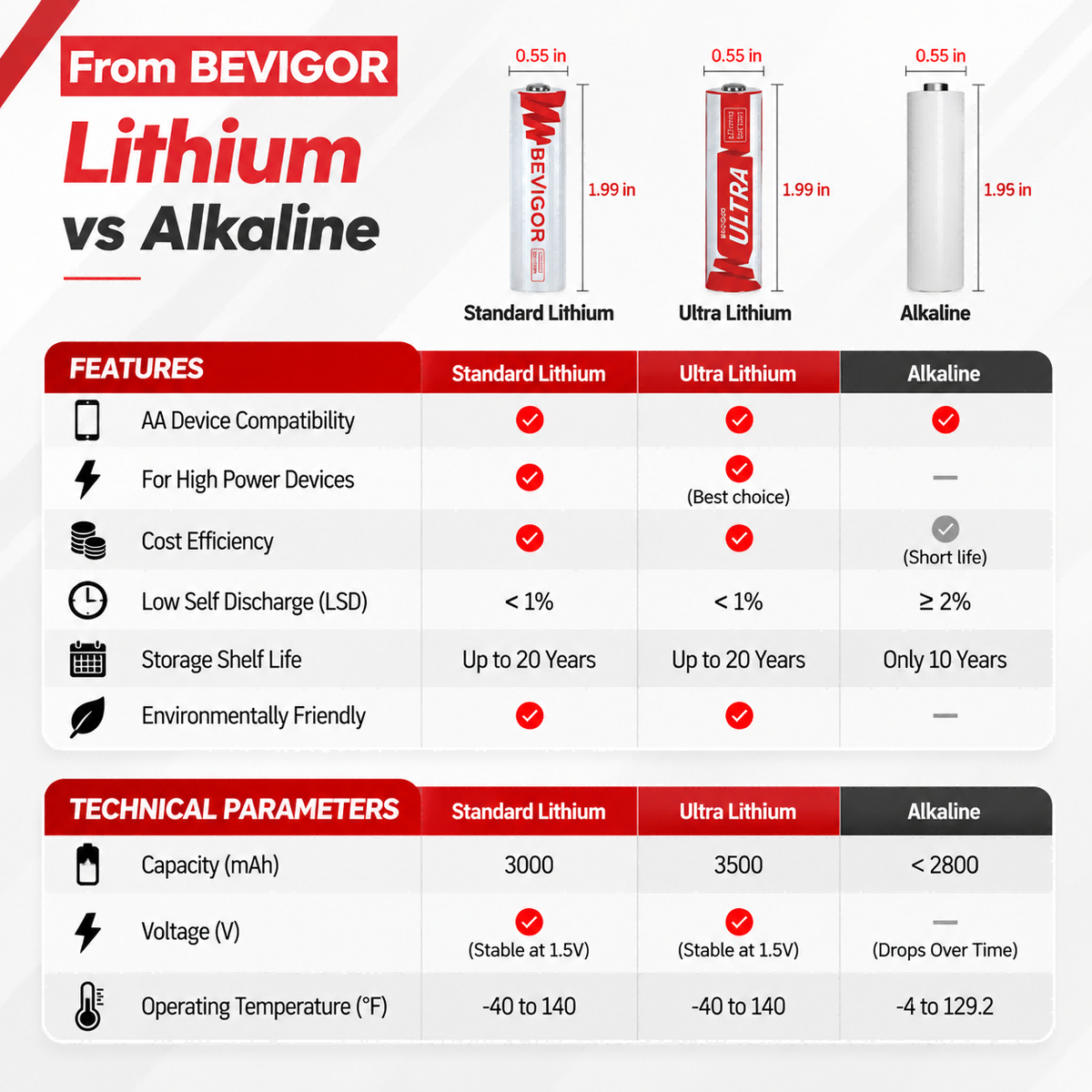
Because of this advanced dry-cell design, these specific lithium variants are widely considered the best AA battery for cold weather. They typically operate without voltage sag in environments as low as -40°F (-40°C). Furthermore, they weigh about 30% less than standard alkaline equivalents, which is a massive benefit for backpackers looking to shed pack weight. If you are leaving equipment outdoors for extended periods, upgrading your power source ensures your avalanche beacons and emergency flashlights actually turn on when you need them the most.
Comparing Standard Power to Lithium Options
Choosing the right chemistry comes down to matching your environmental conditions with the expected performance. Here is the deal: if you only use your gadgets inside a heated home, standard alkaline is perfectly fine and highly cost-effective. However, stepping outside into a blizzard changes the rules entirely.
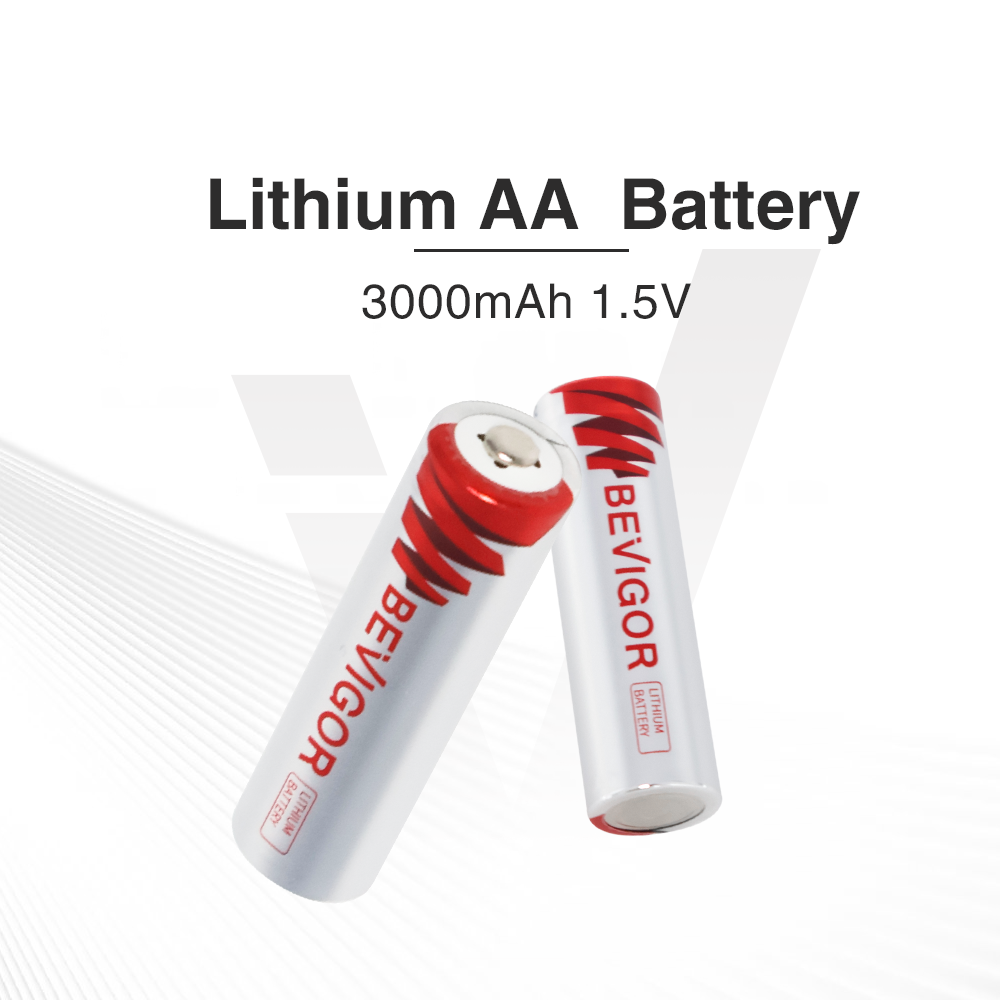
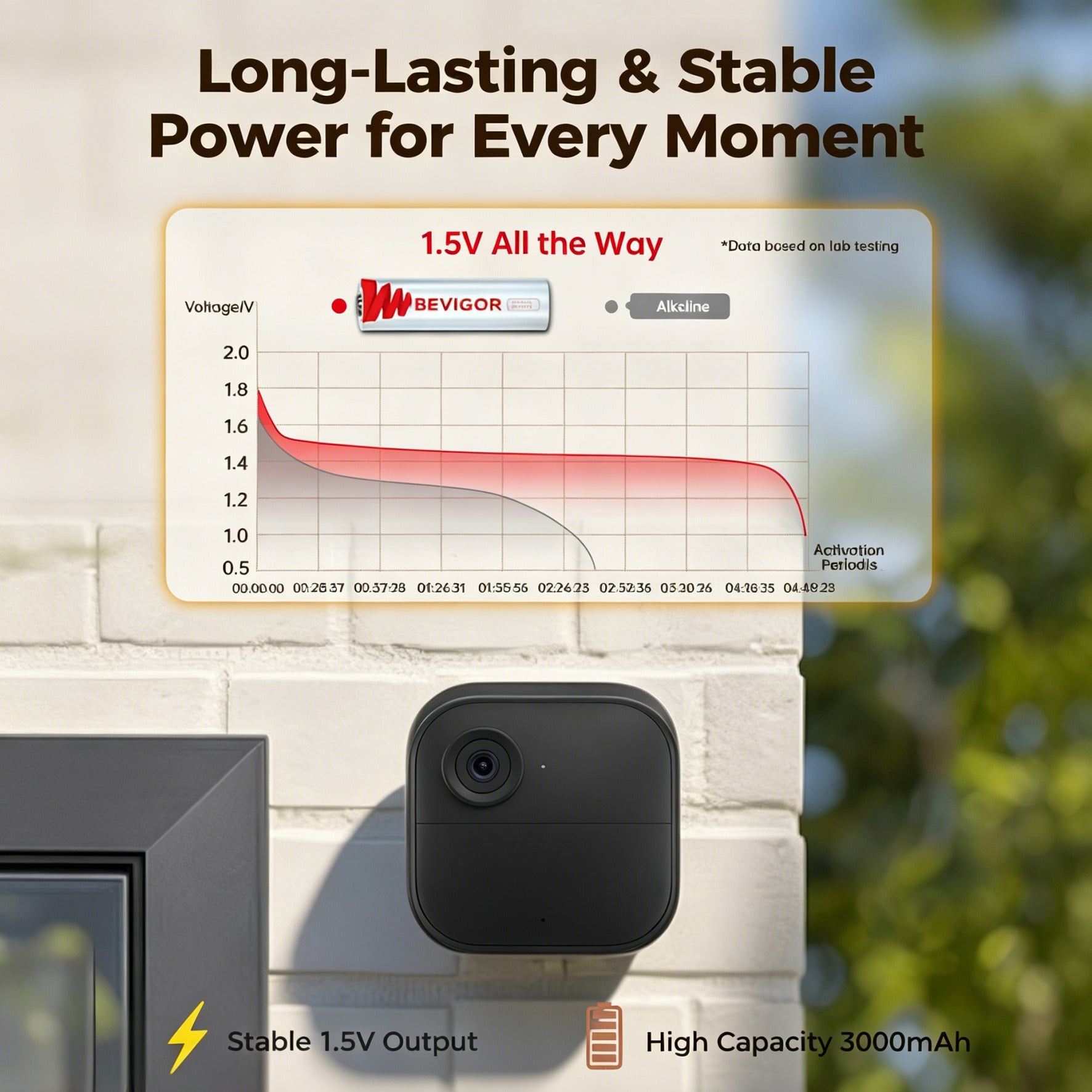
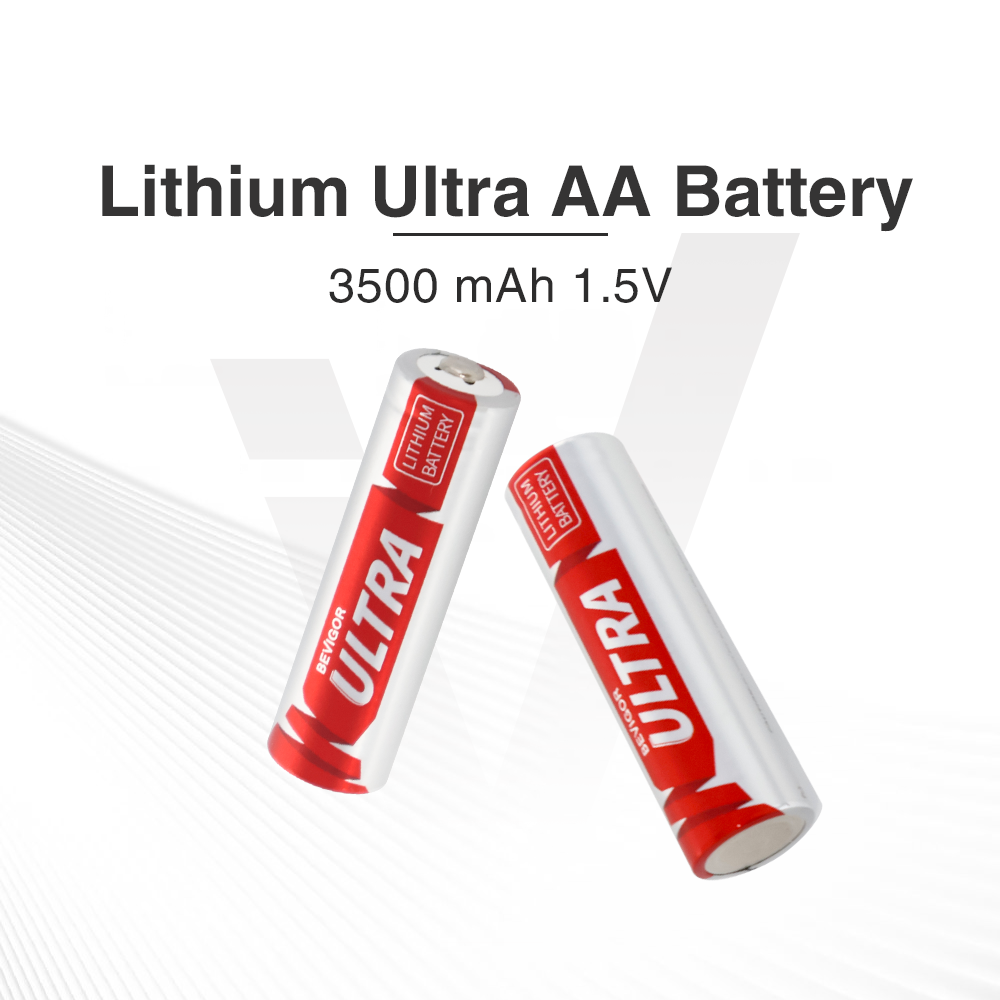
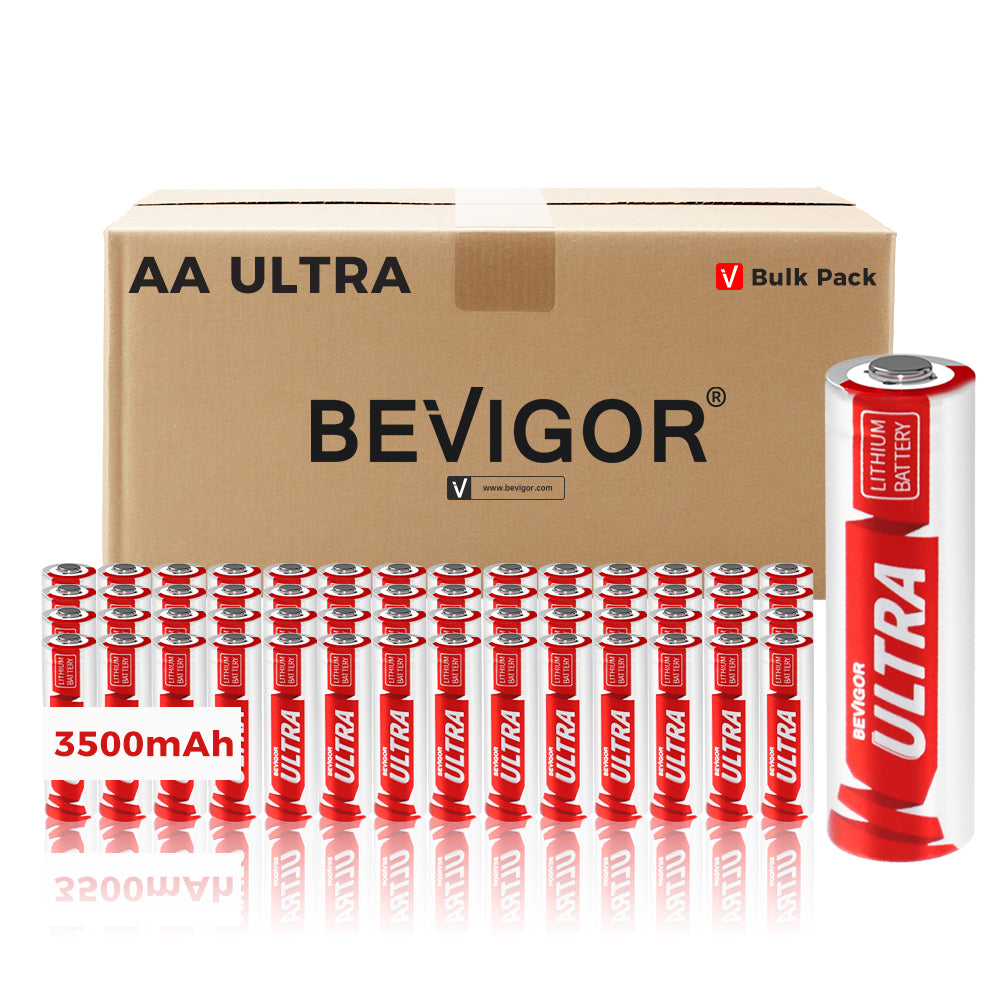
When evaluating your options, you should look at the sustained operating temperature range rather than just the initial price tag. Standard alkaline cells usually see a severe voltage drop immediately at 32°F (0°C). High-drain devices like digital cameras will interpret this voltage sag as a dead cell and shut down to protect the circuitry. In stark contrast, specialized lithium batteries for extreme cold maintain a steady 1.5 volts long after standard cells have failed. For instance, Bevigor AA batteries are engineered to perform reliably in harsh outdoor environments, making them a highly practical choice for professional photographers operating in the snow (performance metrics by Bevigor).
Frequently Asked Questions About AA Batteries
Winter brings up a lot of confusion regarding portable electronics. Here are straightforward answers to the most common questions about sub-zero usage and battery health.
Do AA batteries die in the cold?
They do not permanently die, but alkaline variants temporarily lose their ability to deliver power effectively. The extreme cold drastically increases internal chemical resistance. This causes the voltage output to drop so low that the device registers the cell as empty, even though there is still plenty of energy trapped inside.
Can AA batteries freeze outside?
Yes, if they are standard water-based alkalines. When you ask can AA batteries freeze outside, the harsh reality is that the water inside an alkaline cell can freeze, expand, and potentially cause the metal casing to rupture and leak corrosive acid. Lithium cells, however, do not contain water and will not expand in normal winter conditions.
Do AA batteries stop working in the cold?
Standard alkaline cells will temporarily stop providing enough voltage to run high-drain devices. The good news is that once you bring them back indoors and let them warm up naturally to room temperature, they will often resume normal function without permanent damage.
Does cold weather kill AA batteries?
No, cold temperatures actually slow down the natural internal self-discharge rate. While people constantly fear does cold weather kill AA batteries, storing them in a cool, dry environment can actually preserve their long-term shelf life. The performance issue only occurs when you attempt to actively draw power from them while they are freezing cold.
What are the best options for winter survival gear?
For critical outdoor gear, you should always default to lithium chemistry. Whether you need a reliable AA batteries cold weather setup for a handheld GPS unit or a hunting trail camera, lithium provides the flat, stable voltage necessary for survival equipment to function properly.
Are there specific models built for winter?
Yes, premium manufacturers design specific lithium options tailored for harsh environments. When shopping for dedicated cold weather AA batteries, you should always look for packaging that explicitly states extreme temperature resistance, usually rated to function down to -40 degrees Fahrenheit.
Essential Safety Guidelines for AA Batteries
To ensure your devices remain powered safely during the winter months, you must understand the practical limitations of your electronic gear. Using reliable AA batteries for cold weather prevents frustrating equipment failures, but you still need to follow basic safety protocols to protect your investments.
- Operating Temperatures: Always check the manufacturer specifications before heading into the snow. A dedicated lithium cold weather AA battery will usually maintain stable power down to -40°F, while standard alkalines begin to struggle immediately at 32°F (specs based on standard chemistry charts and Bevigor guidelines).
- Acclimation and Recovery: If your alkaline cells suddenly stop working outside, simply bring them indoors. Understanding how to manage AA batteries in cold weather means knowing that warming them up slowly in your pocket or a heated cabin often restores their usability completely.
- Storage Variables: Storing your backup power sources in a cool, dry place significantly extends their shelf life. However, avoid keeping them in a damp, unheated garage where winter moisture can condense and corrode the external metal contacts.
- Chemistry Mixing: Never mix lithium, alkaline, or AAA cells together in the same device under any circumstances. The differing voltage curves and internal resistances can cause the stronger cell to force-discharge the weaker one, leading to dangerous heat buildup and corrosive leaks.
- Proper Disposal: Always recycle depleted cells according to your local electronic waste regulations. This prevents harmful heavy metals from contaminating the soil and water supply when the snow melts.






Share:
What Is the Longest Lasting Battery: Alkaline or Lithium?
CR2 vs CR123A: Which 3V Lithium Battery Is Right for Your Device?