

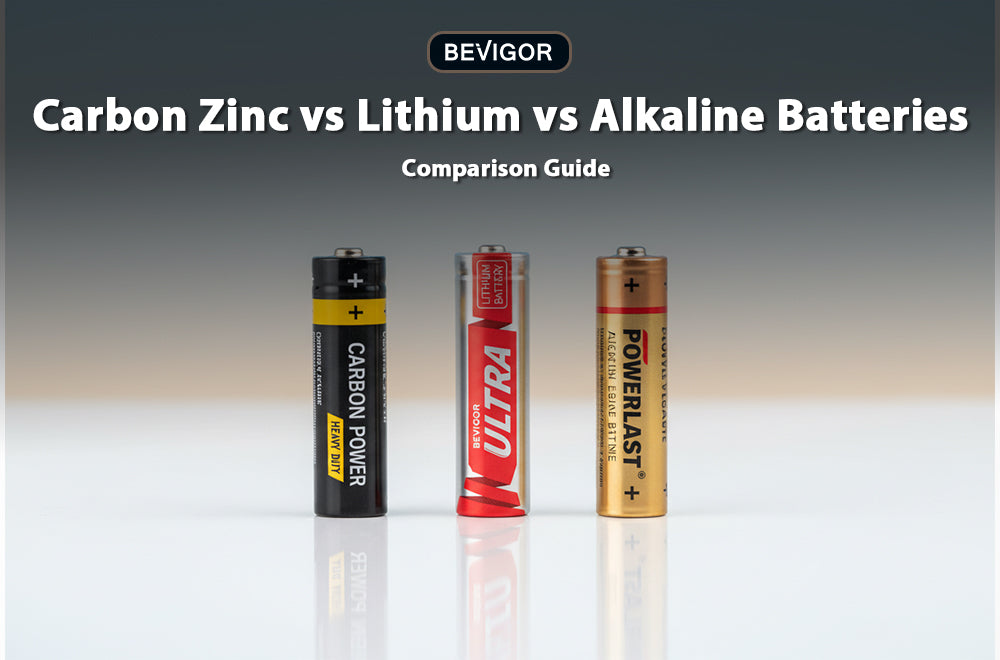
Choosing the right battery for your gadgets can feel like a puzzle, especially when standing in the store aisle staring at shelves filled with various technologies. If you have ever wondered about the real difference between lithium and alkaline batteries, or how a carbon zinc battery vs alkaline stacks up, you are not alone. While some reach for the cheapest option, understanding the difference between a lithium battery and an alkaline battery is crucial for device safety and longevity.
Please check our blog for information about how to dispose of lithium batteries safely.
In this definitive guide, we will explore the zinc batteries vs alkaline debate and explain why Bevigor Lithium AA Batteries are the gold standard for modern electronics.
What is a Carbon Zinc Battery? (The Budget Choice)
What is a carbon-zinc battery? Also known as dry cells or Leclanché cells, zinc-carbon batteries have been around since the 1860s and remain one of the most affordable options. These batteries use a zinc anode and a manganese dioxide cathode with an electrolyte made of ammonium chloride or zinc chloride.
For the history of battery materials, you can go to our hardcore article on the AA battery material evolution.
The Limits of Zinc Carbon Batteries
While they are the cheapest upfront, they come with significant drawbacks compared to premium lithium products:
- Low Energy Density: In the carbon zinc vs alkaline comparison, zinc has much lower energy density, meaning it packs less power into the same size package.
- High Leakage Risk: A carbon battery vs alkaline is significantly more likely to leak after expiration because the zinc case itself is consumed during discharge.
- Short Shelf Life: Most carbon AA batteries have a shelf life of only 18 months, whereas Bevigor lithium cells last up to 20 years.
- Temperature Struggles: Zinc-carbon batteries display reduced efficiency in extreme temperatures, failing quickly in the cold where power output drops significantly.

The Performance Gap: Alkaline vs Zinc Carbon Battery
Moving up the ladder, we find the alkaline vs zinc-carbon battery comparison. Alkaline batteries use potassium hydroxide as an electrolyte, which is a "game-changer" for performance and efficiency.
An alkaline battery vs carbon-zinc can deliver 4 to 8 times the runtime in the same device. While alkaline batteries are a solid balance for household items like clocks and remotes, they still fall short of the performance offered by lithium. For high-drain needs, a zinc chloride battery vs alkaline comparison shows that even improved zinc cells cannot compete with the stable 1.5V output of Bevigor lithium.
Lithium vs Alkaline Batteries: Why Lithium Wins
When comparing lithium vs alkaline batteries, the difference is massive. Lithium technology provides unmatched lifespan and power, especially in demanding situations.
Why Choose Bevigor Lithium AA Batteries?
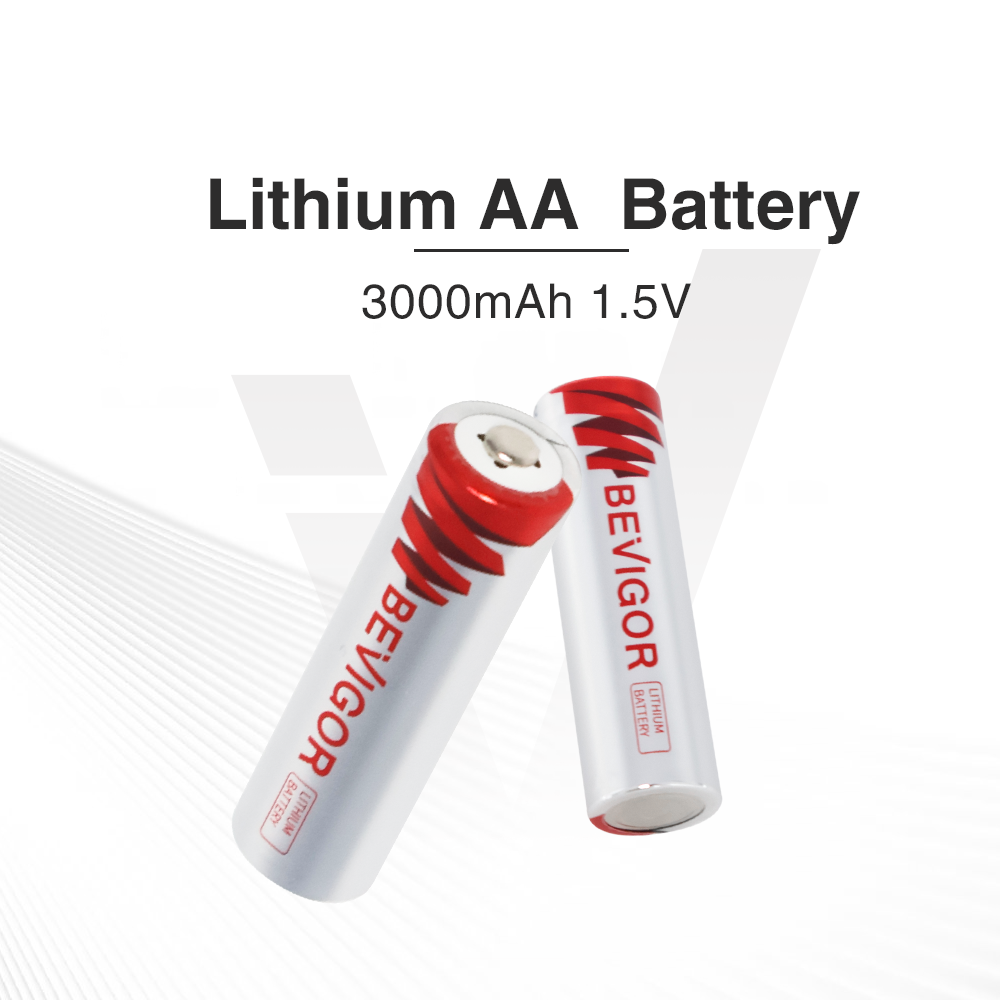
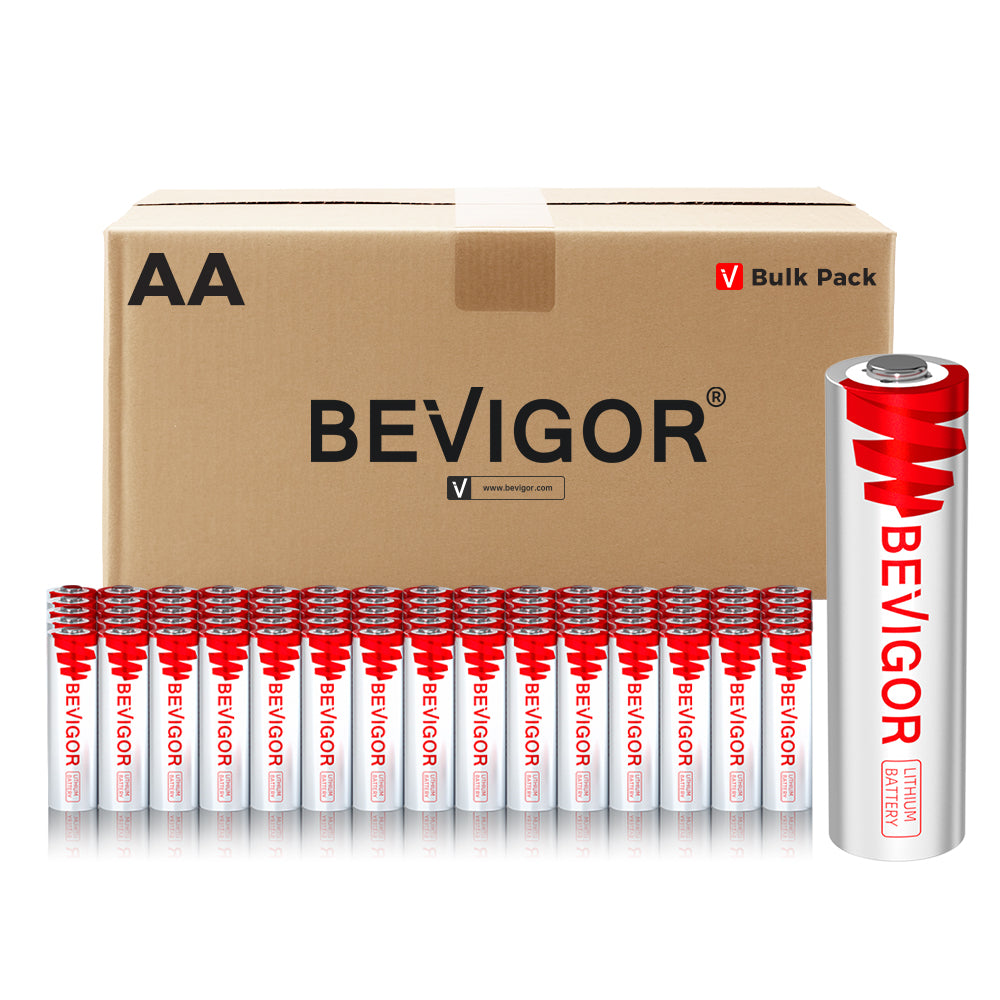
For users asking whether lithium and alkaline batteries are the same, the answer is a definitive no. Bevigor has engineered the ultimate power solution:
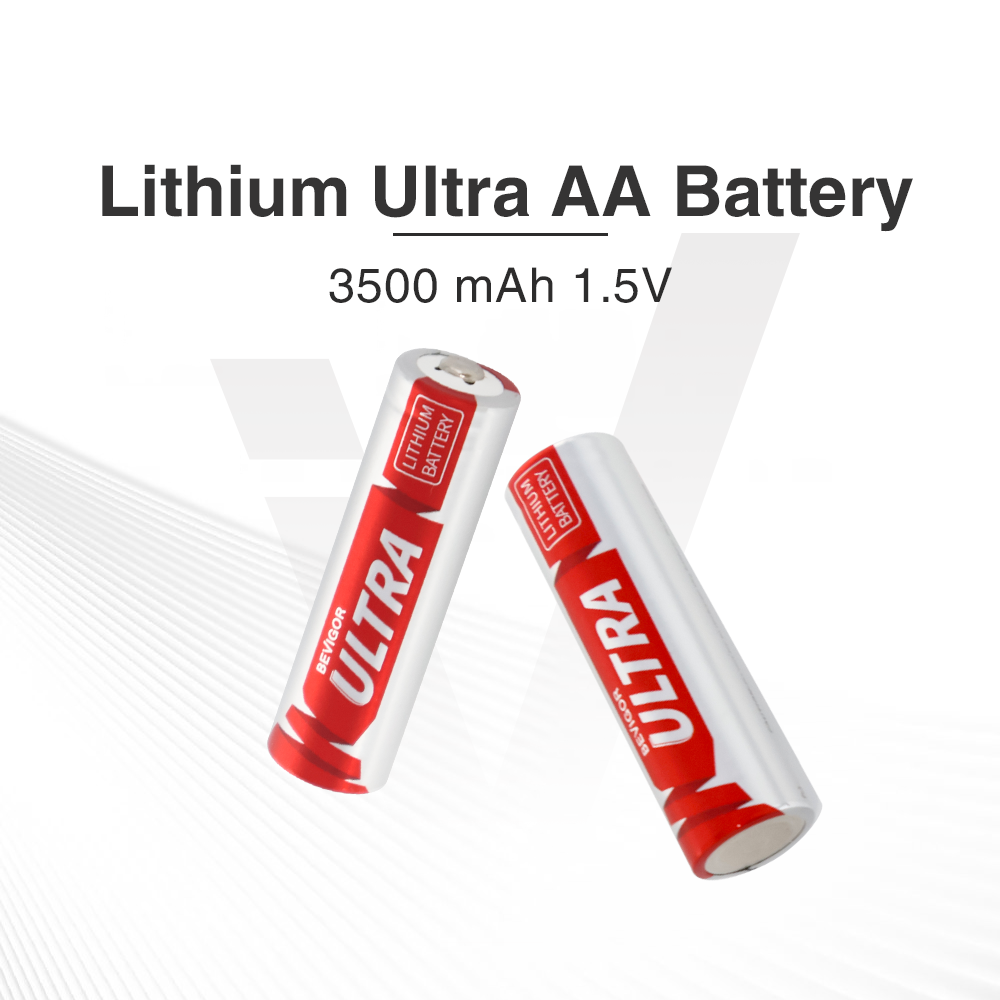
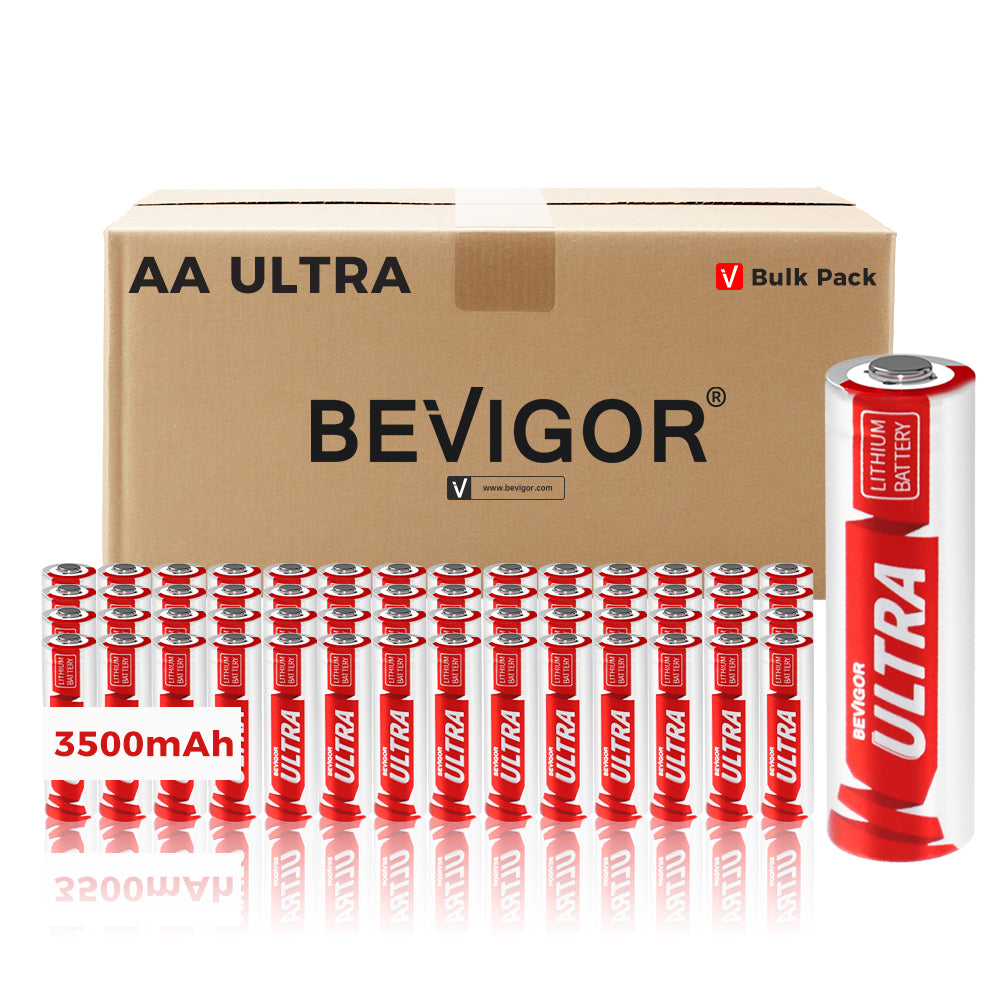
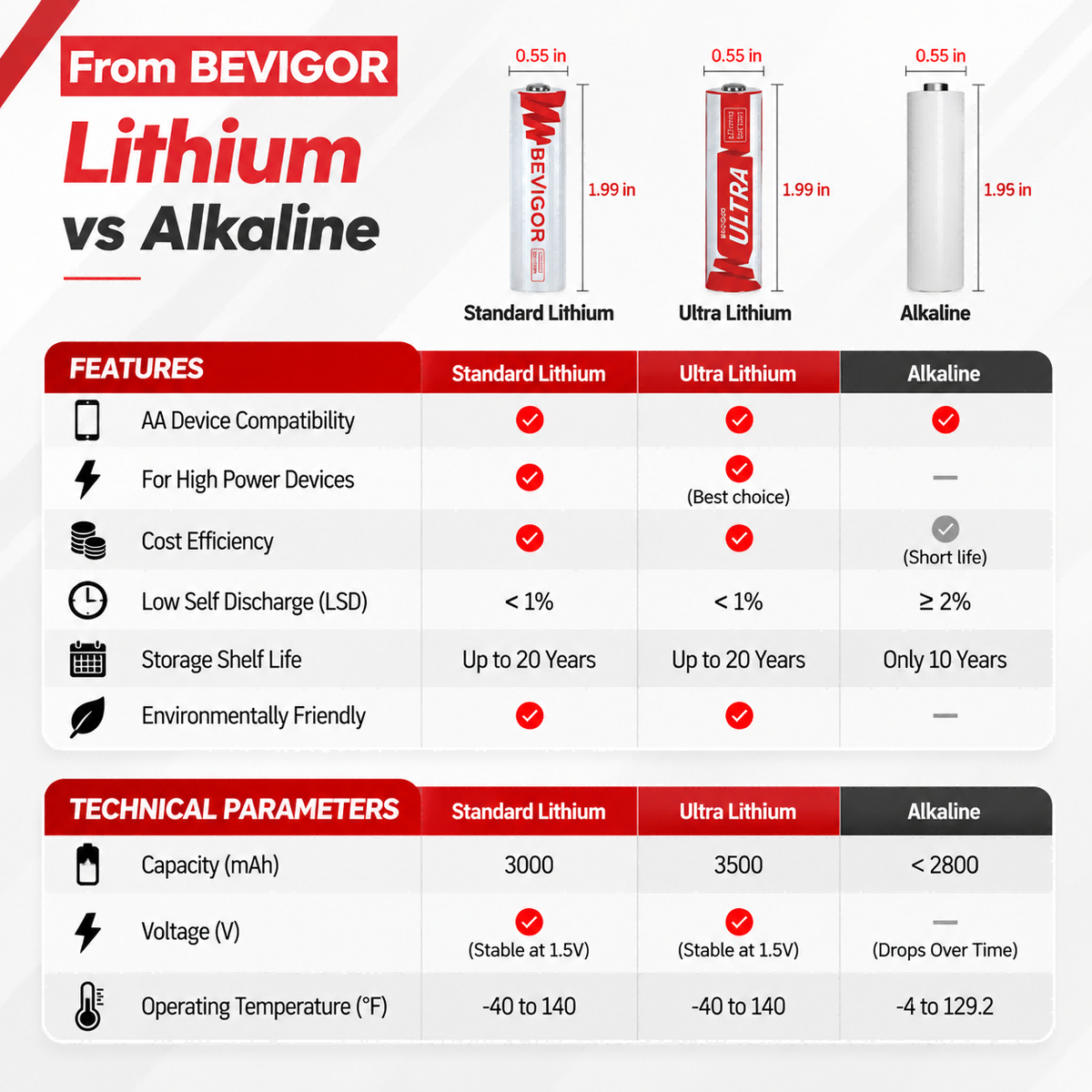
- 3500mAh High Capacity: Offering up to 30% longer runtime than standard cells, making them the best lithium AA batteries vs alkaline choice for Blink cameras and trail camera wildlife.
- Extreme Temperature Ready: While carbon-zinc vs alkaline batteries fail in the frost, Bevigor operates reliably from -40°F to 140°F.
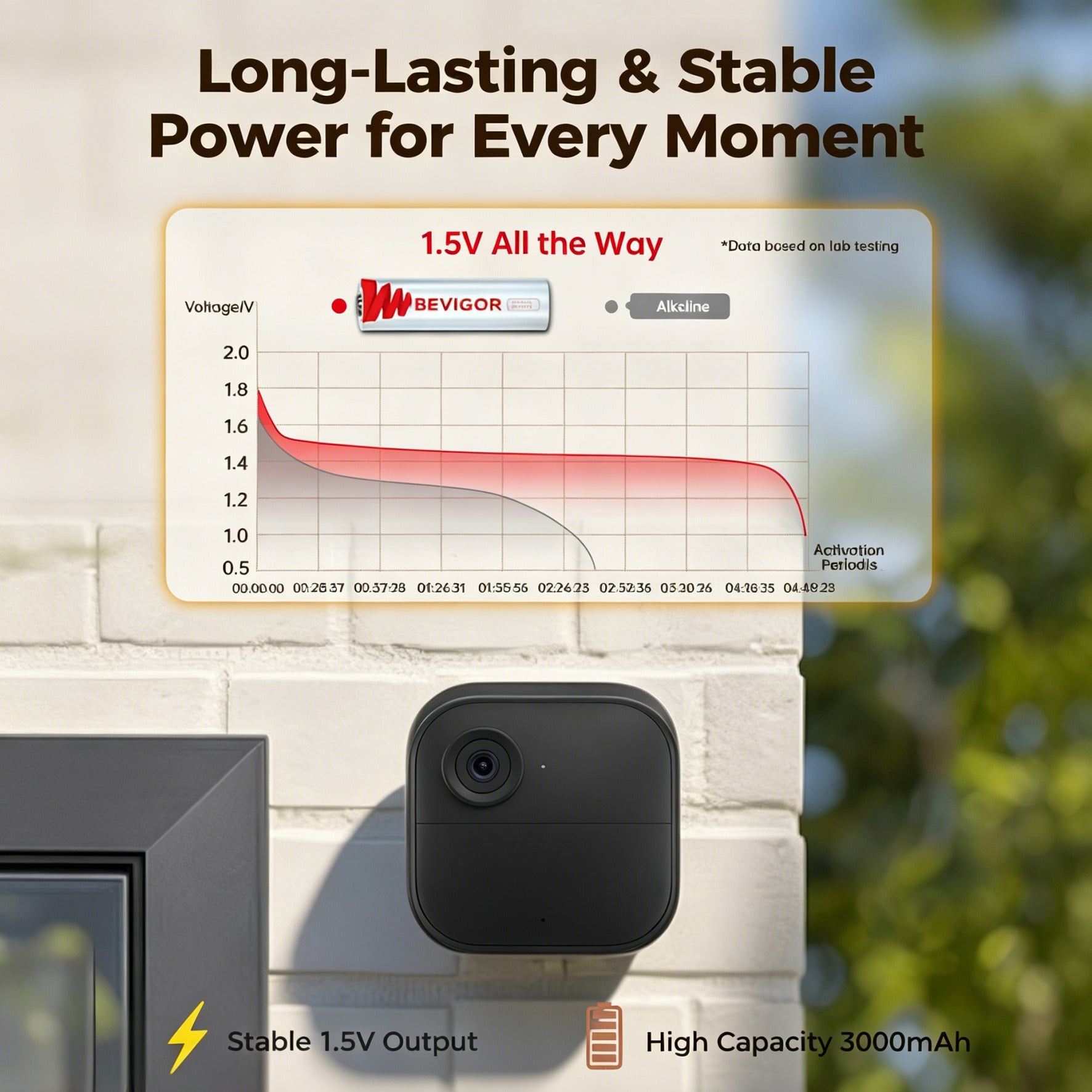
- Stable 1.5V Output: Sensitive devices require a consistent voltage. Bevigor provides a steady 1.5V throughout the discharge cycle, unlike the sagging voltage of zinc batteries.
- Leak-Proof Design: Featuring a 3-layer anti-leak design to protect your expensive electronics from the "crusty, corroded mess" often found with a carbon battery vs alkaline battery.
Technical Breakdown: Carbon Zinc vs Alkaline vs Lithium
| Attribute | Carbon Zinc Battery | Alkaline Battery | Bevigor Lithium |
|---|---|---|---|
| Energy Density | 55–75 Wh/kg | 45–120 Wh/kg | 250–450 Wh/kg |
| Shelf Life | ~18 Months | ~3–10 Years | 10–20 Years |
| Leakage Risk | High | Lower | Zero (Leak-Proof) |
| Temperature | Poor in extremes | -20°C to 50°C | -40°F to 140°F |
Cost Analysis: Which Battery Actually Saves Money?
At checkout, zinc batteries vs alkaline prices can be tempting. However, the true long-term value tells a different story. If a carbon-zinc battery costs $0.50 but lasts 100 hours, and a Bevigor Lithium lasts 1,000 hours, the lithium battery is actually cheaper per hour of use. When you factor in the li-ion vs alkaline battery performance in digital cameras, lithium can deliver ten times the performance, making it far more cost-effective.
Best Use Scenarios for Every Battery Type
If you are deciding between zinc or alkaline batteries, match the battery to the device’s power needs:
- Low-Drain Devices: Zinc-carbon batteries are suitable for simple wall clocks and basic remotes where cost is the only concern.
- Everyday Household Items: Use alkaline vs lithium aa for toys and flashlights that see moderate use.
- High-Drain & Critical Gear: For Blink security cameras, smart locks, and smoke detectors, Bevigor is the only choice. Even for specialized needs, such as a 9v lithium vs alkaline or 9 volt lithium battery vs alkaline setup in smoke alarms, lithium’s 20-year shelf life ensures readiness.

Frequently Asked Questions (FAQ)
Are zinc batteries alkaline?
No. Zinc batteries being alkaline is a common misconception. They use different electrolytes (acidic chloride for zinc vs. potassium hydroxide for alkaline) and have very different performance levels.
Can I mix carbon zinc and alkaline batteries?
Never mix battery types. Mixing a carbon-zinc battery vs alkaline battery in the same device causes the weaker battery to drain too fast, leading to a 68% higher risk of leakage or rupture.
What is the difference between lithium and alkaline batteries in weight?
Bevigor lithium batteries are "light as a feather," weighing significantly less than any alkaline vs non-alkaline batteries. This makes them ideal for handheld GPS and outdoor gear.
Can i use a lithium battery instead of alkaline?
Yes, in almost all cases, you can replace AA batteries lithium vs alkaline setups for an instant performance boost. Bevigor batteries are a direct 1.5V drop-in replacement.
Conclusion: Power Your Life with Confidence
While a carbon-zinc battery might work for a budget clock, it is a liability for high-value electronics. The difference between lithium and alkaline batteries is the difference between a device that works when you need it and one that fails when the temperature drops.
Stop settling for frequent replacements and the threat of leaks. Invest in the 3500mAh high-capacity and UL-certified safety of Bevigor Lithium AA Batteries. Whether you need bulk lithium batteries for a business or a pack for your home, Bevigor delivers power you can trust.
Shop the Bevigor Collection Today and stay powered longer.






Share:
How People Use Batteries in Their Daily Lives: Reliable Power Guide
How to Clean Battery Corrosion from Electronics: Step-by-Step Guide