

1. Introduction: The Relatable Battery Burnout
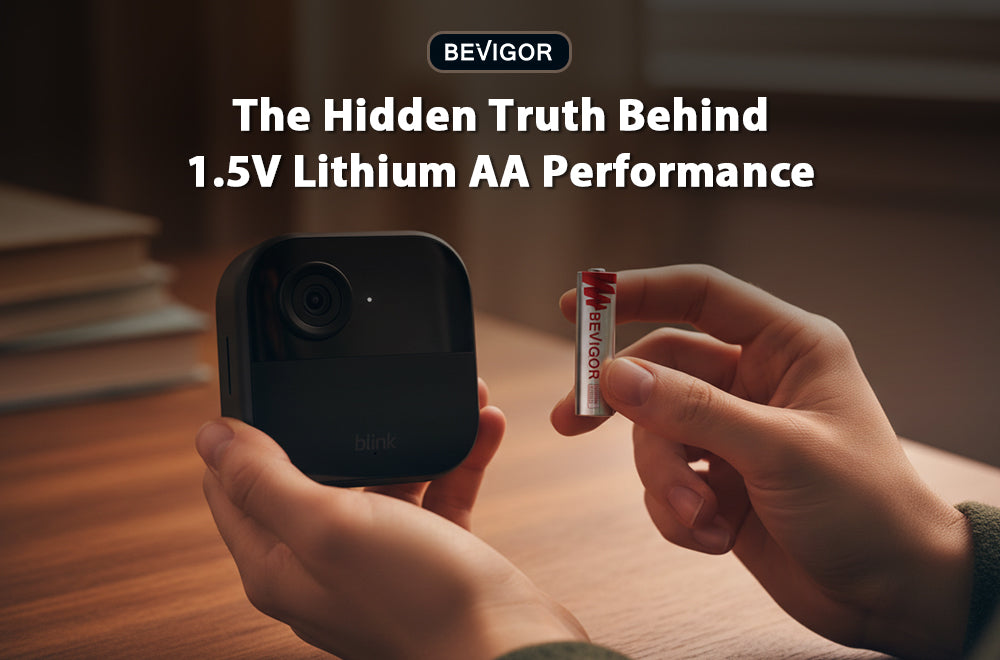
It always happens at the most inconvenient moment. You’ve just installed a high-tech smart lock or a set of Blink security cameras, only for the "low battery" alert to pop up a few weeks later. You used "fresh" alkaline batteries, so why did they fail so quickly?
The truth is that traditional alkaline technology is fundamentally ill-equipped for the constant, high-drain demands of modern smart home devices. If you want reliability, aa lithium batteries are the premium alternative. They aren't just a slightly better version of the cells we used in the 90s; they are a total engineering overhaul of how portable power is delivered to sensitive electronics.
2. The 1.5V Magic Trick: Why Voltmeters Fail
If you’ve ever tried to test a lithium AA cell with a standard voltmeter, you’ve likely encountered a mystery: it reads 1.5V (or higher) right up until the second it dies.
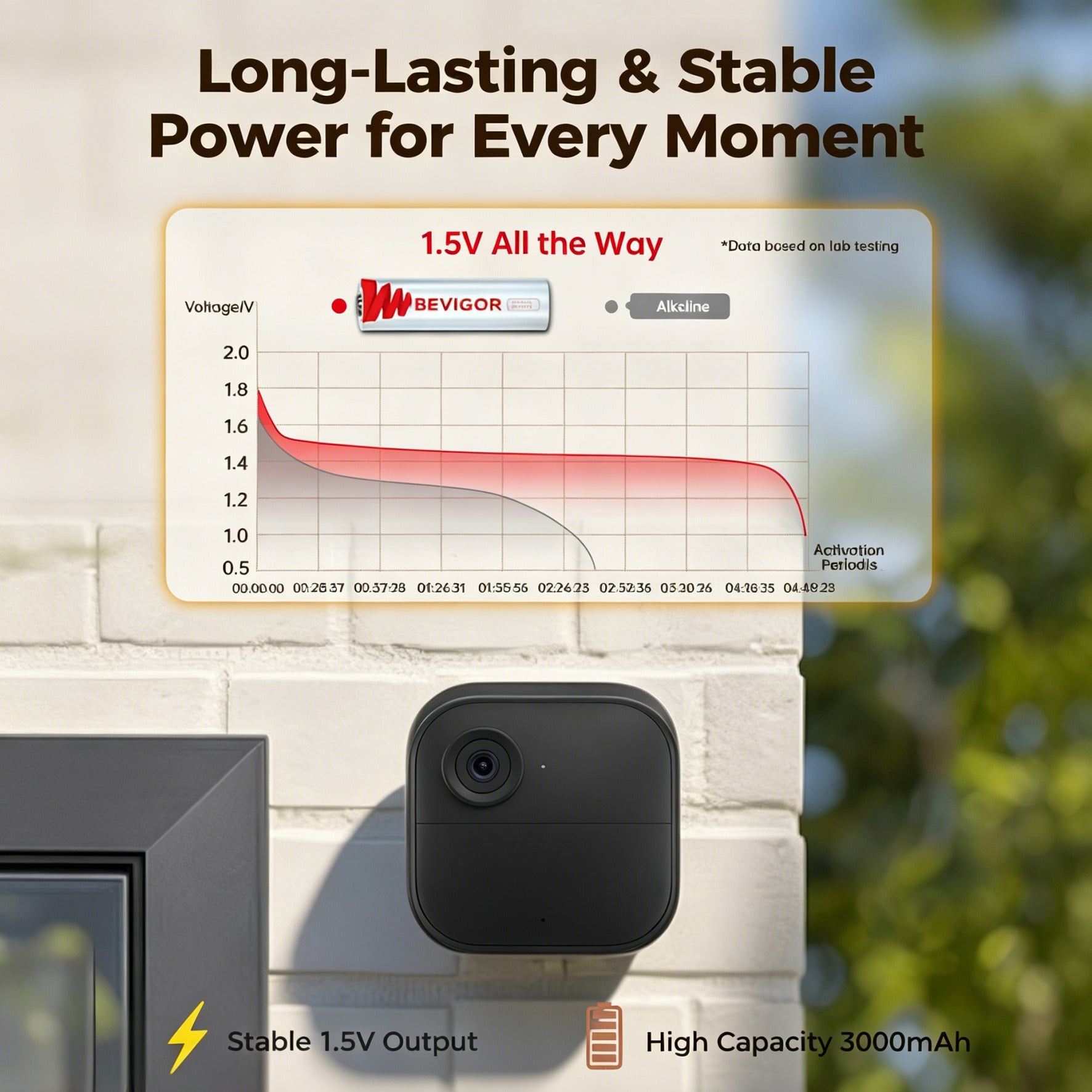
This is the result of exceptional aa battery voltage stability. Unlike alkaline batteries, which suffer from a steady voltage drop that leads to "dimmer lights" and "weaker motor output," aa lithium batteries maintain a stable 1.5V output through almost their entire discharge cycle.
From an advocate’s perspective, this is a double-edged sword. While it ensures your devices perform at 100% capacity until the end, it makes it impossible to "guess" the remaining life with a standard tester. This is also why they are powerhouses: a high-quality lithium cell can source >4 amps when shorted, providing a burst of energy that would cause an alkaline cell to collapse.
3. They’re Not Just Batteries; They’re Tiny Power Plants
To understand why lithium outperforms alkaline, you have to look under the hood. There is a massive technical distinction between the two types of lithium AAs on the market:
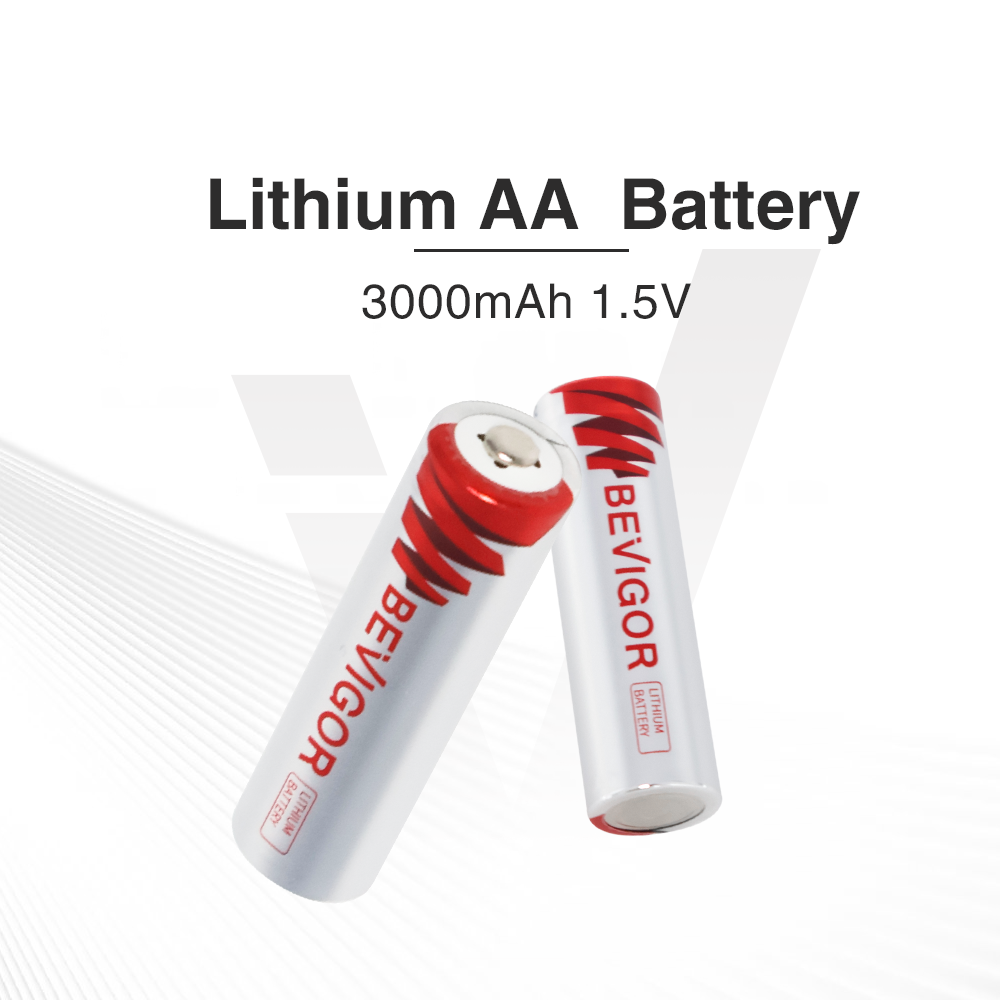
· Primary (Non-Rechargeable) Cells: High-performance primaries, like those from Bevigor, utilize Lithium Iron Disulphide (Li-FeS2) chemistry. These have an open-circuit voltage of nearly 1.8V that drops to a rock-solid 1.5V under load.
4. THE INSIDER WARNING: The 14500 Danger
As a consumer advocate, I have to highlight a common "storage bin" trap. You may see "14500" lithium-ion batteries that look identical to a standard AA. Do not use these in standard devices. These cells operate at 3.7V—more than double the voltage of a standard AA. Inserting a 14500 cell into a device designed for 1.5 v lithium aa power will likely result in permanent, fried-circuit damage. Always check your labels.
5. Extreme Temperatures: From Arctic Blasts to Desert Heat
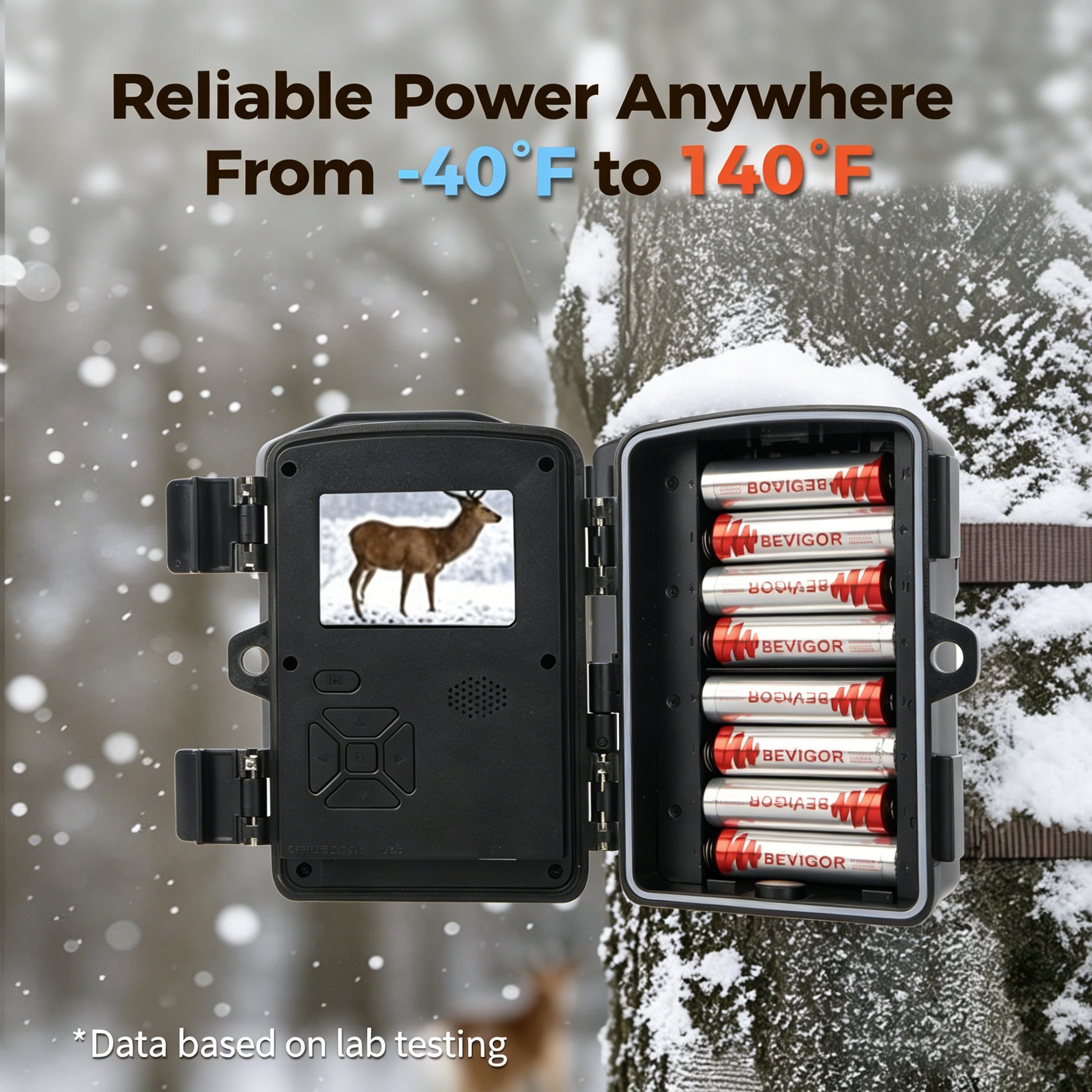
Traditional alkaline batteries are chemically "lazy" in the cold. Once the mercury hits freezing, their internal resistance spikes. In contrast, a lithium battery aa is "Extreme Temperature Ready," rated for an incredible range of -40°F to 140°F.
Data shows that at 32°F (0°C), lithium cells deliver nearly an order of magnitude longer runtime than alkalines. This makes them the only professional choice for trail camera wildlife monitoring or outdoor security systems where a winter night can render a standard battery useless.
6. The Real Capacity Gap
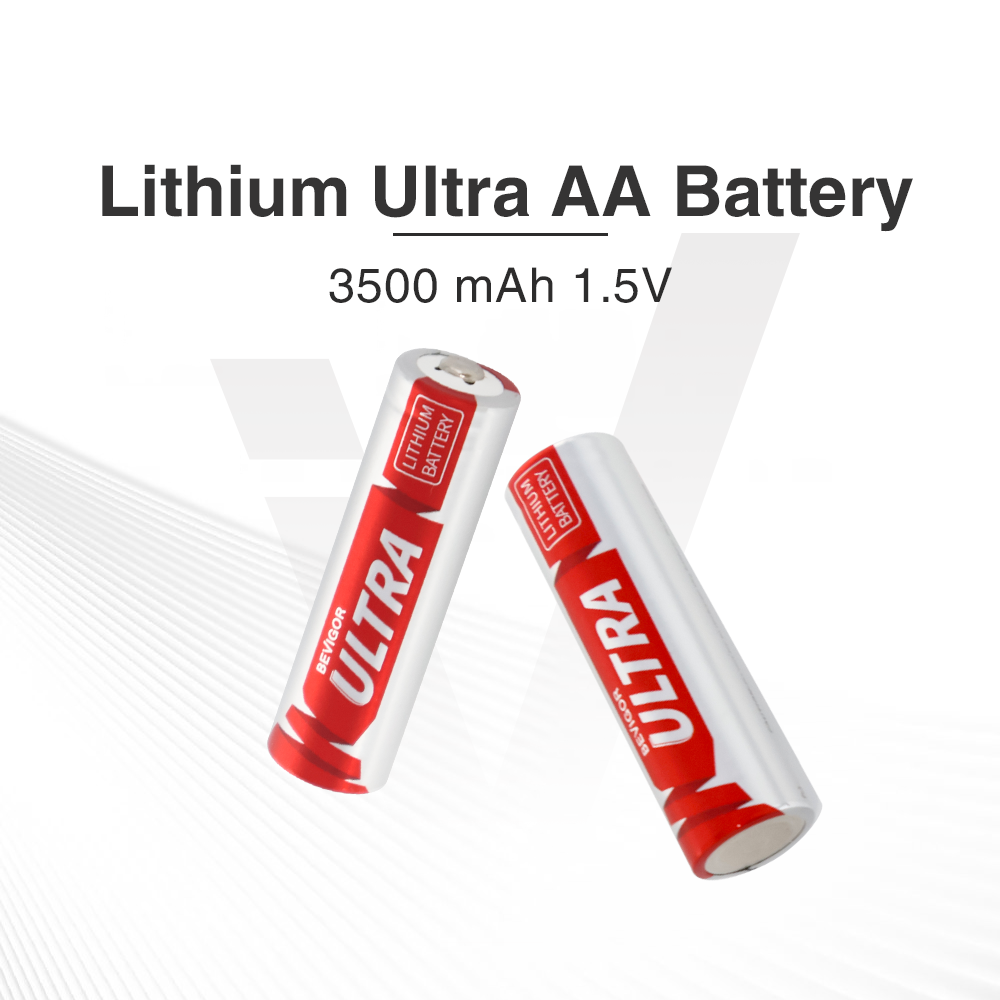
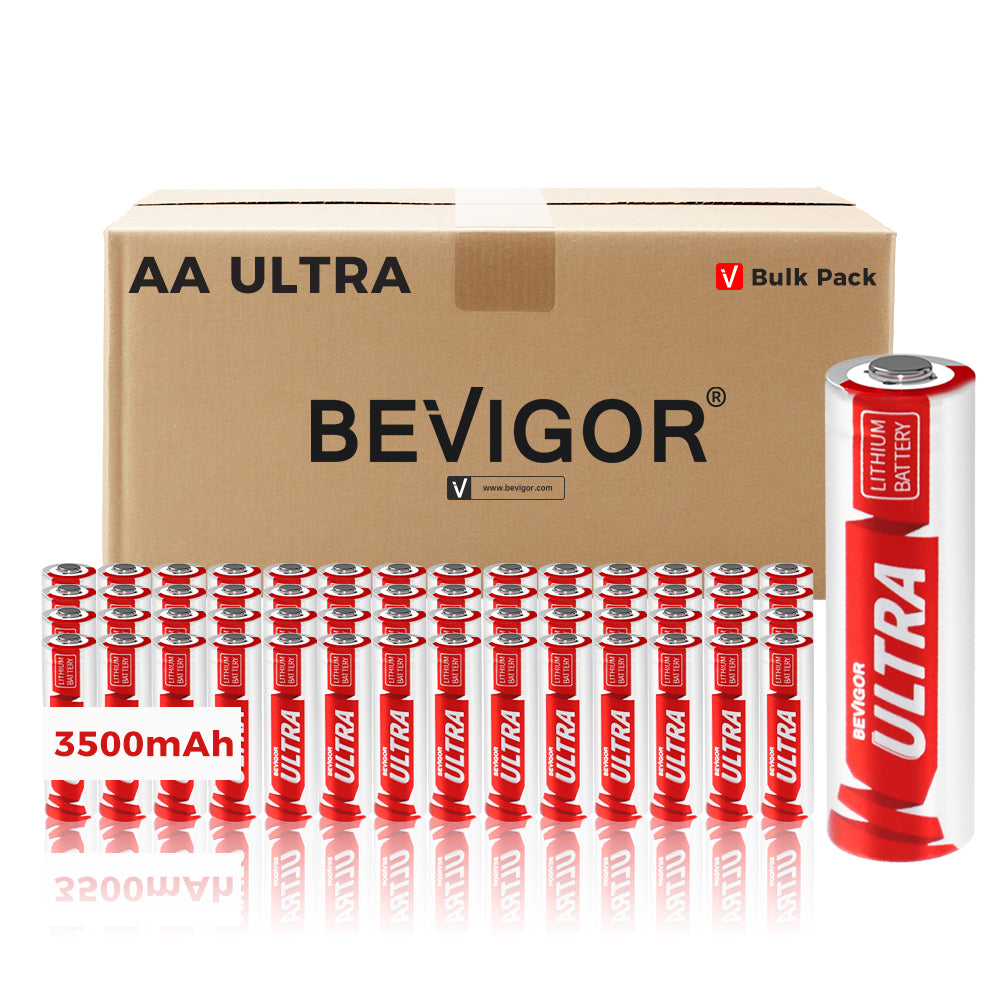
Manufacturers often obfuscate capacity, but the numbers tell the story. A standard alkaline AA typically offers around 2500mAh of energy, but that capacity drops sharply under high-drain use. Premium Bevigor lithium cells provide up to 3500mAh—a 40% improvement in raw capacity that holds steady regardless of the device's demand.
Beyond the power, they are "light as a feather." For a professional photographer carrying twelve cells for multiple flashes, or a hiker counting every ounce in their pack, the weight reduction is a game-changer.
7. The End of the "Leak Era"
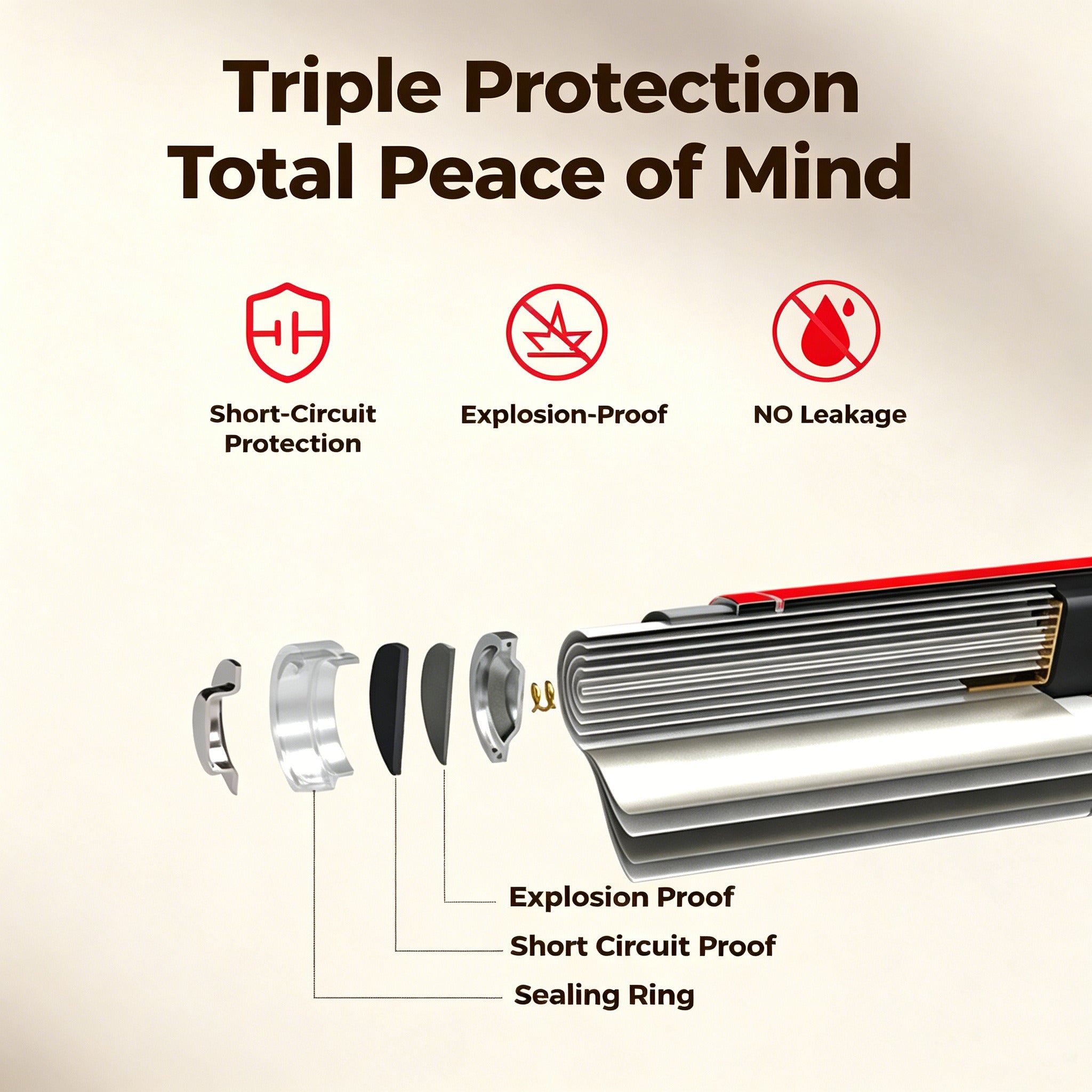
Alkaline leakage is the leading cause of death for expensive electronics. When the potassium hydroxide inside an alkaline cell leaks, it creates a corrosive white crust that ruins contact points. Premium aa lithium cells utilize a 3-layer anti-leak design. Even if they cost more upfront, they provide "long-term value" by acting as an insurance policy for a $300 smart lock or a high-end GPS.
8. The Storage Trap: Primaries vs. Rechargeables
One "insider" detail most people miss is the Storage Trap.
· Bevigor Primaries: These have a 20-year shelf life. You can throw them in an emergency kit and forget about them for two decades.
· Rechargeable Lithiums: Because of that internal "buck regulator" these batteries suffer from parasitic drain. The circuit runs 24/7, slowly sipping power even when the battery isn't in a device. If you use rechargeables, you must top them up every few months or you’ll find them dead when you need them most.
9. AA Battery Voltage Chart
Use this reference to match the right chemistry to your specific needs.
|
Battery Type |
Nominal Voltage |
Best Use Case |
Storage Life |
|
Alkaline AA |
1.5V |
Low-drain (clocks, remotes) |
5–10 Years |
|
Lithium AA (Li-FeS2) |
1.5V |
High-drain, outdoor tech, emergency kits |
20 Years |
|
NiMH Rechargeable |
1.2V |
Frequently used toys, high-drain daily use |
High Self-Discharge |
|
Li-Ion (14500) |
3.7V |
Specialized tech only; will damage standard AAs |
Variable |
10. Conclusion: Is the Upgrade Worth It?
The real cost of a "cheap" battery isn't just the price on the sticker—it’s the cost of the device it fails to power or the electronics it ruins via leakage. When you switch to a high-capacity cell from Bevigor, you are investing in 3500mAh of consistent power and the security of a 20-year shelf life.
Now that you know your battery is essentially a high-tech power bank, are you still willing to trust your most expensive electronics to a leaking, fading alkaline cell?




Aktie:
Does Putting Batteries in the Freezer Work? Myth vs. Fact Guide
Join Bevigor at the AAA 2026 Annual Convention