

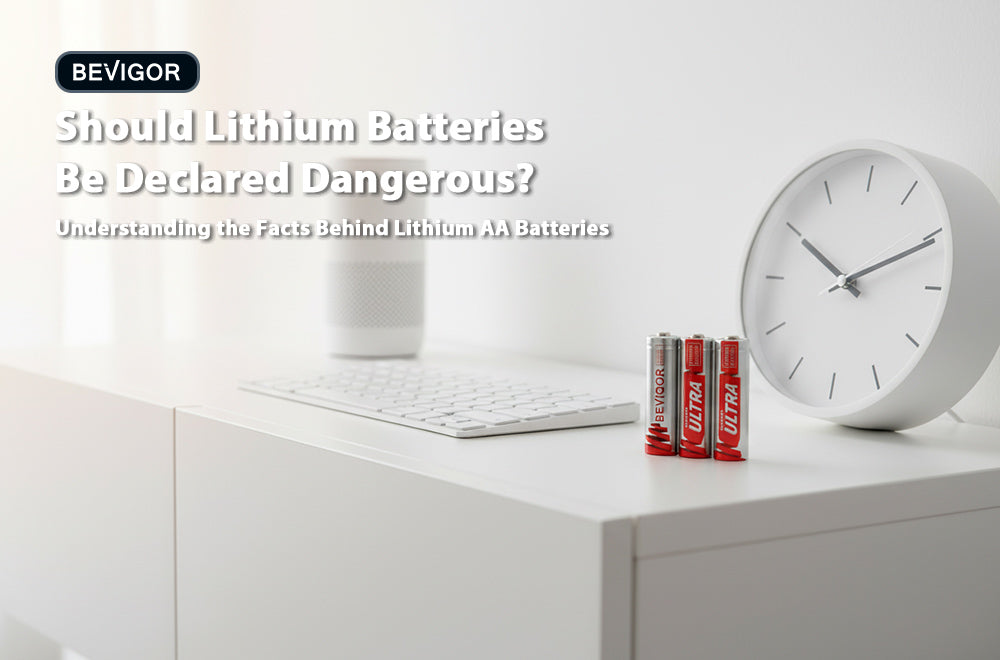
Lithium-Batterien sind zu einem unverzichtbaren Bestandteil des modernen Lebens geworden und versorgen alles, von der Haushaltselektronik bis hin zu unternehmenskritischen Geräten in der Luftfahrt und Notfallsystemen. Lithium-Metall-, Lithium-Ionen- und Lithium-Ionen-Pouch-Batterien bieten viele Vorteile gegenüber alternativen Batterietechnologien, darunter eine hohe Energiedichte (gespeicherte elektrische Energie pro Volumeneinheit), eine relativ konstante Spannung während der Entladung, geringer Wartungsaufwand, ausgezeichnete Leistung bei niedrigen Temperaturen und eine außergewöhnlich lange Lagerfähigkeit.
Aufgrund dieser Vorteile werden Lithium-Batterien häufig an Bord von Flugzeugen und in anderen sicherheitsrelevanten Umgebungen eingesetzt. Heute versorgen Lithium-Batterien Notbeleuchtungssysteme, Cockpit-Voice-Recorder, Flugdatenschreiber, elektronische Ortungssender, Avionik-Geräte, Hauptflugzeugbatterien und medizinische Notfallgeräte. Ihre Verbreitung in solchen regulierten Industrien unterstreicht eine wichtige Wahrheit: Bei ordnungsgemäßer Konstruktion und bestimmungsgemäßer Verwendung sind Lithium-Batterien sowohl zuverlässig als auch sicher.
Doch viele Verbraucher fragen sich immer noch: Sollten Lithium-Batterien als gefährlich eingestuft werden?
Diese Frage taucht häufig auf, wenn Menschen nach Lithium-AA-Batterien suchen oder ein Upgrade von herkömmlichen Alkaline-Optionen in Betracht ziehen.
Sind Lithium-AA-Batterien sicher?
Moderne AA-Lithium-Batterien gehören zu den am strengsten getesteten Verbraucherbatterien, die auf dem Markt erhältlich sind. Hersteller unterziehen sie einer Vielzahl von Missbrauchs- und Sicherheitstests, darunter:
-
Batteriepolungsumkehr
-
Erzwungene Entladung und Ladespannung
-
Direkter Kurzschlusstest
-
Zerstörung, Stoß, Vibration und Schock
-
Untertauchen in Wasser
-
Lagerung bei hohen Temperaturen
Produkte wie Bevigor Lithium-AA-Batterien müssen strenge Akzeptanzstandards erfüllen, bevor sie auf den Markt kommen. Diese Tests gewährleisten Stabilität und Sicherheit auch unter Bedingungen, die weitaus extremer sind als der tägliche Gebrauch.
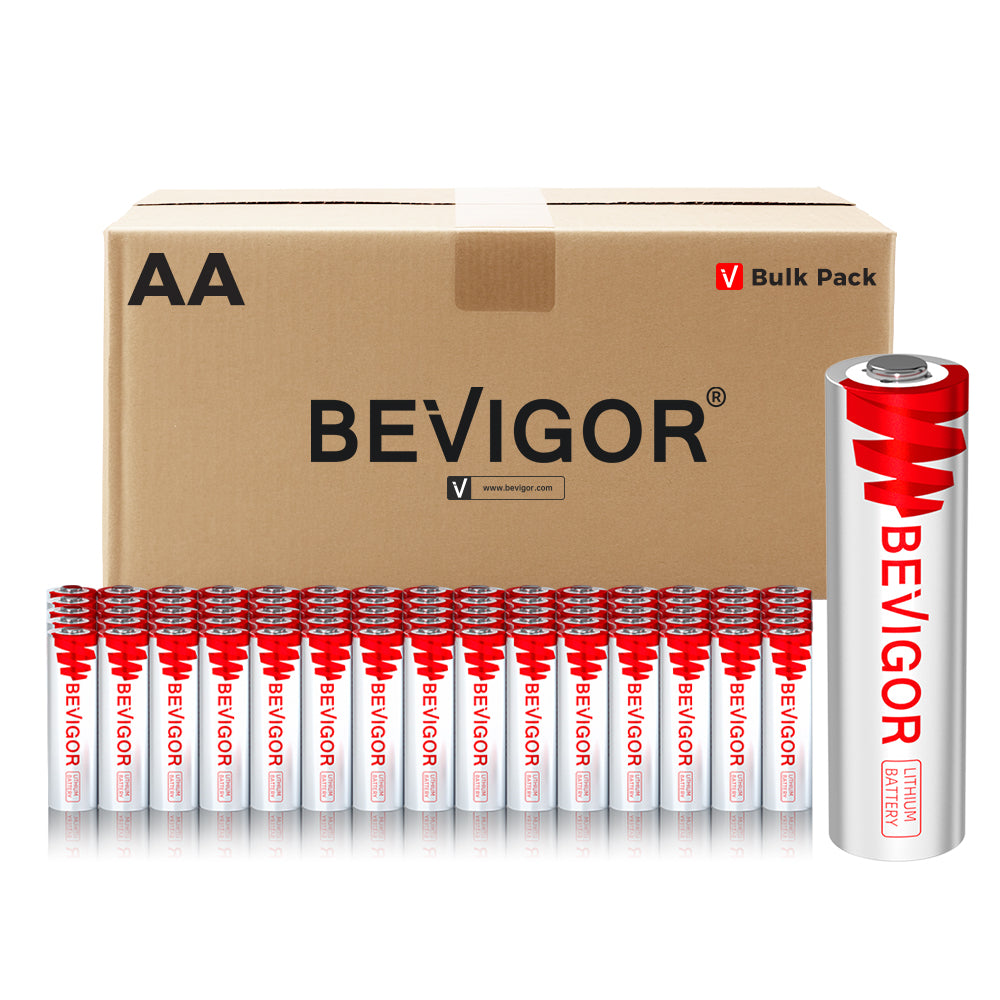
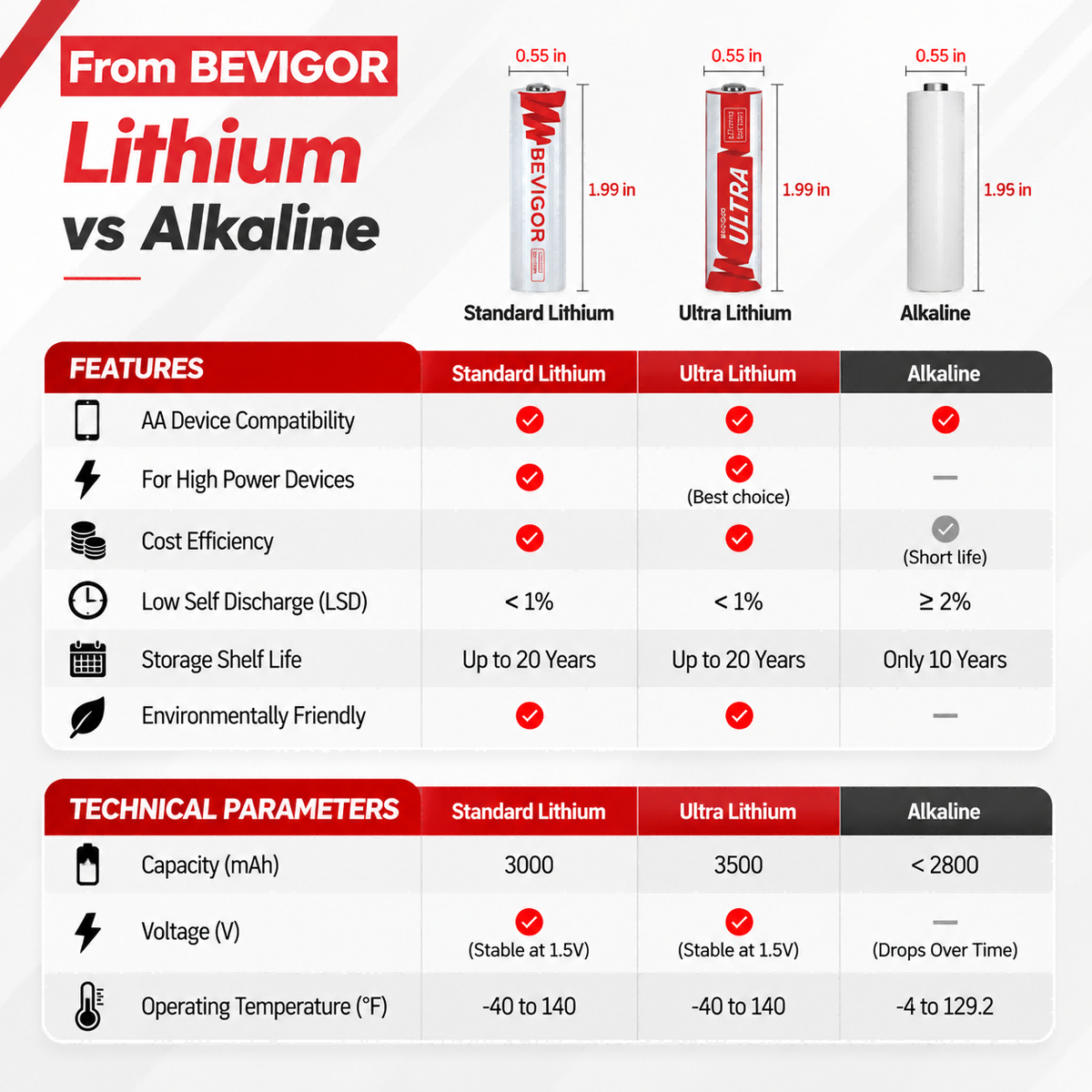
Für alltägliche Verbraucher, die eine zuverlässige und sichere Stromversorgung suchen, bietet Bevigor hochleistungsfähige AA-Lithium-Optionen an:
-
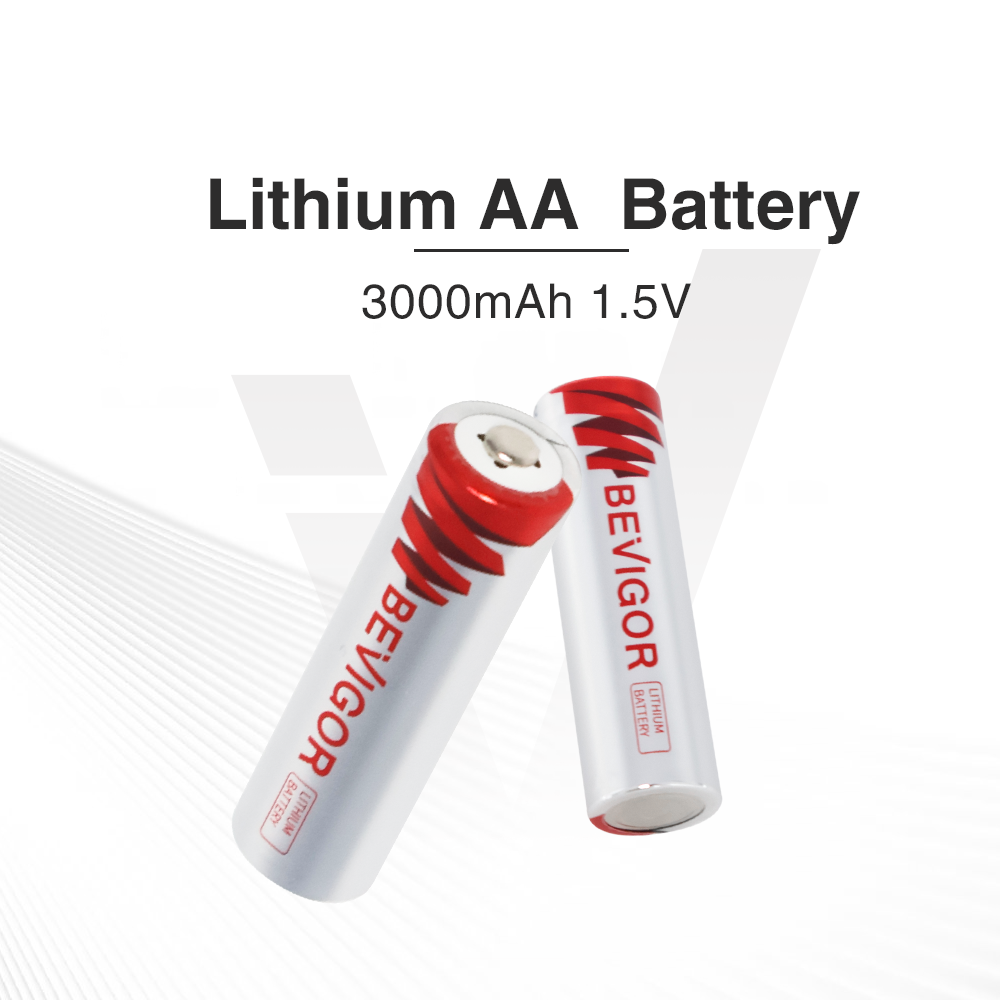
Bevigor Lithium-AA-Batterien 3000mAh (Einzelhandelspackung)
https://bevigor.com/products/bevigor-lithium-aa-batteries-3000mah -
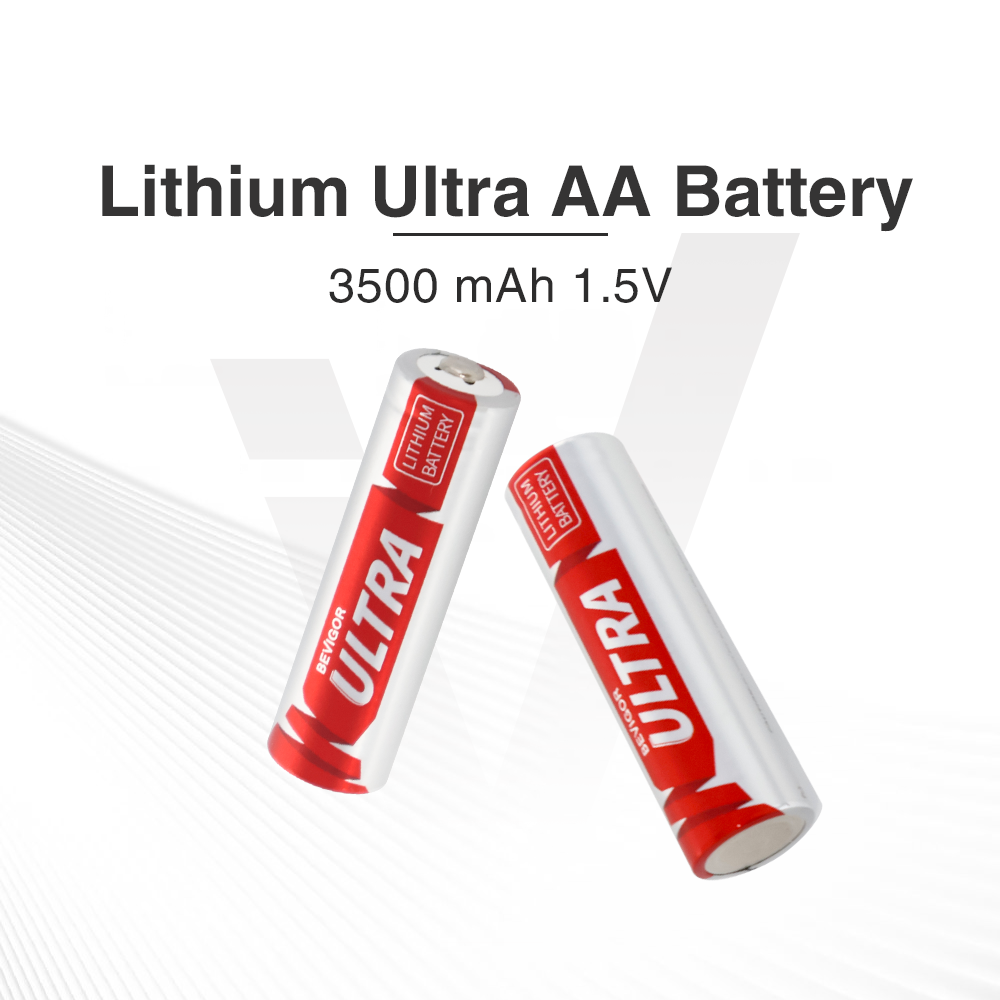
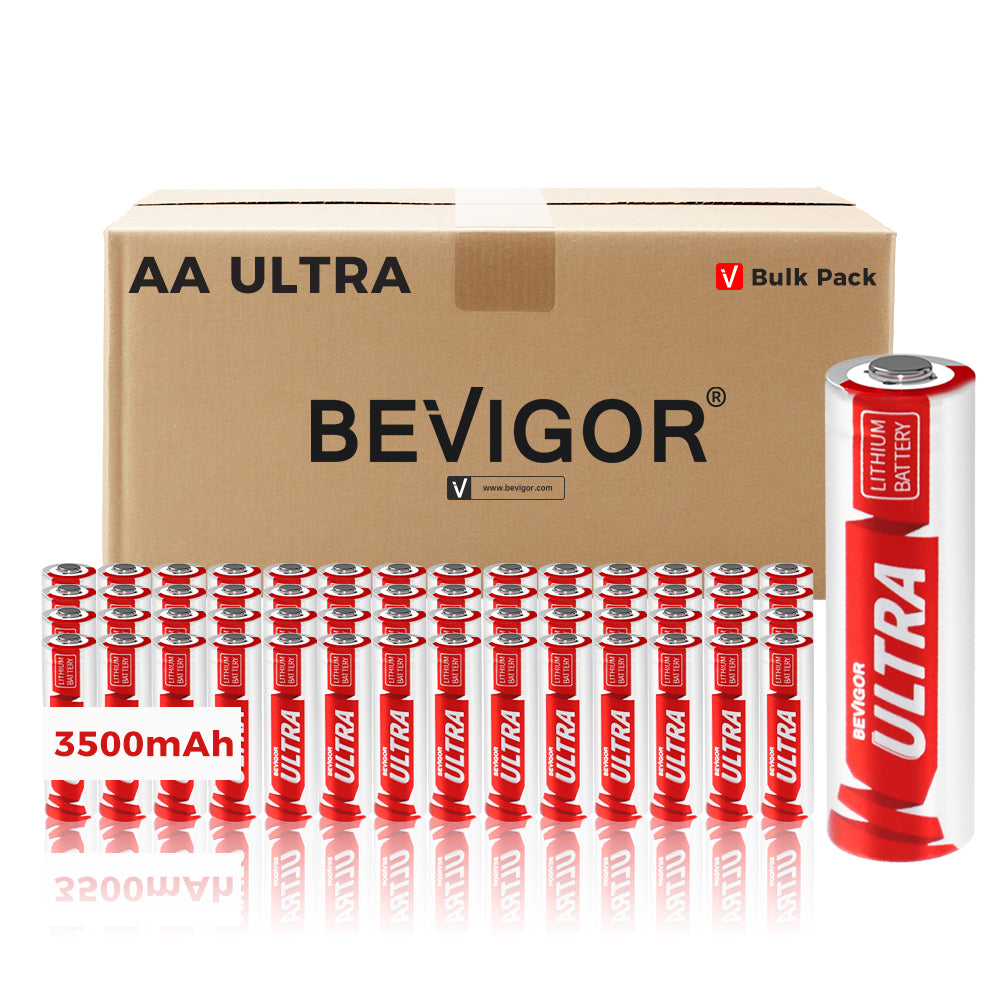
Ultra Neue Bevigor Lithium-AA-Batterien (Höhere Leistungsoption)
https://bevigor.com/products/ultra-new-bevigor-lithium-aa
Was bedeutet „gefährlich“ wirklich?
Alle Batterien speichern Energie, und alles, was Energie speichert, birgt ein gewisses Risiko. Es gibt jedoch einen entscheidenden Unterschied zwischen der Fähigkeit, Schaden zu verursachen, und der Wahrscheinlichkeit, Schaden zu verursachen.
Ältere Batterietechnologien – wie Blei-Säure-Batterien – bargen aufgrund von korrosiven Flüssigkeiten und brennbaren Gasen deutlich größere Risiken. Im Vergleich dazu sind Lithium-AA-Batterien versiegelt, stabil und so konstruiert, dass Ausfallrisiken minimiert werden.
Bei bestimmungsgemäßer Verwendung:
-
Batterien nicht Feuer oder extremer Hitze aussetzen
-
Nicht zerdrücken, durchstechen oder zerlegen
-
Anschlüsse nicht kurzschließen
-
Keine beschädigten Geräte oder ungeeigneten Ladegeräte verwenden
Die Einhaltung dieser grundlegenden Richtlinien macht Bevigor AA-Lithium-Batterien extrem sicher für den täglichen Gebrauch im Haushalt und im professionellen Bereich.
Schadenvermeidung durch Bewusstsein und richtige Handhabung
Das Bewusstsein für Batteriesicherheit hat sich in den letzten Jahrzehnten dramatisch verbessert. Während ältere Chemie wie Zink-Kohle- oder Alkali-Batterien bei unsachgemäßer Verwendung auslaufen oder überhitzen konnten, reduzieren moderne Lithium-Batteriekonstruktionen diese Risiken erheblich.
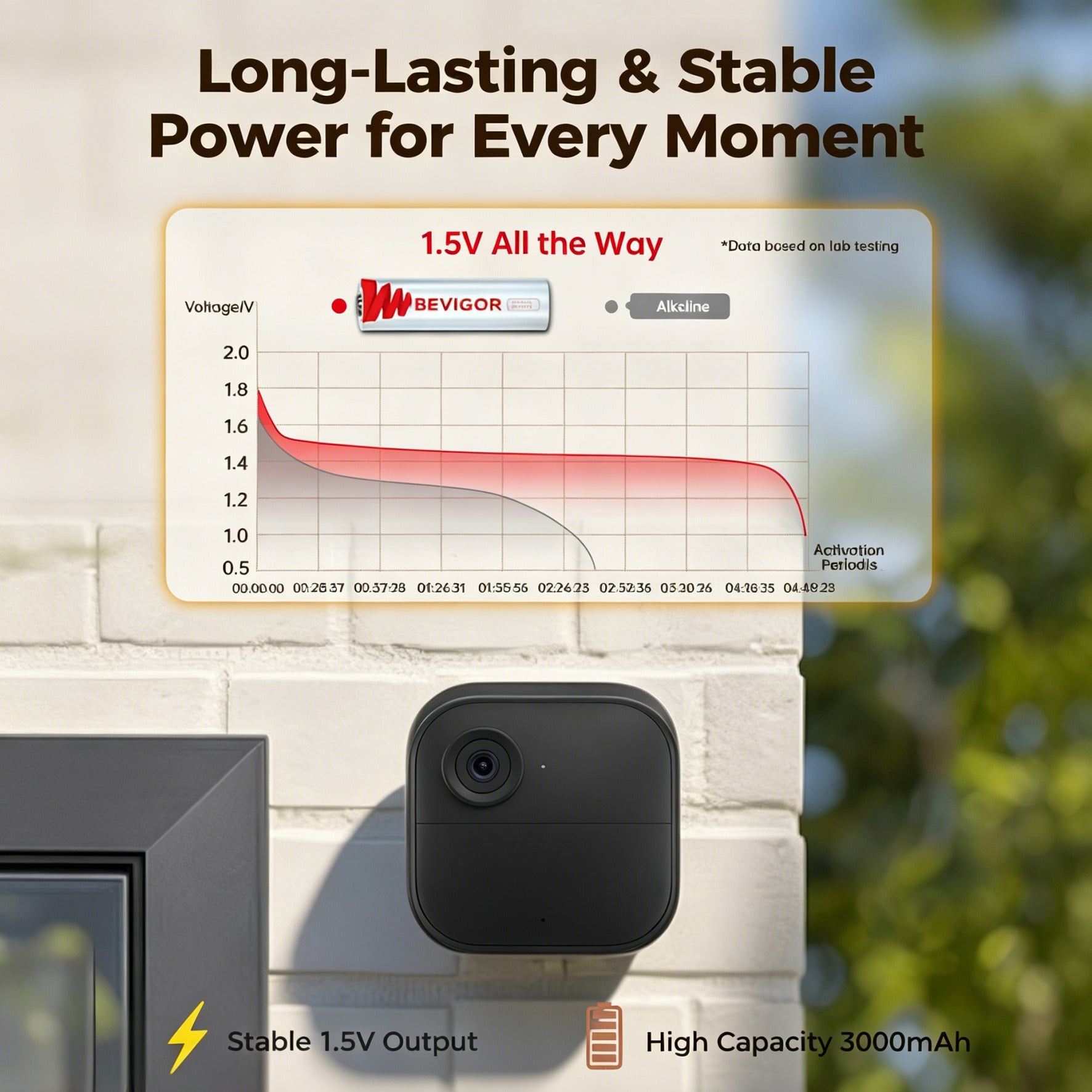
Im Gegensatz zu Alkali-Batterien, die sich erwärmen können, wenn die Anschlüsse mit Metallobjekten in Kontakt kommen, sind Lithium-AA-Batterien stabiler und viel weniger anfällig für Leckagen. Dies macht Bevigor AA-Batterien geeignet für Lagerung, Transport und Langzeitnutzung – insbesondere in Geräten, die eine konstante Spannungsausgabe erfordern.
Sind Lithium-AA-Batterien in LED-Taschenlampen sicher?
Ja – wenn sie in ordnungsgemäß konstruierten Geräten verwendet werden.
Bedenken hinsichtlich der Überhitzung von Lithium-Batterien in LED-Taschenlampen betreffen in der Regel nur schlecht konstruierte oder kostengünstige Taschenlampen, denen eine Strombegrenzungsschaltung fehlt. Gut konstruierte LED-Taschenlampen sind für den sicheren Betrieb mit AA-Lithium-Batterien ausgelegt und liefern eine stabile Helligkeit und eine längere Laufzeit.
Es ist auch wichtig zu klären, dass sich diese Diskussion auf primäre (nicht wiederaufladbare) Lithium-AA-Batterien konzentriert, nicht auf wiederaufladbare Lithium-Ionen-Zellen, die in Smartphones oder Laptops verwendet werden.
In Kombination mit hochwertigen Geräten bieten Bevigor Lithium-AA-Batterien zuverlässige Leistung ohne zusätzliche Sicherheitsbedenken.
Lösungen für Groß- und Einzelhandelskunden
Für professionelle Anwender, Distributoren und B-End-Kunden bietet Bevigor auch Großhandelslösungen an, die für große Anwendungen wie Industrieanlagen, Sicherheitssysteme und Notfallgeräte konzipiert sind.
-
Groß- und Einzelhandelsanfragen
https://bevigor.com/pages/bulk-wholesale -
AA Lithium-Batterien 3000mAh – Großpackung
https://bevigor.com/products/aa-lithium-batteries-3000mah-bulk -
Bevigor Ultra 3500mAh AA Lithium-Batterien – Großpackung
https://bevigor.com/products/bevigor-ultra-3500mah-aa-lithium-batteries-bulk-pack
Für individuelle Anforderungen, langfristige Lieferungen oder technische Fragen können Sie sich auch direkt an das Bevigor-Team wenden:
https://bevigor.com/pages/contact-us
Fazit: Sollten Lithium-Batterien als gefährlich eingestuft werden?
Nein. Lithium-Batterien als „gefährlich“ einzustufen, würde ihr tatsächliches Risiko falsch darstellen und die Bedeutung des Begriffs verwässern. Wenn sie nach modernen Standards hergestellt und korrekt verwendet werden, sind Lithium-AA-Batterien unwahrscheinlich, Schaden zu verursachen, und werden sogar in stark regulierten Industrien wie der Luftfahrt und den Notfalldiensten eingesetzt.
Für Anwender, die sichere, hochleistungsfähige Energielösungen suchen, bleiben Bevigor Lithium-AA-Batterien eine kluge und verantwortungsvolle Wahl.






Aktie:
Die besten AA-Lithium-Batterien für Blink Kameras: Ihr vollständiger Leitfaden für 2026
Wie lange hält eine Lithium-Knopfzellenbatterie? Der komplette Ratgeber