

Viele Menschen möchten heutzutage Abfall reduzieren, langfristige Batteriekosten senken und den ständigen Kauf von Einwegbatterien vermeiden. Wiederaufladbare Batterien scheinen die natürliche Lösung zu sein – doch sobald man anfängt zu recherchieren, stellt man fest, dass es verschiedene Chemikalien, Ladegeräte und Best Practices gibt, die anfangs überwältigend wirken können. Es ist üblich, sich zu fragen, ob der Wechsel sich lohnt und welche Geräte am meisten davon profitieren.
Dieser Leitfaden beantwortet die wichtigsten Fragen zu wiederaufladbaren Batterien. Wir erklären, warum NiMH-Akkus für die meisten Haushalte die praktischste Wahl sind, wann Einwegbatterien noch sinnvoll sind und wie man ein einfaches und zuverlässiges System einrichtet, um die aktuellen Einwegbatterien durch wiederaufladbare zu ersetzen. Am Ende dieses Leitfadens werden Sie ein klareres Verständnis der Batterietypen haben und wissen, wie Sie deren Effizienz und Langlebigkeit maximieren können.
Wir bleiben hier ausgewogen – Einwegbatterien, einschließlich leistungsstarker Lithium-Eisen-Batterien, haben immer noch wichtige Einsatzbereiche. Das Ziel ist einfach: Verwenden Sie die richtige Batterie für das richtige Gerät und sparen Sie dabei Geld und reduzieren Sie Abfall, wo immer möglich.
1. Warum steigen Menschen auf wiederaufladbare Batterien um?
Es gibt mehrere überzeugende Gründe, warum Haushalte zunehmend wiederaufladbare Batterien verwenden, anstatt sich ausschließlich auf Einwegbatterien zu verlassen.
1. Langfristige Kostenersparnis
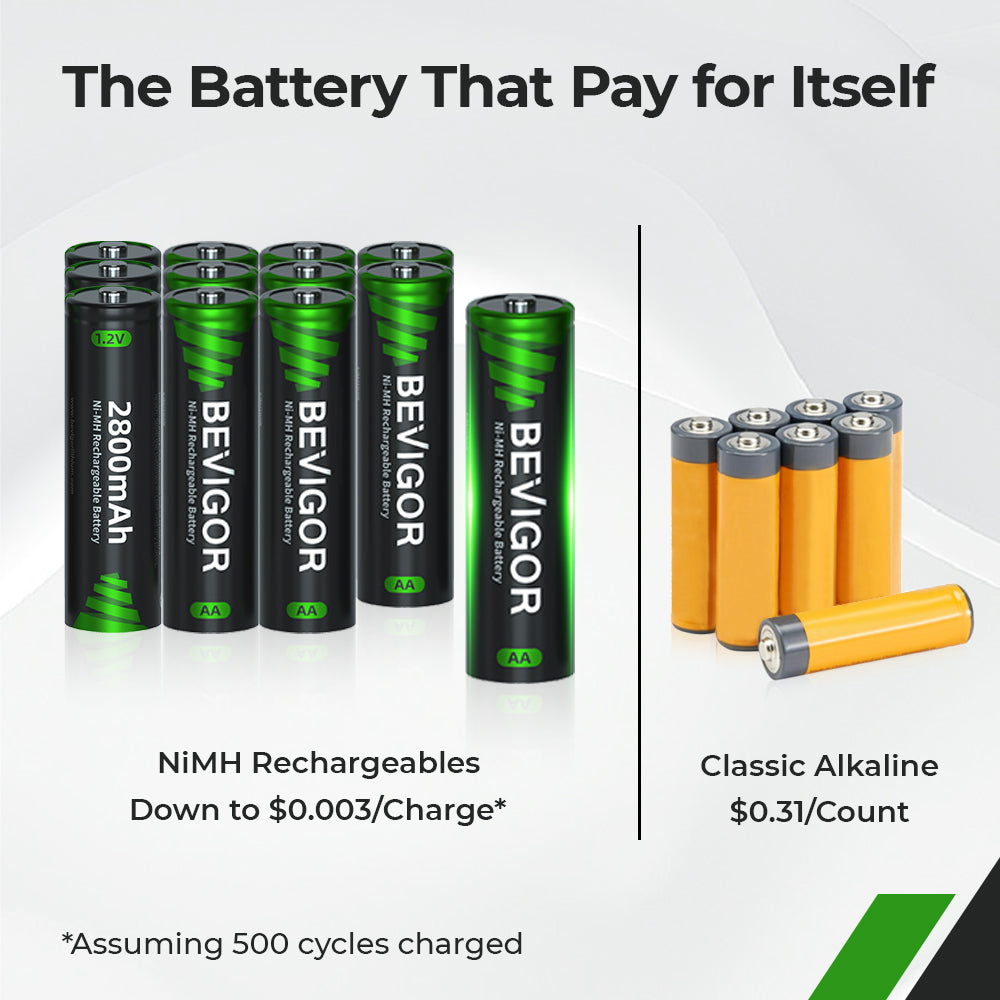
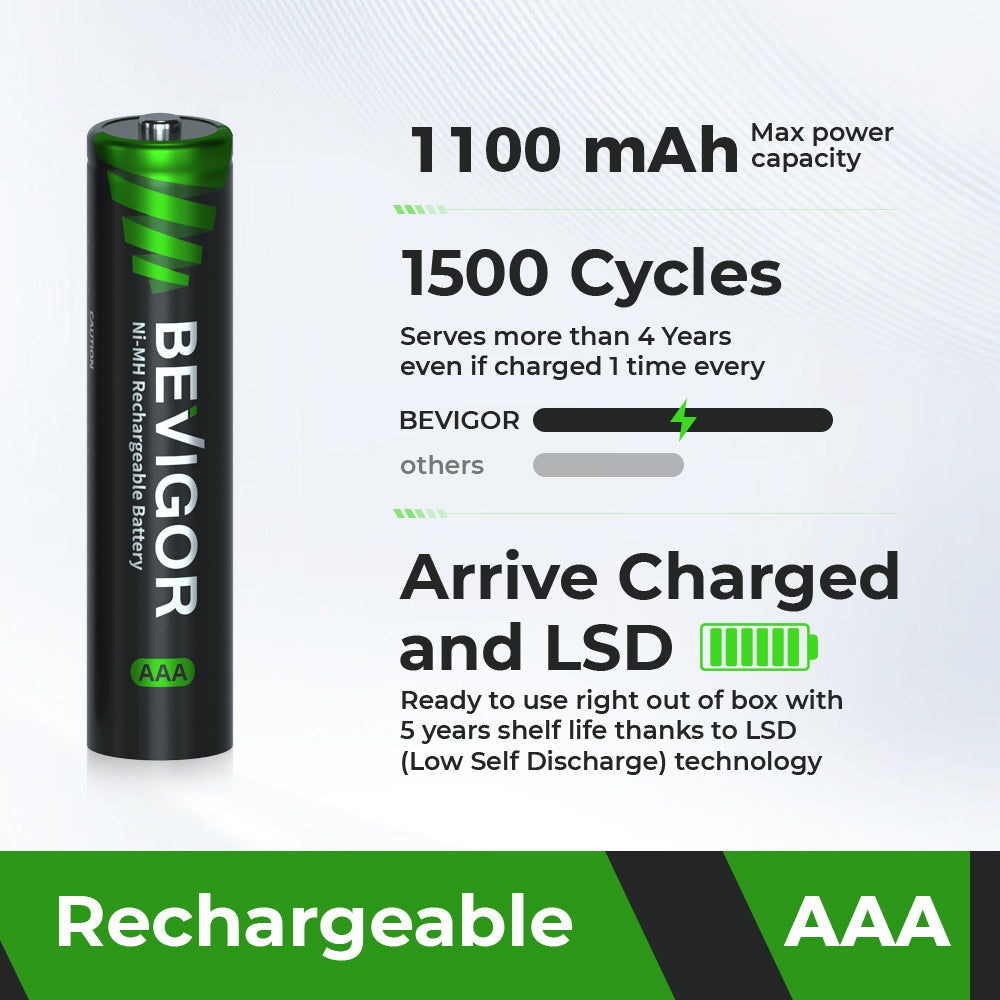
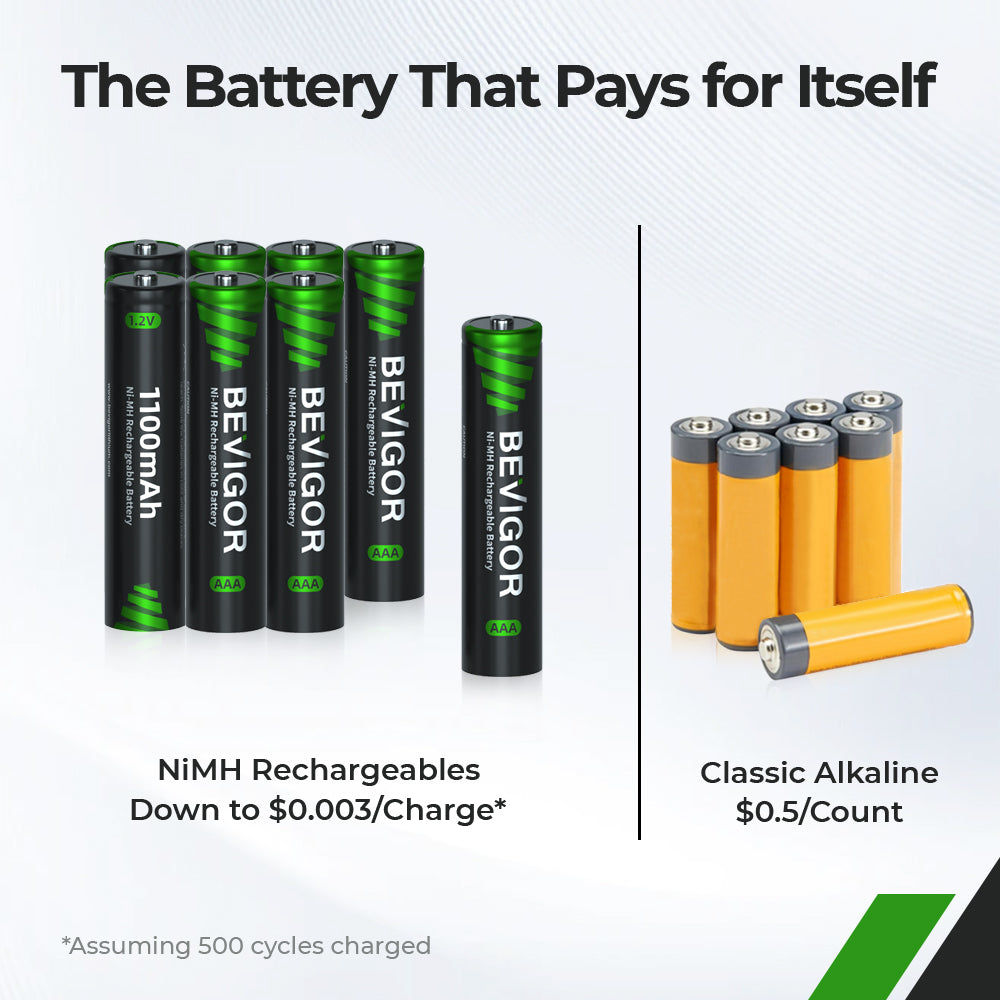
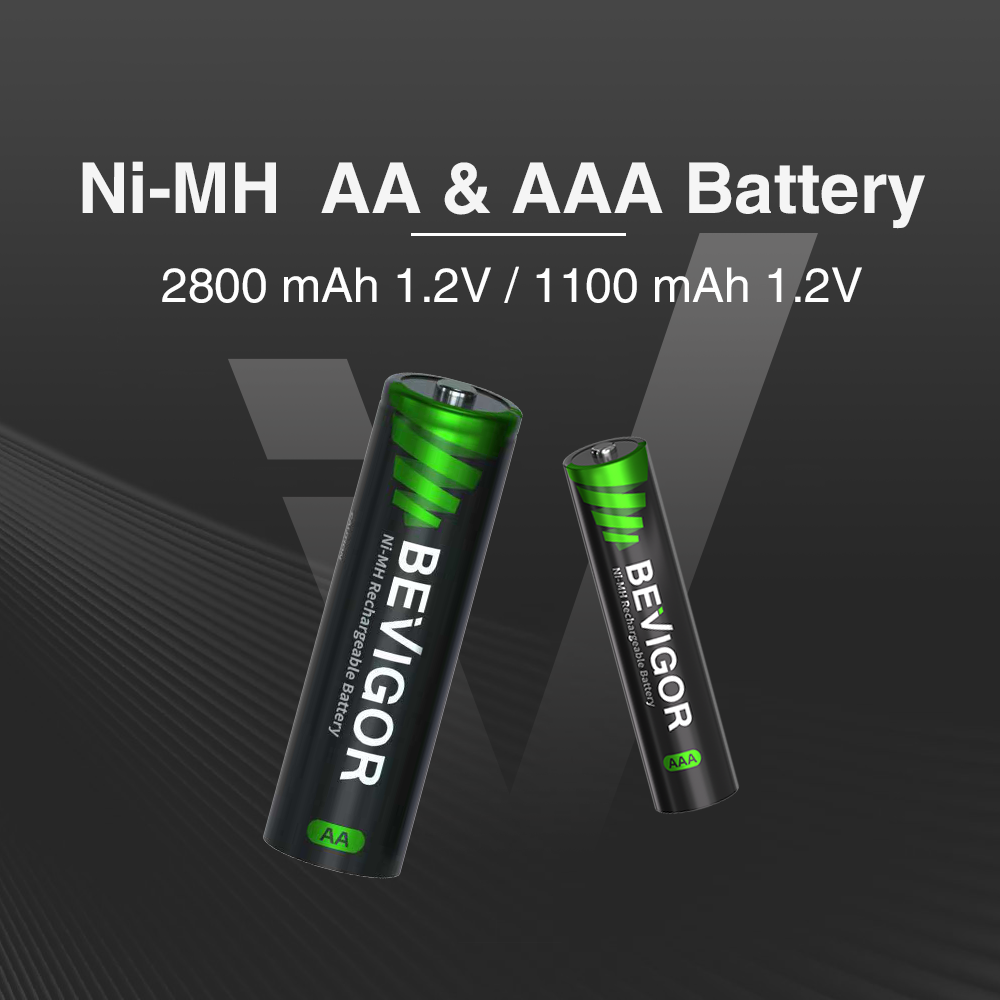
Eine hochwertige wiederaufladbare NiMH-AA- oder AAA-Batterie kann Hunderte von Ladezyklen überdauern. Obwohl die anfängliche Investition in Batterien und ein Ladegerät hoch erscheinen mag, kann dies über Monate und Jahre zu erheblichen Einsparungen führen. Zum Beispiel kann eine Familie, die mehrere Fernbedienungen, Spielzeuge und Handgeräte verwendet, im Vergleich zum kontinuierlichen Kauf von Einwegbatterien über einige Jahre Hunderte von Euro sparen.
2. Bessere Sicherheit und geringeres Auslaufrisiko
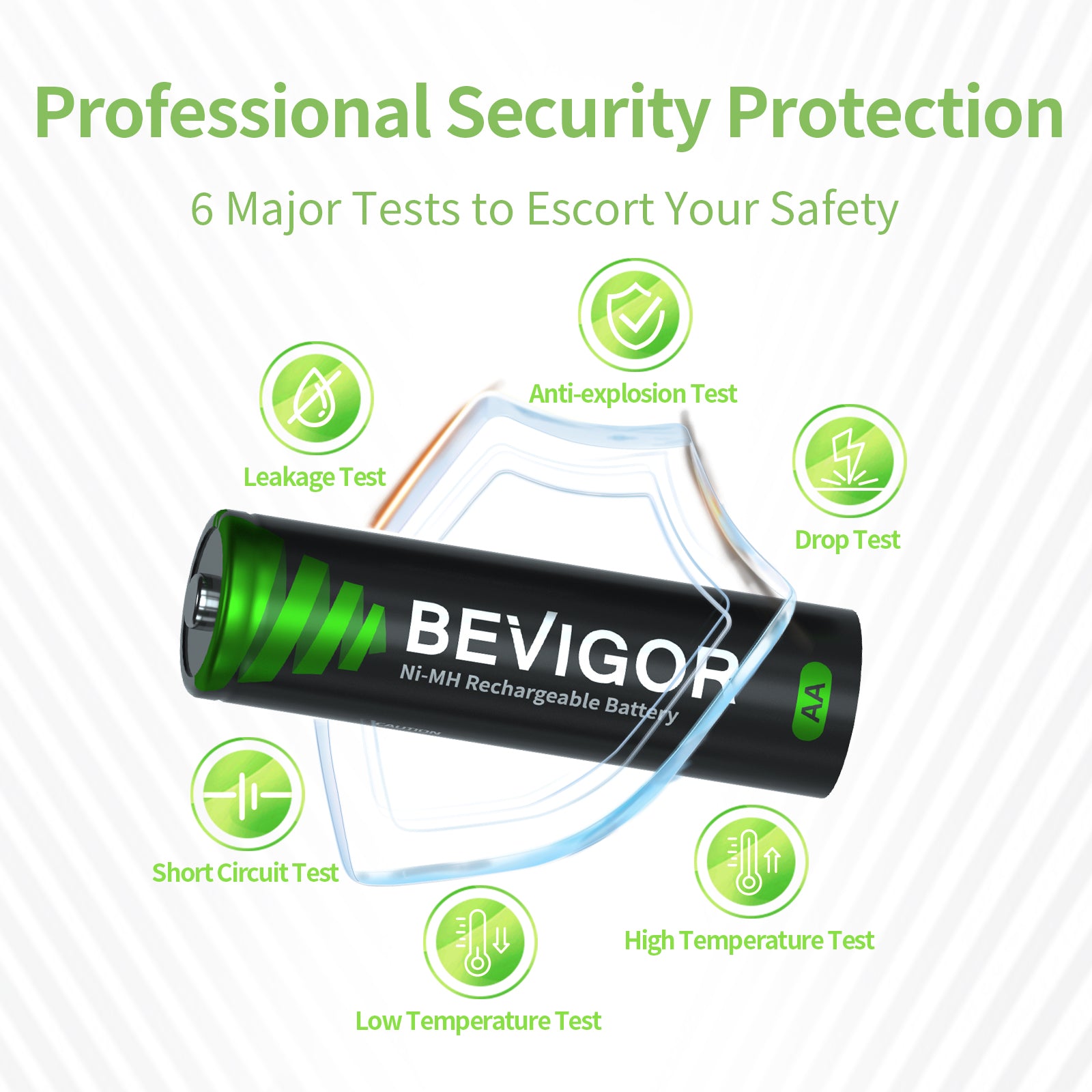
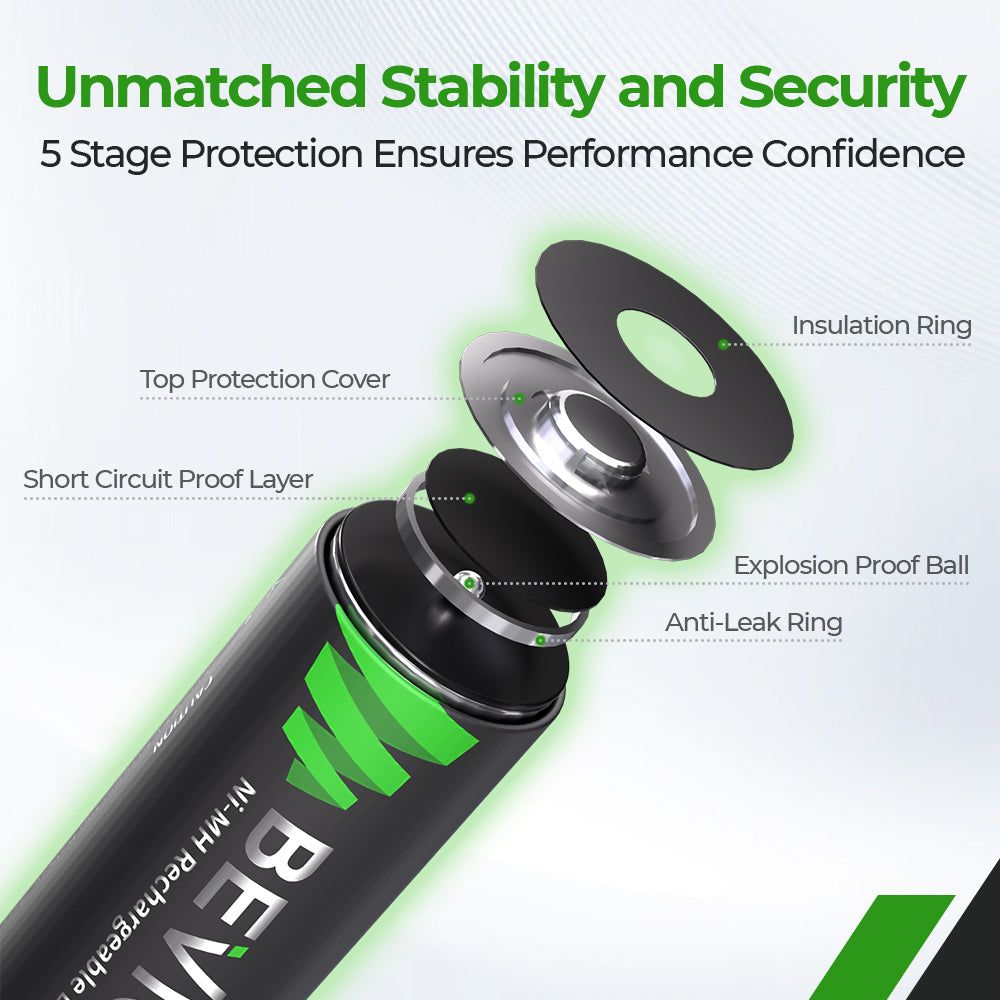
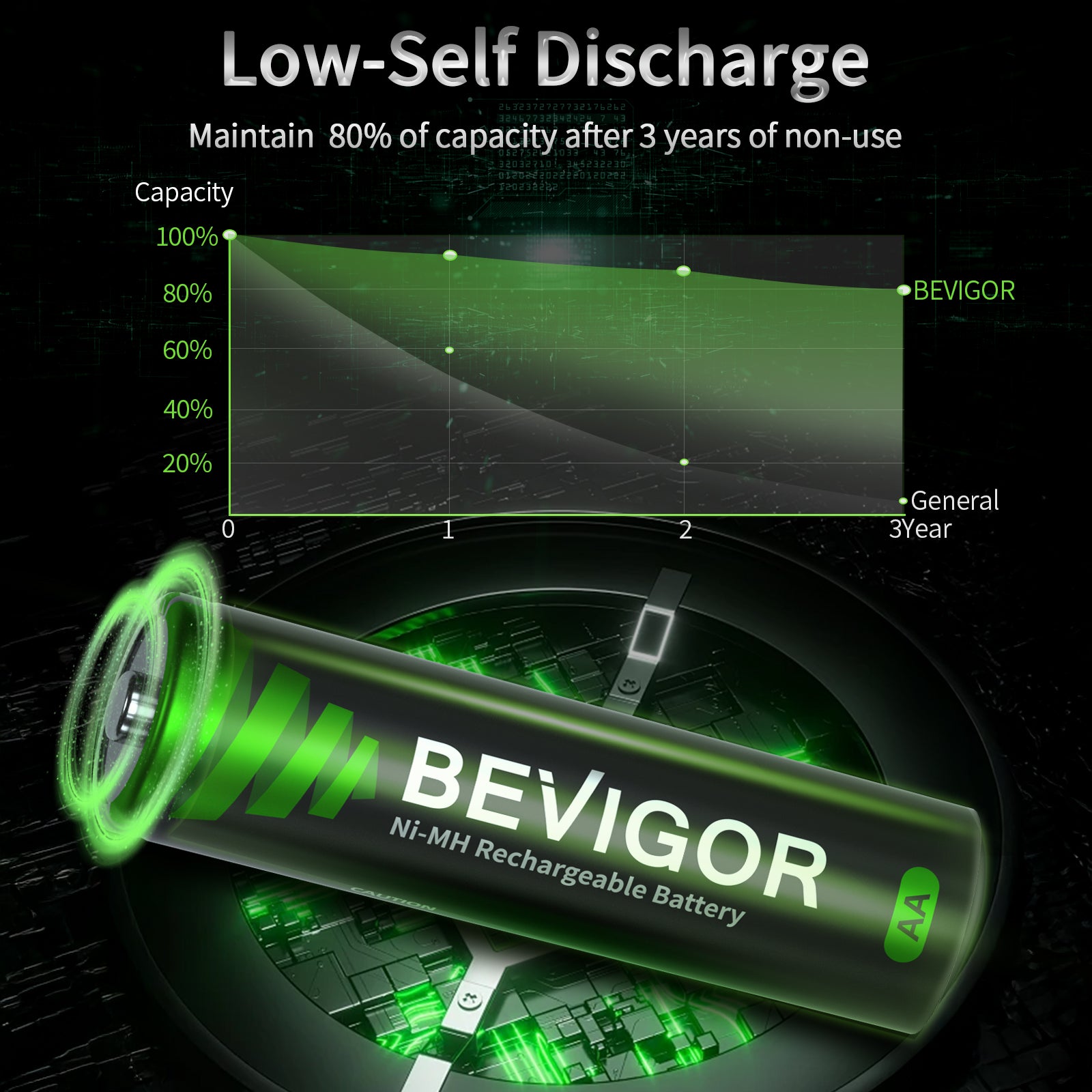
Alkalibatterien, insbesondere billigere Marken, können mit der Zeit oder bei Nichtgebrauch auslaufen. Das Auslaufen wird durch chemischen Zerfall verursacht, der Elektronik korrodieren und Geräte ruinieren kann. NiMH-Batterien hingegen verwenden ein stabileres elektrochemisches System, was die Wahrscheinlichkeit des Auslaufens verringert. Dies macht sie sicherer für empfindliche Elektronik und den Langzeitgebrauch.
3. Gleichmäßigere Leistung
Alkalibatterien starten mit 1,5 V, aber ihre Spannung fällt unter Last schnell ab, was dazu führen kann, dass Geräte dunkler werden, unerwartet ausgehen oder nicht optimal funktionieren. NiMH-Batterien halten über den größten Teil ihres Entladezyklus eine konstante Spannung von 1,2 V aufrecht und liefern eine gleichmäßige Leistungsabgabe. Diese Stabilität ist besonders nützlich für Geräte, die eine vorhersehbare Leistung benötigen, wie z. B. drahtlose Tastaturen, Spielzeuge oder kleine Haushaltsgeräte.
Aufgrund dieser Vorteile möchten viele Benutzer wissen, wie sie am besten von Einwegbatterien auf wiederaufladbare Batterien umsteigen können.
2. Warum werden NiMH-Akkus gegenüber anderen wiederaufladbaren Typen empfohlen?
Obwohl verschiedene wiederaufladbare Chemien verfügbar sind, einschließlich Li-Ion, LiFePO4 und USB-betriebener Lithium-AA-Zellen, sind NiMH-Akkus oft die praktischste Lösung, um AA- und AAA-Einwegbatterien zu ersetzen.
Sicher und stabil
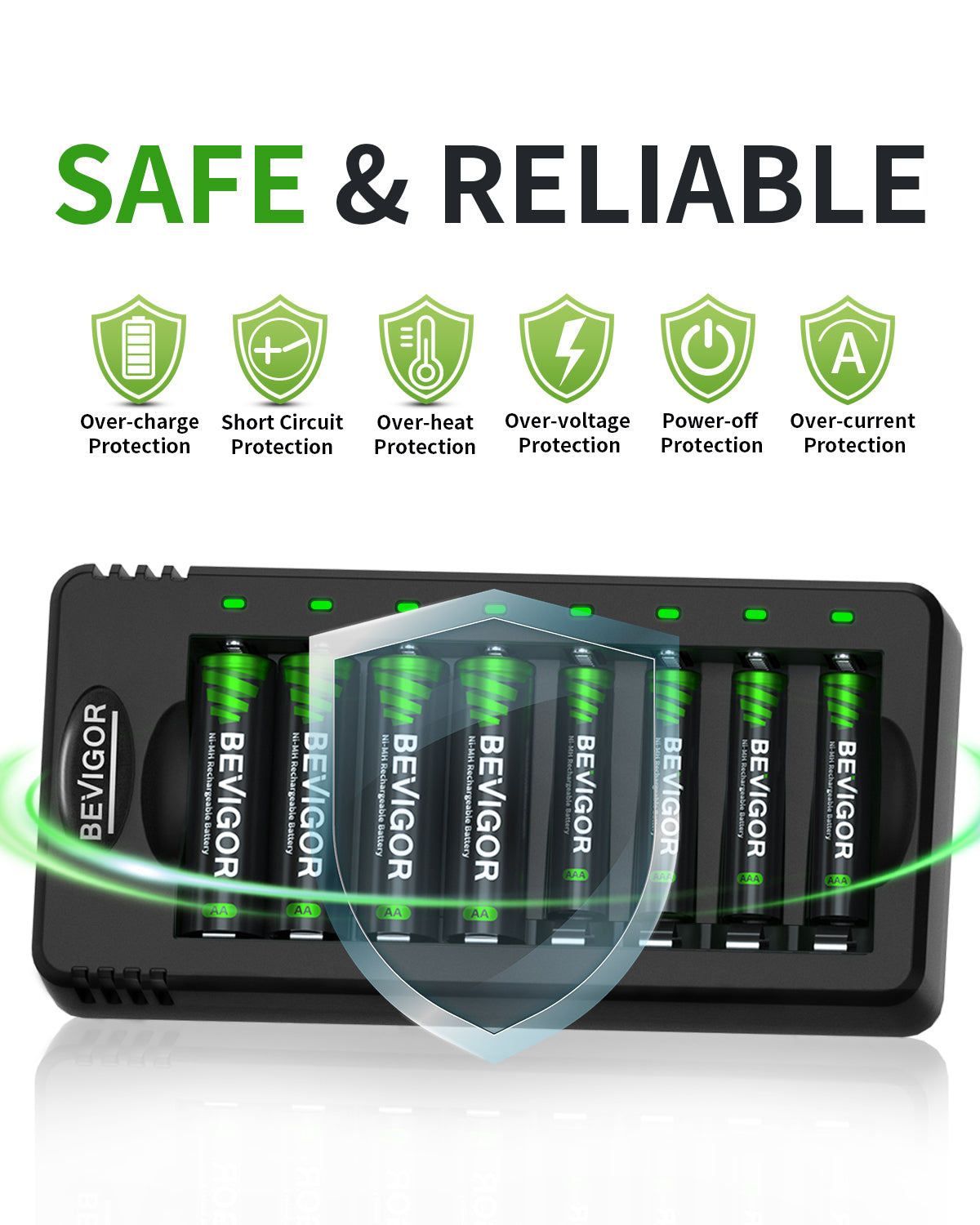
NiMH-Akkus benötigen keine komplexen Schutzschaltungen, was sie einfach in der Handhabung macht. Ihre interne Chemie ist sehr stabil, mit einem minimalen Risiko von Überhitzung oder thermischem Durchgehen, was sie sicher für Familien, Büros und häufigen Gebrauch macht.
Kompatibel mit den meisten Haushaltsgeräten
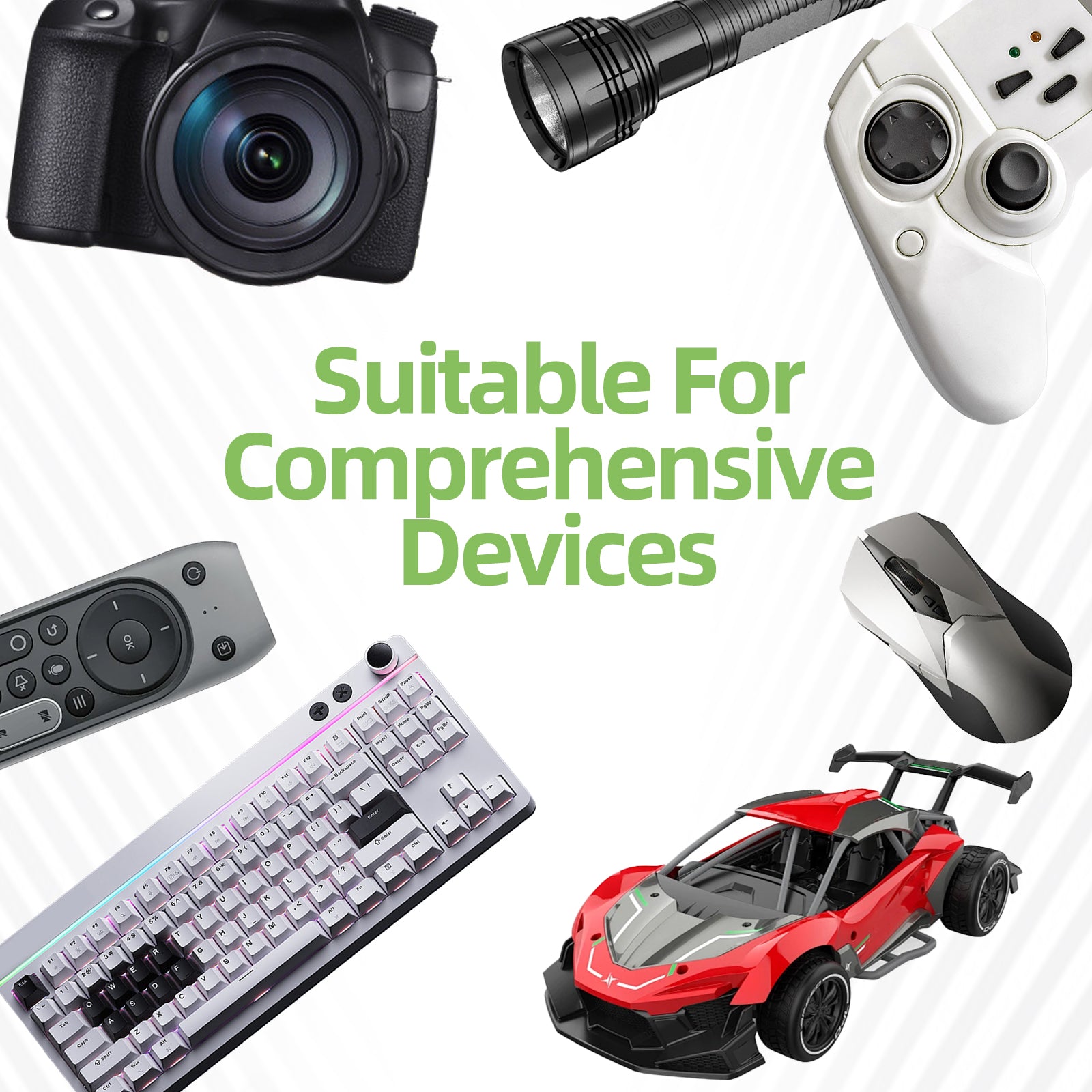
NiMH-AA- und AAA-Akkus passen in praktisch alle Standard-Batteriefächer, einschließlich Fernbedienungen, Spielzeug, drahtlose Mäuse, Gamecontroller, kleine Haushaltsgeräte und Pflegegeräte. Im Gegensatz zu einigen speziellen Lithiumbatterien sind keine Adapter oder Modifikationen erforderlich.
Einfach und vorhersehbar
Die Bedienung von NiMH-Akkus ist unkompliziert: aufladen, verwenden und wieder aufladen. Sie bieten eine vorhersehbare Spannung und Leistung, im Gegensatz zu einigen neueren wiederaufladbaren Typen, deren Ausgangsleistung je nach Gerät oder Last variieren kann.
3. Laufen NiMH-Akkus weniger aus als Alkalibatterien?
Ja, NiMH-Akkus neigen viel weniger zum Auslaufen als Alkalibatterien.
Warum Alkalibatterien auslaufen:
Alkaline-Zellen produzieren Wasserstoffgas als natürliches Nebenprodukt der chemischen Reaktion im Inneren. Mit der Zeit oder unter Belastung baut sich im Inneren der Batterie Druck auf. Wenn die Dichtung versagt, kann Elektrolyt austreten und potenziell die Elektronik beschädigen.
Warum NiMH-Akkus selten auslaufen:
NiMH-Zellen haben ein anderes internes chemisches System, das bei normalem Betrieb viel weniger Gas erzeugt. Die Drucktoleranz und die Art des verwendeten Elektrolyten machen sie viel weniger anfällig für Leckagen. Selbst wenn ein NiMH-Akku versagt, sind die Folgen weit weniger schädlich als bei Alkalileckagen. Deshalb wechseln viele Haushalte zu NiMH, um ihre Geräte langfristig zu schützen.
4. Verursacht die niedrigere 1,2-V-Spannung von NiMH-Akkus Probleme?
NiMH-Akkus arbeiten mit ungefähr 1,2 V, im Vergleich zu 1,5 V bei Einweg-Alkaline- oder Lithium-Eisen-Batterien. Viele Menschen befürchten, dass diese niedrigere Spannung die ordnungsgemäße Funktion von Geräten beeinträchtigt.
Für die meisten modernen Elektronikgeräte ist der Unterschied nicht spürbar. Viele Geräte verfügen über Stromregulierungsschaltungen, die einen Bereich von Eingangsspannungen akzeptieren, einschließlich NiMH. Zum Beispiel funktionieren Fernbedienungen, Spielzeug und kleine Bürogeräte in der Regel gut mit 1,2 V. Einige ältere oder empfindliche Elektronikgeräte können jedoch ein volles 1,5-V-Signal benötigen, um korrekt zu funktionieren, weshalb in diesen Fällen manchmal Einwegbatterien bevorzugt werden.
5. Welche Geräte sollten weiterhin Einwegbatterien anstelle von wiederaufladbaren Batterien verwenden?
Obwohl wiederaufladbare NiMH-Akkus für die meisten Geräte hervorragend geeignet sind, funktionieren bestimmte Elektronikgeräte besser mit Einwegbatterien:
Geräte, die tatsächlich eine volle 1,5 V für den korrekten Betrieb benötigen
Einige Geräte überwachen die Batteriespannung, um die verbleibende Lebensdauer zu beurteilen. NiMH-Akkus können als „Batterie schwach“ angezeigt werden, selbst wenn sie vollständig geladen sind, was dazu führt, dass das Gerät sich abschaltet oder nicht optimal funktioniert.
Spannungsempfindliche Fotoausrüstung
Kameragriffe, Blitze und Belichtungsmesser benötigen oft eine volle 1,5 V, um zu starten und ordnungsgemäß zu funktionieren. Die Verwendung von NiMH-Zellen mit geringerer Spannung kann verhindern, dass das Gerät startet oder Fehlermeldungen verursacht.
Spezifische Taschenlampen, optimiert für 1,5 V
Bestimmte Taschenlampentreiber sind für die höhere Startspannung von 1,5 V ausgelegt. Bei NiMH kann die Helligkeit geringer sein oder der automatische Niederspannungsschutz kann vorzeitig auslösen.
Notfall- oder Sicherheitsausrüstung
Kritische Geräte wie Notfalltaschenlampen, Rauchmelder und bestimmte medizinische Geräte müssen über lange Zeiträume zuverlässig geladen bleiben. Einwegbatterien mit langer Lagerfähigkeit sind in diesen Szenarien besser geeignet.
6. Wann sind 1,5V Lithium-Eisen-Batterien die bessere Wahl?
1,5V Lithium-Eisen-Batterien sind ideal für Geräte mit hohem Stromverbrauch oder hoher Zuverlässigkeit:
• Elektronik mit hohem Stromverbrauch wie fortschrittliche Taschenlampen oder tragbare Elektrowerkzeuge
• Geräte, die eine starke Anfangsspannung für volle Helligkeit oder Funktion benötigen
• Outdoor-Ausrüstung oder Ausrüstung für extreme Temperaturen
• Werkzeuge, die auf eine konstante Startspannung angewiesen sind
Diese Anwendungen profitieren oft von der Stabilität, der langen Lagerfähigkeit und der konstanten 1,5V-Leistung von Lithium-Eisen-Batterien.
Mehr lesen: Warum Bevigor Lithium-Eisen-Batterien die beste Wahl für Ihre Geräte sind
7. Welche Geräte funktionieren am besten mit NiMH-Akkus?
NiMH-Zellen eignen sich hervorragend für:
• Kabellose Tastaturen, Mäuse und andere Büro-Peripheriegeräte
• Gamecontroller und Handheld-Konsolen
• Spielzeug, Lernsets und MINT-Geräte
• Pflegegeräte wie elektrische Rasierer
• Etikettendrucker und kleine Bürogeräte
• LED-Kerzen, Dekorationen und Haushaltsgeräte
• Handlüfter und tragbare Werkzeuge
• Häufig genutzte Haushaltsfernbedienungen
• Kleine Haushaltsgeräte, die täglich oder wöchentlich genutzt werden
Diese Geräte ziehen moderaten Strom und werden häufig verwendet, was sie zu idealen Kandidaten für wiederaufladbare Batterien macht. Regelmäßige Ladezyklen gewährleisten, dass sie kostengünstig und zuverlässig bleiben.
8. Wie richten Sie ein einfaches und effektives wiederaufladbares Batteriesystem ein?
A. Verwenden Sie ein gutes Smart-Ladegerät
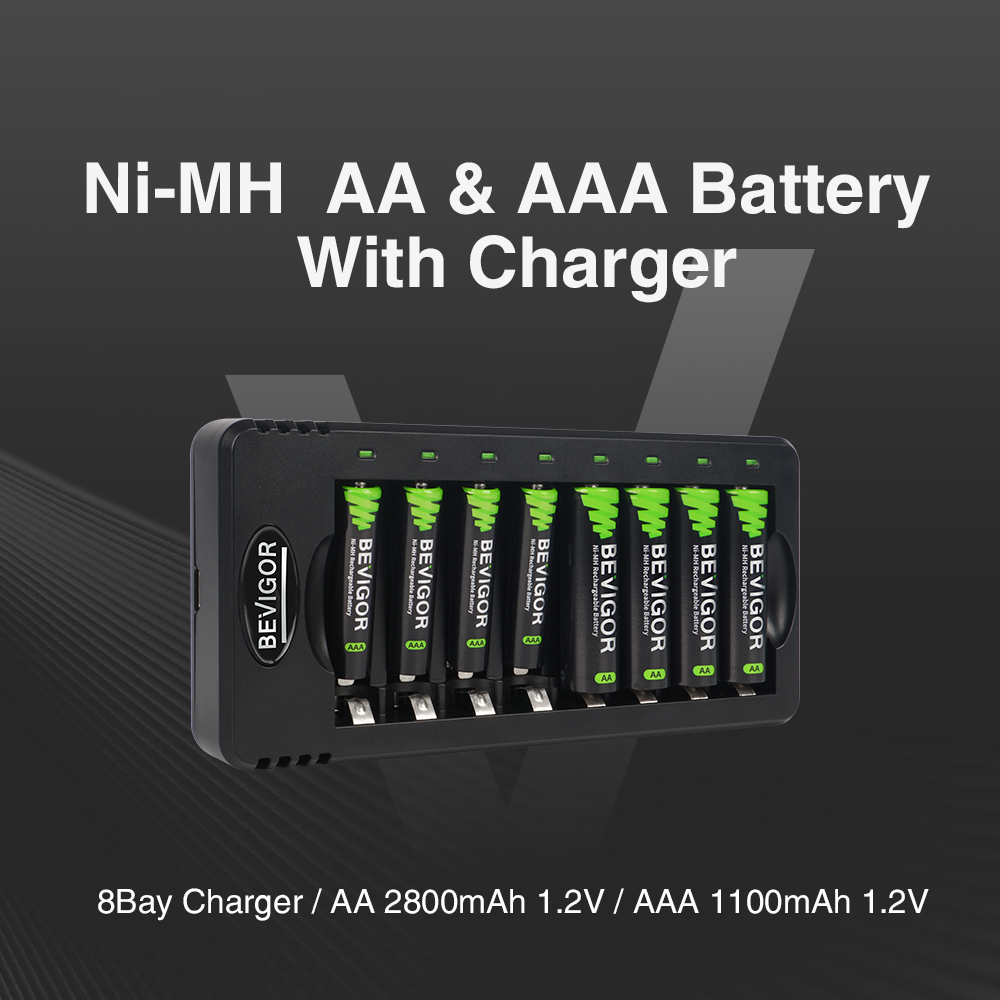
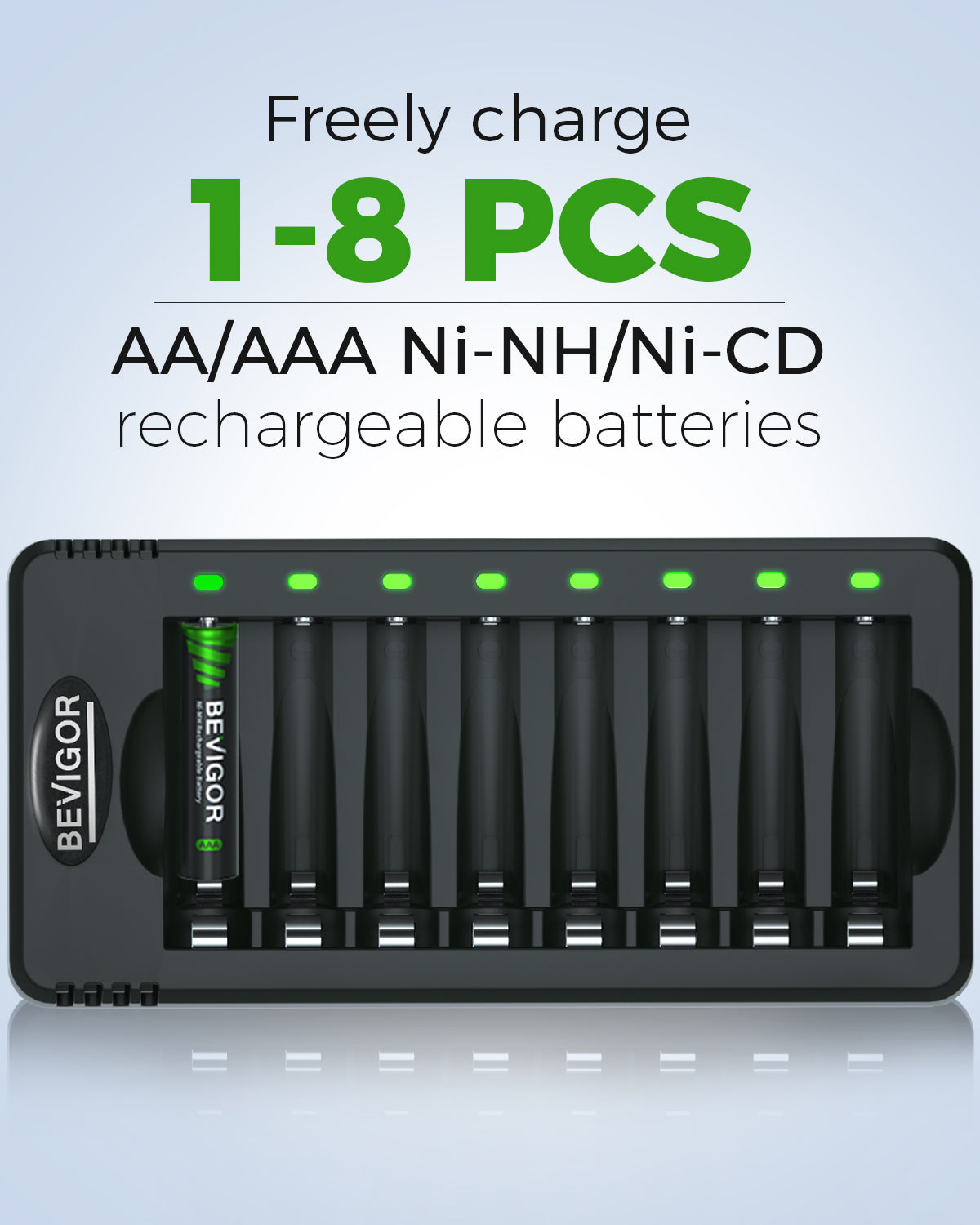
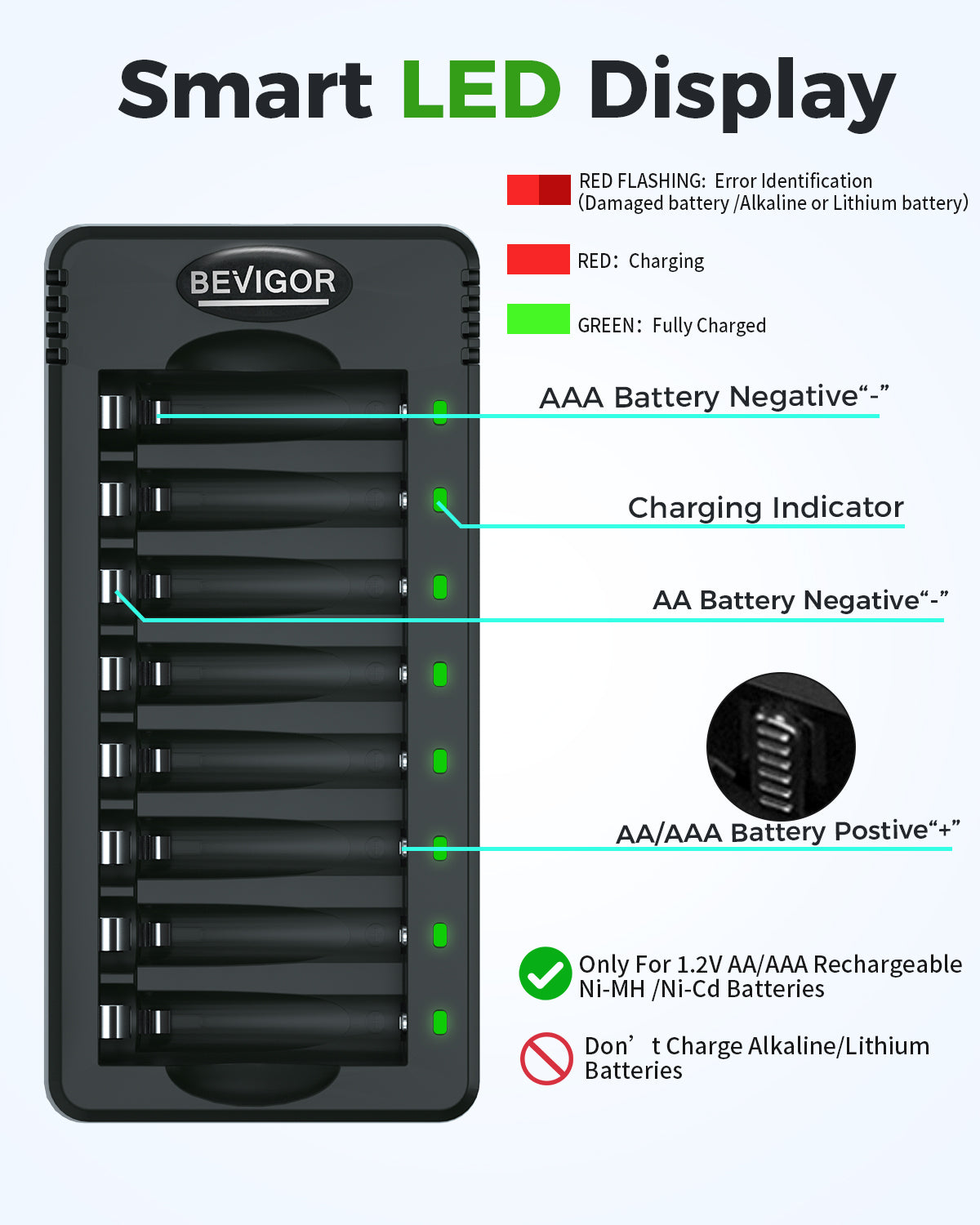
Wählen Sie ein Ladegerät mit unabhängigen Steckplätzen, automatischer Abschaltung, AA/AAA-Unterstützung und Auffrischungs- oder Regenerationsmodi. Intelligente Ladegeräte verhindern Überladung und verlängern die Batterielebensdauer.
B. Kaufen Sie genügend Batterien zum Wechseln
Eine praktische Faustregel ist, doppelt so viele Batterien wie die Geräte zu haben, die Sie umrüsten möchten. So haben Sie immer geladene Batterien zur Verfügung.
C. Beschriften Sie Ihre Batterien
Das Nummerieren oder Markieren jeder Batterie hilft, Sets zusammenzuhalten, insbesondere in Geräten, die passende Paare für optimale Leistung erfordern.
D. Verwenden Sie eine Zwei-Boxen-Organisationsmethode
Box 1: Geladen und einsatzbereit
Box 2: Verbraucht und wartet auf Wiederaufladung
Dieses einfache System verhindert Verwechslungen, reduziert Frustration und macht den Übergang zu wiederaufladbaren Batterien einfach und effizient.
9. Sollten Sie auf wiederaufladbare Batterien umsteigen? Eine ehrliche Empfehlung
Wechseln Sie die meisten Haushalts- und Büroelektronikgeräte auf NiMH um
Zuverlässig, sicher, kostengünstig und ideal für regelmäßig genutzte Geräte.
Behalten Sie Einwegbatterien für spannungsempfindliche Geräte oder Notfallgeräte
Taschenlampen, Fotoausrüstung und Notfallwerkzeuge benötigen möglicherweise weiterhin Einwegbatterien für eine optimale Funktion.
Verwenden Sie Lithium-Eisen-Batterien für Geräte mit hohem Stromverbrauch oder hoher Helligkeit
Geräte mit hohem Bedarf funktionieren besser mit Lithium-Eisen-Batterien aufgrund ihrer konstanten 1,5-V-Ausgangsleistung.
Der intelligenteste Ansatz ist nicht „alles Einweg“ oder „alles wiederaufladbar“, sondern die Wahl der richtigen Batterie für jedes Gerät basierend auf Nutzung, Stromverbrauch und Spannungsanforderungen.
10. Abschließende Gedanken: Bauen Sie ein intelligenteres, effizienteres Batteriesystem auf
Der Umstieg auf wiederaufladbare NiMH-Akkus kann Geld sparen, Abfall reduzieren und Schäden durch das Auslaufen von Alkalibatterien verhindern. Ein kleiner Satz Einwegbatterien, insbesondere Lithium-Eisen-Typen, stellt sicher, dass kritische Geräte immer zuverlässig funktionieren. Beginnen Sie mit Ihren am häufigsten verwendeten Geräten, richten Sie ein Zwei-Boxen-Rotationssystem ein und erweitern Sie es schrittweise. Mit der Zeit bietet diese Strategie eine ausgewogene, kostengünstige und sichere Batterielösung für jeden Haushalt.
Aktie:
Warum AA-Lithiumeisenbatterien die zuverlässigste Wahl für extreme Bedingungen sind
Beste AA-Batterien im Großhandel: Warum Bevigor die erste Wahl für Leistung und Wert ist