

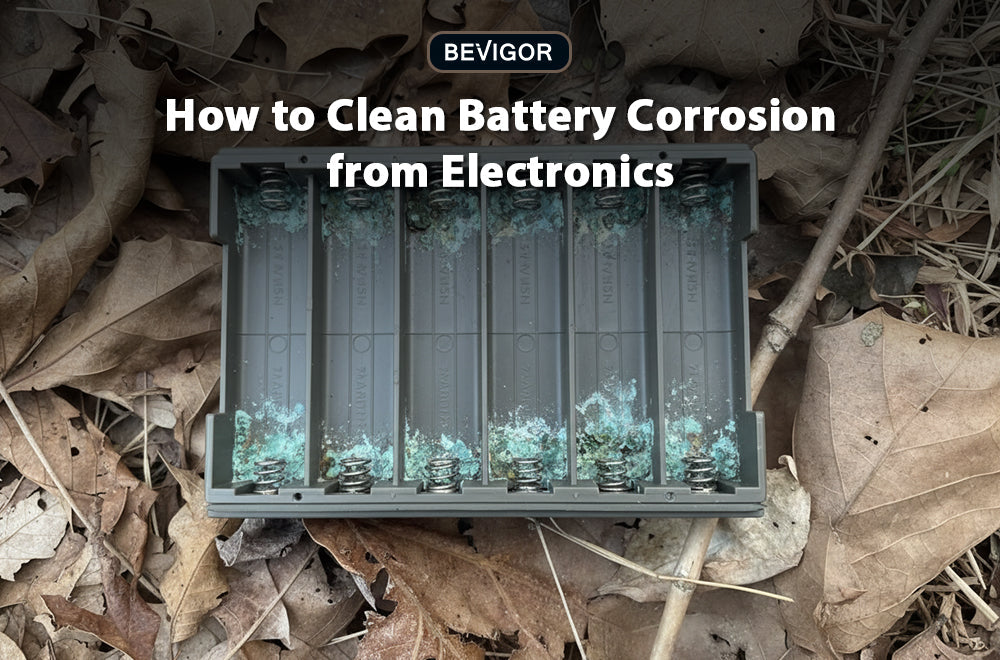
How to Clean Battery Corrosion from Electronics: A Complete Recovery Guide
Ever opened a remote control or a child's toy only to find a white, crusty mess where the batteries should be? You aren't alone. How to clean battery corrosion is one of the most common questions for gadget owners, as traditional alkaline batteries are notorious for leaking over time.
The good news is that a corroded device isn't necessarily a broken one. With the right tools and a little patience, you can often restore your electronics to perfect working order.
What is the Best Way to Clean Battery Corrosion?
To effectively remove the discharge, you must understand the chemistry. Most household battery leaks come from alkaline batteries, which release potassium hydroxide—a basic (alkaline) substance. To neutralize it, you need a mild household acid.
Supplies You’ll Need:
- Acid: White vinegar or lemon juice (acts as a battery acid neutralizer).
- Cleaning Tools: Cotton swabs (Q-tips), an old toothbrush, and a pencil eraser.
- Finishing: Isopropyl alcohol (70% or higher) to remove residue and speed up drying.
- Safety Gear: Rubber or nitrile gloves and safety goggles.
How to Clean Battery Corrosion on Electronics: Step-by-Step
Follow these four steps to safely handle a battery leak cleaner process at home.
Step 1: Safety First and Battery Removal
Before you begin, put on your protective gloves and goggles. Battery discharge is caustic and can cause skin irritation or eye damage. Carefully remove the leaking batteries using a small screwdriver or pliers if they are stuck. Dispose of them according to local hazardous waste guidelines.
Step 2: Neutralize the "Acid"
Dab a cotton swab in white vinegar or lemon juice. You are looking to clean battery acid off electronics by neutralizing the base. Apply the liquid to the white crusty areas. You may hear a slight fizzing sound—this means the battery acid neutralizer is working.
Step 3: Scrub the Terminals
For stubborn buildup, use a toothbrush to gently clean rusty battery terminals. If the metal contacts have developed a layer of oxidation, a pencil eraser or fine sandpaper can be used to remove corrosion from battery contacts until the shiny metal is visible again.
Step 4: The Final Polish and Dry
Once the corrosion is gone, use a fresh swab dipped in isopropyl alcohol to clean battery terminals in electronics. This removes any remaining vinegar or lemon juice residue that could cause future rust. Ensure the compartment is 100% dry before inserting new batteries.
How to Clean a Toy with Battery Corrosion or Remotes
Toys and remotes are the most frequent victims of corrosion because they often sit unused for long periods. If you are learning how to clean a toy with battery corrosion, be extra careful not to let the cleaning liquid seep into the internal circuit boards. Use the "layering" method: apply a small amount of vinegar at a time rather than saturating the area.
The Real Solution: Prevent Future Corrosion with Lithium
The best way to clean battery corrosion is to make sure it never happens again. The "white powder" you see is almost exclusively a problem with alkaline batteries, which use a pressurized seal that can fail due to age, heat, or deep discharge.
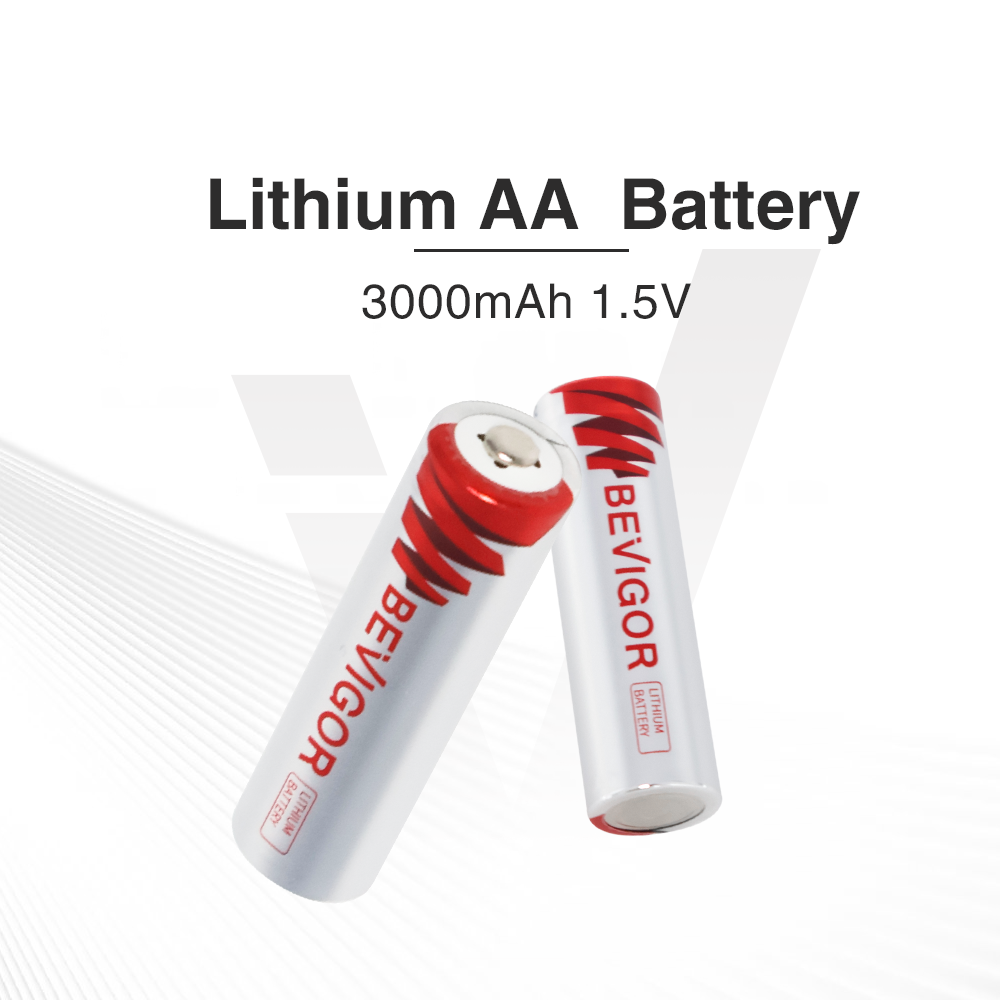
Unlike alkaline options, Bevigor Lithium AA batteries are designed with superior materials that do not leak. Switching to lithium isn't just about longer life; it’s about protecting your expensive electronics from chemical damage.
Why Choose Bevigor Lithium AA Batteries?
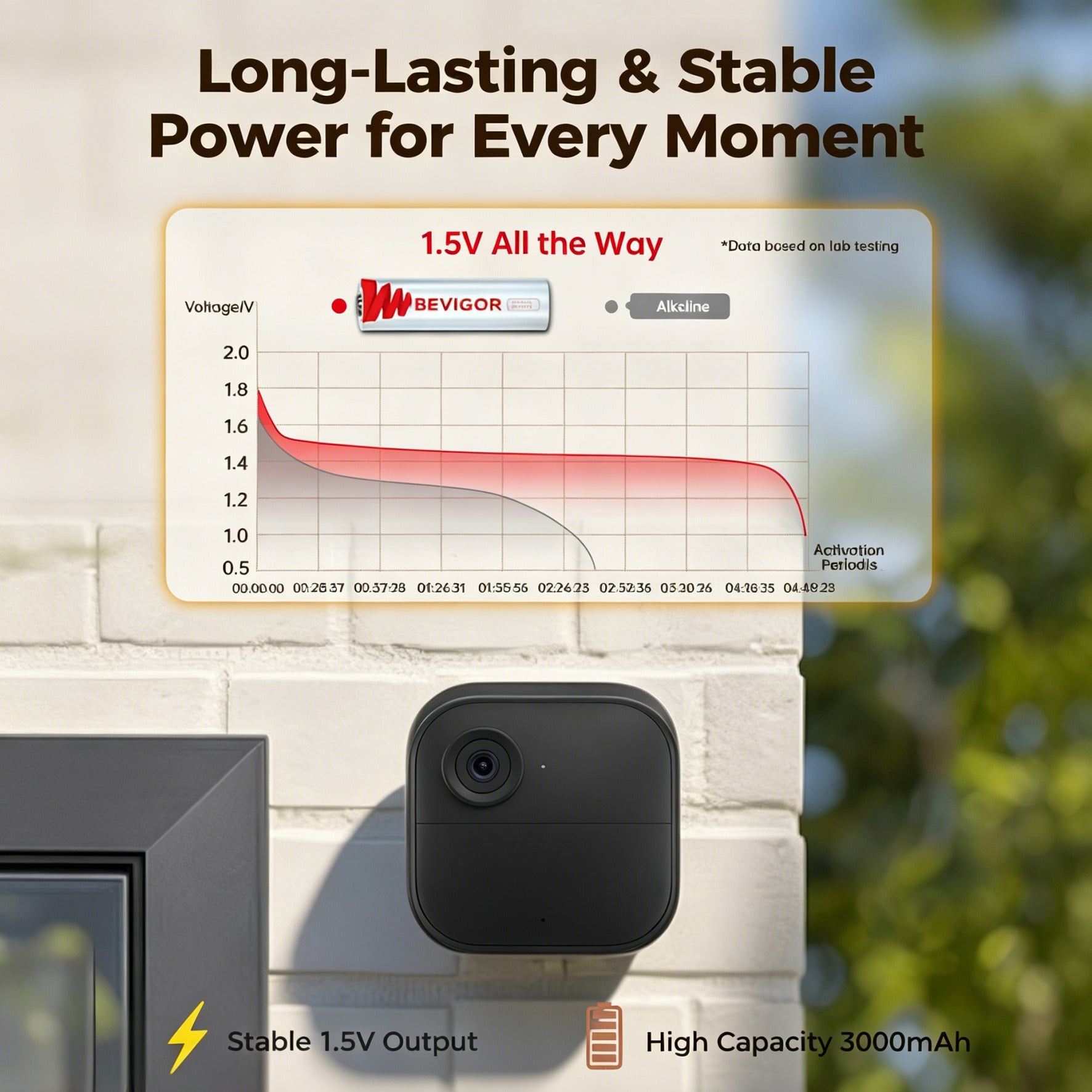
- Zero Leakage: Our lithium chemistry is stable and does not produce the gases that cause alkaline batteries to burst their seals.
- Massive Capacity: With 3000mAh, these batteries last significantly longer than standard cells.
- Wide Temperature Range: They perform in extreme conditions where alkaline batteries often fail and leak.
Ready to protect your devices? Shop our leak-proof lithium collection:
Bulk Solutions for Businesses
If you manage a fleet of devices or a retail store, a single lithium battery leak is one too many. Prevent maintenance headaches by switching your inventory to Bevigor.
- Wholesale Orders: Bulk/Wholesale Lithium AA
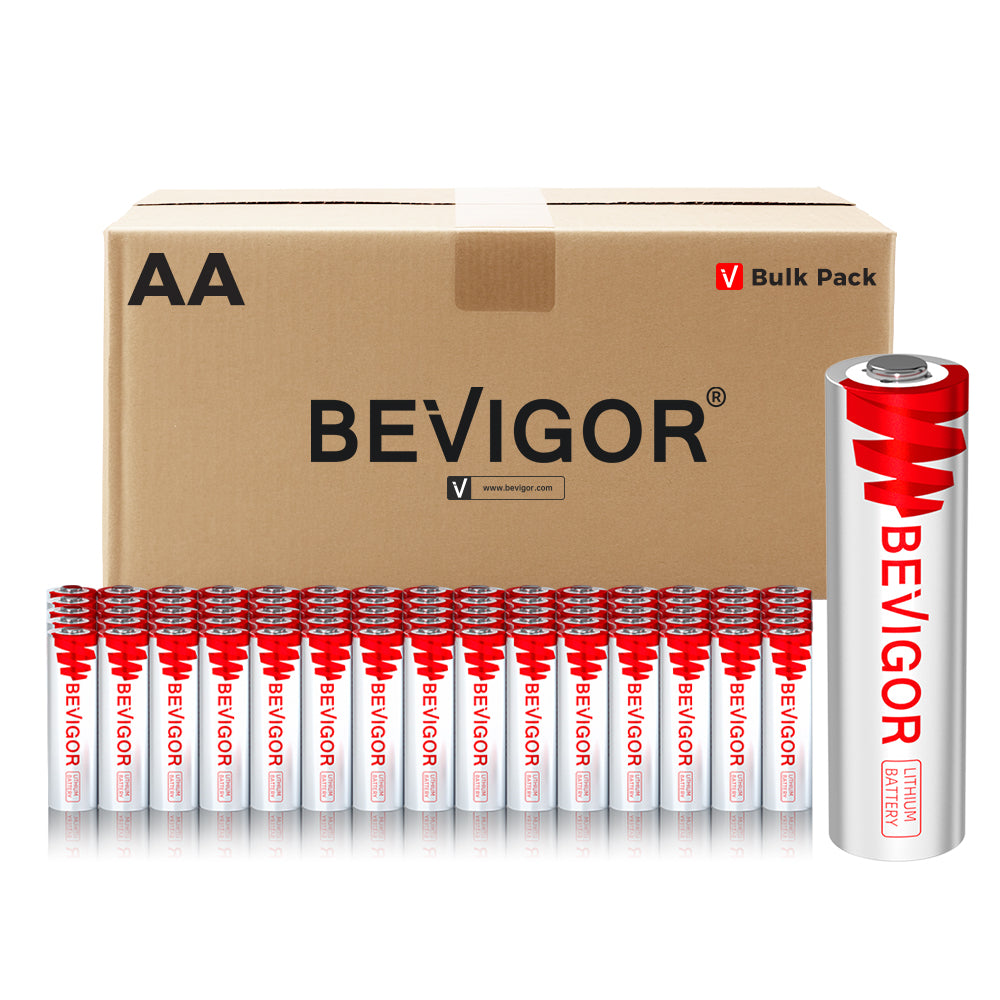
- 3000mAh Bulk Pack: AA Lithium Batteries Bulk
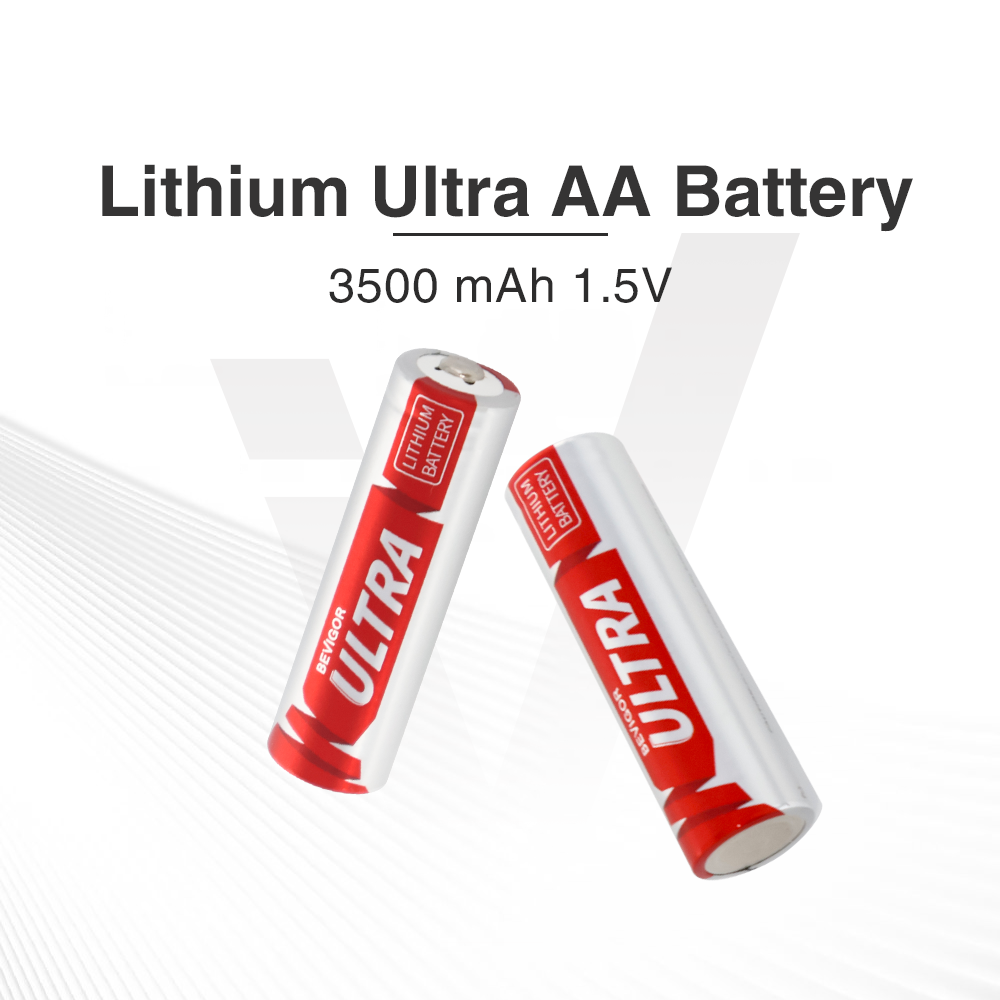
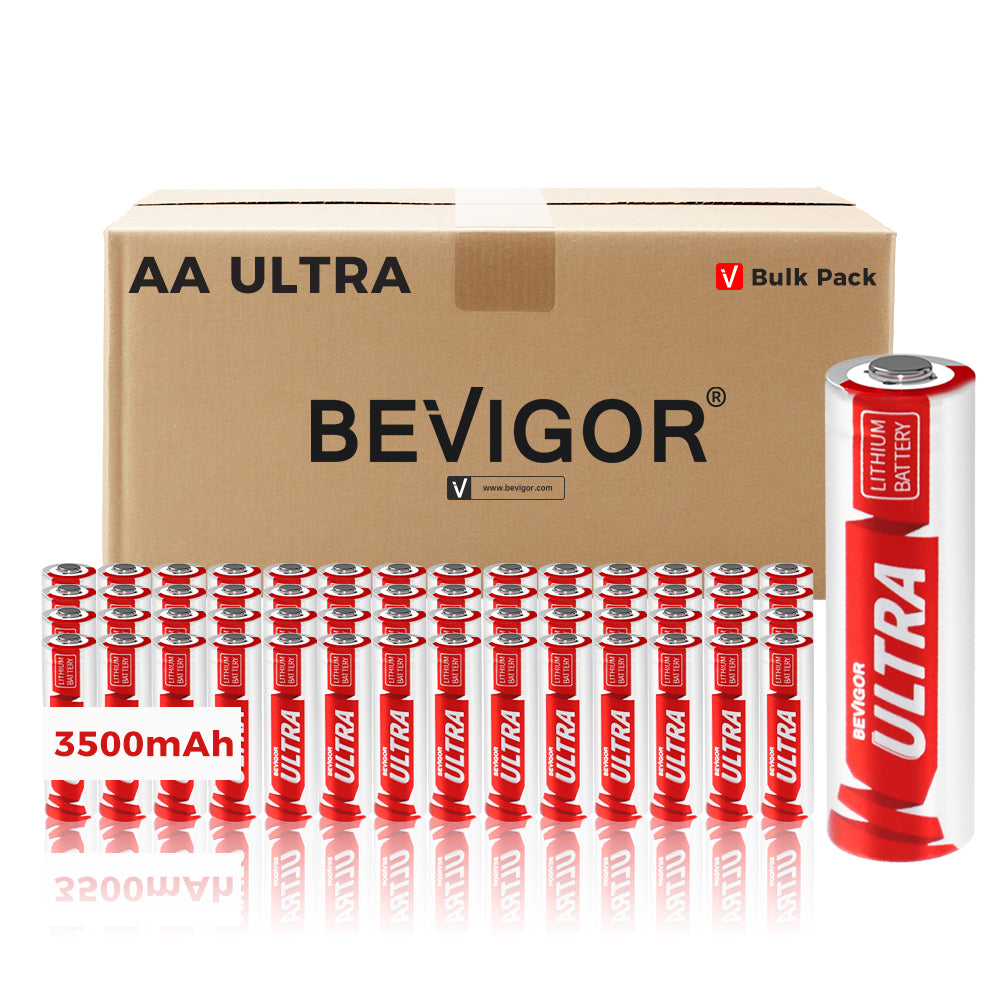
- Ultra High Capacity: Bevigor Ultra 3500mAh Bulk Pack
For custom quotes and partnership inquiries, please Contact Us.
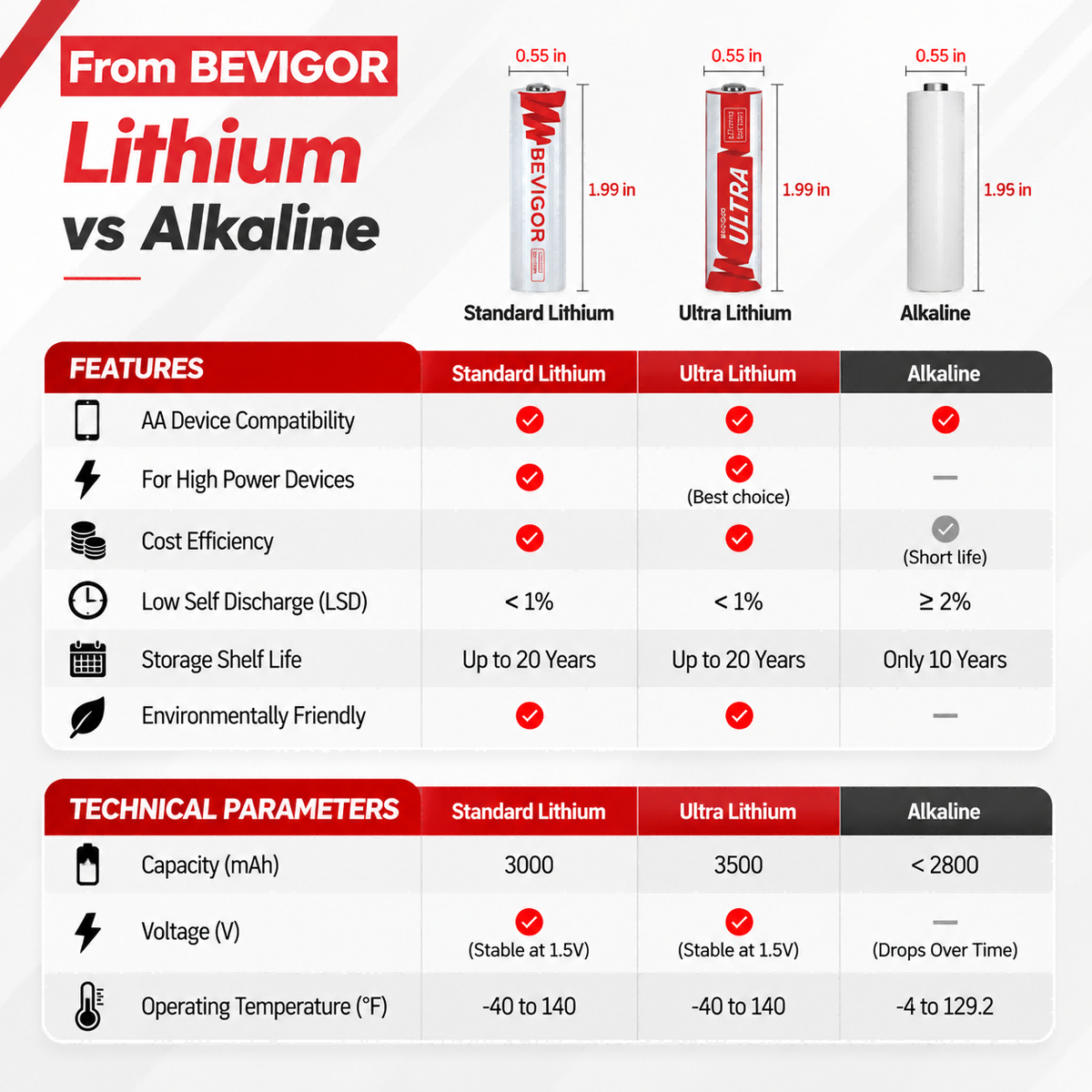
Summary Table: Alkaline vs. Bevigor Lithium
| Feature | Alkaline Batteries | Bevigor Lithium AA |
|---|---|---|
| Leak Risk | High (Potassium Hydroxide) | Zero Leakage Design |
| Shelf Life | 5-7 Years | 10+ Years |
| Best For | Low-drain remotes | High-drain & Expensive Electronics |
| Corrosion | Common "White Powder" | None |
By following this guide on how to remove corrosion from battery contacts, you can save your gadgets today. By switching to Bevigor Lithium, you can save them forever.
FAQs: How to Clean Battery Corrosion
What is the best way to clean rusty battery terminals? The "rust" is often just dried potassium carbonate. Use white vinegar to dissolve the crust and a pencil eraser to polish the metal underneath.
Can I use Coca-Cola to clean battery acid? While the phosphoric acid in Coke can work, it leaves a sticky residue. Vinegar or lemon juice are much cleaner and more effective.
How do I clean a corroded battery compartment if the springs are flaking? If the silver coating is flaking off the springs, you can still clean them, but you may need to apply a thin layer of petroleum jelly after cleaning to protect the exposed metal from future moisture.
Need help with a bulk order? Contact our B2B team or send us a message today!






Aktie:
Kohle-Zink vs. Lithium vs. Alkaline-Batterien: Vergleichsleitfaden
Does Putting Batteries in the Freezer Work? Myth vs. Fact Guide