

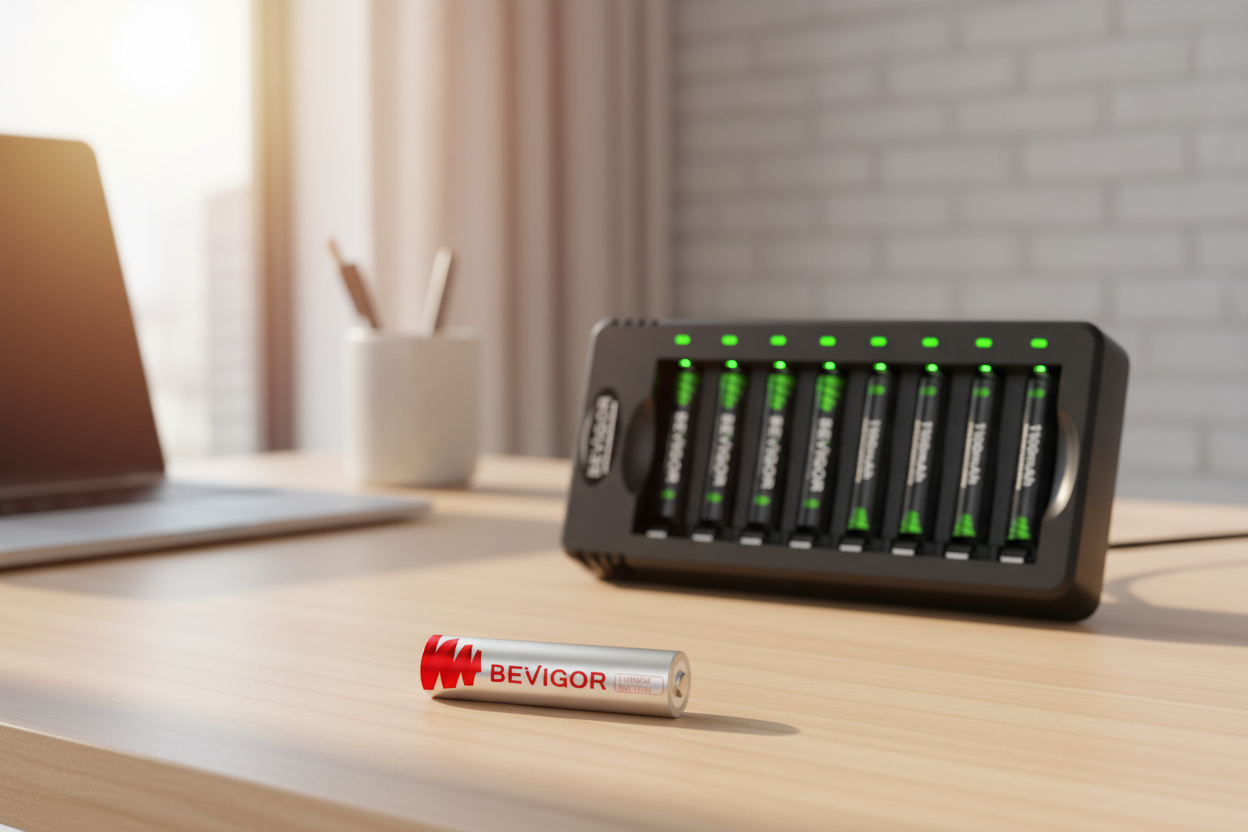

A lithium‑ion charger is not just a "power adapter." It's part of the safety system that helps prevent overheating, cell damage, and premature failure.
One quick clarification, because it matters: AA and AAA batteries are usually alkaline (not rechargeable) or NiMH (rechargeable). They should not be charged with a lithium‑ion charger because the charging method and voltage targets differ.
This guide is for removable lithium‑ion cells (most commonly cylindrical cells like 18650/21700) that you'll find in some high‑drain gear (such as certain cameras, flashlights, and a handful of security products). If your smart home device uses AA/AAA, jump to the AA/AAA notes in the safety sections below.
If you recharge removable cells, choose a charger using the criteria below.
If you were hoping to use a phone charger or a camera charger for "any battery," here's the deal: those usually charge a device-specific battery pack (often through USB) and don't tell you anything about safely charging loose cells. For removable lithium‑ion cells, you want a charger specifically designed for the cell chemistry and size.
Chemistry and Nominal Voltage Compatibility (Non-Negotiable)
Lithium‑ion chargers are designed for specific charge profiles and specific end voltages.
For "typical" 3.6/3.7V lithium‑ion cells, the common approach is constant current/constant voltage (CC/CV) charging, up to 4.2V per cell, then tapering the current until termination (details vary by cell and charger). Battery University's overview of Charging Lithium‑ion explains why that voltage limit matters.
Not all lithium chemistries are the same, though. For example, lithium-iron phosphate cells often use a different end-of-charge voltage than standard Li‑ion cells.
If you're not sure what you have, don't guess—check the battery label, the device manual, and the cell documentation.
Charge Method and Termination Behavior
Look for a charger that clearly states the charging algorithm and how it determines when a cell is "full." For most Li‑ion chargers, that means reaching the correct voltage limit and then stopping when the current has tapered to a low threshold.
A good charger should not keep forcing current indefinitely. If the product page and manual never explain termination behavior, treat that as a warning sign.
For AA/AAA (typically NiMH rechargeables), "full" is usually detected by negative delta‑V and/or temperature rise, not by CC/CV voltage tapering. Battery University summarizes the NiMH approach in Charging Nickel‑metal‑hydride.
Physical Slot Size and Fit
A good charger should physically fit the cells you actually use—and make solid contact without forcing springs or compressing wraps.
If your use case is smart home or security, this often comes up in two ways:
- Security cameras and accessories: some take removable packs or proprietary cells; others are sealed (no user charging).
- Backup power for hubs/sensors: many use AA/AAA (NiMH if rechargeable) or a sealed lithium pack that you charge via USB.
For removable cylindrical Li‑ion cells, check that the charger supports the specific length/diameter range (for example, 18650 vs 21700) and that the bay design won't scrape the cell wrap.
Independent Channels (Better than "Pair Charging")
If you charge two or four cells at once, independent channels help one weak cell from affecting the others.
For anyone cycling multiple cells (for example, rotating spares for a trail camera, flashlight, or emergency kit), independent channels are one of the easiest ways to reduce mistakes: you can mix states of charge without "dragging down" a healthier cell.
Safety Protections
At a minimum, look for:
- reverse polarity protection
- short-circuit protection
- temperature monitoring (or a conservative thermal design)
- sane charge rate options (so you're not forced into "fast charge")
Also, pay attention to where and how you charge. Fire services and safety agencies consistently warn that damaged packs, counterfeit chargers, and charging in unsafe locations increase risk. The U.S. National Fire Protection Association's guidance on lithium‑ion battery safety is a practical reference.
If your smart home devices run on AA/AAA NiMH, use a dedicated NiMH charger with reliable termination (negative delta‑V and/or temperature sensing). Never try to "make it work" with a Li‑ion charger just because the cells are small and easy to swap.
Clear Labeling and Reputable Documentation
Avoid chargers with confusing labeling or unclear specs. In practice, good documentation should answer:
- What chemistries does the charger support (Li‑ion only? NiMH too?)
- Supported cell sizes (18650/21700, etc.)
- The charge algorithm (CC/CV for Li‑ion) and how it terminates
- Safety certifications/markings relevant to your market
If you're buying for a household full of security gear, documentation is more than paperwork—it's the difference between a predictable routine and a risky guess.
The Simplest Fit Guarantee: Matching the Same Brand Ecosystem
When possible, choosing the same brand battery and charger ecosystem is the easiest way to avoid compatibility issues—especially for households that just want the door sensors, cameras, and emergency gear to stay powered without constant tinkering.
That doesn't mean you can't mix brands responsibly. It means you should only mix when you've verified chemistry, voltage, and the charge method.
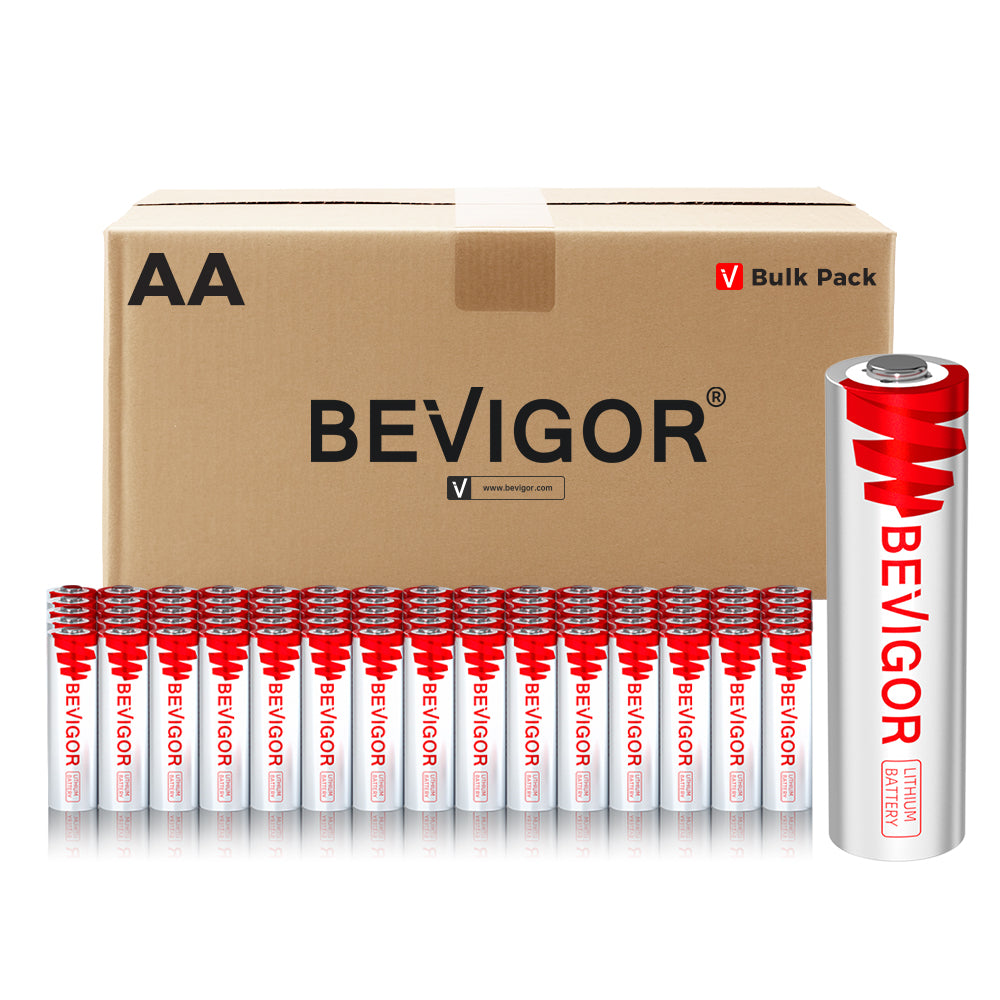
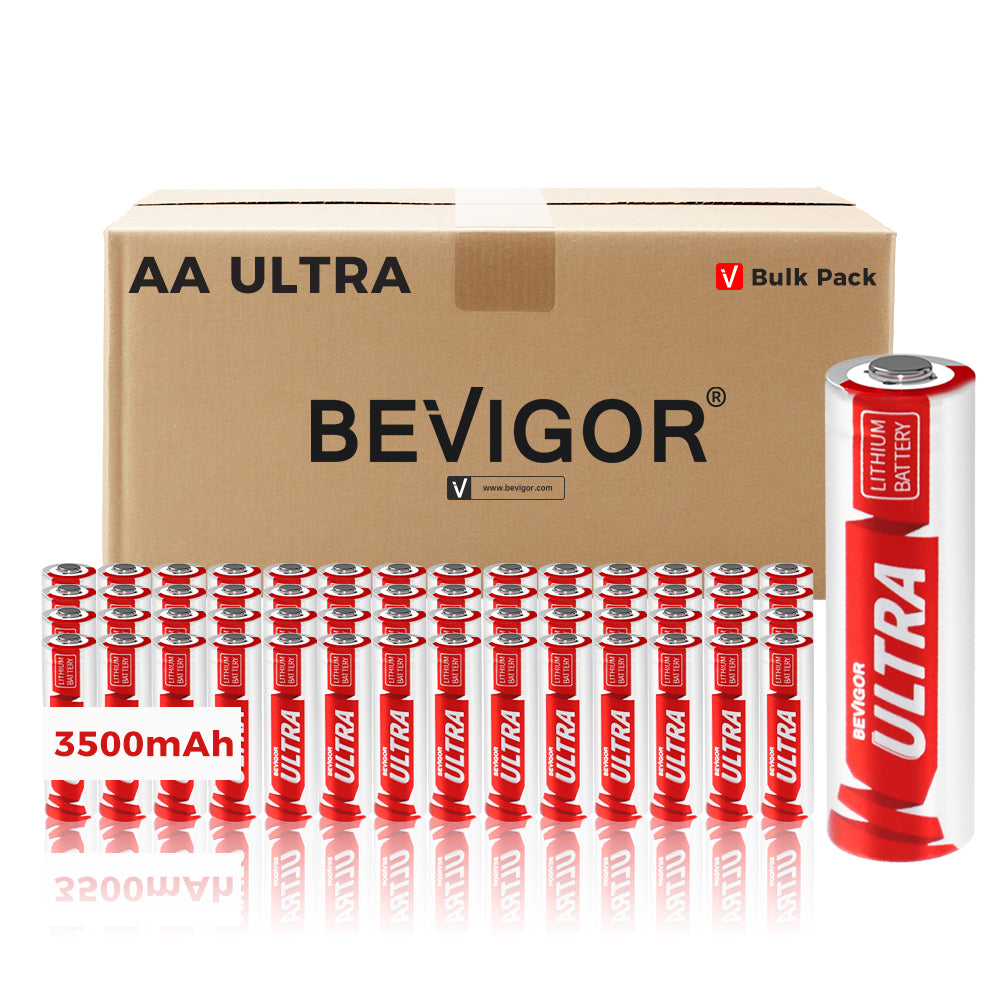
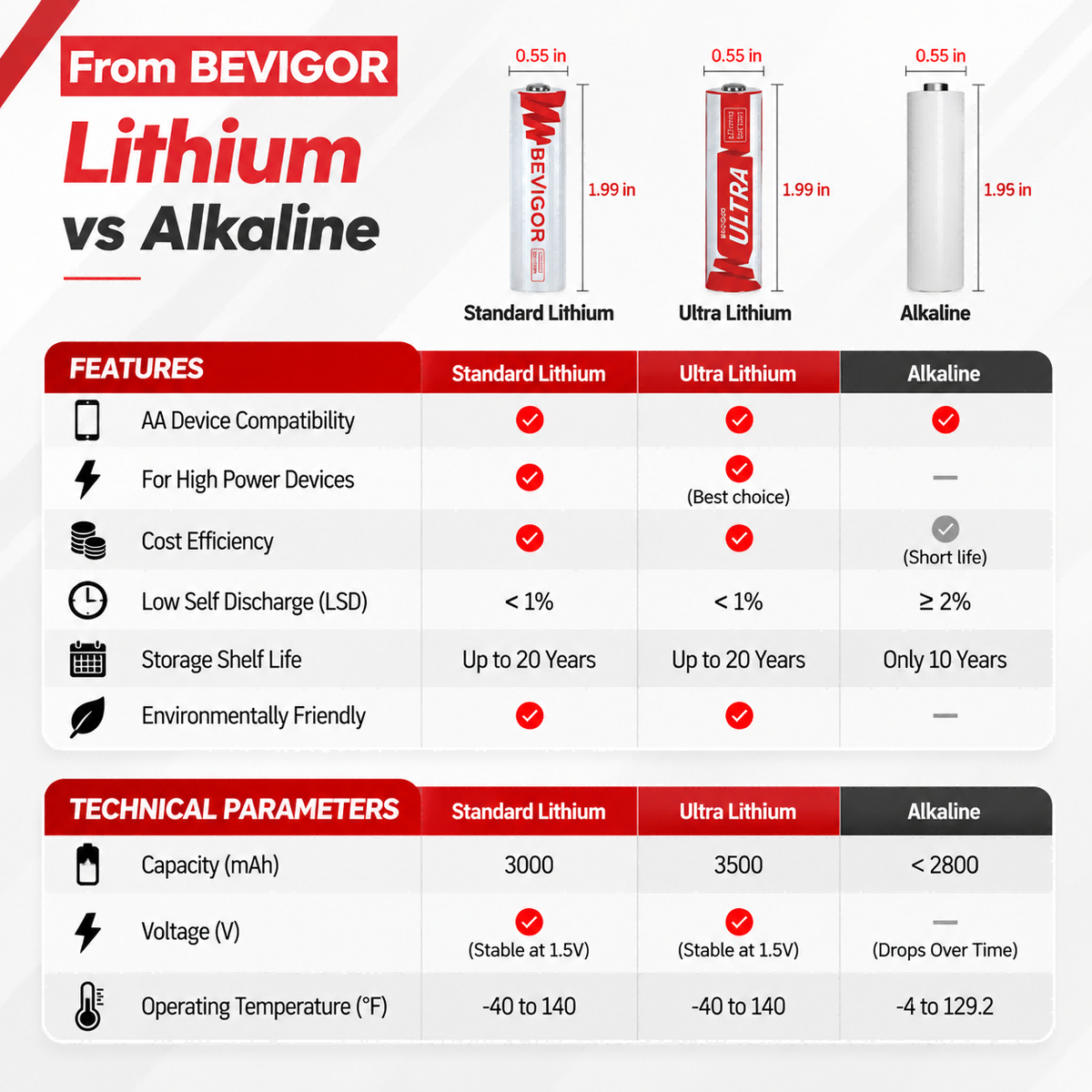
If you're standardizing batteries for preparedness or security backups, brands like BEVIGOR position themselves around reliability and consistent quality control—just be sure you're pairing the right battery chemistry with the right charger type for each device.
A Quick Smart-Home Checklist Before You Buy
Before you add a charger to your cart, confirm what your device actually uses:
- All rechargeable batteries charged by USB (common): use the manufacturer's USB cable/charger and follow the manual. Don't try to open the device to charge cells.
- AA/AAA rechargeable (usually NiMH): buy a reputable NiMH charger and stick to it.
- Removable Li‑ion cylindrical cell (less common in smart home, common in flashlights/cameras): use a Li‑ion charger with CC/CV, correct bay sizing, independent channels, and clear termination behavior.
If you match charger type to battery chemistry and avoid "universal" guessing, you'll get safer charging and longer battery life—without turning maintenance into a hobby.






Aktie:
Vergleich CR2450 vs. CR2032 Lithiumbatterie: Verwendungszwecke, Spannungen und Ersatz
What Are Next-Gen Lithium Metal Batteries And How Could They Change The Power Game?