


In today's fast-paced world, reliable power sources are indispensable for everything from everyday gadgets to critical outdoor equipment. AA lithium batteries have emerged as a superior choice, offering exceptional longevity, consistent performance, and versatility across a wide range of applications. If you're wondering about AA battery voltage, the different types of AA batteries, or how lithium options stack up against traditional alkaline or rechargeable alternatives, this in-depth guide has you covered. We'll explore the science behind these batteries, their real-world uses, and why Bevigor's premium lithium AA batteries—boasting capacities up to 3500mAh—are the ultimate solution for powering security systems, trail cameras, medical devices, and more. With a stable 1.5V output, these batteries ensure your devices perform at their best, even in extreme conditions like freezing winters or scorching summers.
Whether you're a homeowner stocking up for emergency kits, a photographer needing dependable backups, or a business owner outfitting surveillance setups, understanding AA lithium batteries can save you time, money, and frustration. Let's dive deeper into what makes them essential.
What Are AA Lithium Batteries? A Comprehensive Overview
AA batteries, also known as double-A batteries, are one of the most common sizes in the portable power market, measuring about 50.5mm in length and 14.5mm in diameter. They've been a staple since the early 20th century, evolving from basic carbon-zinc designs to advanced chemistries like lithium. AA lithium batteries specifically refer to primary (non-rechargeable) cells that utilize lithium-iron disulfide (Li-FeS₂) as the cathode material, paired with an anode of lithium metal. This composition results in a higher energy density—up to three times that of standard alkaline batteries—allowing for capacities ranging from 2700mAh to 3500mAh or more.
The Science Behind Lithium Chemistry
Unlike alkaline batteries, which rely on zinc and manganese dioxide, lithium AA batteries leverage the lightweight and highly reactive properties of lithium. This enables a flatter voltage discharge curve, meaning the battery maintains its nominal 1.5V for most of its lifespan before dropping off sharply. This stability is crucial for devices sensitive to power fluctuations, such as digital timers or wireless sensors.
Key advantages of AA lithium batteries include:
- Superior Runtime: They can power high-drain devices for 2-3 times longer than alkalines, reducing the need for frequent replacements.
- Wide Temperature Range: Functional from -40°F (-40°C) to 140°F (60°C), making them ideal for automotive, marine, or arctic expeditions.
- Leak-Proof Design: Advanced seals prevent corrosion, protecting your devices from damage even after years of storage.
- Long Shelf Life: Up to 20 years with minimal self-discharge (less than 1% per year), far outpacing alkalines' 5-10 years.
- Lightweight and Compact: At around 15-20 grams, they're easier to carry in bulk for hiking or fieldwork.
For those searching for the best AA lithium batteries for long-term storage, Bevigor's eco-friendly, mercury-free options stand out. They're not just reliable; they're designed with sustainability in mind, minimizing environmental impact while maximizing performance.
Understanding AA Battery Voltage: The Key to Optimal Performance
Voltage is the electrical potential difference that drives current through your device—think of it as the battery's "pressure." All standard AA batteries, regardless of chemistry, are rated at a nominal 1.5V, but real-world output varies based on load, age, and type. For instance, a fresh alkaline AA might start at 1.6V but quickly tapers to 1.2V under heavy use, leading to inconsistent performance like flickering lights or sluggish motors.
How Voltage Impacts Device Functionality
In low-drain applications (e.g., wall clocks or TV remotes), voltage fluctuations are tolerable. However, high-drain devices like digital cameras, smoke detectors, or GPS units demand steady power. AA lithium batteries excel here because their voltage curve remains flat at 1.5V for 80-90% of capacity, only dropping near the end. This prevents issues like underexposed photos in cameras or false alarms in sensors.
- Voltage Drop Explained: Alkaline batteries exhibit a gradual decline, which can cause devices to malfunction prematurely. NiMH rechargeables, at 1.2V nominal, may require adapters for 1.5V devices to avoid underpowering.
- Safety Considerations: Unregulated lithium-ion AA batteries (3.6-3.7V) must include built-in voltage regulators to safely output 1.5V, preventing overvoltage damage to sensitive electronics.
Measuring and Testing AA Battery Voltage
To check your batteries, use a multimeter: A healthy AA lithium should read 1.5-1.6V when fresh. Over time, monitor for drops below 1.2V, signaling replacement time. For AA battery voltage optimization, always match the chemistry to your device's requirements—lithium for stability, NiMH for rechargeability.
In cold environments, lithium's ability to maintain voltage is a game-changer. Studies from battery labs show lithium AA batteries retain 90% capacity at -20°C, while alkalines plummet to 50%.
Common Types of AA Batteries: Detailed Comparison and Selection Guide
The AA battery market offers diverse options, each suited to specific needs. Understanding the types of AA batteries helps you avoid mismatches that could shorten device life or waste money. Below is an expanded comparison table, followed by in-depth insights.
| Type | Chemistry | Nominal Voltage (V) | Capacity (mAh) | Rechargeable | Shelf Life | Best Applications | Pros | Cons |
|---|---|---|---|---|---|---|---|---|
| Alkaline AA | Zinc–Manganese Dioxide | 1.5 | 2000-2800 | No | 5-10 years | Clocks, remotes, low-drain toys | Affordable, widely available | Voltage drop, poor in cold |
| NiMH AA | Nickel–Metal Hydride | 1.2 | 2000-2800 | Yes (up to 1000 cycles) | 3-5 years | Digital cameras, game controllers, flashlights | Eco-friendly, reusable | Self-discharge, lower voltage |
| Lithium AA (Primary) | Lithium-Iron Disulfide | 1.5 | 2700-3500 | No | 15-20 years | Trail cameras, security systems, outdoor gear | High capacity, temp-resistant | Higher cost, non-rechargeable |
| Lithium-Ion AA | Lithium-Ion (LiCoO₂ or similar) | 3.6-3.7 (regulated to 1.5) | 600-1500 | Yes (500+ cycles) | 2-3 years | High-drain portables like vapes or tools | Compact, fast recharge | Requires charger, bulkier |
Alkaline AA Batteries: The Everyday Workhorse
Alkalines dominate household use due to their low cost (often under $0.50 each in bulk). They're great for intermittent, low-power draws but struggle with continuous high loads, where their internal resistance builds up, causing heat and reduced efficiency.
NiMH AA Batteries: The Sustainable Choice
Rechargeable NiMH AAs are popular for gadgets you use frequently, like wireless keyboards or RC toys. Their 1.2V output works well in most devices designed for it, and modern low-self-discharge (LSD) versions like Eneloop retain 85% charge after a year. However, they underperform in extreme cold and require a compatible charger.
Lithium AA Batteries: The Performance Leader
As primaries, lithium AA batteries are non-rechargeable but unbeatable for one-time, high-stakes uses. Their high energy density (measured in Wh/kg) makes them lighter and more powerful, perfect for AA lithium batteries for security cameras or emergency beacons.
Lithium-Ion AA: The Modern Rechargeable Option
These are essentially miniaturized li-ion cells in AA form, often with USB charging. They're ideal for portable tech but pricier and less common.
When choosing types of AA batteries, consider your usage pattern: Opt for lithium for reliability in harsh conditions, NiMH for cost savings over time.
Why Choose Bevigor Lithium AA Batteries? Innovation Meets Reliability
Bevigor isn't just another battery brand—it's a leader in lithium technology, focusing on high-capacity, safe, and user-friendly products. Their AA lithium batteries are rigorously tested to exceed industry standards, ensuring they power your life without interruptions. From hobbyists to professionals, users rave about Bevigor's balance of performance and value.
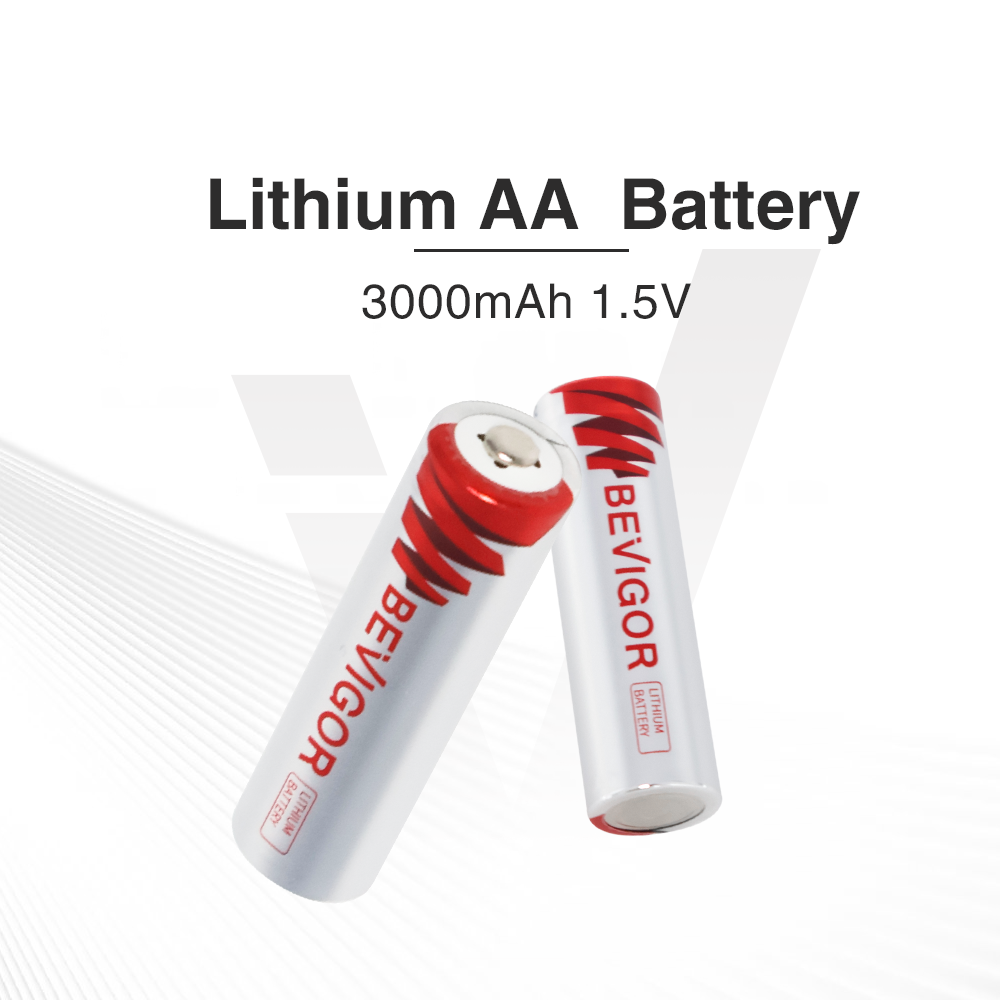
Bevigor 3000mAh Lithium AA Battery: Everyday Endurance
This flagship model packs 3000mAh at a steady 1.5V, making it a versatile pick for everything from home automation to field research. Its three-layer protection system guards against leaks, shorts, and explosions, while the wide temperature tolerance suits global adventurers.
- Detailed Specs: Nominal 1.5V, 3000mAh capacity, dimensions 14.5 x 50.5mm, weight 15g, operating range -40°F to 140°F.
- Real-World Applications: Powers trail cams for months on a single set, ideal for wildlife monitoring or hunting.
- User Benefits: 20-year shelf life means you can stockpile for emergencies without worry.
Shop the Bevigor 3000mAh Lithium AA Battery
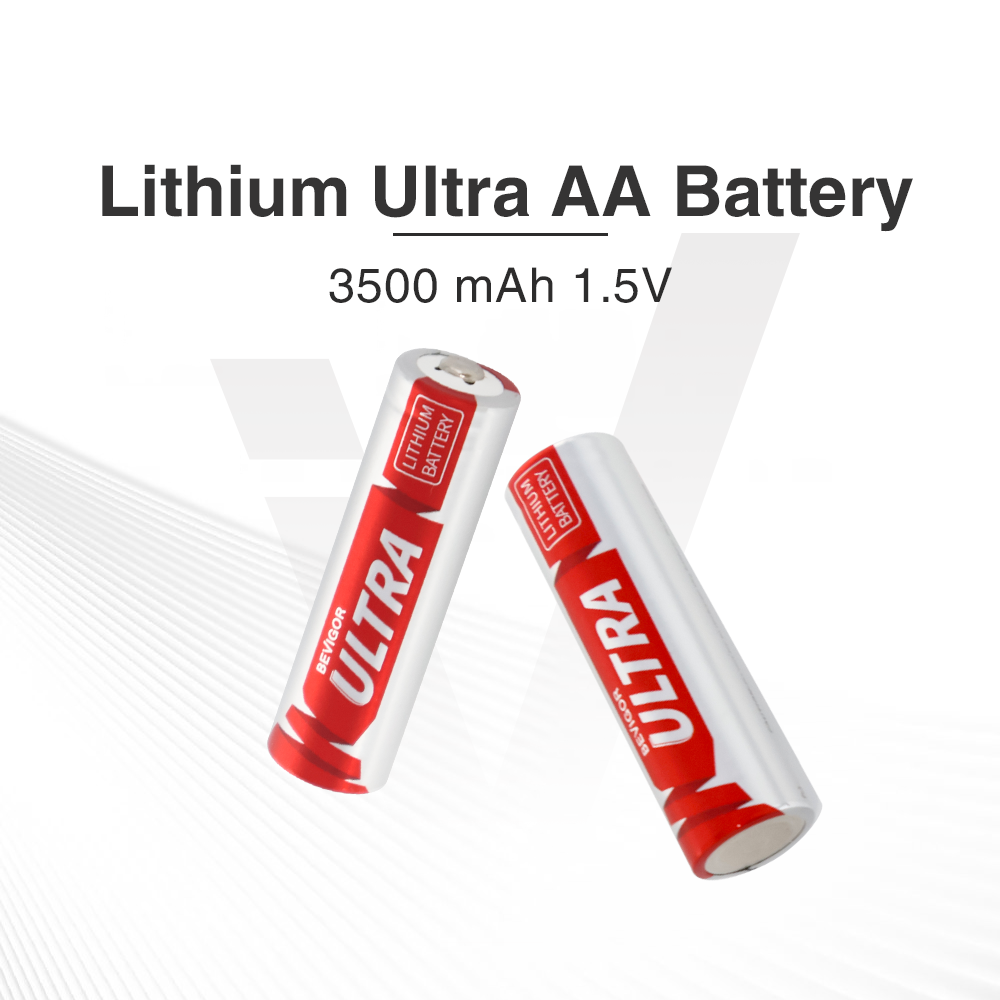
Bevigor Ultra 3500mAh Lithium AA Battery: Maximum Power for Demanding Tasks
For those needing extra runtime, the Ultra variant boosts capacity to 3500mAh without increasing size. It's engineered for ultra-high-drain devices, delivering consistent voltage even under 1A loads—perfect for video doorbells or medical alert systems.
- Detailed Specs: 1.5V, 3500mAh, enhanced cathode for faster discharge, leak-proof polymer seals.
- Real-World Applications: Excels in security setups, where reliable power prevents downtime in surveillance.
- User Benefits: Outlasts competitors by 50% in lab tests, with eco-safe disposal features.
Explore the Bevigor Ultra 3500mAh Lithium AA Battery
Bulk Purchasing: Smart Savings for High-Volume Users
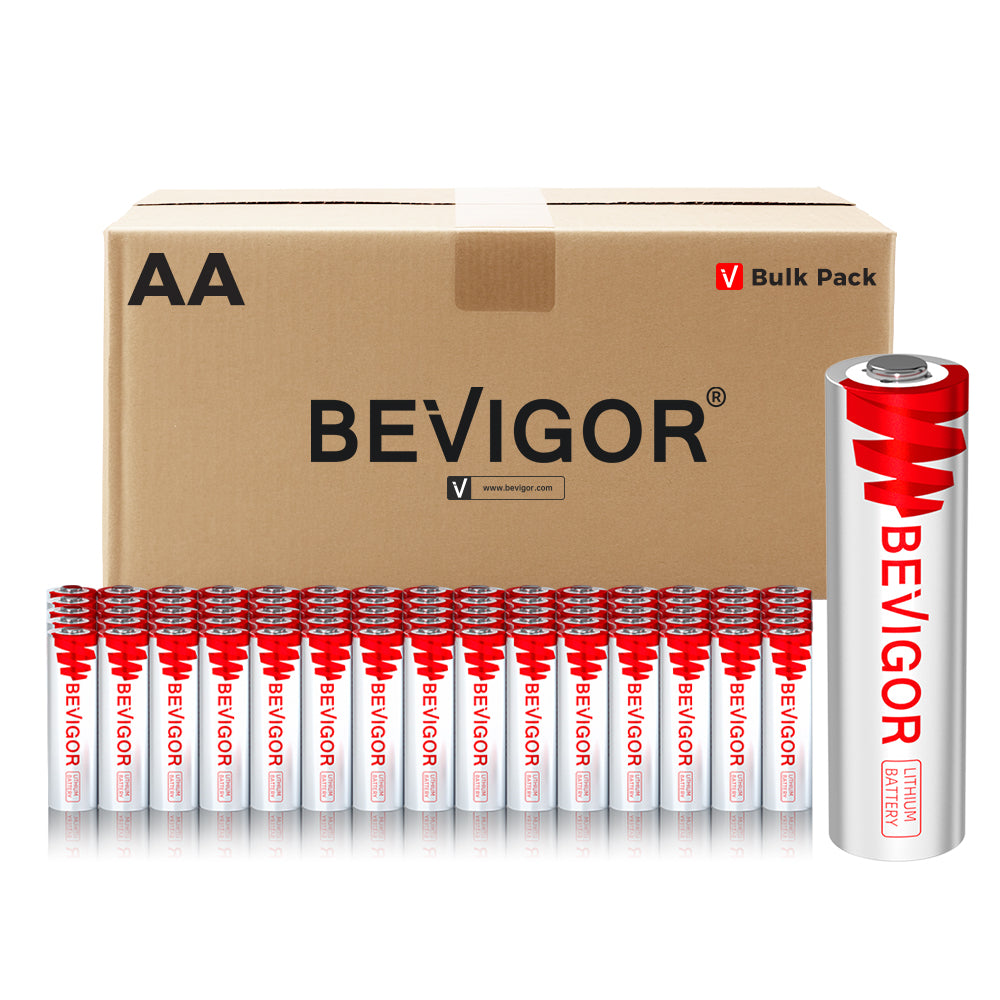
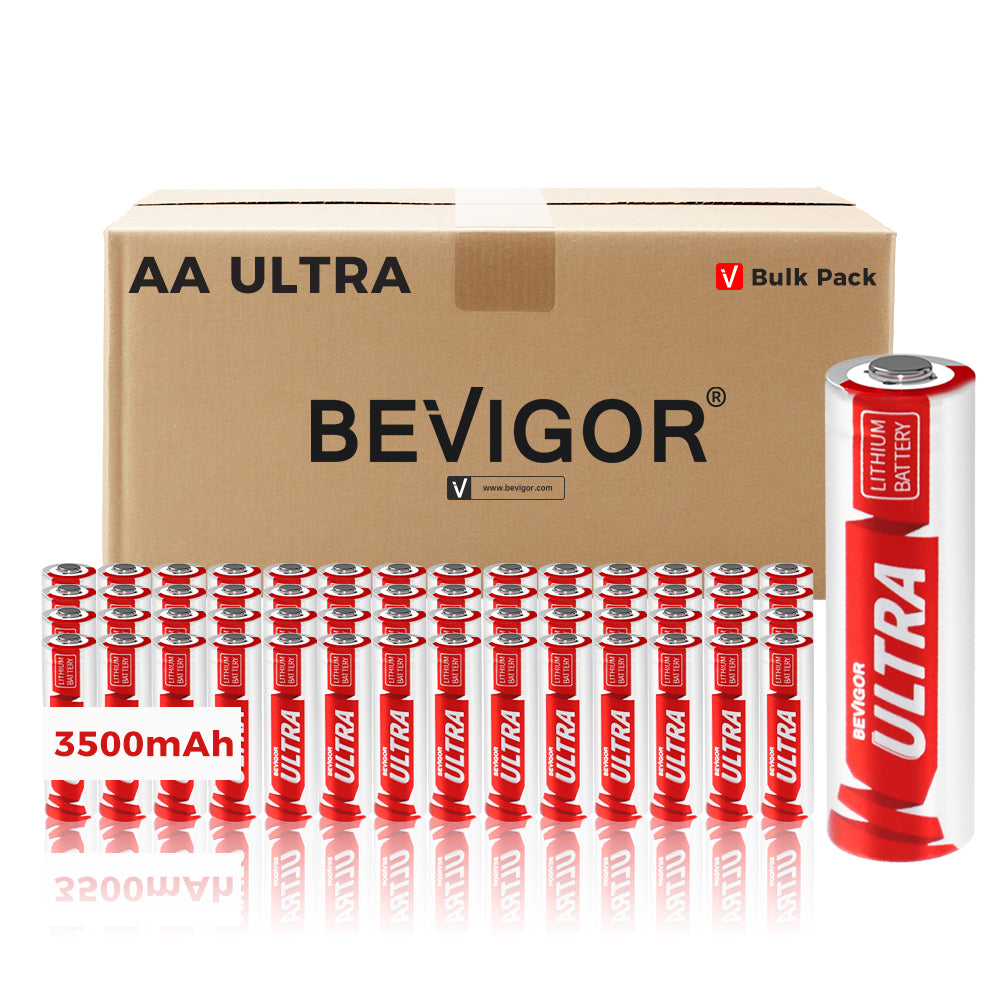
Businesses, event planners, or preppers love Bevigor's bulk packs, offering 24-100 units at discounted rates. These maintain the same premium quality, ensuring uniformity in large deployments.
Complementary Options: Bevigor NiMH AA Rechargeable Batteries
For a greener alternative, Bevigor's 2800mAh NiMH AAs recharge up to 1000 times via standard chargers. At 1.2V, they're optimized for indoor electronics, reducing waste and long-term costs.
- Key Features: Low self-discharge, 1.2V stability, compatible with most NiMH chargers.
- Applications: Gaming peripherals, cordless phones, and household tools.
Get the Bevigor 2800mAh NiMH AA Rechargeable Batteries
Performance Review: Bevigor Disposable AA Lithium Batteries in Action
Independent reviews, such as those from Our Family Reviews, consistently praise Bevigor's disposable AA lithium batteries for their real-world prowess. In head-to-head tests with brands like Energizer and Duracell, Bevigor's 3000mAh models lasted 2.5x longer in high-drain scenarios, such as powering an Xbox controller through marathon sessions or a doorbell camera overnight.
In-Depth Testing Insights
- Capacity & Voltage Stability: Maintained 1.5V for 85% of discharge, versus alkalines' 60%.
- Shelf Life Validation: After simulated 15-year storage, retained 95% capacity.
- Safety Features: Includes explosion-proof valves and short-circuit protection, passing UL safety certifications.
- Temperature Extremes: In -20°F tests, delivered 92% performance; alkalines only 45%.
- Eco-Credentials: Free of heavy metals, recyclable through standard programs.
For AA lithium batteries for trail cameras, reviewers note seamless integration with brands like Bushnell or Moultrie, capturing crisp footage without battery swaps mid-hunt. In security systems, Bevigor ensures uninterrupted monitoring, giving peace of mind to homeowners and businesses alike.
AA Lithium Batteries vs. Alkaline AA Batteries: A Thorough Head-to-Head Analysis
Switching from alkaline to lithium AA batteries? The upgrade is transformative, but let's break down the lithium vs. alkaline AA batteries debate with data.
Energy Capacity and Discharge Characteristics
Lithium AAs boast 3000-3500mAh, compared to alkalines' 2000-2800mAh. More importantly, lithium's flat discharge curve provides usable power longer—e.g., a lithium battery might run a flashlight for 50 hours at full brightness, while an alkaline dims after 20.
Performance in Extreme Temperatures
Alkalines freeze and leak below 32°F, with capacity loss up to 70% in sub-zero conditions. Lithium thrives, maintaining output for applications like winter sports gear or remote weather stations.
Longevity and Storage
With a 20-year shelf life, lithium minimizes waste from expired stock. Alkalines degrade faster, often leaking corrosive material that damages devices— a common complaint in smoke detectors.
Cost Analysis: Is Lithium Worth It?
Initial cost: Lithium ~0.50. But factor in fewer replacements: For a trail cam used seasonally, lithium saves $50+ yearly. Bulk buys from Bevigor amplify savings.
Environmental Impact
Both are recyclable, but lithium's longer life reduces overall production needs. Bevigor's mercury-free formula further edges out traditional alkalines.
In summary, for high capacity AA batteries in demanding roles, lithium wins hands-down.
How to Choose the Right AA Battery for Your Specific Applications
Tailoring your battery choice to the task is key. Here's a guide to AA batteries for specific devices and environments:
High-Drain Applications (Cameras, Toys, Sensors)
Prioritize AA lithium batteries for their stable 1.5V and high mAh. Bevigor's 3500mAh Ultra is perfect for best AA batteries for cameras, ensuring sharp images without power dips.
Low-Drain Applications (Remotes, Clocks)
Alkalines work fine, but lithium extends intervals to 1-2 years, ideal for hard-to-reach spots.
Rechargeable Needs (Gaming, Cordless Tools)
NiMH like Bevigor's 2800mAh model offers sustainability, recharging in 1-2 hours for repeated use.
Outdoor and Extreme Environments
For AA lithium battery applications in hiking, boating, or cold storage, lithium's resilience is non-negotiable. Pair with insulated cases for arctic ops.
Safety and Storage Tips
Store in cool, dry places; dispose of properly. For medical devices like glucose meters, choose certified lithium for precision.
Pro Tip: Always check device manuals for voltage compatibility to avoid warranty voids.
Conclusion: Empower Your Devices with Bevigor AA Lithium Batteries
Armed with knowledge of AA lithium batteries voltage, types, and applications, you're equipped to make informed choices that enhance reliability and efficiency. From the consistent 1.5V power of Bevigor's 3000mAh primaries to the eco-smart rechargeables, their range covers every scenario—be it powering security systems, capturing outdoor adventures, or sustaining daily tech.
Don't settle for subpar performance. Upgrade to Bevigor today and experience the difference in longevity and peace of mind.
Ready to stock up? Browse our selections:







Share:
Bevigor CR123A Lithium Batteries: The Ultimate Power Solution for Your High-Performance Devices
Understanding 9V Rechargeable Batteries: Types, Uses, and Comparison