

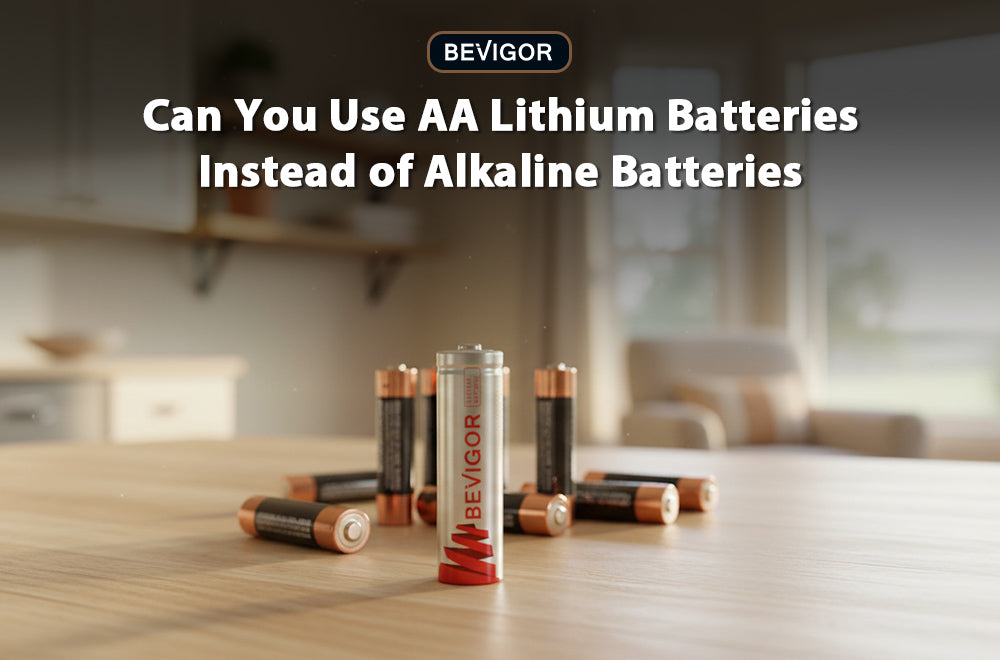
AA-Batterien sehen im Regal alle gleich aus – aber ihre Leistung, Lebensdauer und langfristigen Kosten können drastisch unterschiedlich sein.
Wenn Sie jemals Standard-Alkali-AA-Batterien mit Lithium-AA-Batterien verglichen haben, ist Ihnen wahrscheinlich sofort der Preisunterschied aufgefallen. Beide sind mit „AA“ gekennzeichnet. Beide versprechen zuverlässige Leistung. Doch die eine kostet deutlich mehr als die andere.
Dies wirft eine häufige und wichtige Frage auf:
Kann man AA-Lithiumbatterien anstelle von normalen Alkalibatterien verwenden – und liefert der höhere Preis tatsächlich einen echten Mehrwert?
Die kurze Antwort lautet ja. In den meisten AA-betriebenen Geräten können Lithium-AA-Batterien Alkalibatterien sicher und ohne Modifikation oder Risiko ersetzen.
Die wichtigere Antwort hängt davon ab, wie Ihre Geräte Strom verbrauchen. Die Batteriechemie beeinflusst die Spannungsstabilität, die Laufzeit, die Leistung bei Kälte, das Auslaufrisiko und die Häufigkeit des Batteriewechsels. In vielen realen Szenarien kostet die Wahl der falschen Batterie nicht nur mehr, sondern führt auch zu unzuverlässiger Leistung und vorzeitigem Geräteschäden.
Bei Bevigor fertigen wir seit über 20 Jahren Batterien und beliefern Kunden in mehr als 50 Ländern, von privaten Haushalten bis hin zu professionellen und industriellen Anwendern. In diesem Leitfaden werden wir die praktischen Unterschiede zwischen Lithium-AA- und Alkalibatterien aufschlüsseln, zeigen, wo welche sinnvoll ist, und Ihnen helfen zu entscheiden, wann ein höherer Anschaffungspreis über die Zeit tatsächlich Geld spart.
Was ist der Unterschied zwischen Lithium-AA-Batterien und Alkalibatterien?
Auf den ersten Blick sehen AA-Lithium- und Alkalibatterien identisch aus. Gleiche Größe. Gleiche Spannungsangabe. Gleiche Passform.
Intern verhalten sie sich jedoch sehr unterschiedlich – und diese Unterschiede wirken sich direkt auf die Geräteleistung, Lebensdauer und Zuverlässigkeit aus.
Der Chemie-Unterschied (Warum er wichtig ist)
Alkalibatterien verwenden eine Zink-Mangandioxid-Chemie mit einem alkalischen Elektrolyten. Diese Technologie gibt es seit Jahrzehnten und funktioniert gut für Geräte mit geringem Stromverbrauch. Wenn Alkalibatterien jedoch entladen werden, sinkt ihre Spannung stetig.
Dieser allmähliche Spannungsabfall bedeutet:
-
Geräte erhalten im Laufe der Zeit immer weniger Strom
-
Die Leistung verschlechtert sich langsam
-
Viele elektronische Geräte schalten sich ab, bevor die Batterie wirklich leer ist
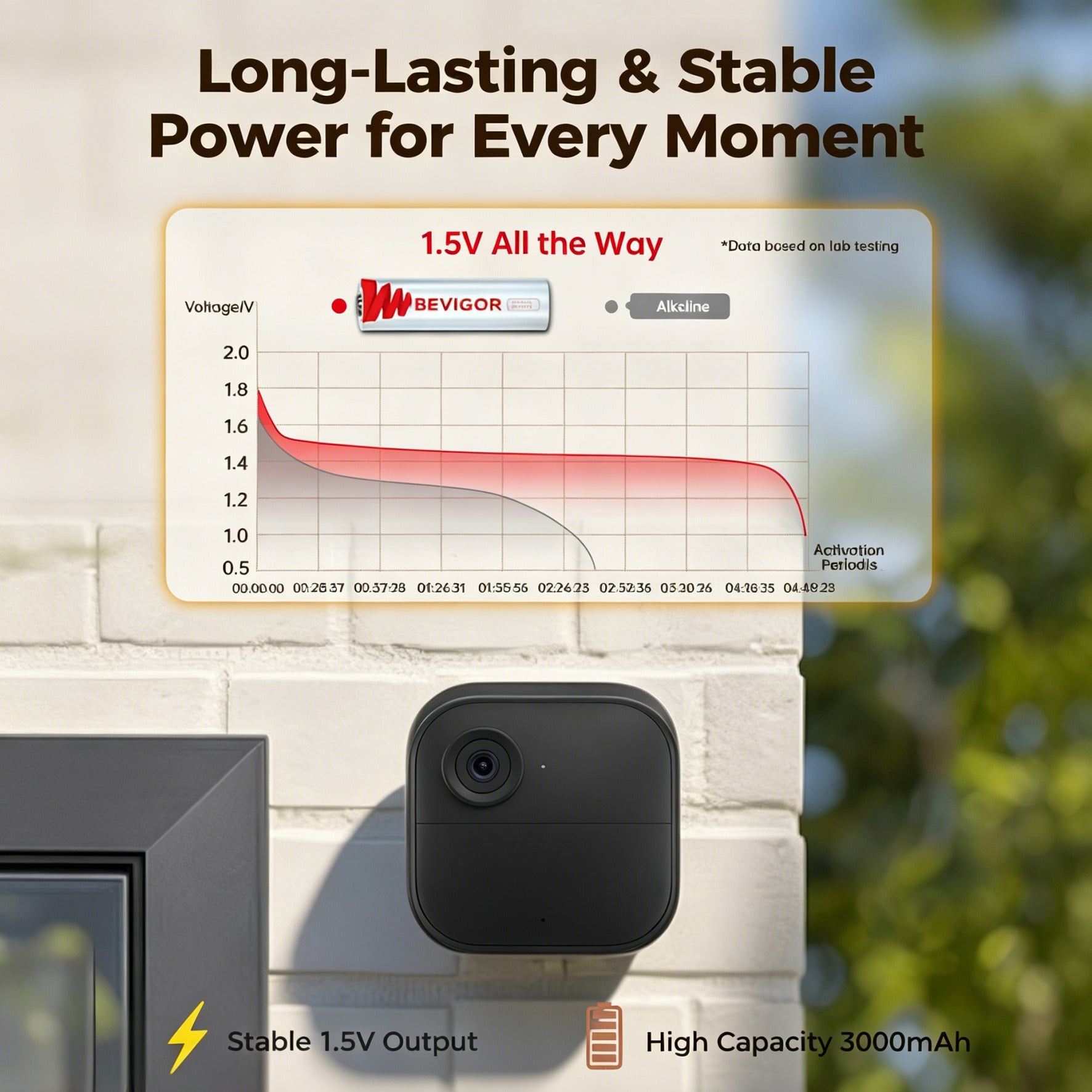
Lithium-AA-Batterien hingegen sind auf stabile Spannungsabgabe ausgelegt. Sie halten für den größten Teil ihrer Nutzungsdauer nahezu 1,5 V und schalten sich dann bei fast vollständiger Entladung schnell ab.
Was das in der Praxis bedeutet:
-
Konstantere Geräteleistung
-
Längere nutzbare Laufzeit
-
Bessere Kompatibilität mit moderner Elektronik
Wichtigste Erkenntnis: Beide Batterietypen sind für 1,5 V ausgelegt, aber Lithiumbatterien liefern diese Spannung wesentlich effektiver.
Wie Spannungsstabilität die reale Leistung beeinflusst
Die meisten modernen elektronischen Geräte entladen eine Batterie nicht gleichmäßig. Stattdessen benötigen sie einen Mindestspannungsschwellenwert, um zu funktionieren.
Wenn die Spannung unter diesen Schwellenwert fällt:
-
Kameras machen keine Fotos mehr
-
Controller trennen die Verbindung
-
Sensoren senden keine Daten mehr
-
Geräte schalten sich ab – auch wenn noch Energie vorhanden ist
Alkalibatterien unterschreiten diesen Schwellenwert aufgrund ihrer abnehmenden Spannungskurve oft frühzeitig. Lithium-AA-Batterien vermeiden dieses Problem, indem sie wesentlich länger im optimalen Spannungsbereich bleiben.
Deshalb haben Benutzer oft das Gefühl, dass Alkalibatterien „plötzlich sterben“, während Lithiumbatterien sich vorhersehbar und zuverlässig anfühlen – obwohl sie tatsächlich mehr nutzbare Energie liefern.
Leistungsvergleich: Wo jeder Batterietyp sinnvoll ist
Geräte, bei denen Alkalibatterien gut funktionieren
Alkalibatterien sind immer noch eine praktische Wahl für Geräte mit geringem Stromverbrauch, die selten benutzt werden, darunter:
-
TV-Fernbedienungen
-
Wanduhren
-
Rauchmelder
-
Einfache LED-Taschenlampen
-
Einfaches Kinderspielzeug
In diesen Anwendungen ist der Strombedarf minimal und konstant. Alkalibatterien können jahrelang halten, was ihre niedrigen Anschaffungskosten attraktiv macht.
Geräte, bei denen Lithium-AA-Batterien klar gewinnen
Lithium-AA-Batterien überzeugen in Geräten mit hohem Stromverbrauch, leistungskritischen Anwendungen und Geräten für den Außenbereich, wie zum Beispiel:
-
Digitalkameras und Wildkameras
-
Gaming-Controller
-
Hochleistungs-LED-Taschenlampen
-
Drahtlose Sicherheitssysteme wie Blink-Kameras und Blink-Türschloss
-
Außensensoren und Überwachungsgeräte
-
Notfall- und Überlebensausrüstung
Praxisbeispiele:
-
1W LED-Taschenlampe
-
Alkaline: ~68 Minuten
-
Lithium: ~200 Minuten
-
-
Digitalkamera-Fotozyklen
-
Alkaline: ~40–50 Fotos
-
Lithium: 500+ Fotos
-
Das ist kein Marketing-Hype – es ist das Ergebnis einer grundlegend anderen Batteriechemie.
Kostenanalyse: Wann teurere Batterien tatsächlich Geld sparen
Auf den ersten Blick können AA-Lithiumbatterien bis zu fünfmal mehr kosten als Alkalibatterien. Aber die Konzentration auf den Preis pro Batterie ist irreführend.
Eine genauere Messgröße sind die Kosten pro Stunde zuverlässiger Nutzung.
Bei Geräten mit hohem Stromverbrauch:
-
Alkalibatterien müssen häufig ausgetauscht werden
-
Lithiumbatterien halten deutlich länger
-
Weniger Austausch bedeutet weniger Abfall, weniger Ausfallzeiten und niedrigere Langzeitkosten
Lithiumbatterien sind kostengünstiger, wenn:
-
Geräte Batterien monatlich oder schneller entladen
-
Ausfallzeiten die Arbeit oder Sicherheit stören
-
Geräte teuer oder schwer zugänglich sind
-
Batterien bei Kälte oder im Freien verwendet werden
Alkalibatterien sind immer noch sinnvoll, wenn:
-
Der Stromverbrauch extrem niedrig ist
-
Geräte selten benutzt werden
-
Das Budget die Hauptrolle spielt
Für viele Anwender ist eine gemischte Strategie – Alkali für Geräte mit geringem Verbrauch und Lithium für Geräte mit hohem Bedarf – der klügste Ansatz.
Kaltwetterleistung: Wo Lithium dominiert
Die Temperatur hat einen massiven Einfluss auf die Batterieleistung.
Alkalibatterieleistung bei Kälte
-
Über 21 °C: Normale Leistung
-
0–10 °C: 20–30 % Kapazitätsverlust
-
Unter 0 °C: Bis zu 50 % Verlust
-
Unter -18 °C: Kann komplett aufhören zu funktionieren
Leistung von Lithium-AA-Batterien
-
Zuverlässig von -40°F bis 140°F
-
Minimaler Kapazitätsverlust
-
Stabile Spannungsausgabe
Dies macht Lithium-AA-Batterien zur bevorzugten Wahl für:
-
Wildkameras
-
Sicherheitssysteme für den Außenbereich
-
Camping- und Wanderausrüstung
-
Notfallausrüstungen für Fahrzeuge
-
Garagentor- und Außenfernbedienungen
Haltbarkeit und Lagerung: Warum Lithium ideal für Notfälle ist
Die Haltbarkeit ist eines der am meisten übersehenen, aber wichtigsten Batteriemerkmale.
Alkalibatterien
-
Bis zu 10 Jahre Haltbarkeit
-
Allmähliche Selbstentladung
-
Höheres Auslaufrisiko über die Zeit
Lithium-AA-Batterien
-
Echte 10 Jahre Haltbarkeit
-
Extrem geringe Selbstentladung
-
Sehr geringes Auslaufrisiko
Für Notfallausrüstungen, Ersatzgeräte und Langzeitlagerung bieten Lithiumbatterien eine Sicherheit, die Alkalibatterien oft nicht bieten können.
Gewichtsvorteil: Gleiche Größe, weniger Last
Lithium-AA-Batterien sind etwa 35 % leichter als Alkalibatterien.
Dies ist wichtig für:
-
Wildkameras mit mehreren Batterien
-
Rucksack- und Outdoor-Ausrüstung
-
Notfallausrüstungen
-
Tragbare Elektronik
Wenn Geräte auf mehrere Zellen angewiesen sind, wird die Gewichtsreduzierung spürbar.
Umweltverträglichkeit: Welche Batterie erzeugt weniger Abfall?
Keiner der Batterietypen ist aus Umweltsicht perfekt, aber Nutzungsmuster sind wichtig.
-
Geräte mit hohem Stromverbrauch verbrauchen viele Alkalibatterien
-
Eine Lithiumbatterie kann mehrere Alkalibatterien ersetzen
-
Weniger Austausche = weniger Gesamtabfall
Bei häufiger Nutzung führen Lithiumbatterien oft zu einem geringeren gesamten ökologischen Fußabdruck.
Kompatibilität & Sicherheit: Können Lithium-Batterien Alkalibatterien ersetzen?
Ja. AA-Lithiumbatterien sind mit nahezu allen AA-betriebenen Geräten kompatibel.
Sie teilen sich:
-
Standard-AA-Größe
-
1,5V Spannungsangabe
-
Identische Polarität
Einige Geräte zeigen möglicherweise keine frühzeitigen Warnungen bei niedrigem Batteriestand an, da Lithiumbatterien die Spannung bis kurz vor der Entleerung aufrechterhalten. Dies ist ein normales Verhalten und kein Defekt.
Warum einige Geräte nicht warnen, bevor Lithiumbatterien leer sind
Viele elektronische Geräte lösen Batteriewarnungen bei etwa 1,0–1,2 V aus.
-
Alkalibatterien fallen allmählich in diesen Bereich
-
Lithiumbatterien bleiben nahe 1,5 V und schalten sich dann schnell ab
Das Ergebnis ist maximale nutzbare Energie – auch wenn das Warnfenster kürzer ist.
Auslaufrisiko: Langfristiger Schutz Ihrer Geräte
Batterieauslaufen ist eine der häufigsten Ursachen für Geräteschäden.
-
Alkalibatterien neigen im Laufe der Zeit eher zum Auslaufen
-
Das Risiko steigt in warmen Umgebungen oder bei langer Lagerung
Lithium-AA-Batterien haben ein deutlich geringeres Auslaufrisiko, was sie ideal macht für:
-
Teure Elektronik
-
Notfallausrüstung
-
Saisonale Geräte
-
Langzeit-Backups
Vorteile des Großeinkaufs und der Langzeitlagerung
Da Lithium-AA-Batterien eine extrem geringe Selbstentladung und eine echte 10-jährige Haltbarkeit aufweisen, eignen sie sich besonders gut für den Großeinkauf.
Für Haushalte, Unternehmen und Institutionen bedeutet dies:
-
Vorhersehbare Lebensdauer des Inventars
-
Reduzierte Wartungszyklen
-
Geringere Arbeits- und Austauschkosten
-
Weniger unerwartete Ausfälle
Bevigor bietet spezielle Lösungen für Groß- und Einzelhändler: https://bevigor.com/pages/bulk-wholesale
Lithiumbatterien sicher entsorgen
Die ordnungsgemäße Entsorgung ist unerlässlich.
Sichere Entsorgungsrichtlinien:
-
Gebrauchte Batterien niemals zerdrücken oder durchstechen
-
Pole abkleben, um Kurzschlüsse zu vermeiden
-
Lithiumbatterien nicht im Hausmüll entsorgen
-
Zertifizierte Batterierecyclingprogramme nutzen
-
Lokale Entsorgungsvorschriften beachten
Die richtige Batterie wählen: Ein einfacher Entscheidungsleitfaden
Wählen Sie Alkalibatterien, wenn:
-
Geräte sehr wenig Strom verbrauchen
-
Das Budget oberste Priorität hat
-
Geräte selten verwendet werden
Wählen Sie Lithium-AA-Batterien, wenn:
-
Geräte Batterien schnell entleeren
-
Zuverlässigkeit wichtig ist
-
Geräte teuer oder missionskritisch sind
-
Geräte im Freien oder bei kaltem Wetter verwendet werden
Bevigor AA Lithiumbatterien: Für den realen Einsatz gebaut
Bei Bevigor wird die Batterieleistung nicht nur in Laborwerten gemessen – sie wird in realer Zuverlässigkeit gemessen.
Unsere Lithium-AA-Batterien werden entwickelt mit:
-
Fortschrittlichen, global integrierten Materialien
-
Strengem Produktionsmanagement
-
Konsistenter Qualitätskontrolle auf Chargenebene
-
Langfristiger Temperatur- und Lagerstabilität
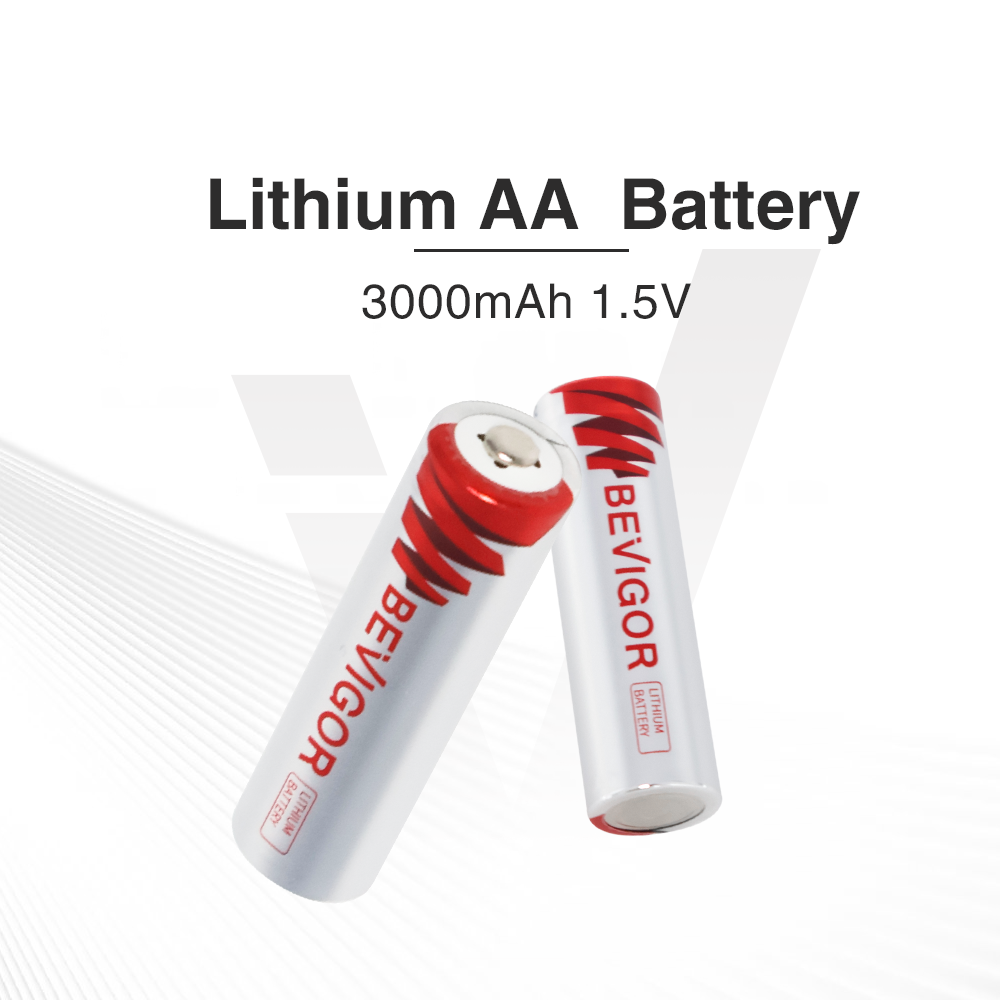
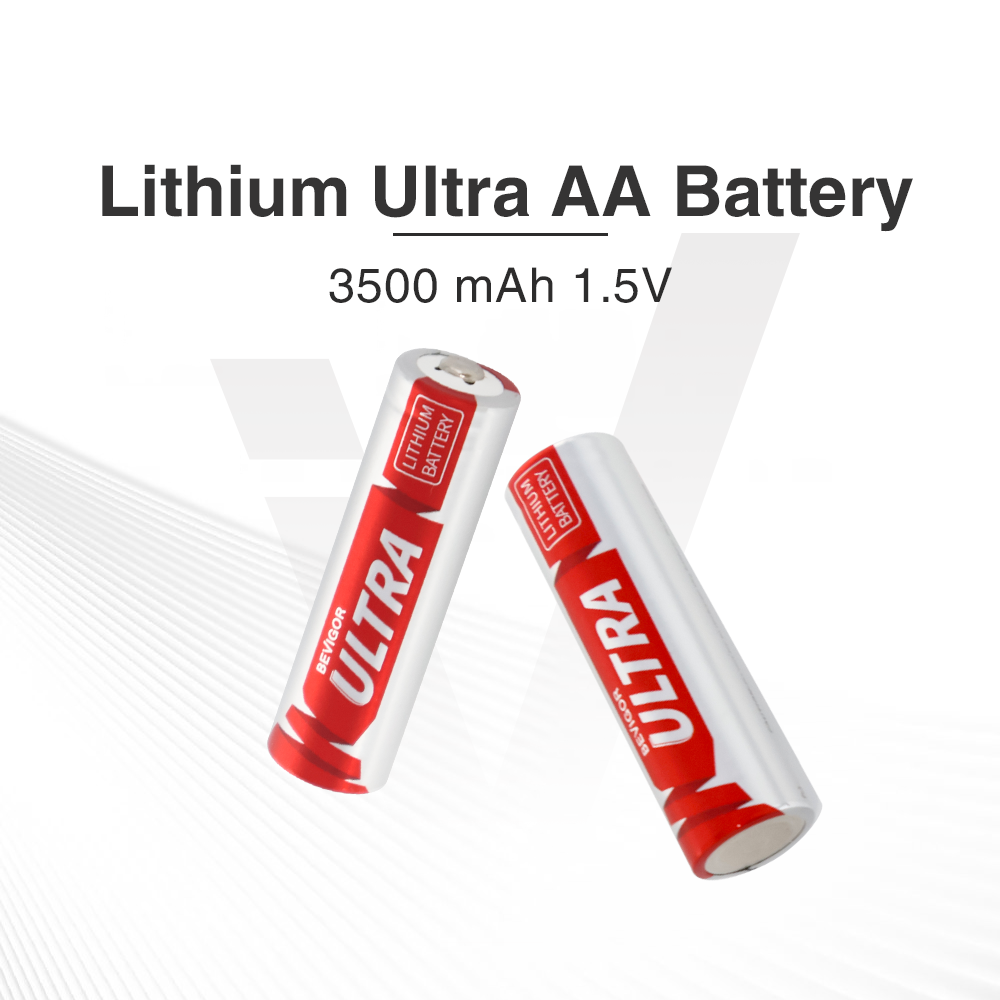
Entdecken Sie Bevigor Lithium-AA-Batterien:
Für Groß- und Einzelhandelskunden:
-
https://bevigor.com/products/aa-lithium-batteries-3000mah-bulk
-
https://bevigor.com/products/bevigor-ultra-3500mah-aa-lithium-batteries-bulk-pack
Fazit: Verwenden Sie nicht nur einen Batterietyp für alles
Der größte Fehler, den Verbraucher machen, ist anzunehmen, dass alle AA-Batterien austauschbar sind.
-
Alkalibatterien sind kostengünstig für einfache Geräte mit geringem Stromverbrauch
-
Lithium-AA-Batterien überzeugen in Geräten mit hohem Stromverbrauch, Outdoor-Anwendungen und solchen, bei denen Zuverlässigkeit entscheidend ist
Die Wahl der richtigen Batterie für jedes Gerät schützt Ihre Ausrüstung, spart langfristig Geld und gewährleistet zuverlässige Leistung, wenn es am wichtigsten ist.
Wenn es auf Zuverlässigkeit ankommt, liefern Bevigor AA Lithiumbatterien die Leistung, der Sie vertrauen können – genau dann, wenn Sie sie brauchen.
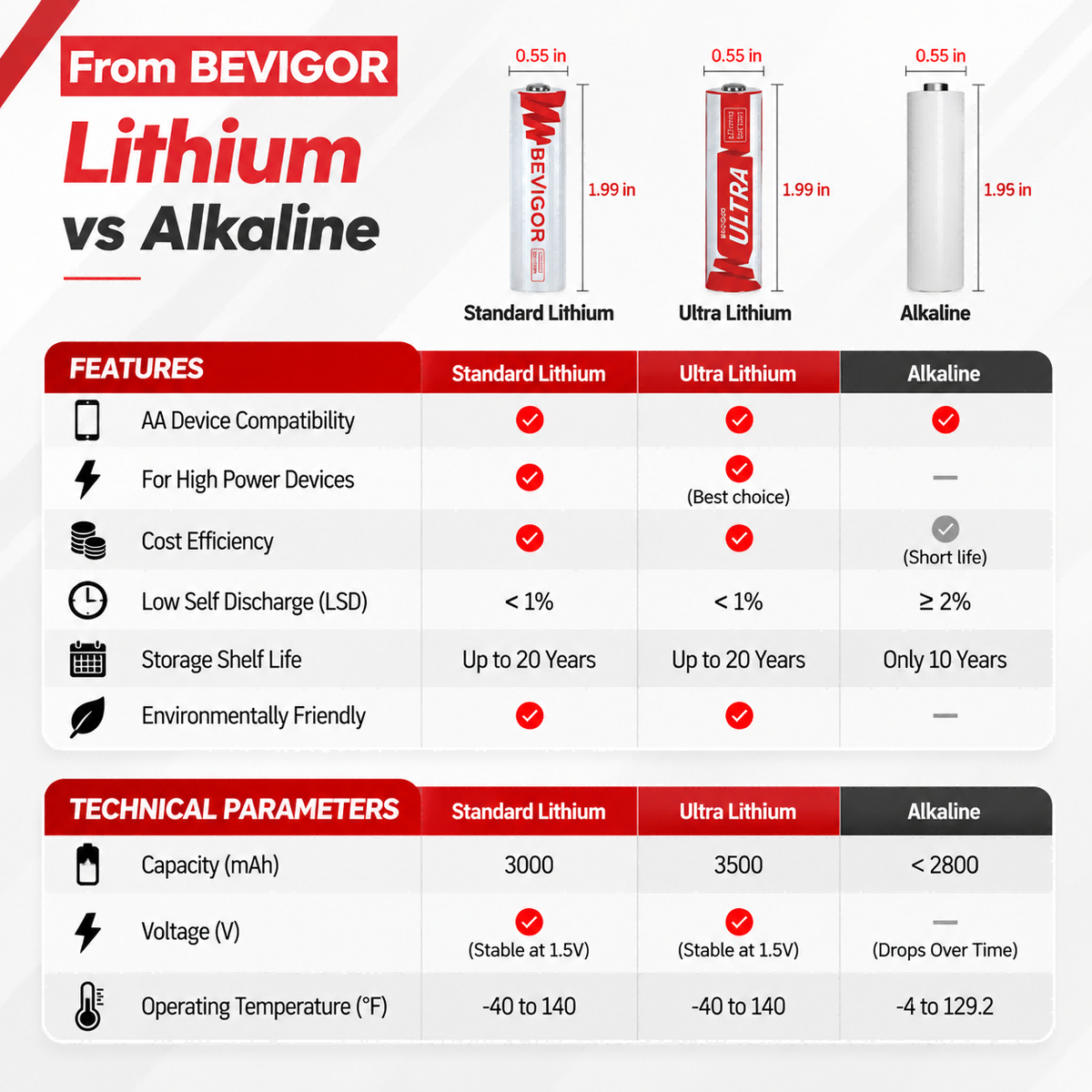
Schneller Vergleich: Lithium AA vs. Alkaline AA (Auf einen Blick)
| Merkmal | Alkali-AA-Batterien | Lithium-AA-Batterien |
|---|---|---|
| Anschaffungspreis | Niedriger | Höher |
| Laufzeit in Geräten mit hohem Stromverbrauch | Kurz | 5–10× länger |
| Spannungsstabilität | Sinkt stetig im Laufe der Zeit | Stabil bis kurz vor Entleerung |
| Leistung bei Kälte | Schlecht (versagt unter dem Gefrierpunkt) | Hervorragend (bis -40°F) |
| Auslaufrisiko | Mäßig bis hoch bei langer Lagerung | Extrem niedrig |
| Haltbarkeit | Bis zu 10 Jahre (mit allmählichem Verlust) | 20 Jahre Haltbarkeit |
| Beste Anwendungsfälle | Fernbedienungen, Uhren, einfaches Spielzeug | Kameras, Controller, Outdoor- & Notfallausrüstung (Blink-Kamera, Blink-Türklingelschloss), Wildkameras für die Jagd |






Aktie:
Wie lange halten Lithium-AA-Batterien in der Regel?
Warum Lithium-AA-Batterien die beste Wahl für Wildkameras sind