

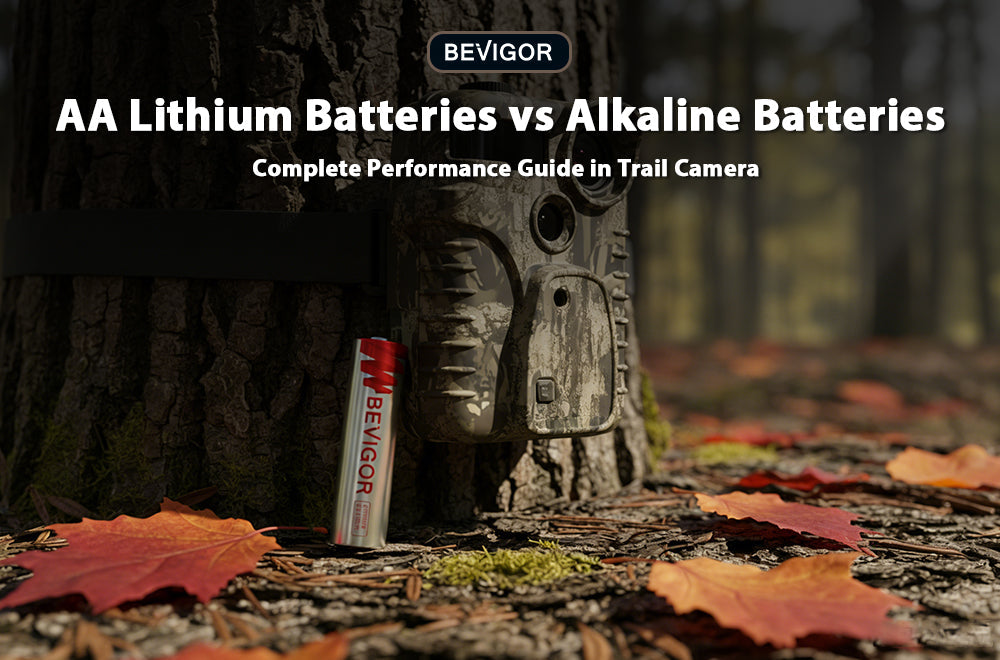
Warum die Batteriewahl bei Wildkameras wichtig ist
Ihre Wahl der Wildkamerabatterien bestimmt direkt, wie oft Ihre Kamera Bewegungen erfasst, raues Wetter übersteht und wie häufig Sie Wartungsarbeiten durchführen müssen.
Moderne Wildkameras sind stark auf stabile Spannung angewiesen für:
- Bewegungserkennungssensoren
- Nachtsicht-Infrarotblitz
- Bildspeicherung und -übertragung
Eine schwache oder instabile Wildkamerabatterie kann zu verpassten Aufnahmen, langsameren Auslösezeiten oder einem vollständigen Systemausfall führen.
Deshalb ist die Wahl zwischen AA-Lithiumbatterien und Alkalibatterien eine der wichtigsten Entscheidungen für Outdoor-Setups.
Welche Arten von AA-Batterien werden in Wildkameras verwendet?
Die meisten Wildkamerabatterien sind AA-basiert, aufgrund ihrer Kompatibilität und einfachen Austauschbarkeit. Die Hauptoptionen umfassen:
- Alkalibatterien (Einweg, weit verbreitet)
- Wiederaufladbare NiMH-Batterien
- Lithium-AA-Batterien (leistungsstark, lange Lebensdauer)
Unter diesen hat sich Lithium schnell zur bevorzugten Option für Benutzer entwickelt, die nach den besten Batterien für Wildkameras suchen.
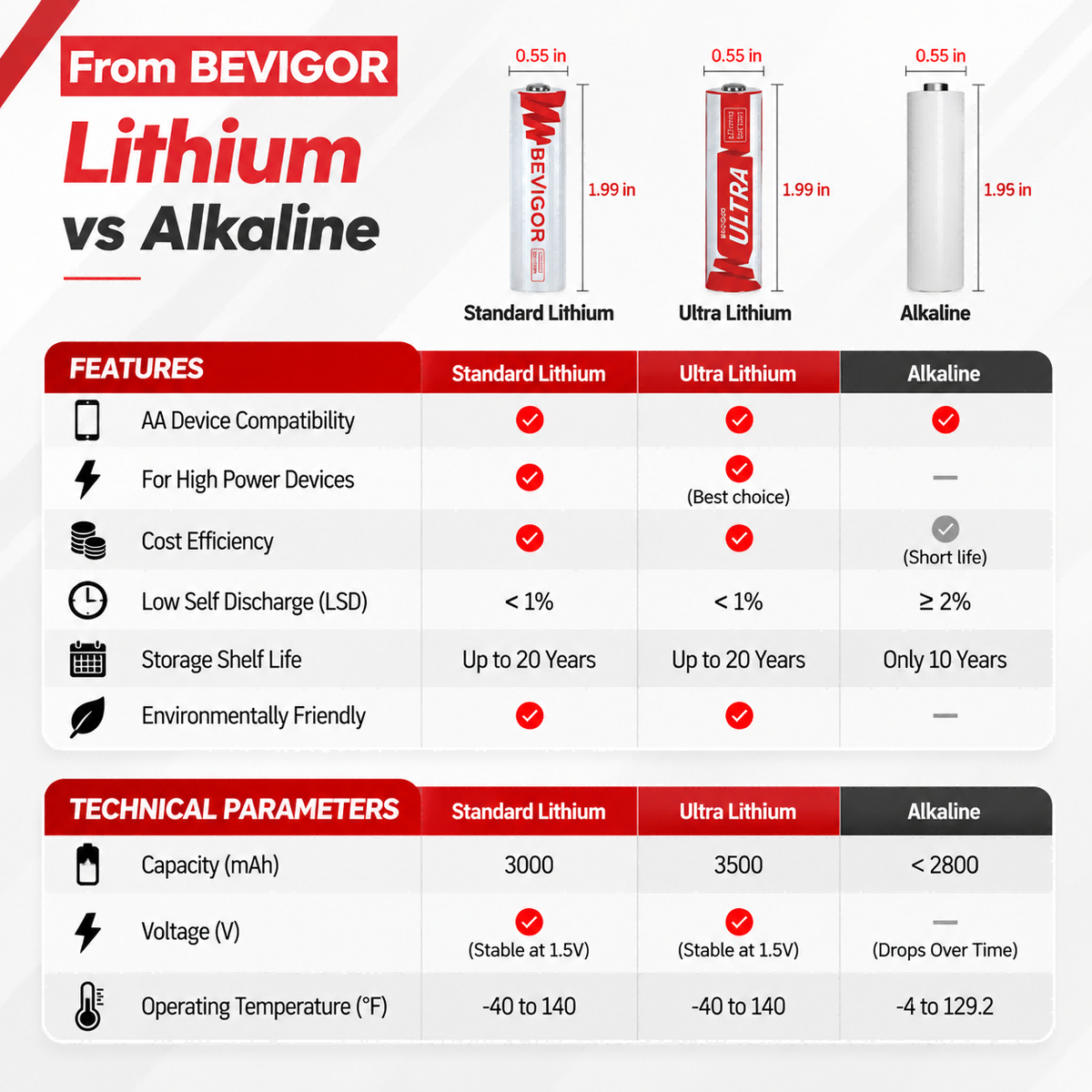
AA-Lithiumbatterien vs. Alkalibatterien: Datenvergleich
Unten finden Sie einen praktischen Vergleich, basierend auf der realen Nutzung in Wildkamerabatterie-Szenarien:
| Merkmal | Alkali-AA-Batterien | Lithium-AA-Batterien |
|---|---|---|
| Anfangsspannung | 1,5 V (fällt schnell ab) | 1,5 V (stabile Ausgabe) |
| Laufzeit | 1x Basislinie | 5–7x längere Lebensdauer |
| Leistung bei kaltem Wetter | Schlecht (fällt unter 0°C aus) | Funktioniert bis -40°C |
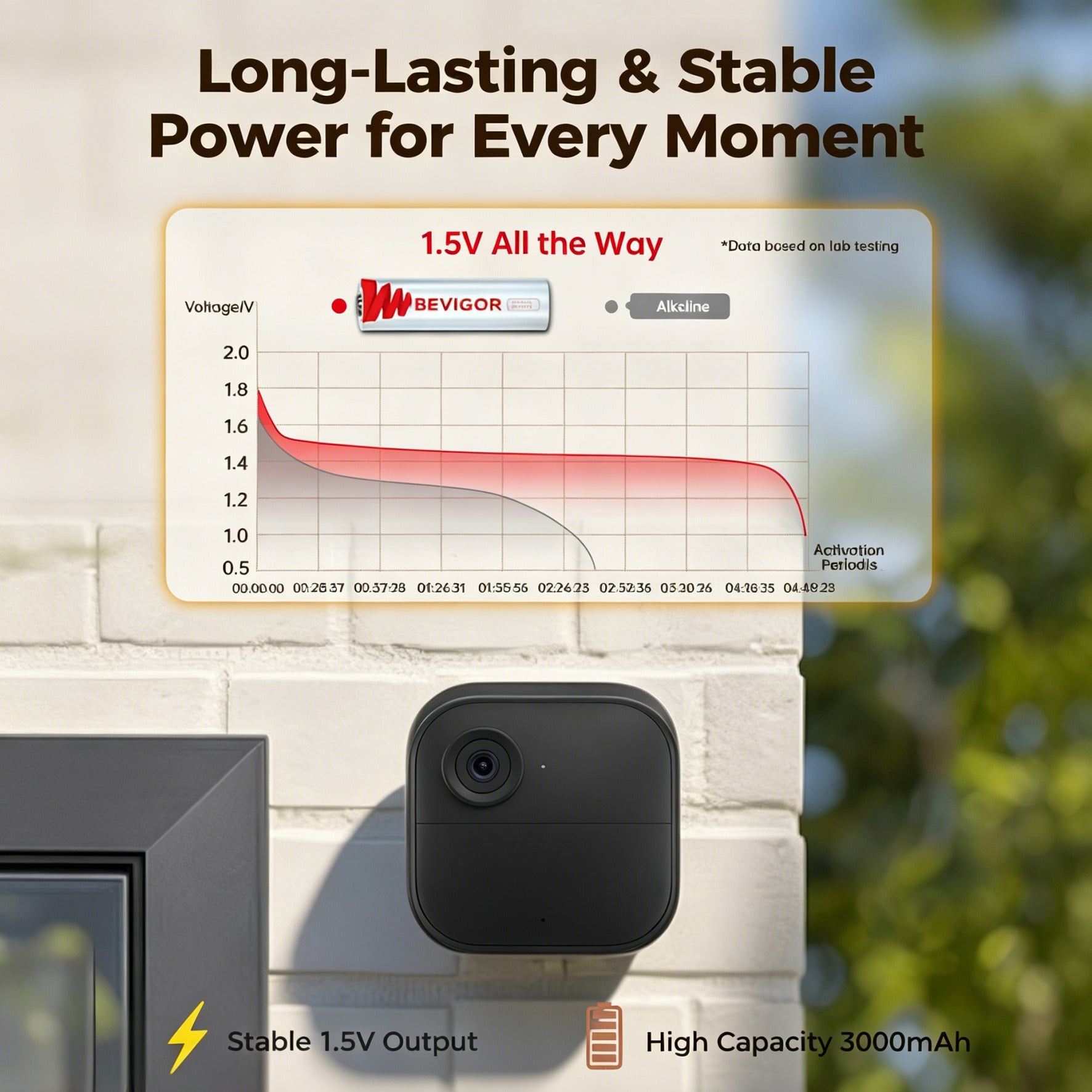
| Spannungsstabilität | Fällt mit der Zeit ab | Konstant bis zur Erschöpfung |
| Auslaufrisiko | Mittel bis hoch | Sehr gering |
| Gewicht | Schwerer | Leichter (besser für Geräte) |
| Kosten pro Einheit | Niedrig | Höhere Anschaffungskosten |
| Kosteneffizienz | Niedriger (häufiger Austausch) | Höherer langfristiger Wert |
Wichtigste Erkenntnis:
Wenn Ihr Ziel ist, die besten Batterien für Wildkameras zu finden, übertrifft Lithium Alkalibatterien in fast jeder kritischen Kennzahl deutlich.
Laufzeit: Warum Lithium die Verwendung in Wildkameras dominiert
Die Laufzeit ist der wichtigste Faktor für Wildkamerabatterien.
Alkalibatterien:
- Allmählicher Spannungsabfall
- Reduzierte Leistung im Laufe der Zeit
- Häufiger Austausch
Lithiumbatterien für Wildkameras:
- Behalten die volle Leistungsabgabe bei
- Unterstützen Tausende von Bildern
- Ideal für langfristige Einsätze
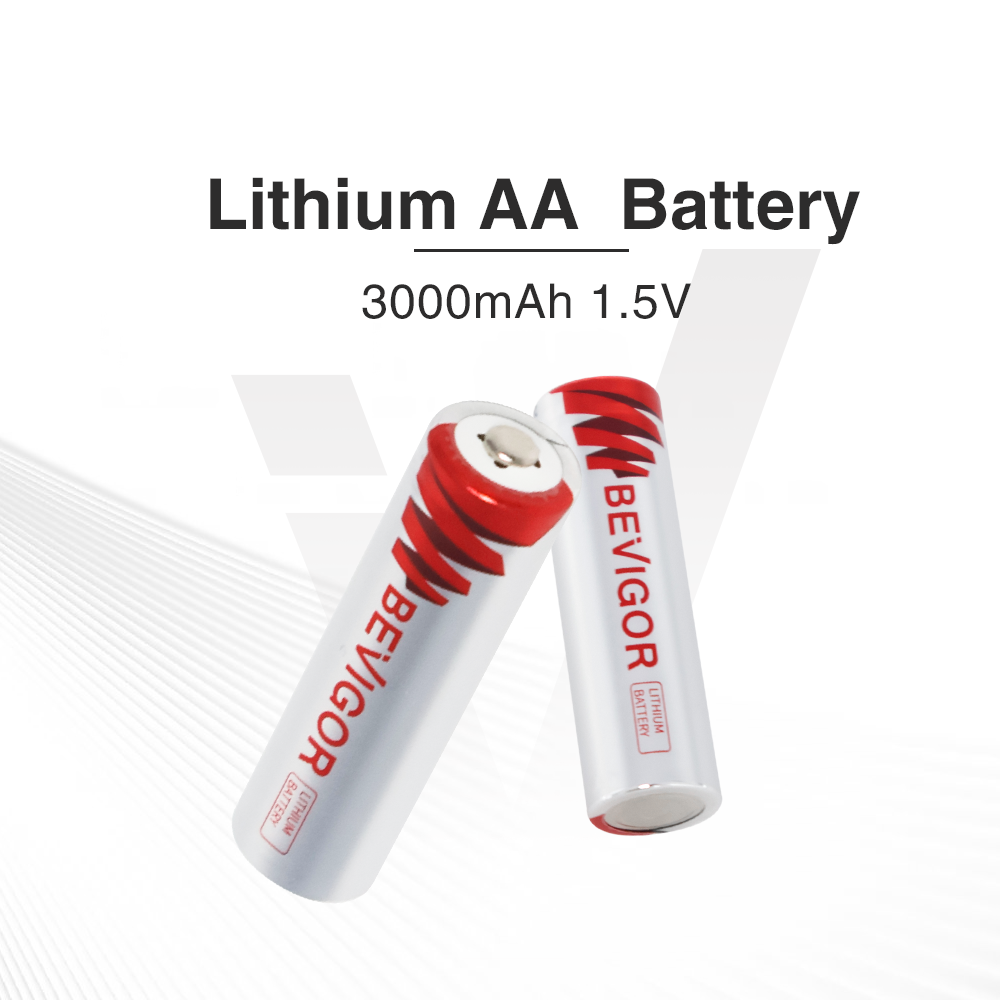
Zum Beispiel sind hochkapazitive Bevigor AA Lithiumbatterien darauf ausgelegt, die Betriebszeit zu maximieren:
https://bevigor.com/products/bevigor-lithium-aa-batteries-3000mah
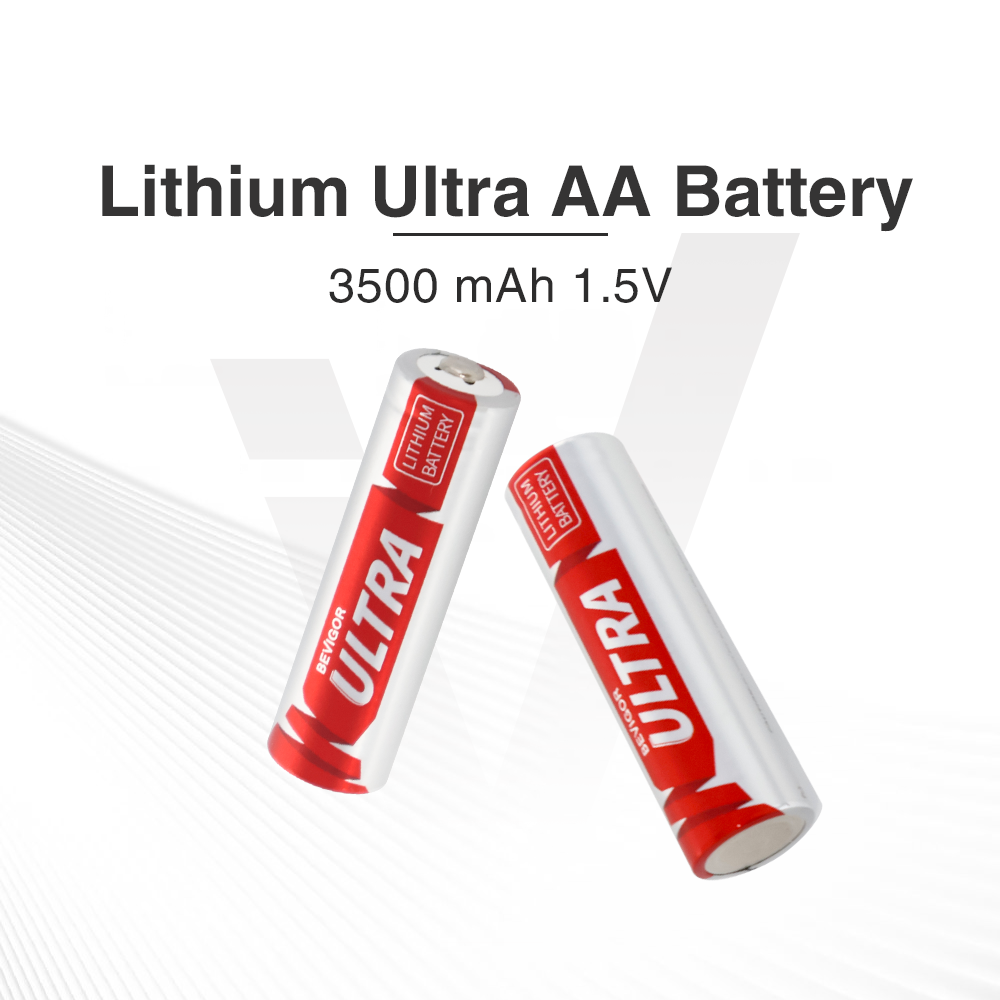
Für erweiterte Leistung:
https://bevigor.com/products/ultra-new-bevigor-lithium-aa
Leistung bei kaltem Wetter: Der entscheidende Faktor
In Outdoor-Umgebungen bestimmt die Temperatur oft die Batteriewahl.
Einschränkungen von Alkalibatterien
- Chemische Reaktionen verlangsamen sich bei Kälte
- Die Spannung fällt schnell ab
- Batterien können komplett den Betrieb einstellen
Lithium-Vorteil
- Stabile Chemie bei extremer Kälte
- Funktioniert zuverlässig bis -40°F (-40°C)
- Behält die Leistung bei Schnee und während der Winterjagd bei
Dies macht Lithium zu den besten Wildkamerabatterien für Benutzer, die in nördlichen Regionen oder unter Winterbedingungen arbeiten.
Praktische Anwendungsfälle: Wann Lithium unverzichtbar ist
1. Abgelegene Kamerastandorte
Wenn Ihre Wildkamera an schwer zugänglichen Orten platziert ist:
- Lithium reduziert die Häufigkeit des Batteriewechsels
- Minimiert menschliche Störungen
2. Umgebungen mit hoher Auslösefrequenz
Für Gebiete mit viel Wildwechsel:
- Stabile Spannung gewährleistet konsistente Erfassung
- Verhindert verpasste Bewegungsereignisse
3. Langzeitüberwachung
Für Forscher oder Jäger:
- Lithium ermöglicht monatelangen Betrieb
- Ideal für kontinuierliche Datenerfassung
Sind Alkalibatterien jemals eine gute Wahl?
Alkalibatterien können immer noch funktionieren für:
- Kurzzeitige Einsätze
- Warme Klimazonen (z. B. südliche Regionen)
- Leicht zugängliche Kameras
Sie werden jedoch selten als die besten Batterien für Wildkameras angesehen, wenn Zuverlässigkeit entscheidend ist.
Kompatibilität mit beliebten Wildkamera-Marken
Ob Sie verwenden:
- Moultrie Wildkamera-Batterien
- Muddy Wildkamera-Batterien
Beide Systeme sind für AA-Batterien optimiert, und Lithium wird oft für Spitzenleistung empfohlen.
Benötigen Sie einen Akku für Wildkameras?
Einige fortgeschrittene Benutzer ziehen ein externes Akkupack für Wildkamera-Setups in Betracht.
Vorteile:
- Verlängerte Laufzeit
- Reduzierte Wartungszyklen
Nachteile:
- Höhere Anschaffungskosten
- Weniger Portabilität
Für die meisten Benutzer eliminiert der Wechsel zu den besten AA-Batterien für Wildkameras wie Lithium die Notwendigkeit externer Packs.
Kostenanalyse: Lithium vs. Alkali im Laufe der Zeit
Lassen Sie uns das aufschlüsseln:
- Alkalibatterien müssen möglicherweise alle paar Wochen ausgetauscht werden
- Lithiumbatterien können mehrere Monate halten
Auch wenn Lithium anfangs mehr kostet, sind die Kosten pro Betriebstag erheblich niedriger, was sie aus geschäftlicher und ROI-Perspektive zu den besten Batterien für Wildkameras macht.
Für Großabnehmer und skalierende Operationen:
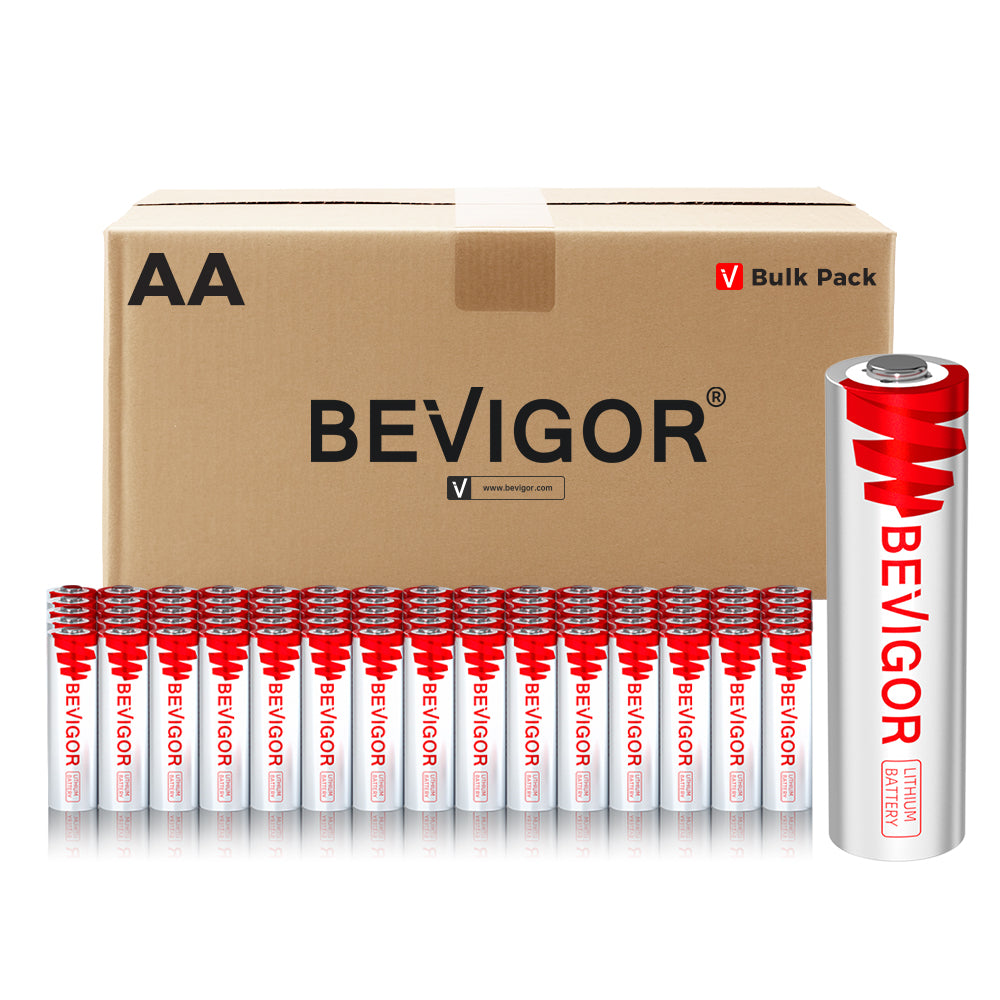
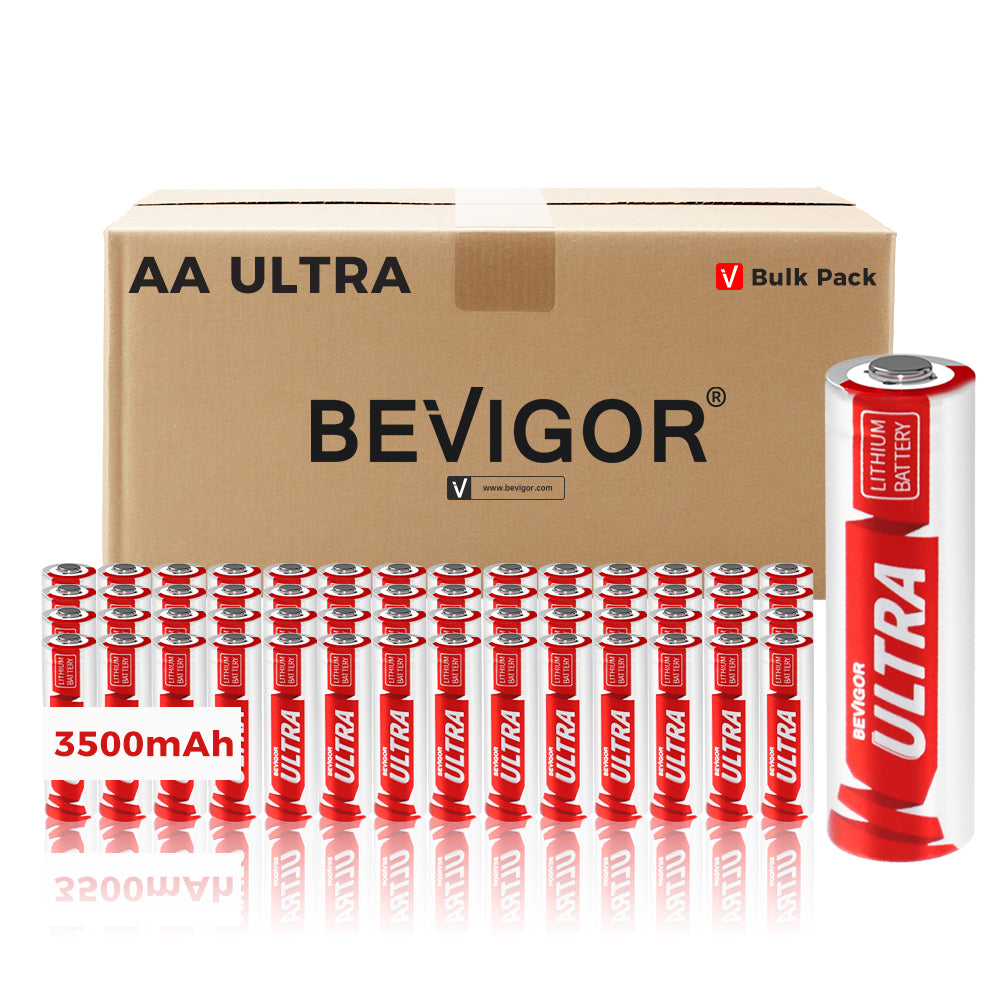
https://bevigor.com/products/bevigor-ultra-3500mah-aa-lithium-batteries-bulk-pack
https://bevigor.com/pages/bulk-wholesale
Warum Bevigor Lithium AA Batterien herausstechen
Bei der Auswahl der besten Batterien für Wildkameras sind Leistungskonsistenz und Kapazität am wichtigsten.
Bevigor AA Lithiumbatterien bieten:
- Hohe Kapazität (3000mAh–3500mAh Bereich)
- Lange Haltbarkeit (bis zu 20 Jahre)
- Stabile Spannungsausgabe
- Hervorragende Kaltwetterleistung
Diese Eigenschaften machen sie ideal für Einzelanwender und kommerzielle Einsätze.
Fazit: Welche Batterie sollten Sie wählen?
Wenn Sie AA-Lithiumbatterien vs. Alkalibatterien in Wildkameras bewerten:
- Wählen Sie Alkalibatterien für: kurzfristige, kostengünstige, warme Bedingungen
- Wählen Sie Lithium-AA-Batterien für: Zuverlässigkeit, Langlebigkeit und extreme Umgebungen
Für die meisten Benutzer ist Lithium der klare Gewinner und die besten Batterien für Wildkameras.
Wo Sie zuverlässige Wildkamera-Batterien erhalten
- Einzelhandel: https://bevigor.com/products/bevigor-lithium-aa-batteries-3000mah
- Ultra Version: https://bevigor.com/products/ultra-new-bevigor-lithium-aa
- Großbestellungen: https://bevigor.com/products/aa-lithium-batteries-3000mah-bulk
- Kontakt: https://bevigor.com/pages/contact-us
FAQ: Wildkamera-Batterien
Was sind die besten Batterien für Wildkameras?
Lithium-Batterien für Wildkameras gelten weithin als die beste Option, da sie eine lange Lebensdauer, eine stabile Spannung und eine hervorragende Leistung bei kaltem Wetter bieten. Optionen wie bevigor AA Lithium-Batterien sind ideal für gleichbleibende Ergebnisse.
Wie viele AA-Batterien verwendet eine Wildkamera?
Die meisten Wildkameras benötigen zwischen 4 und 12 AA-Batterien für den Betrieb der Wildkamera, abhängig vom Modell und Funktionen wie Nachtsicht und drahtloser Übertragung.
Lohnt sich der Kauf von Lithium-Batterien für Wildkameras?
Ja. Obwohl sie anfangs teurer sind, halten Lithium-AA-Batterien deutlich länger als Alkaline-Batterien, was die Häufigkeit des Batteriewechsels und die gesamten Betriebskosten reduziert.
Welche AA-Batterie ist die beste für Wildkameras?
Hochleistungs-AA-Lithium-Batterien, insbesondere bevigor AA-Lithium-Batterien, gehören zu den besten AA-Batterien für Wildkameras aufgrund ihrer Haltbarkeit und Leistung in extremen Umgebungen.
Funktionieren Alkaline-Batterien in Wildkameras?
Ja, Alkaline-Batterien können in Wildkamera-Batteriekonfigurationen funktionieren, sind aber weniger zuverlässig. Sie verlieren schnell an Leistung und funktionieren bei kaltem Wetter schlecht, was sie für langfristige oder abgelegene Einsätze ungeeignet macht.
Warum halten Lithium-Batterien in Wildkameras länger?
Lithium-Batterien für Wildkameras halten während ihrer gesamten Lebensdauer eine stabile Spannung aufrecht, im Gegensatz zu Alkaline-Batterien, die allmählich an Leistung verlieren. Dies ermöglicht mehr Bilder und eine längere Betriebszeit.
Was passiert, wenn man Alkaline-Batterien bei kaltem Wetter verwendet?
Alkaline-Batterien können bei Temperaturen unter dem Gefrierpunkt ausfallen oder an Effizienz verlieren. Dies kann dazu führen, dass Ihre Wildkamera-Batterien nicht mehr funktionieren, was zu verpassten Wildtierbeobachtungen führt.
Können Lithium-AA-Batterien Wildkameras beschädigen?
Nein. Hochwertige AA-Lithium-Batterien sind sicher und werden häufig für Wildkamera-Batterien empfohlen. Sie reduzieren sogar das Auslaufrisiko im Vergleich zu Alkaline-Batterien.
Wie lange halten Lithium-AA-Batterien in einer Wildkamera?
Je nach Nutzung können Lithium-Batterien für Wildkameras mehrere Monate halten und Tausende von Bildern unterstützen, was sie zu den besten Batterien für Wildkameras in langfristigen Aufbauten macht.
Sind wiederaufladbare Batterien gut für Wildkameras?
Wiederaufladbare NiMH-Batterien können funktionieren, entladen sich aber tendenziell schneller und erfordern regelmäßige Wartung. Für Zuverlässigkeit bleiben Lithium-AA-Batterien die bevorzugte Wahl.
Brauche ich ein Akkupack für meine Wildkamera?
Ein Akkupack für Wildkamera-Setups kann die Laufzeit verlängern, aber für die meisten Benutzer eliminieren Hochleistungs-beste AA-Batterien für Wildkameras wie Lithium die Notwendigkeit externer Packs.
Welche Batterien sind am besten für den Einsatz von Wildkameras im Winter?
Für Winterbedingungen sind Lithium-Batterien für Wildkameras die beste Wahl, da sie im Gegensatz zu Alkaline-Batterien auch bei extrem niedrigen Temperaturen effektiv funktionieren.
Wie kann ich die Batterielebensdauer meiner Wildkamera verlängern?
Um die Leistung der Wildkamera-Batterie zu maximieren:
- Verwenden Sie Lithium-AA-Batterien
- Reduzieren Sie die Videorecording-Länge
- Optimieren Sie die Auslöseempfindlichkeit
- Vermeiden Sie häufige drahtlose Übertragungen
Was sind die besten Batterien für Wildkameras in abgelegenen Gebieten?
Für abgelegene Einsätze sind beste Batterien für Wildkameras auf Lithiumbasis die beste Wahl, da sie eine lange Lebensdauer und minimale Wartungsanforderungen haben.
Sind Lithium-Großpackungen eine gute Option für Unternehmen?
Ja. Für große Einsätze verbessert der Großeinkauf von besten Batterien für Wildkameras die Kosteneffizienz.
Großpackungen:
https://bevigor.com/pages/bulk-wholesale
Fazit:
Wenn Ihre Priorität Leistung, Zuverlässigkeit und reduzierter Wartungsaufwand ist, ist die Investition in Lithium-AA-Batterien die effektivste Strategie zur Optimierung Ihres Wildkamera-Batteriesystems.






Aktie:
Anleitung für batteriebetriebene Spielzeughunde, die gehen und bellen
Wie lange halten Hörgerätebatterien?