

Walking into a dark room and waiting for lights that never turn on is incredibly frustrating. Smart home automation relies entirely on constant connectivity. When a single node in your mesh network fails, the entire system feels broken. Finding the right zigbee AA battery dictates whether your motion sensors run silently in the background for years or require constant maintenance every few months. Modern smart home networks demand steady, uninterrupted voltage. Standard off-the-shelf power sources frequently struggle to maintain this required baseline. By understanding how your hardware actually consumes power, you can select a chemistry that prevents unexpected network dropouts.
How Does a Zigbee AA Battery Handle Constant Network Polling?
Wireless protocols operate using different communication methods. Wi-Fi devices maintain a heavy, constant connection to your router. Zigbee devices, however, are designed to sleep. They wake up for a fraction of a second, transmit their status to a central hub, and immediately go back to sleep. This rapid waking and sleeping cycle creates a unique energy draw profile. It requires sudden, sharp spikes of current rather than a slow, steady drain.
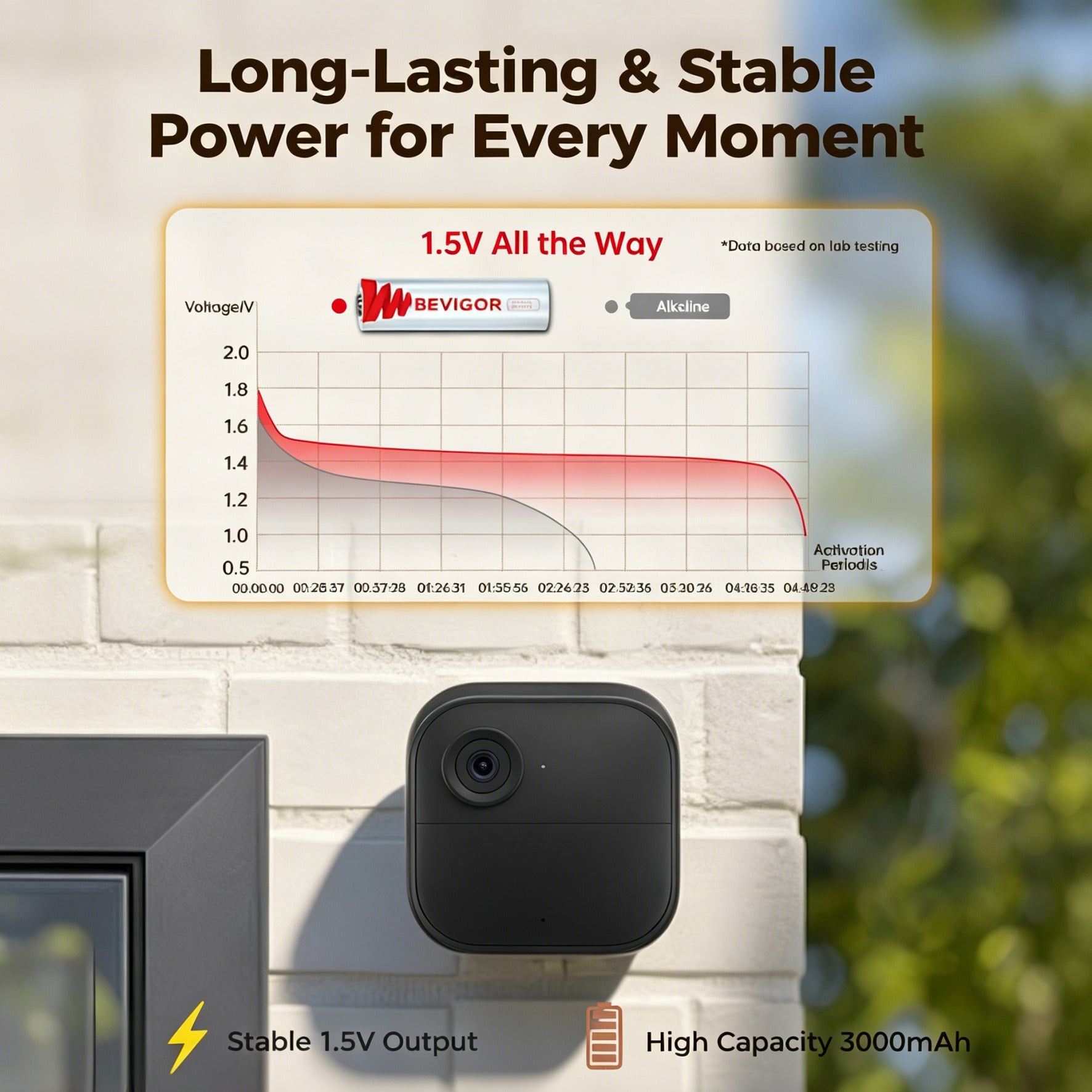
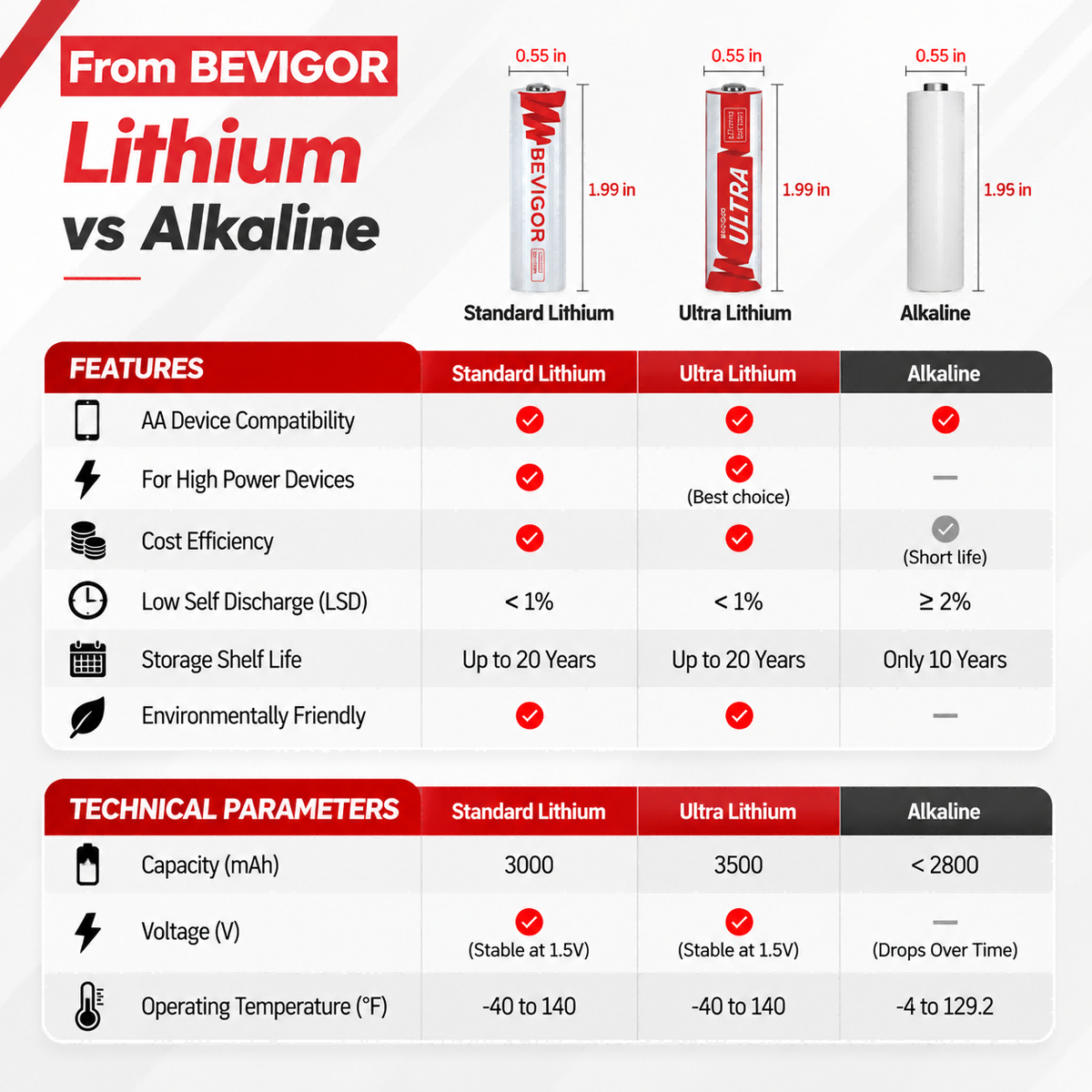
Traditional alkaline cells handle steady drains reasonably well. They run clocks and television remotes without issue. However, when a motion sensor suddenly detects movement and wakes up to transmit a signal, it pulls a spike of current. Alkaline chemistry has a higher internal resistance, meaning the voltage sags dramatically during this spike. If the voltage drops below the sensor's minimum operating threshold, the device resets or drops off the network entirely. Supplying your hardware with advanced lithium AA batteries provides a lower internal resistance. The voltage remains completely flat during transmission spikes. The sensor sends its signal instantly and returns to sleep without experiencing a fatal voltage drop.
Why Does Climate Alter Your Zigbee AA Battery Performance?
Many users install motion detectors in unheated garages, outdoor patios, or drafty entryways. Environmental temperature directly manipulates electrochemical reactions. Water-based electrolytes power standard alkaline cells. When temperatures drop toward freezing, this liquid thickens considerably. The thickened electrolyte slows down ion movement, severely capping the amount of power the cell can deliver. Your hub might show the sensor as offline, even though the cell still holds plenty of capacity.
Solid-state and dry chemistries bypass these physical limitations entirely. Lithium iron disulfide contains no water, meaning it does not freeze in the winter, nor does it expand and leak during extreme summer heat waves. According to recent material science research on lithium-based energy storage, these advanced compositions maintain stable discharge rates across a massive temperature spectrum. If you place a sensor on a front porch exposed to December snow, relying on a temperature-stable chemistry is the only way to ensure the security routine triggers when someone approaches the door.
Where Do Different Cell Chemistries Excel in Smart Homes?
Homeowners often wonder if every single device requires a premium power source. The reality is that different network nodes have vastly different requirements. Mapping out your devices helps you allocate resources effectively. A simple temperature sensor in a climate-controlled living room faces different stressors than a high-traffic motion detector in a dark hallway.
Understanding the baseline characteristics of each chemistry allows for smarter purchasing decisions. NiMH rechargeable units are excellent for high-drain devices like gaming controllers, but they suffer from high self-discharge rates. They slowly lose power just sitting idle, making them a poor fit for devices designed to last two years on a single charge.
|
Chemistry Type |
Internal Resistance |
Climate Tolerance |
Ideal Smart Home Application |
|
Standard Alkaline |
High |
Poor |
Indoor buttons, remote controls |
|
NiMH (Rechargeable) |
Low |
Moderate |
High-drain motorized smart blinds |
|
Premium Lithium |
Very Low |
Excellent |
Security sensors, outdoor detectors |

Evaluating hardware costs requires looking beyond the initial checkout cart. If you purchase a fifty-pack of lithium batteries or alkaline cells, the upfront cost is undeniably lower. However, that calculation ignores the manual labor required to maintain your network. Replacing a cell involves fetching a ladder, dismounting the sensor, replacing the unit, waiting for the mesh network to rebuild its routing tables, and remounting the hardware.
If a high-traffic sensor requires new alkaline cells every four months, you are performing that chore three times a year. A premium long-lasting AAA lithium option installed in the same hallway sensor might easily last two full years. You dramatically reduce the hours spent babysitting your network. Furthermore, depleted alkaline units left in dormant sensors frequently leak corrosive acid, destroying expensive hardware permanently. Investing in leak-proof bulk power solutions acts as a physical insurance policy for your costly smart home infrastructure.
Frequently Asked Questions
What causes a motion detector to falsely report a low charge?
Smart hubs estimate remaining capacity by reading the current voltage. Alkaline cells experience a sloping voltage drop from the day you install them. The hub sees this declining curve and triggers a warning, even if the cell has 40% of its capacity remaining. Lithium maintains a flat 1.5-volt output until it is nearly completely dead, preventing these premature and annoying hub notifications.
Check our latest article for tips on how to use batteries safely in daily life.
How do different chemistries affect the physical weight of mounted hardware?
Adhesive strips hold many modern sensors to drywall or door frames. Over time, heavy hardware pulls away from the wall and falls. A standard Zigbee motion sensor battery made of alkaline materials is quite heavy due to its dense liquid center. Lithium variants weigh roughly one-third less, significantly reducing the downward physical strain on your mounting tape and preventing accidental falls.
Do specific network routing choices increase energy consumption?
Yes. In a mesh network, hardwired devices like smart plugs act as routers, passing signals along. Battery-operated devices act strictly as end nodes; they only speak to the closest router. If you unplug a smart plug, the motion sensor must transmit its signal further across the house to find a new connection point. This longer transmission distance requires more transmission power, actively draining your zigbee AA battery much faster than normal.
Is it safe to mix fresh and used cells inside a single detector?
You should never mix old and new cells, nor should you mix different chemistries. When a fresh cell is paired with a depleted one, the stronger unit attempts to charge the weaker one. In non-rechargeable formats, this causes rapid overheating, internal pressure buildup, and inevitable chemical leaks that will permanently corrode your sensor's internal contacts.
Why do some devices only accept a specific physical size format?
Manufacturers build sensor housings as small as physically possible to make them aesthetically pleasing on your walls. They choose the specific power format based on the required operational voltage and the physical dimensions of the circuit board. Always check the manufacturer specifications before forcing a casing closed, as improper fitment can bend the delicate metal connection prongs.






Share:
What Is Lithium Battery Shelf Life?
How to Find Legal Framework for Shipping Bulk Lithium Batteries Domestically