


Does your flashlight die unexpectedly during freezing nights in the woods? Failing gear in the wilderness remains a serious safety risk for any outdoor enthusiast.
We cover temperature limits, weight savings, and discharge profiles to help you choose Lithium AA Batteries for survival.
How Cold Weather Impacts Lithium AA Batteries
When you pitch a tent in freezing temperatures, standard alkaline chemistry slows down significantly. This internal resistance causes a massive voltage drop, leaving your headlamp dim or completely dead when you need it to navigate a dark trail. According to technical documentation from Battery University, extreme weather dictates the chemical efficiency of portable energy storage, with cold temperatures severely restricting ion flow in standard power cells.
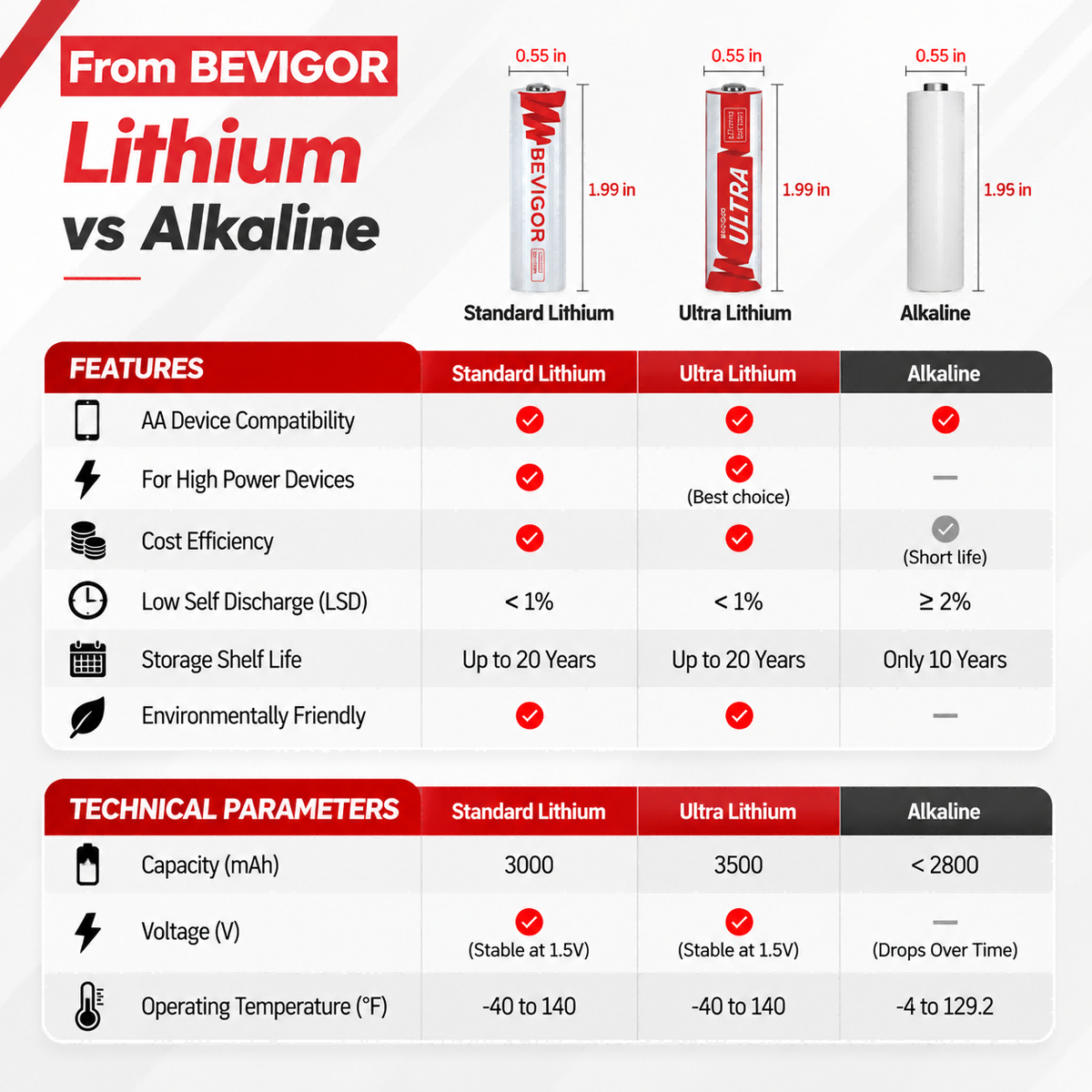
This is where specific chemistry types provide distinct advantages. Based on official specifications by Bevigor, their specific cells are rated to operate in environments dropping to minus 40 degrees Fahrenheit. Because the internal materials do not freeze and stall like water based electrolytes, you get reliable illumination for early morning alpine starts or late night campsite repairs.
Shedding Pack Weight With Lithium AA Batteries
Every ounce matters when you are carrying your entire shelter and food supply on your back for several days. If you pack a GPS unit, a backup radio, and an emergency beacon, the combined mass of backup power sources adds up quickly.
Here is the deal. Lithium is an incredibly light metal. These power cells typically weigh about one third less than their alkaline counterparts. While saving a few grams might not matter for a television remote in your living room, it makes a noticeable difference for a thru hiker covering twenty miles a day. Upgrading your gear with lighter components reduces physical fatigue during long ascents. When you calculate the weight of carrying spare sets for a week long expedition, the physical savings become substantial.
Understanding the Flat Discharge Curve
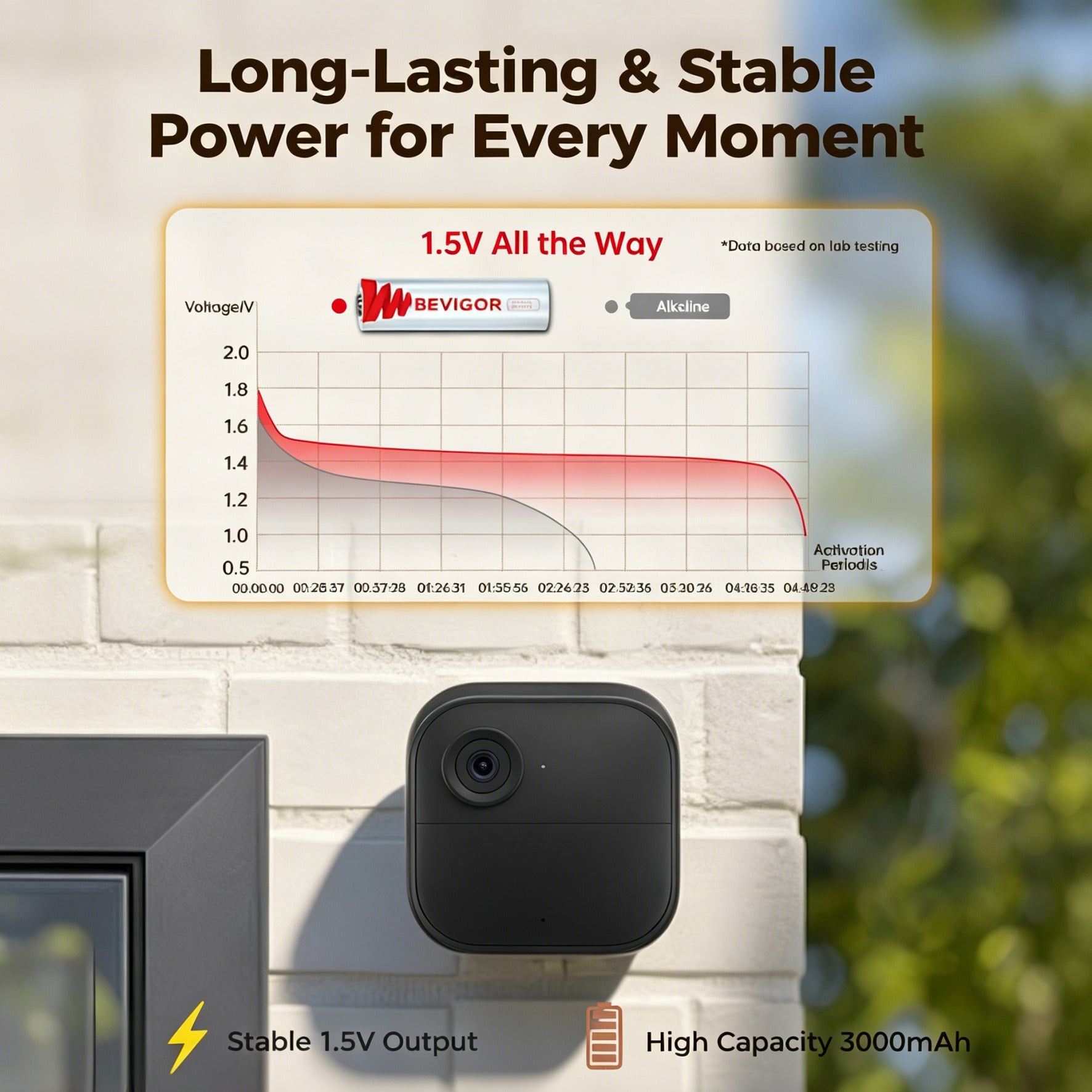
The way energy leaves the cell changes how your devices perform in the field. An alkaline power source has a sloping discharge curve. As you use it, the voltage gradually drops, meaning your lantern slowly dims over several hours until it becomes useless.
Experts at Battery University explain that lithium chemistry maintains a remarkably flat voltage profile. When you use Lithium AA Batteries, your emergency radio receives full power until the energy is almost entirely depleted. Your flashlight stays bright instead of fading to a useless yellow glow, giving you clear visibility until the very end of the cell capacity. This stable output is especially crucial for outdoor photographers who need their camera flashes to cycle rapidly without delay.

Comparing Power Options for Outdoor Use
Selecting the right energy source depends entirely on your specific camping style and environmental conditions. Both rechargeable and single use chemistries have distinct roles in your gear loadout.
|
Feature |
Standard Alkaline |
NiMH Rechargeable |
Lithium AA Batteries |
|
Temperature Resistance |
Fails in freezing cold |
Good in standard conditions |
Excellent in extreme cold |
|
Weight Profile |
Heavy |
Standard |
Very light |
|
Voltage Curve |
Sloping and drops fast |
Flat and highly stable |
Flat and highly stable |
|
Primary Advantage |
Cheap upfront cost |
Eco friendly and reusable |
Ultimate outdoor reliability |
Car campers and outdoor enthusiasts who use their gear frequently often rely on premium NiMH options from the Bevigor catalog because they can be recharged hundreds of times, offering unmatched long term value and reducing environmental waste. However, mountaineers or ultralight backpackers facing subzero conditions and strict weight limits usually prefer lithium chemistry for its absolute reliability when survival gear must function without failure in extreme environments.
Frequently Asked Questions About Lithium AA Batteries
Why do these power sources cost more upfront?
The raw materials required for manufacturing are more expensive to source and process. Additionally, the complex internal construction designed to prevent moisture ingress and handle extreme temperatures adds to the overall production cost.
Can I use them in any headlamp or flashlight?
You should always check the manufacturer manual for your specific device. While most modern electronics handle the initial 1.5 volts perfectly well, some older sensitive circuits designed strictly for alkaline voltage curves might experience issues. You can check the Bevigor technical support blog for more compatibility advice.
Do they leak acid like standard cells?
They are constructed with a completely solid architecture that lacks the liquid electrolytes found in cheap alternatives. This structural difference means they rarely leak and destroy the battery compartments of your expensive GPS units.
How long can I store them in a survival bug out bag?
One of their strongest advantages is longevity. Many primary lithium options hold power for up to twenty years in proper storage, making them ideal for emergency kits that sit untouched in a closet for years.
Is it safe to leave them in a hot car during summer trips?
While they tolerate heat better than alkaline chemistry, parking a vehicle in direct summer sun can push cabin temperatures beyond safe limits. Prolonged exposure to extreme heat degrades the internal capacity of any chemical energy source.
Important Usage Notes for Lithium AA Batteries
To ensure optimal performance and safety while exploring the outdoors, keep these professional practices in mind.
- Specification Origins: All temperature ranges and shelf life estimates are based on official laboratory testing by Bevigor. Real world performance will fluctuate based on the specific power draw of your camping gear.
- Real Usage Variables: Continuous use in a bright lantern will drain power faster than intermittent use in a backup radio. Signal searching in remote areas also drastically reduces the runtime of GPS devices.
- Strict Usage Taboos: Never mix a fresh cell with a depleted one inside your headlamp. You must also strictly avoid mixing different chemical compositions, such as placing a NiMH cell next to a lithium one.
- Disposal Instructions: Primary lithium cells are not rechargeable. When they are completely empty, do not throw them into wilderness fire pits or household trash. Utilize resources like the EPA recycling guide to locate proper processing facilities.
- Product Authenticity: Always source your outdoor power supplies from reputable vendors like the Bevigor outdoor energy solutions portal to avoid counterfeit products that fail in emergency situations.






Share:
Battery Showdown: NiMH Rechargeable vs. Lithium— Which One Fits Your Devices Best?
What Makes a CR2032 Coin Cell Battery Essential for Small Devices?