

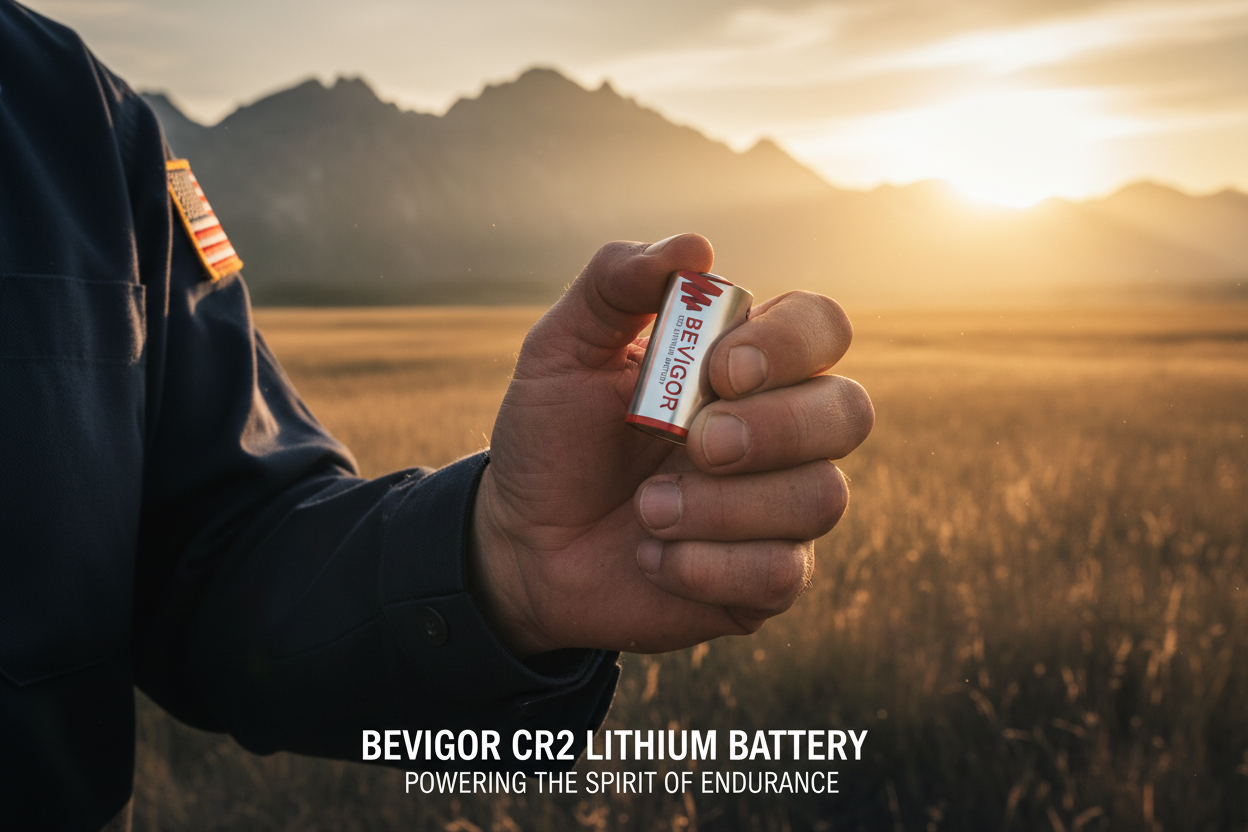
Tech headlines often talk about "lithium metal batteries" as if they are all the same. In fact, there are two main types: everyday lithium-metal primary batteries, which are already common, and rechargeable lithium-metal batteries, which are mostly still being developed. The rechargeable type is often mentioned with new "solid-state" designs. To help explain the difference, the U.S. Department of Energy's publication, "Breaking It Down: Next‑Generation Batteries," gives a clear overview of why these new batteries are being researched. These next-generation batteries could offer better performance, longer battery life, improved safety, and possible cost savings.

What Are Next-Gen Lithium Batteries And Why Are They Important?
Next-generation lithium batteries could change energy storage by combining the high energy of raw lithium metal with the ability to recharge like traditional lithium-ion batteries.
What Do We Mean by Everyday Lithium Batteries?
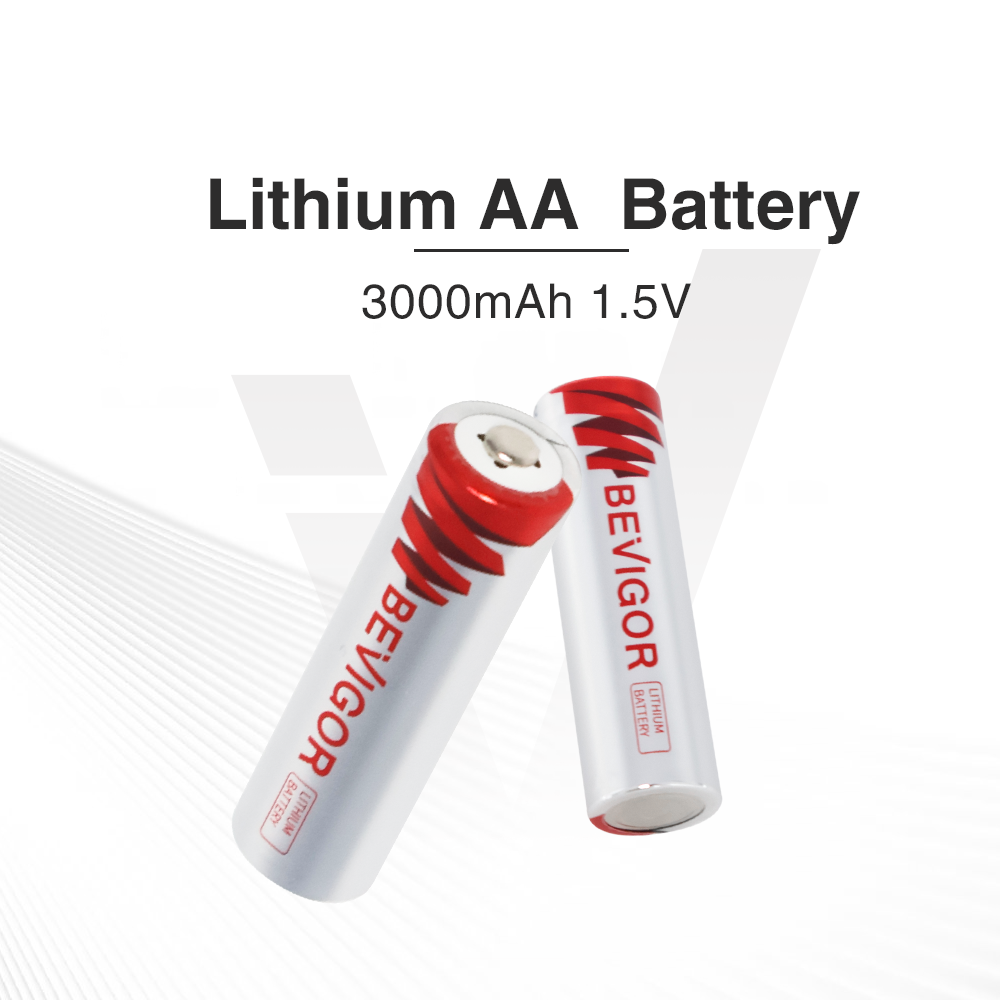
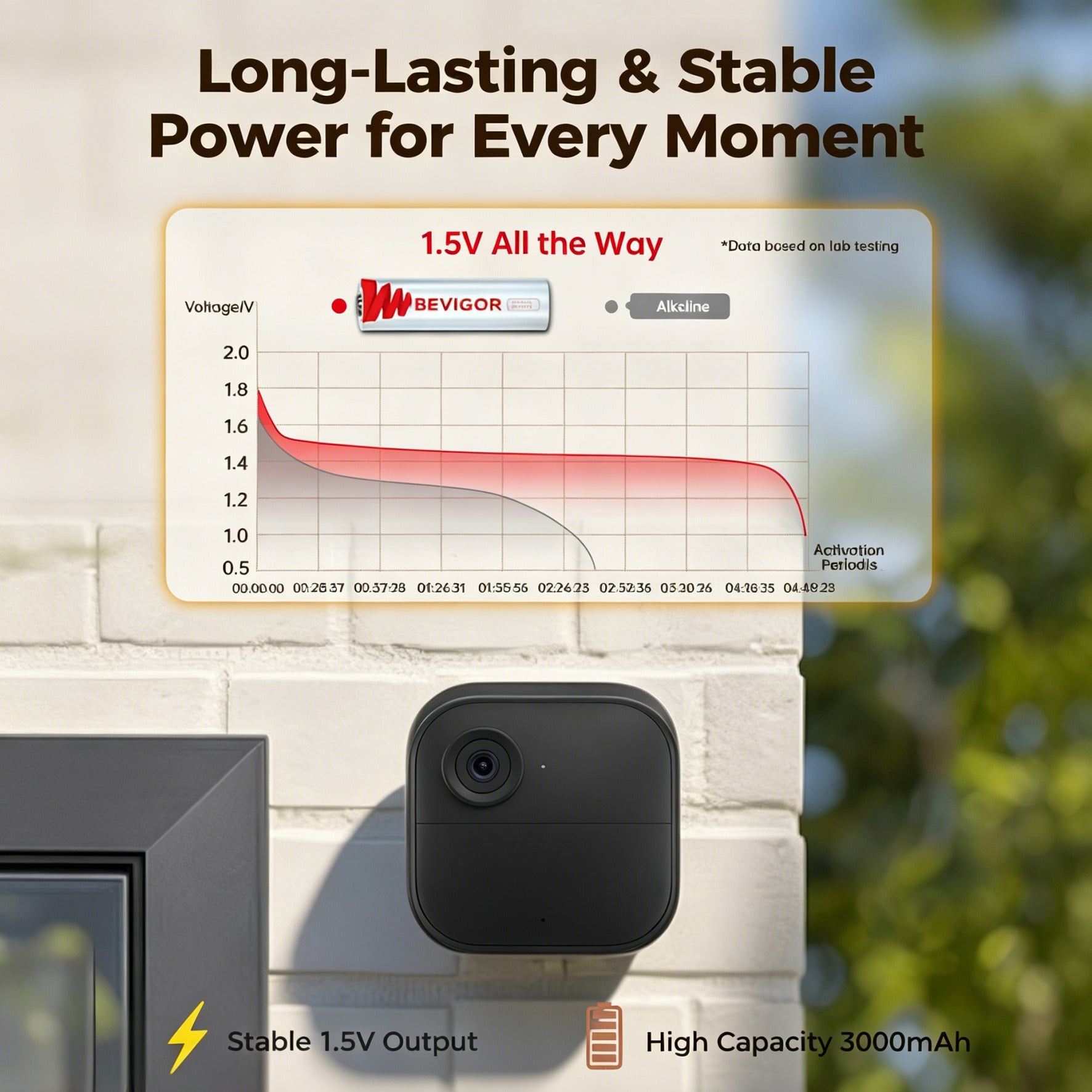
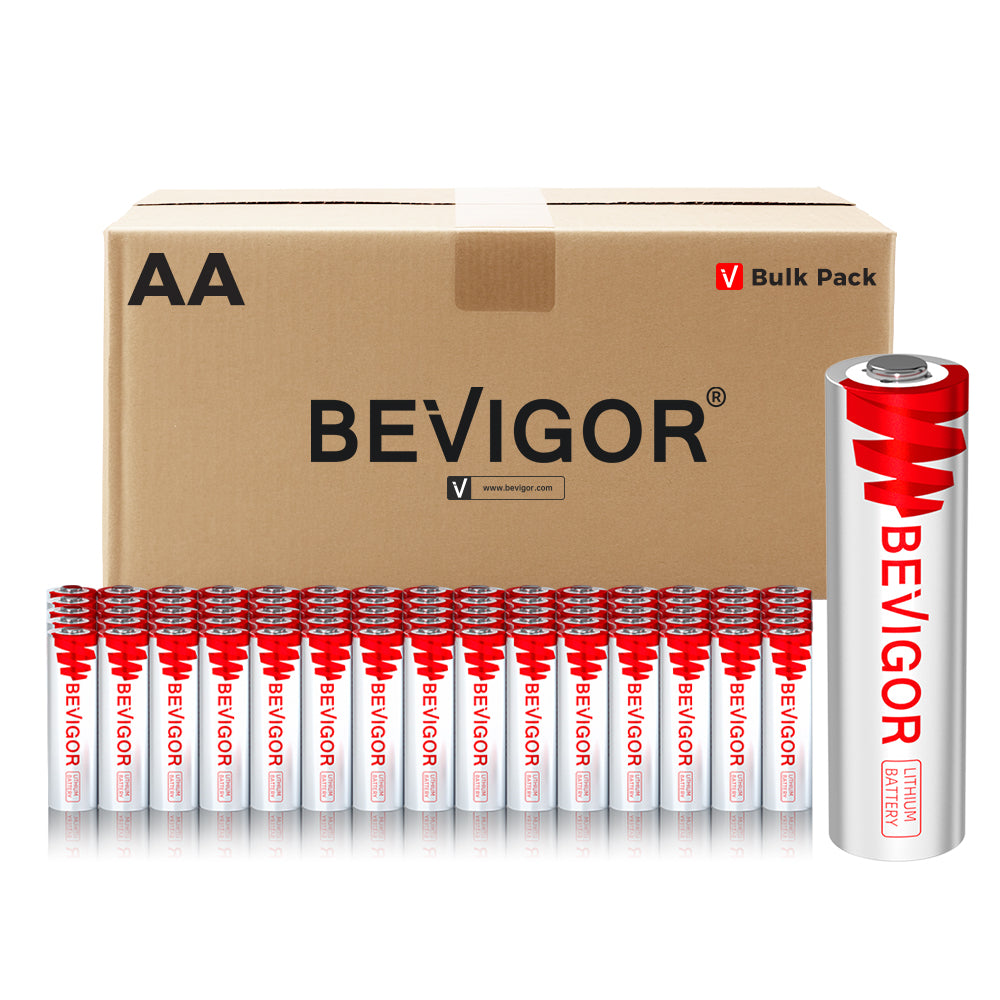
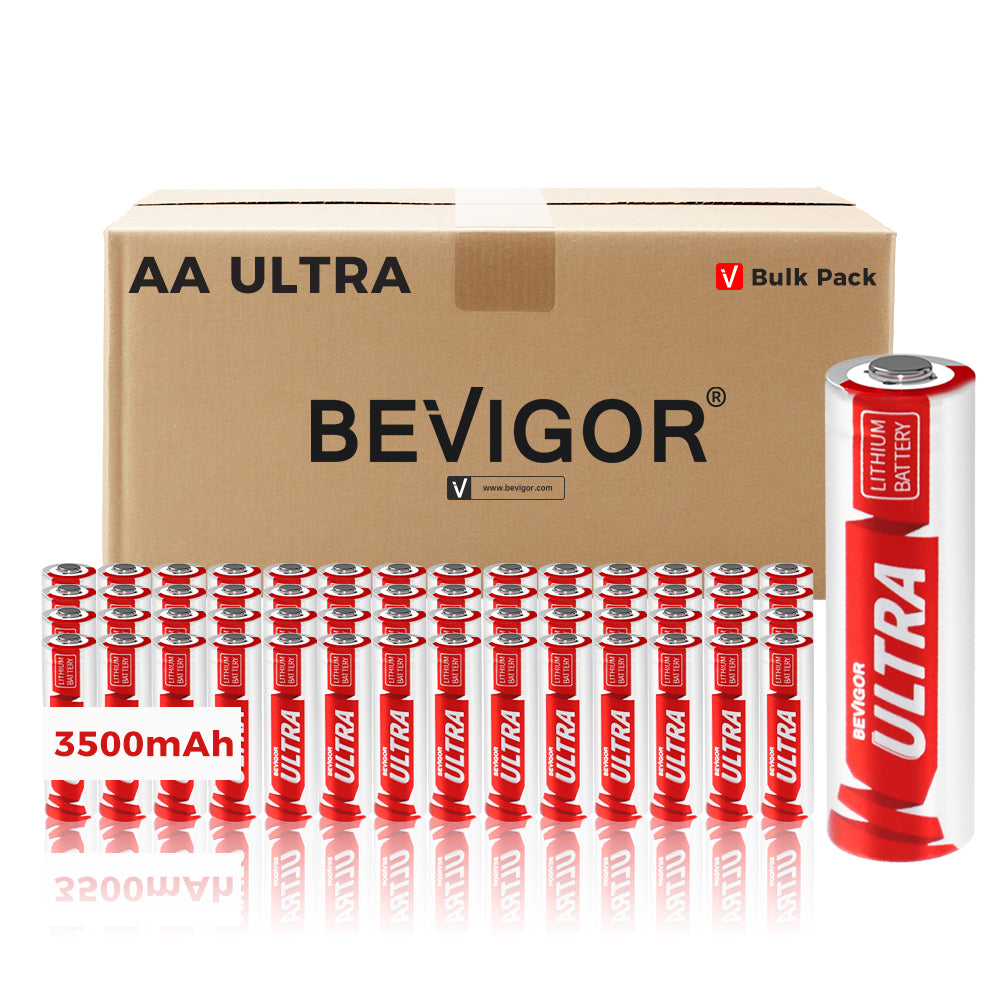
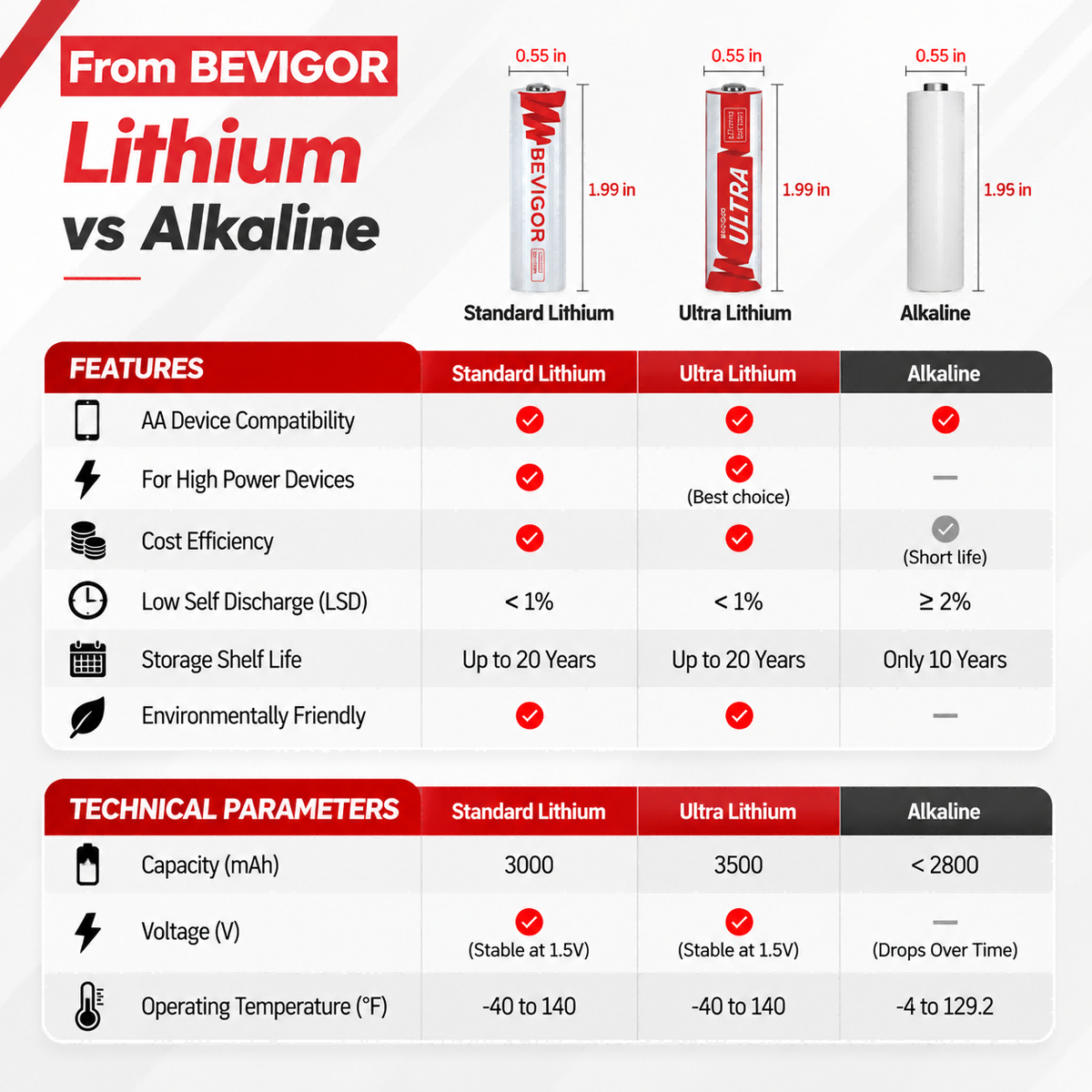
Everyday lithium batteries are the reliable, non-rechargeable ones you buy for devices like security cameras and smart locks. They use lithium-iron disulfide chemistry to give a steady, long-lasting 1.5-volt output in one safe use.
How Do Experimental Lithium Batteries Differ?
Experimental lithium batteries are different because they use pure lithium metal as the anode. Using raw lithium makes the battery lighter and allows it to store more energy in power cells made from a solid, conductive material. Solid-state batteries use solid electrolytes, which don't require a separate separator. That makes them safer because they are less prone to leakage from damage or swelling in hot temperatures.
How Do Next-Gen Lithium Batteries Differ from Today's Options?
The biggest difference is that next-gen lithium batteries are designed to be recharged safely many times, while today's lithium-metal batteries are made for single use and must be thrown away after they run out. This is because of differences in their chemistry and engineering. It leads to an important question: why have lithium batteries mostly been single-use until now?
Why Are Current Lithium Batteries Single-Use?
Current lithium batteries for consumers are made for one safe use because recharging them can damage their internal chemistry and make them unsafe. This design gives them a long shelf life and lets them work well in extreme temperatures, which is good for devices that need to stay powered for a long time.
What Makes R&D Lithium Batteries Rechargeable?
R&D lithium batteries are made to be rechargeable. They use special protective layers and solid electrolytes so lithium ions can move back and forth without damaging the pure lithium metal anode. The goal is to create a battery that can be charged hundreds of times without problems.
How Will New Lithium Batteries Improve Energy Density?
New lithium batteries can store more energy by fitting more reactive material into the same space. This big jump in capacity is important for powering electric vehicles over long distances on a single charge.
Making these new power sources is very hard because raw lithium metal is unstable and can react dangerously when charged and discharged many times. This shows why lithium-ion battery cycling is so complex and risky.
What Happens Inside Cycling Lithium Batteries?
In lithium-ion batteries, pure lithium metal can form tiny, needle-like structures called dendrites during charging. These can cause big safety problems because they might grow long enough to break through the battery's separator and cause a dangerous short circuit.
Why Are Interfaces in Lithium Batteries Challenging?
Interfaces in lithium batteries are difficult because the interface between the solid electrolyte and the lithium-metal anode is unstable. Many studies point to this interface as a major challenge. Research published by ACS (2020) notes that while lithium metal is seen as the "holy grail" for batteries, using it requires complex steps to stabilize the interface.
How Does Solid-State Tech Affect Lithium Batteries?
Solid-state technology helps lithium batteries by adding a strong barrier that should stop dangerous lithium dendrites from growing. But keeping perfect contact between the solid electrolyte and the changing lithium metal over many charge cycles is still a big engineering challenge.
How Should Consumers View The Future of Lithium Batteries?
Consumers can look forward to these new power sources, but should remember that next-generation lithium-metal batteries are different from the AA lithium batteries you use at home today.
Why Wait for Next-Gen Lithium Batteries?
If you want big improvements in electric vehicle range or phones that only need charging once a week, it's worth waiting for next-gen lithium batteries. But these new batteries are still years away from being small and affordable enough for everyday items like TV remotes and flashlights.
What Lithium Batteries Are Best Right Now?
The best lithium batteries for now are the ones you can buy that are made for your devices. For home-use batteries, you usually choose between reliable lithium-metal primary batteries and standard lithium-ion rechargeable ones.
Where Can You Find Reliable Lithium Batteries Today?
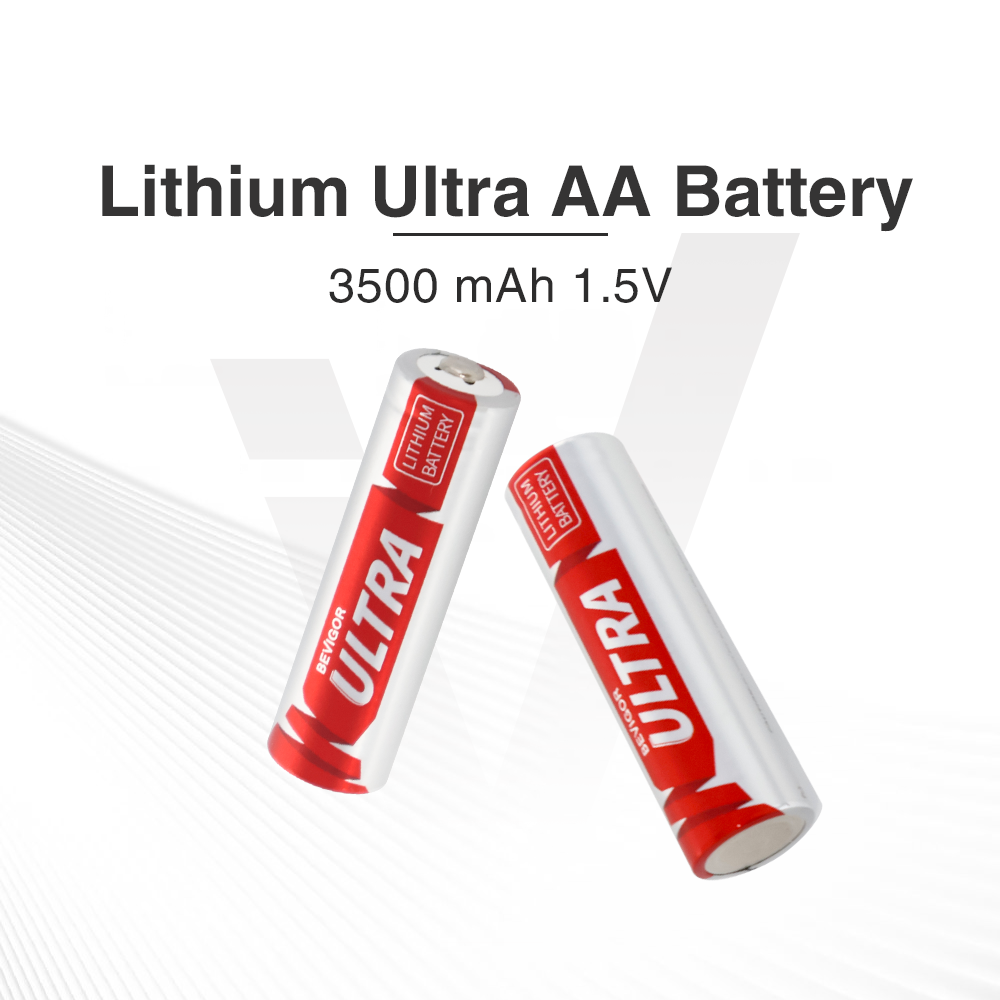
You can find reliable lithium batteries today from companies that make high-capacity, tough primary cells for smart home and security devices. While next-generation rechargeable batteries are exciting, your household devices need dependable power now.
To stay tuned with up-to-date battery news, check out Bevigor's blog and subscribe to our newsletter!






Share:
How to Choose A Battery Charger For Lithium‑Ion Battery Cells
Why You Should Choose A Lithium Metal Battery For Summer Hiking