

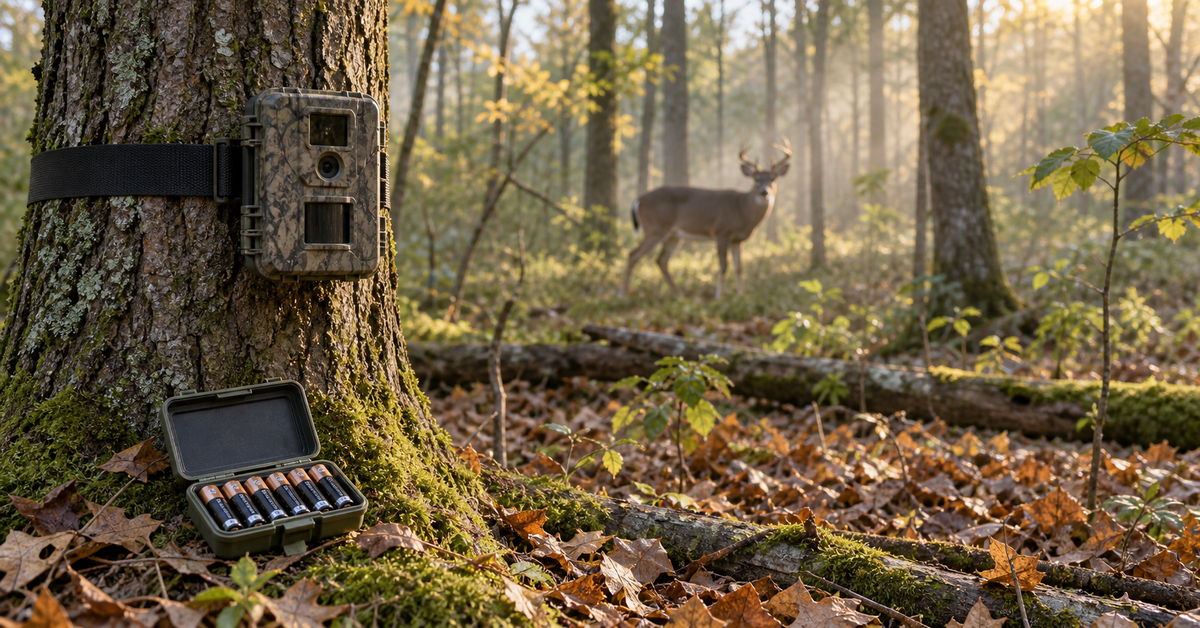
Trail camera battery life can range from weeks to many months, but there is no reliable universal number. Runtime depends on the camera model, battery chemistry, temperature, capture settings, nighttime flash use, activity level, and—on cellular cameras—signal strength and upload frequency. The most useful estimate is the one based on your own camera’s field data.
This guide explains what changes battery life, how to compare common power options, and how to estimate when your camera will need attention without treating a manufacturer’s best-case number as a guarantee.
What Determines Trail Camera Battery Life?
A trail camera spends much of its time waiting for motion, but every detection starts a chain of power-consuming tasks. The sensor wakes the camera, the camera captures an image or video, and the infrared flash may activate at night. A cellular model may then connect to a network and transmit the file.
Because those events vary by location, two identical cameras with the same batteries can deliver very different runtimes. A camera watching a quiet trail may take only a few photos per day. The same model aimed at a feeder, moving branches, or a busy driveway may trigger hundreds of times.
Capture frequency and false triggers
More captures usually mean more battery drain. Grass, branches, direct sunlight, and a poorly aimed motion sensor can create unnecessary triggers. Review the images during each visit. If many frames contain no useful subject, adjust the camera angle or sensitivity according to the camera manual.
Photos, bursts, and video
Video generally requires more energy than a single photo because the camera remains active longer. Multi-shot bursts also increase the number of files recorded after each detection. SPYPOINT notes that burst settings, photo delay, and image quality affect battery use. Longer video clips and frequent nighttime recordings can shorten service intervals further.
Nighttime flash
Infrared LEDs draw additional power. A location with heavy nighttime activity may therefore consume batteries faster than a location with the same number of daytime captures. Flash mode and intensity can also change the result, so use the settings recommended for the exact camera rather than applying one rule to every model.
Cold weather
Cold conditions reduce the usable energy that a camera can draw from a battery. The effect varies with chemistry, camera design, and temperature. Some camera manufacturers recommend lithium AA or specific rechargeable packs for cold-weather operation, but compatibility is model-specific. Check the manual before changing battery chemistry.
Cellular signal and upload schedule
Cellular trail cameras use energy to connect and transmit files. Weak coverage can require repeated connection attempts, while frequent uploads keep the radio active more often. If the camera allows scheduled transfers, reducing the sync frequency may extend runtime. Confirm that the change still meets your monitoring needs.
How Long Do Trail Camera Batteries Last?
Published estimates should be treated as planning ranges, not promises. Browning Trail Cameras explains that battery life is difficult to predict because capture volume, photo or video mode, flash use, camera settings, temperature, and battery type all affect the result.
Instead of asking only how many months a battery should last, track three numbers:
- Days in service: the number of days since the batteries were installed.
- Total captures: the photos and videos recorded during that period.
- Operating conditions: temperature, cellular signal, upload schedule, flash use, and any setting changes.
After two or three battery cycles, those records provide a much better replacement schedule for your site than a generic month-based claim. Replace or recharge the power source before a critical monitoring period if its recent performance suggests it may not last until the next visit.
Alkaline, Lithium AA, or NiMH?
The correct choice begins with the camera manual. Do not assume every AA-size battery is interchangeable: voltage, chemistry, discharge behavior, and the camera’s battery gauge can differ.
Alkaline AA batteries
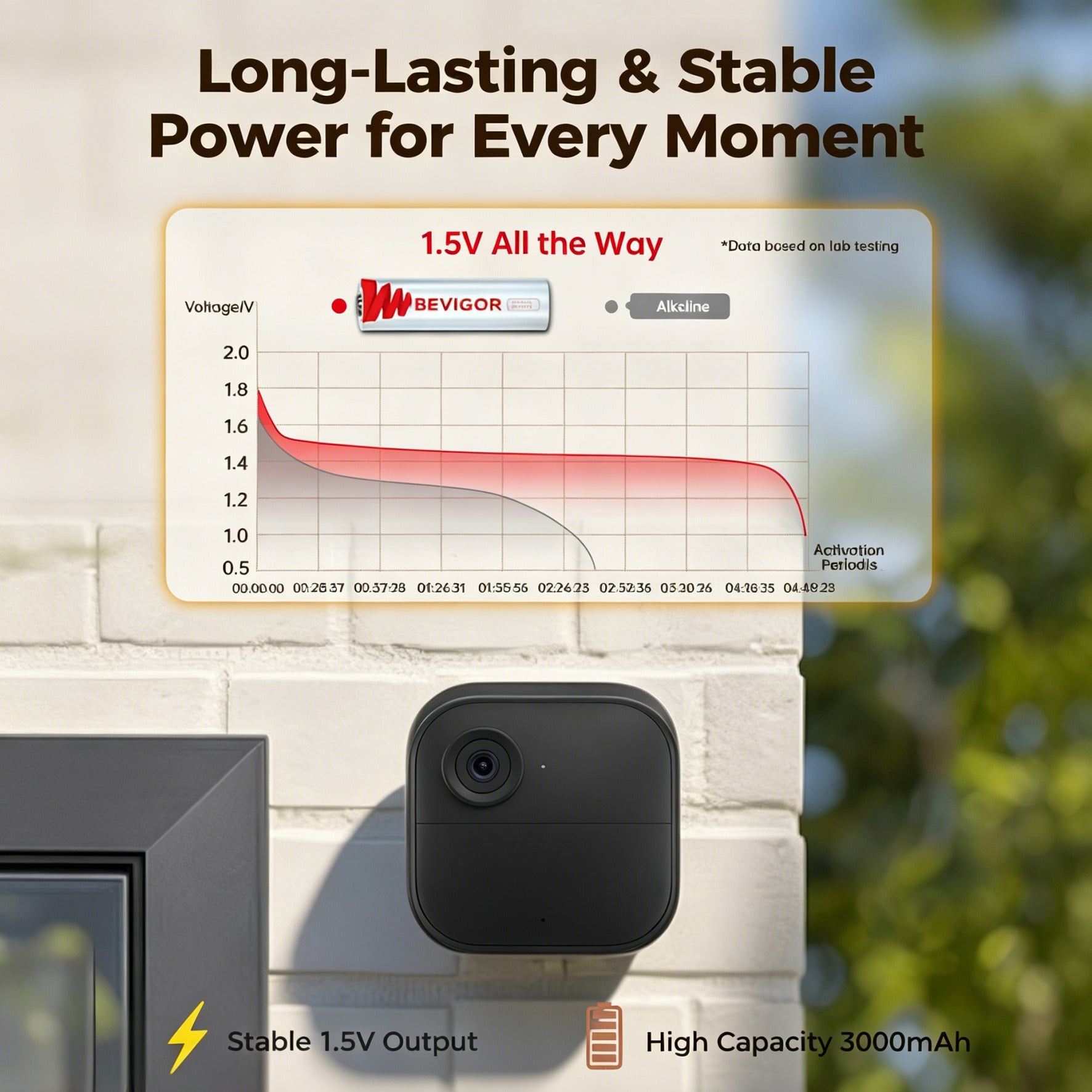
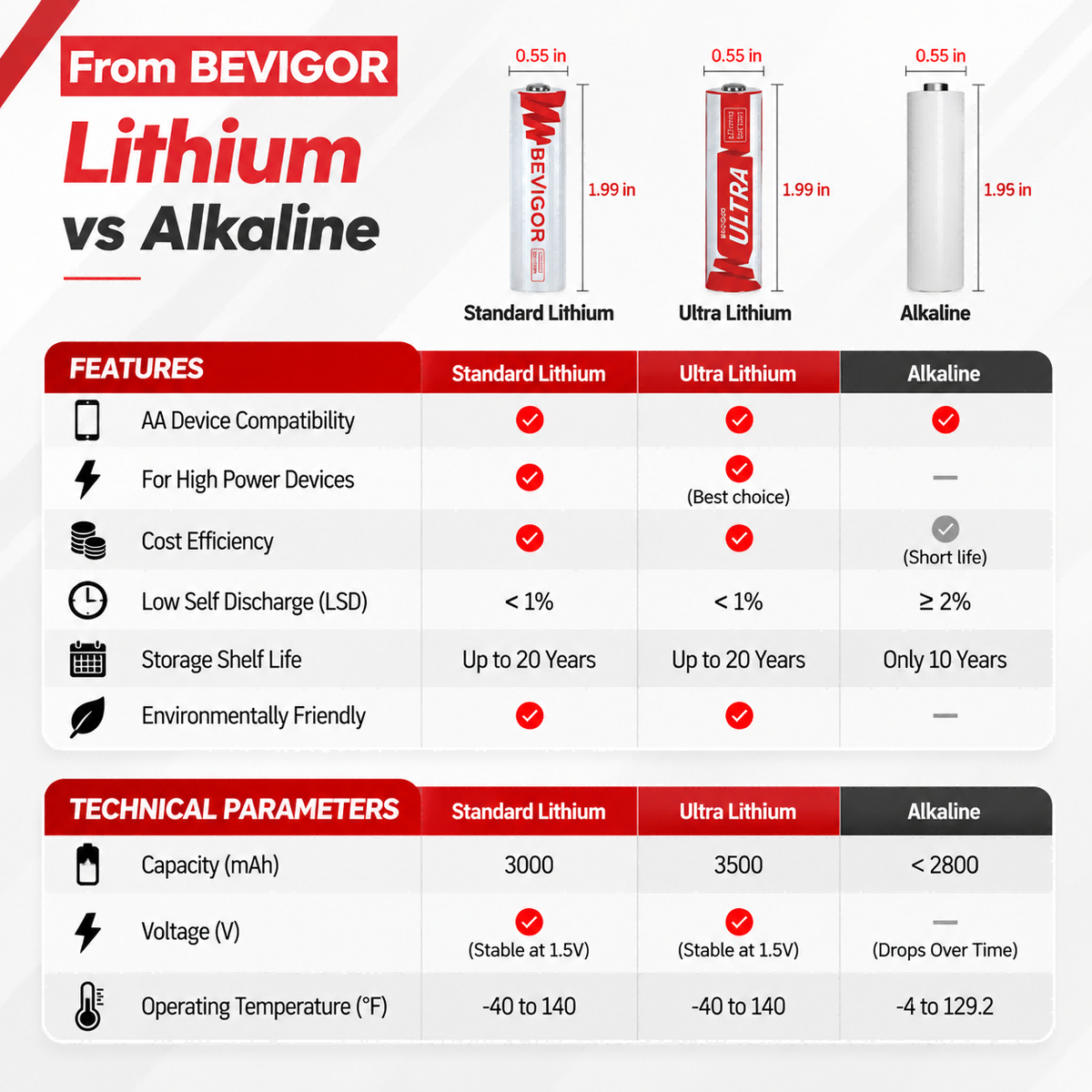
Alkaline batteries are widely available and may be suitable for compatible cameras in moderate conditions. Their usable voltage can decline progressively during discharge, and cold weather or high-power events such as nighttime flash may reduce practical runtime. They can be a reasonable option when the camera is easy to visit and frequent replacement is acceptable.
Primary lithium AA batteries
Primary lithium AA batteries are single-use batteries, not rechargeable lithium-ion cells. In a camera that permits them, their discharge characteristics and cold-weather performance can make them useful for remote sites or long service intervals. Actual runtime still depends on the camera and workload.
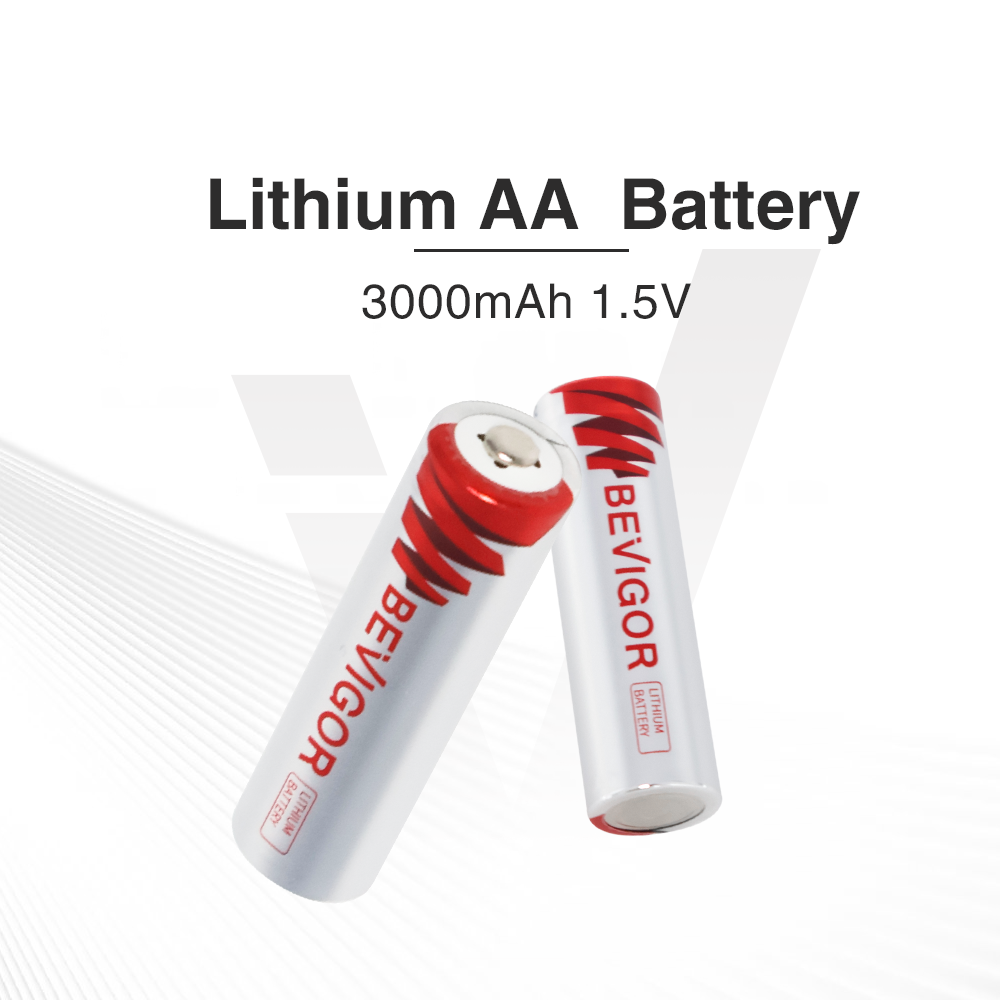
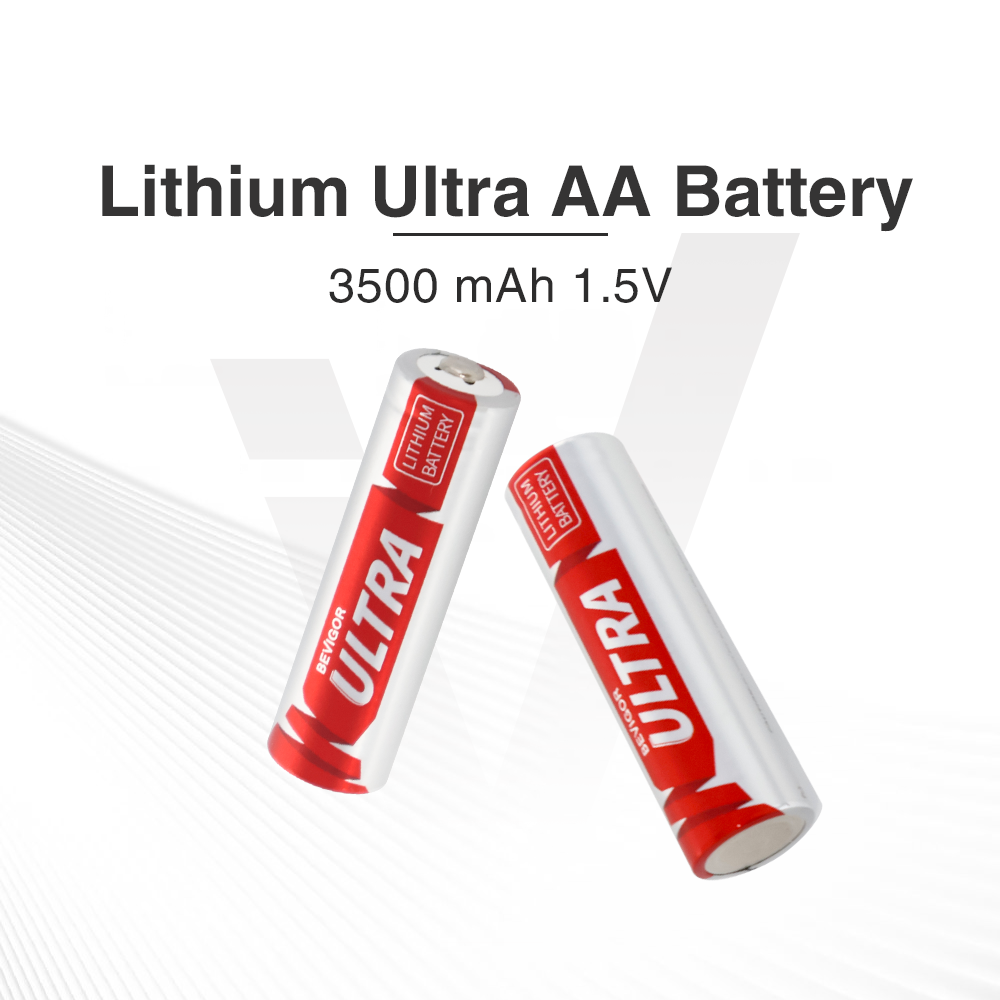
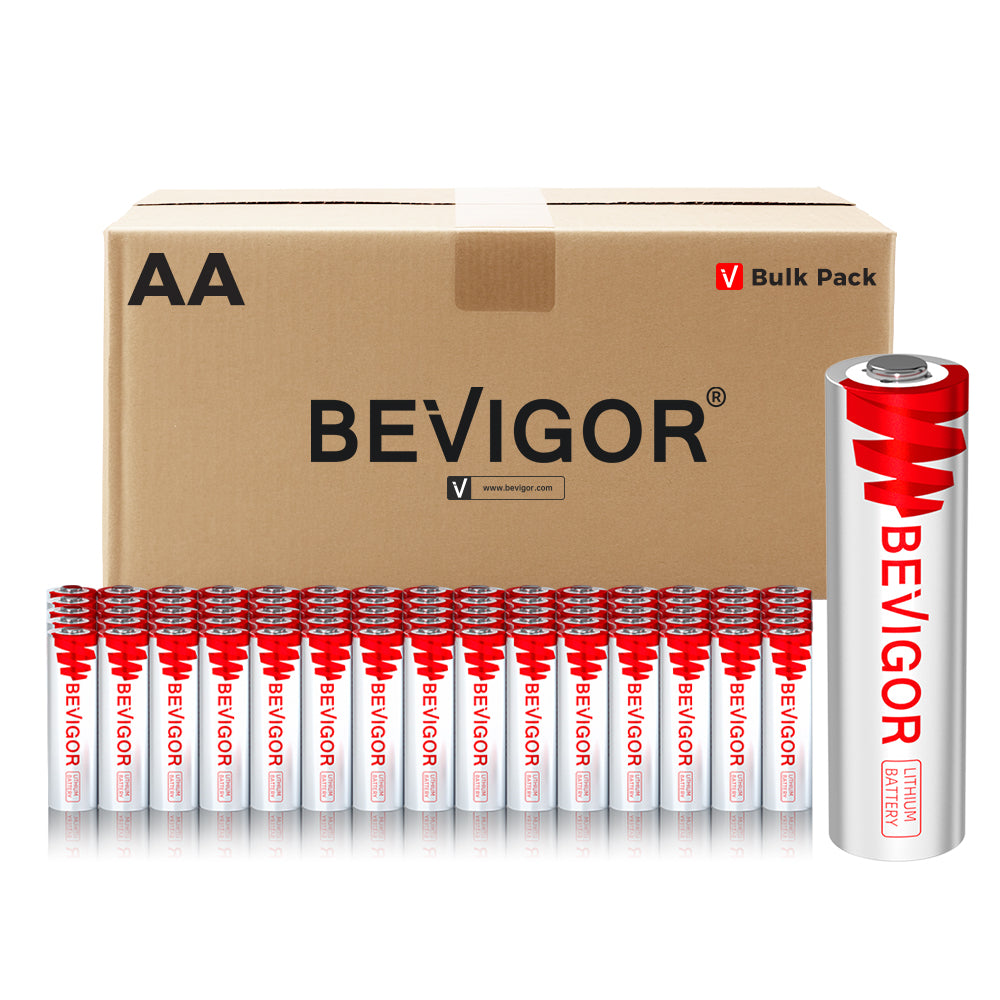
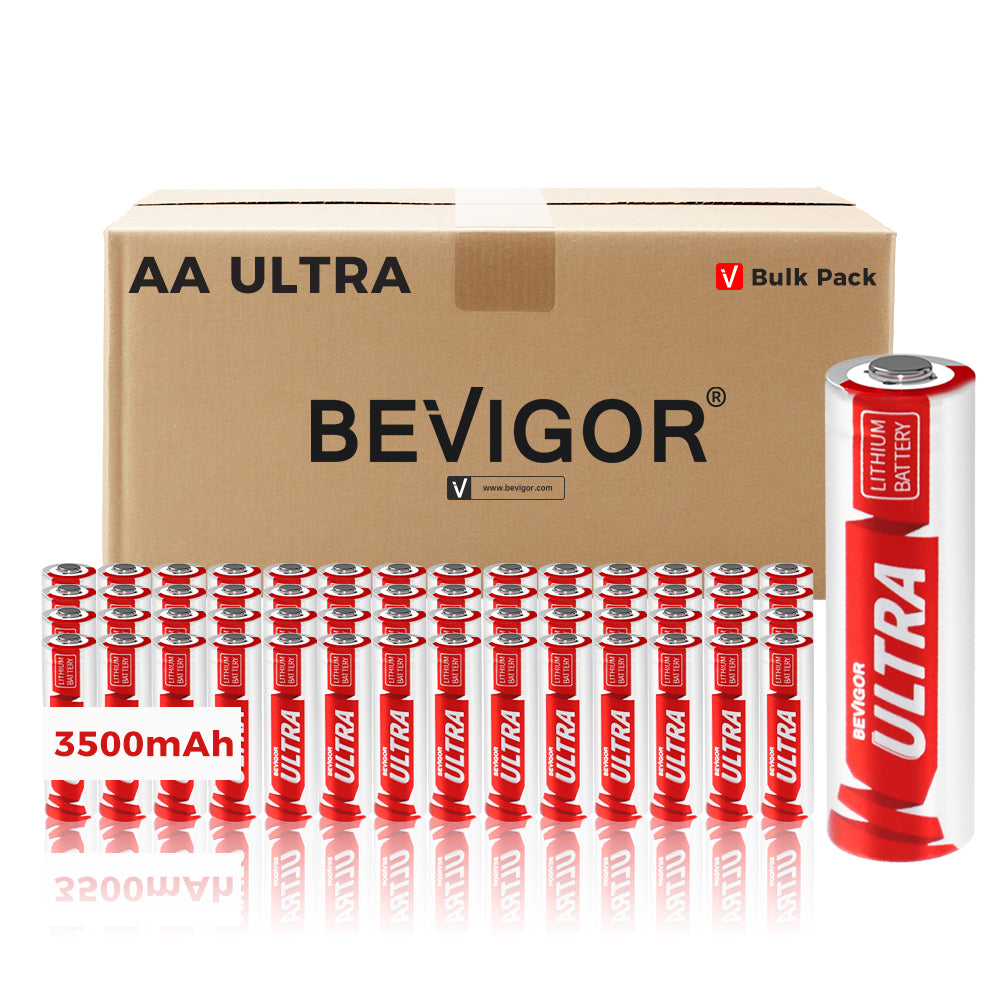
BEVIGOR offers 3000mAh lithium AA batteries for compatible 1.5-volt AA devices. Verify the required chemistry and voltage in your trail camera manual before purchase or installation. Never recharge a primary lithium AA battery.
Rechargeable NiMH AA batteries
NiMH batteries can reduce the number of disposable cells used over repeated cycles, but many have a nominal voltage of 1.2 volts. Some trail cameras support them; others may show an inaccurate battery level or deliver reduced nighttime performance. Use NiMH only when the manufacturer permits it, and charge the cells with a charger designed for that chemistry.
External packs and solar systems
An external battery pack can increase available energy, while a compatible solar system may reduce service visits by replenishing its rechargeable storage battery. Neither option is automatically compatible with every camera. Connector polarity, voltage, cable condition, weather sealing, panel exposure, and the camera’s power design all matter.
For a setup-level comparison, see our trail camera battery pack vs. AA battery guide. If you are considering solar power, use the trail camera solar panel reliability checklist before relying on it through hunting season.
How to Extend Trail Camera Battery Life
- Start with the manual. Use only an approved battery chemistry, voltage, and external power source.
- Reduce false triggers. Clear moving vegetation from the detection zone and avoid aiming the sensor at heat-reflective surfaces or direct sunrise and sunset when possible.
- Use the shortest useful video length. Long clips keep the camera and infrared system active longer.
- Limit unnecessary bursts. Choose the number of images per trigger that fits the monitoring objective.
- Increase the trigger delay when appropriate. At a feeder or other high-activity site, a longer delay can prevent hundreds of nearly identical captures.
- Adjust cellular uploads. Where the camera supports it, batch uploads instead of transmitting every image immediately.
- Check signal before mounting. Repeated network connection attempts can waste power.
- Install a matched set. Follow the camera and battery manufacturers’ directions; do not mix old and new cells or different chemistries.
- Test before leaving the site. Confirm detection, nighttime capture, storage, and cellular transmission where applicable.
How to Diagnose Short Battery Life
If runtime suddenly drops, do not assume the batteries are defective. Compare the current period with the previous one:
- Did capture volume increase?
- Were more captures taken at night?
- Did you change from photos to video or increase clip length?
- Did cellular signal weaken or upload frequency increase?
- Did temperatures fall?
- Are contacts dirty, corroded, or failing to hold the cells firmly?
- Was a mixed or partially used battery set installed?
Check the camera’s firmware and manufacturer troubleshooting guidance as well. If the camera becomes hot, the battery compartment is damaged, or a cell leaks, swells, or shows physical damage, stop using the equipment and follow the manufacturer’s safety instructions.
Battery Storage and Disposal
Keep unused batteries in their original packaging in a dry location away from heat, metal objects, children, and pets. Do not mix loose batteries with keys, tools, or other conductive items. Never attempt to charge a battery labeled non-rechargeable.
End-of-life requirements depend on battery chemistry and local rules. The US Environmental Protection Agency’s household battery guidance recommends checking the label to identify the chemistry and using appropriate recycling or local waste-management options. The EPA specifically advises against placing single-use lithium batteries in household trash or municipal recycling bins.
Frequently Asked Questions
What is a normal trail camera battery life?
There is no single normal runtime. A low-activity photo camera in mild weather may operate far longer than a cellular camera recording frequent nighttime videos. Use the manufacturer’s estimate only as a reference and build a replacement schedule from your camera’s capture count and field conditions.
Why is my trail camera draining batteries so fast?
Common causes include false triggers, video mode, long clips, frequent bursts, heavy infrared flash use, cold weather, weak cellular signal, frequent uploads, mixed batteries, or poor electrical contact. Compare settings and capture volume with the previous battery cycle.
Do lithium AA batteries last longer in trail cameras?
They may provide longer practical service in some compatible cameras, especially where cold temperatures or high-power events challenge alkaline cells. That is not universal. Check whether the camera manufacturer approves 1.5-volt primary lithium AA batteries and evaluate performance at your site.
Can I use rechargeable AA batteries in a trail camera?
Only if the camera manufacturer permits the specific chemistry. NiMH cells commonly have a nominal voltage of 1.2 volts, which may affect some cameras and battery-level indicators. Never recharge primary lithium or alkaline batteries.
Does a solar panel charge the AA batteries inside a trail camera?
Not necessarily. Many systems use the panel to charge a separate rechargeable battery pack rather than the camera’s internal AA cells. Confirm the power path, voltage, connector, and approved accessories in the camera documentation.
The Practical Bottom Line
Trail camera battery life is a result, not a fixed specification. Battery chemistry matters, but capture volume, flash, video, temperature, cellular coverage, and settings can matter just as much. Start with the camera manual, measure performance at the actual site, and plan replacement visits around your own data. That approach is more dependable than expecting every battery set to last a stated number of months.






Share:
Lithium Batteries on Airplanes: What Happens in Checked Luggage?
The Ultimate Guide to 1.5 Volt Batteries | Lithium AA & AAA