

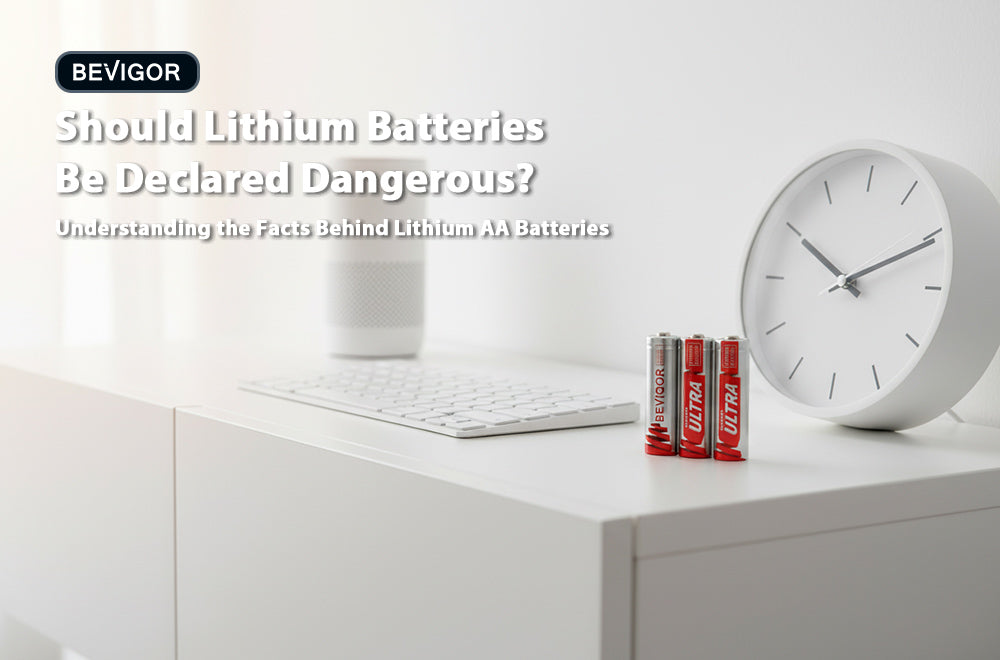
Have you ever had a package delayed or confiscated simply because it contained a few spare camera batteries? Shipping modern power cells is getting incredibly strict.
We will clarify transportation regulations, travel restrictions, and core chemistry to help you manage lithium aa batteries safely.

The Chemistry Inside Lithium AA Batteries
What makes a tiny metal cylinder capable of powering a heavy-duty flash for thousands of photos? It comes down to energy density. Traditional alkaline cells use a water-based electrolyte, which is relatively benign but severely limits how much power can be drawn at once. In contrast, advanced chemical formulations, like lithium iron disulfide, pack a massive amount of potential energy into that exact same physical space.
This high energy density is exactly why regulatory bodies pay so much attention to them. When energy is released slowly and steadily inside a device, it is incredibly efficient. However, if that casing is breached, all that stored energy attempts to escape simultaneously. This rapid, uncontrolled release generates extreme heat. According to federal aviation guidelines on hazardous materials, preventing this rapid discharge during commercial transit is the primary reason behind strict shipping classifications.
How Shipping Rules Impact Lithium AA Batteries
If you try to mail a bulk box of batteries to a friend across the country, you might be surprised by the post office clerk's reaction. The transportation industry categorizes primary (non-rechargeable) lithium cells under specific hazardous material codes. This strict categorization exists primarily because cargo planes cannot easily extinguish chemical fires at 30,000 feet in an unmonitored cargo hold.
When you purchase high-capacity power options online, retailers must adhere to rigid packaging standards. Ground shipping is generally less restricted, which is why your e-commerce orders often arrive via standard delivery trucks rather than overnight air freight. If air transport is absolutely required by the logistics carrier, the packages must carry specific hazard warning labels and cannot exceed strict weight limitations per box. This careful spacing ensures that if a single box is compromised, the risk remains completely contained.
Packing Lithium AA Batteries for Air Travel
Passenger travel involves an entirely different set of rules compared to commercial freight. If you are packing for a photography trip or a backcountry hike, you must keep loose, uninstalled cells in your carry-on baggage. They are strictly prohibited in checked luggage under the airplane.
Why does this rule exist? Because the passenger cabin of an airplane is pressurized and continuously monitored by the flight crew. If a cell begins to overheat in the overhead bin, flight attendants have specialized fire-containment bags ready to neutralize the threat immediately. In the inaccessible belly of the plane, a similar overheating event could be disastrous. To prevent short circuits in your backpack, always leave the cells in their original retail packaging or place each one in an individual plastic bag.
Understanding Thermal Runaway Risks
The term "thermal runaway" sounds intimidating, and it is the core reason behind the "dangerous goods" label. This phenomenon occurs when an internal short circuit generates enough heat to trigger a volatile chemical reaction. That reaction then generates even more heat in an unstoppable, cascading loop.
Inside the casing, a microscopic polymer separator keeps the positive and negative reactive materials apart. If a heavy impact crushes the outer shell, this delicate membrane tears. Fortunately, standard consumer cylindrical formats are engineered with built-in safety vents near the positive terminal. If the internal pressure builds up due to a short circuit or extreme external heat, these tiny vents break open. This controlled failure releases the gas safely before the metal casing can explode. While venting will permanently ruin the cell, it prevents a much more violent physical rupture.
Proper Storage and Usage of Lithium AA Batteries
Preventing accidents starts at home, long before a battery ever sees the inside of a shipping box or an airplane cabin. The biggest physical threat to your spare power cells is not heat or age; it is the loose change and keys jingling at the bottom of your junk drawer.
If a metal house key bridges the gap between the positive and negative terminals of a battery, it creates an instant, unintended circuit. The battery will discharge its energy directly into the key, heating up rapidly. Whether you are storing standard sizes or smaller formats for your household remotes, always use a dedicated plastic storage caddy. Keeping the terminals physically isolated from conductive metals completely eliminates accidental discharge risks. High humidity environments can also accelerate the degradation of the metallic contacts, so a sealed plastic organizer serves as both a physical and environmental barrier.
Frequently Asked Questions
Do courier services charge extra fees for shipping these items?
Yes, depending on the volume and the route. Shipping a consumer device with the battery safely installed inside is usually charged at standard rates. However, shipping boxes of standalone cells often incurs a hazardous materials surcharge because the package requires specialized handling and specific ground-only carrier networks.
What happens if a cell is accidentally crushed or punctured by a tool?
Physical deformation breaks the internal separator membrane. This mixes the reactive chemicals instantly, leading to rapid sparking, intense heat, and potentially a localized fire. You should never try to force a visibly dented or warped cell into a device.
Can extreme summer heat inside a parked car cause a dangerous reaction?
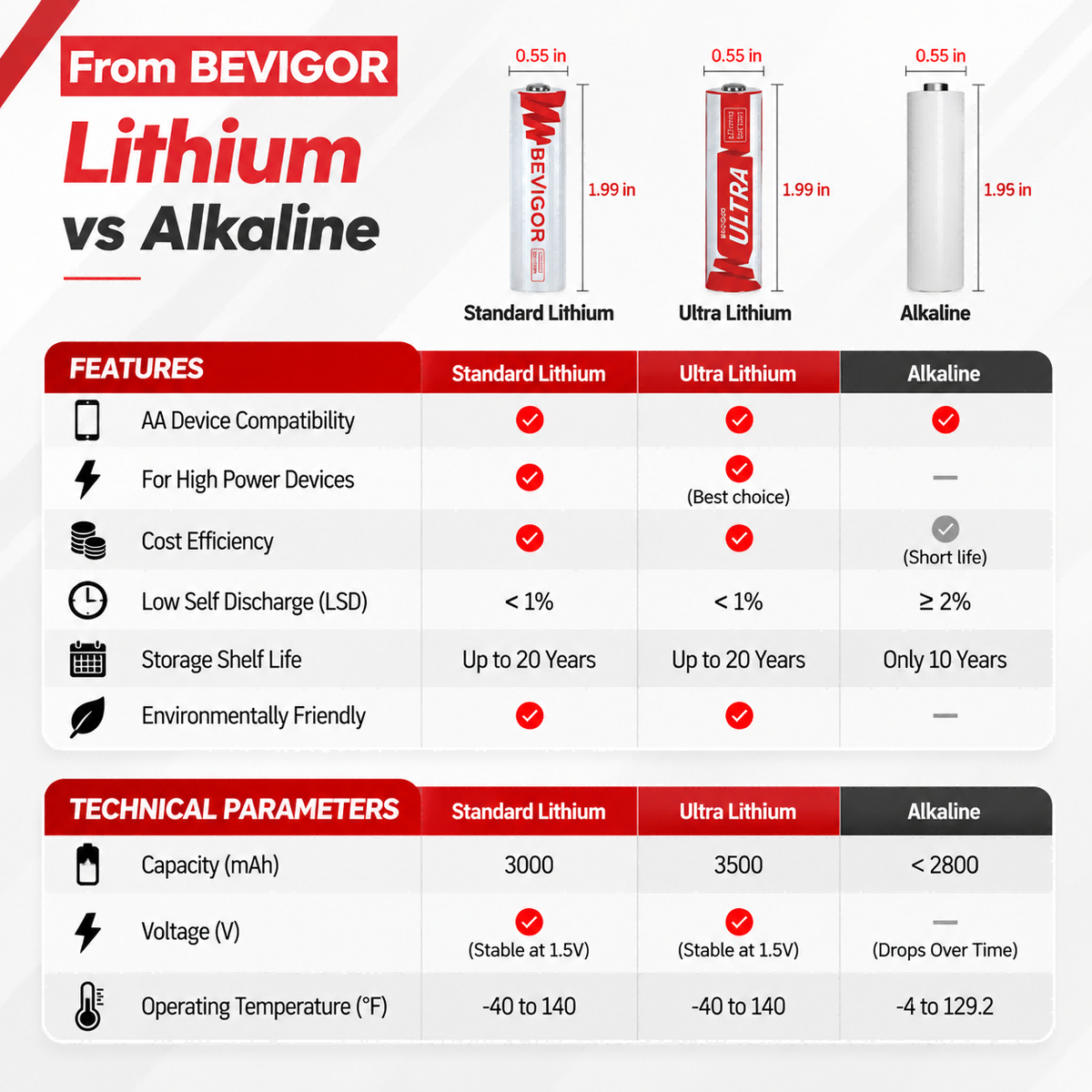
While these cells are rated to withstand significantly higher temperatures than standard alkaline, the dashboard of a parked car in direct sunlight can easily exceed 140°F (60°C). Prolonged exposure to this extreme heat degrades the internal chemistry and increases the risk of venting.
When evaluating the logistics rules, are lithium aa batteries safe for everyday household use?
Absolutely. When used exactly as intended inside consumer electronics—and kept away from physical damage or intentional short circuits—they are incredibly stable. The "dangerous" classification applies primarily to the logistical risks of bulk transportation and aviation, not typical home use.
Is there a difference in shipping regulations between primary and rechargeable types?
Yes. Primary (single-use) lithium metal cells and rechargeable lithium-ion cells fall under different UN shipping codes. Because rechargeable chemistries are more volatile and prone to degradation over repeated charge cycles, they face even tighter passenger airline and freight freight restrictions.
Essential Usage and Safety Guidelines for Lithium AA Batteries
Navigating the world of high-density power requires a baseline understanding of device limitations and safe handling protocols. Here is the deal: keeping a few ground rules in mind prevents almost all common mishaps.
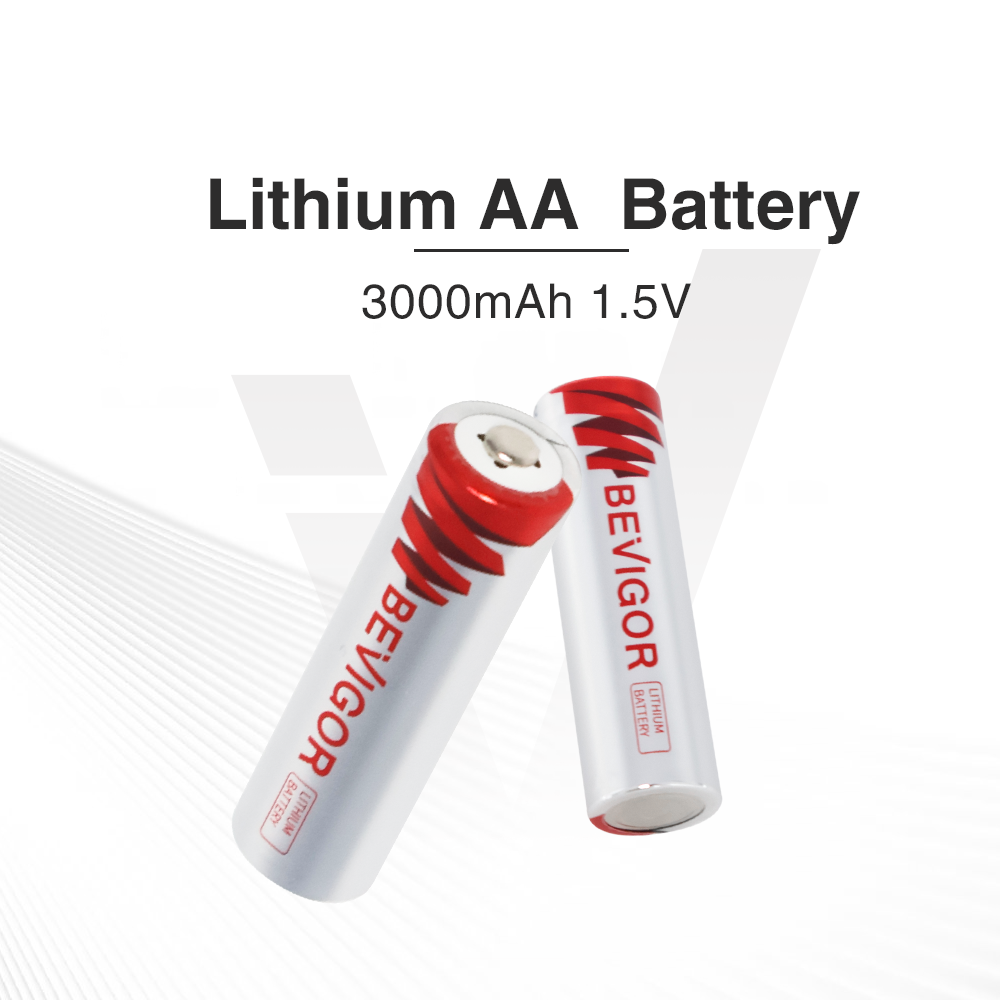
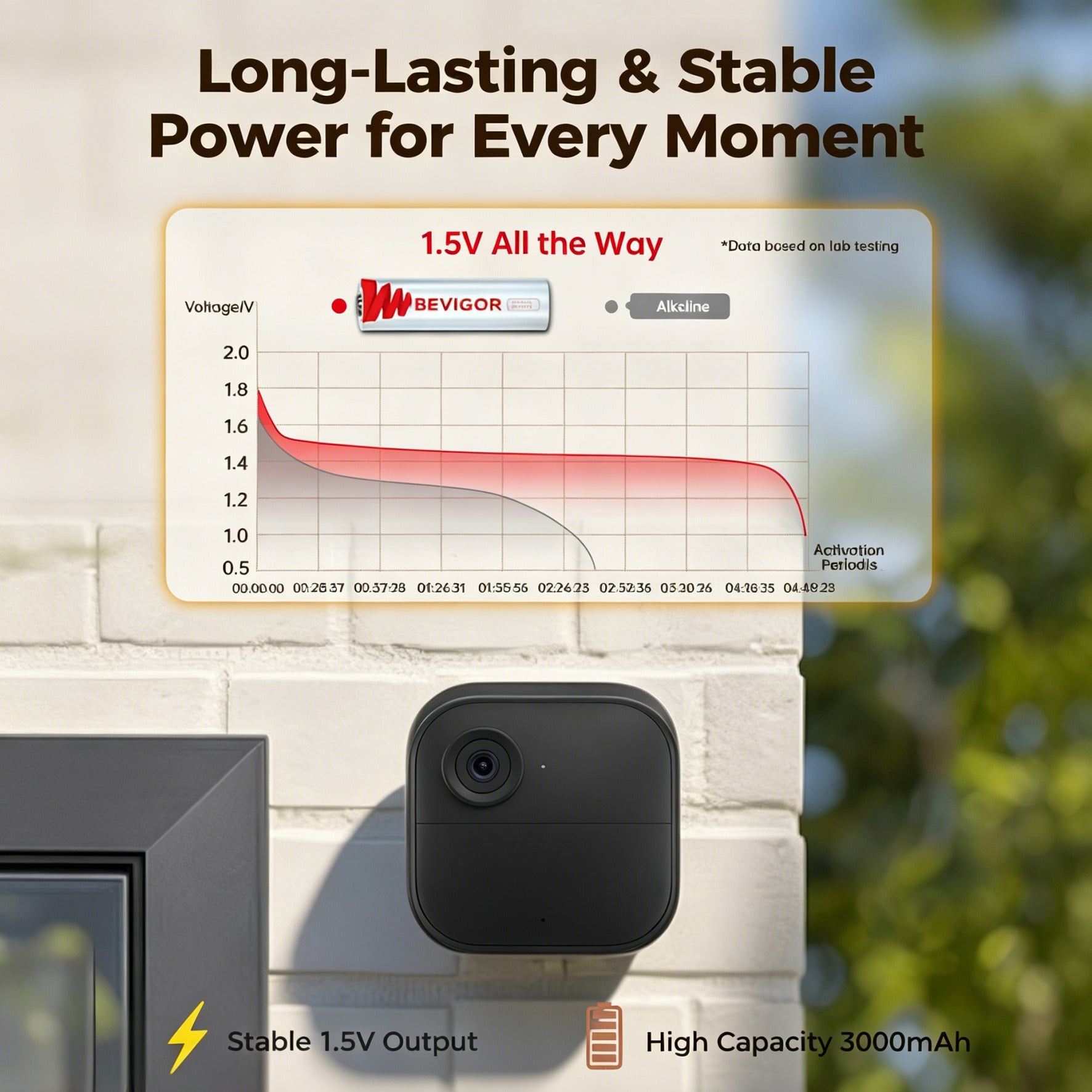
- Manufacturer Specifications: All capacity (mAh) and voltage ratings are based on official specifications by Bevigor under controlled laboratory testing conditions. Your actual runtime will always vary depending on the specific device.
- Performance Variables: Extreme cold weather, poor cellular signal (which forces trail cameras to search harder), and high-frequency sensor triggers will significantly reduce your expected lifespan, regardless of the chemistry.
- Usage Taboos: Never mix old and new cells in the same device. Furthermore, do not mix different chemical structures (like putting an alkaline and a lithium cell together). The stronger cell will attempt to charge the weaker one, leading to chemical leaks and overheating.
- Responsible Disposal: Do not throw depleted reactive cells into your standard household trash. The heavy compactor trucks can crush them and start fires. Always take your bulk household power supplies to designated local electronic waste recycling facilities to ensure the metals are reclaimed properly.






Share:
Best AA Lithium Batteries for Blink Camera: Your Complete 2026 Guide
How Long Does a Lithium Coin Cell Battery Last? Complete Guide