

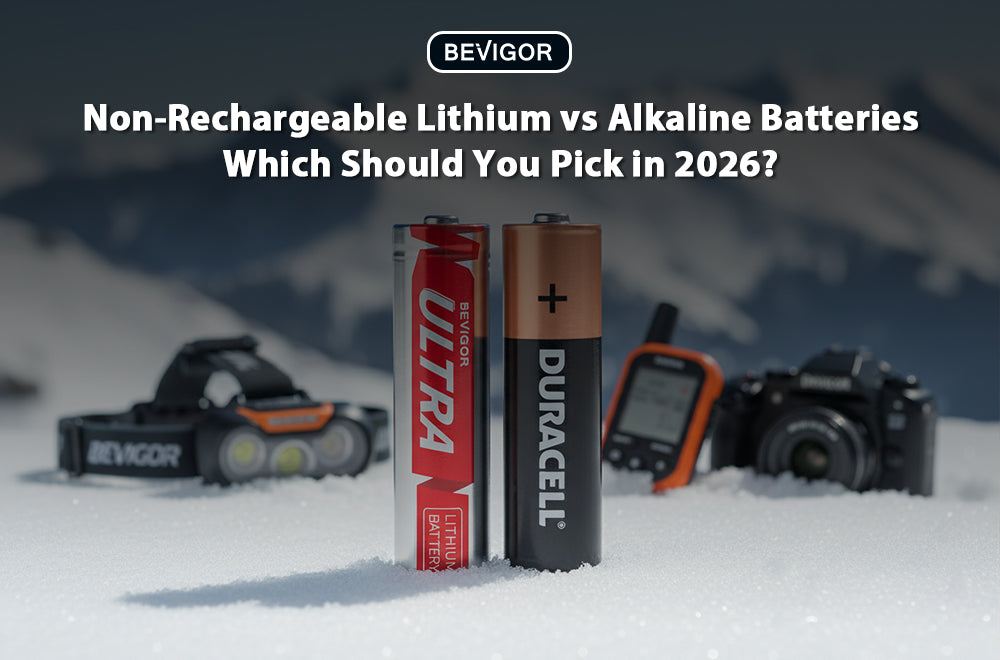
If you're shopping for double A batteries for sale in the U.S., you're likely asking one of these questions:
-
Do lithium AA batteries really last longer?
-
Are they better for Blink cameras?
-
Is alkaline still good enough?
-
Are lithium batteries worth the higher price?
In 2026, with smart homes, outdoor security systems, and wireless electronics becoming standard in American households, battery choice directly affects performance, maintenance, and long-term cost.
This guide breaks it down clearly.
What’s the Difference Between Lithium AA and Alkaline AA Batteries?
Both are standard AA size. The difference is chemistry — and that chemistry affects performance.
Lithium AA Batteries
Non-rechargeable lithium AA batteries:
-
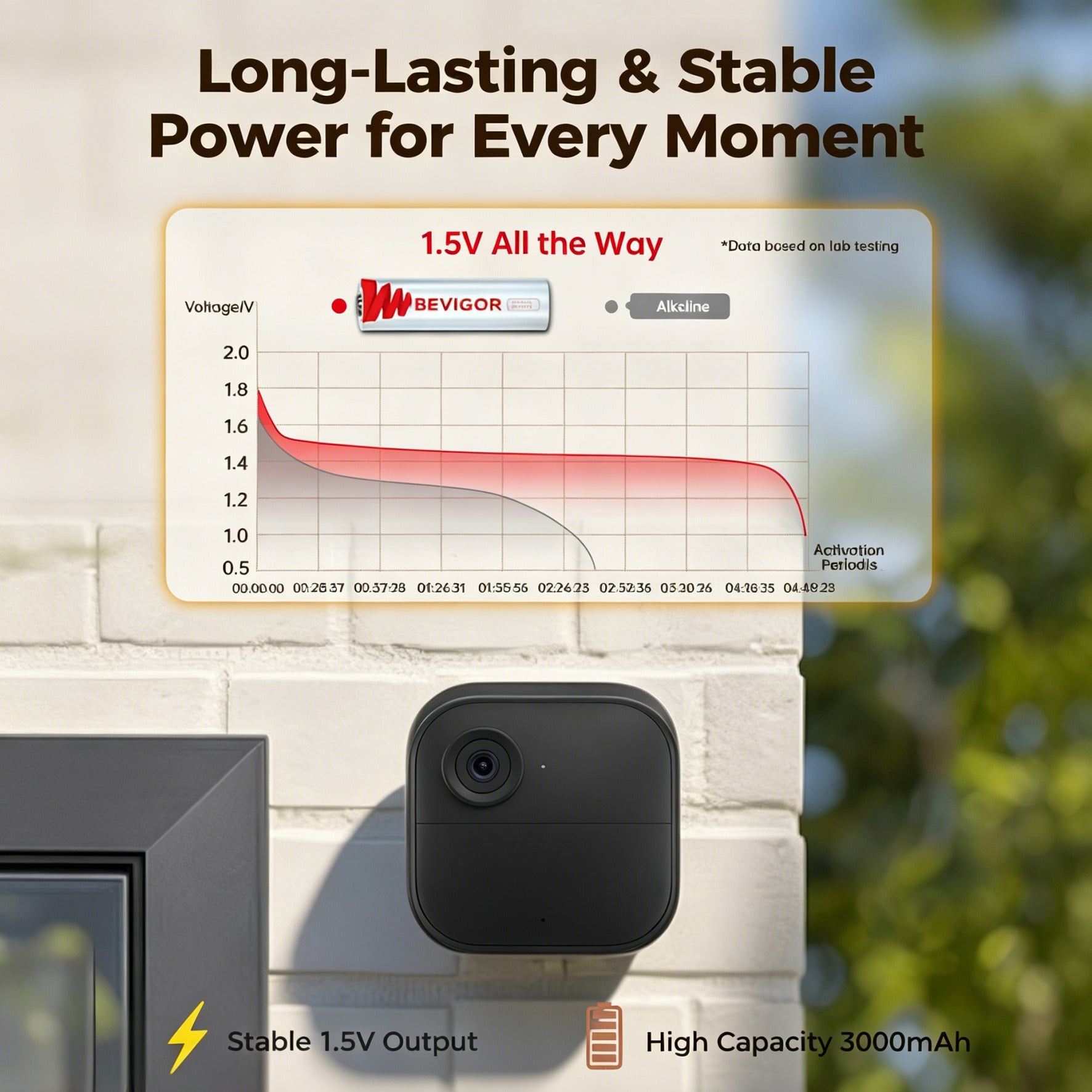
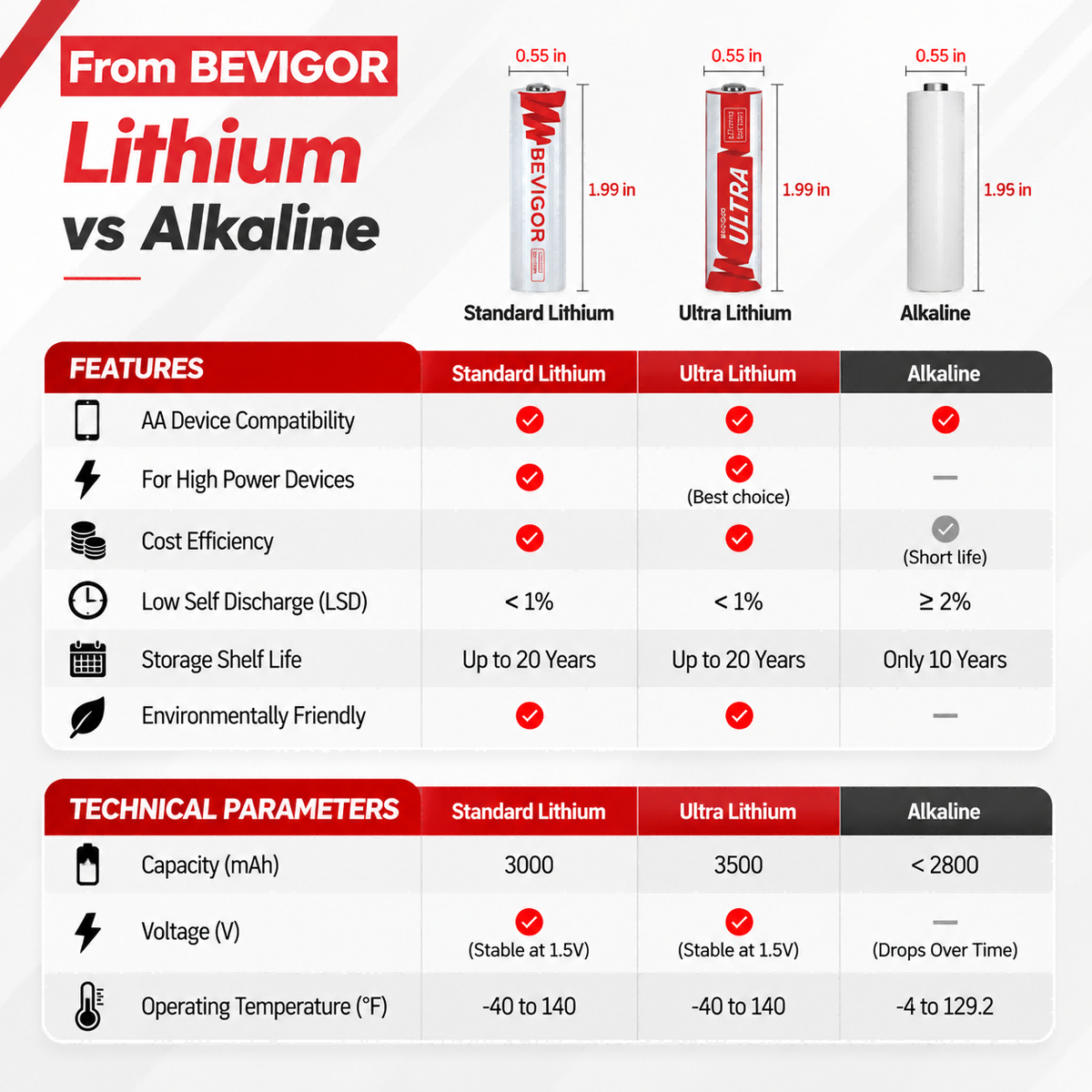
Deliver stable 1.5V output
-
Maintain voltage under heavy load
-
Perform better in cold U.S. winters
-
Last significantly longer in high-drain devices
-
Have shelf life up to 20 years
Many consumers search for options comparable to Energizer Ultimate Lithium AA batteries because lithium chemistry has become the preferred choice for security and outdoor use.
Alkaline AA Batteries
Alkaline batteries:
-
Cost less upfront
-
Work well in low-drain household devices
-
Gradually lose voltage over time
-
Typically last up to 10 years in storage
If you're powering a TV remote, alkaline is perfectly fine.
If you're powering a smart camera in Minnesota winter — lithium is safer.
Which Battery Lasts Longer in Real U.S. Usage?
In high-drain electronics, lithium AA batteries can last several times longer than alkaline.
Common high-drain devices in U.S. homes:
-
Wireless security cameras
-
Smart doorbells
-
Outdoor trail cameras
-
Motion detectors
-
Smart locks
-
Gaming controllers
These devices activate suddenly and draw bursts of energy. Alkaline batteries experience voltage drop under load, which can trigger low-battery warnings even when capacity remains.
Lithium maintains stable voltage until depletion — resulting in:
-
Longer usable runtime
-
Fewer replacements
-
Less device downtime
Are Lithium AA Batteries Better for Blink Cameras?
This is one of the most searched battery questions in the U.S.
Search queries include:
-
Best batteries for Blink camera
-
Blink camera battery replacement
-
Blink doorbell battery
-
Batteries for Blink camera
Blink devices are optimized for lithium chemistry because they require consistent voltage during WiFi transmission and motion activation.
When users install alkaline batteries, they often experience:
-
Early low-battery alerts
-
Reduced winter performance
-
More frequent replacements
A quality 1.5 volt lithium battery provides steady output even during heavy bursts of activity.
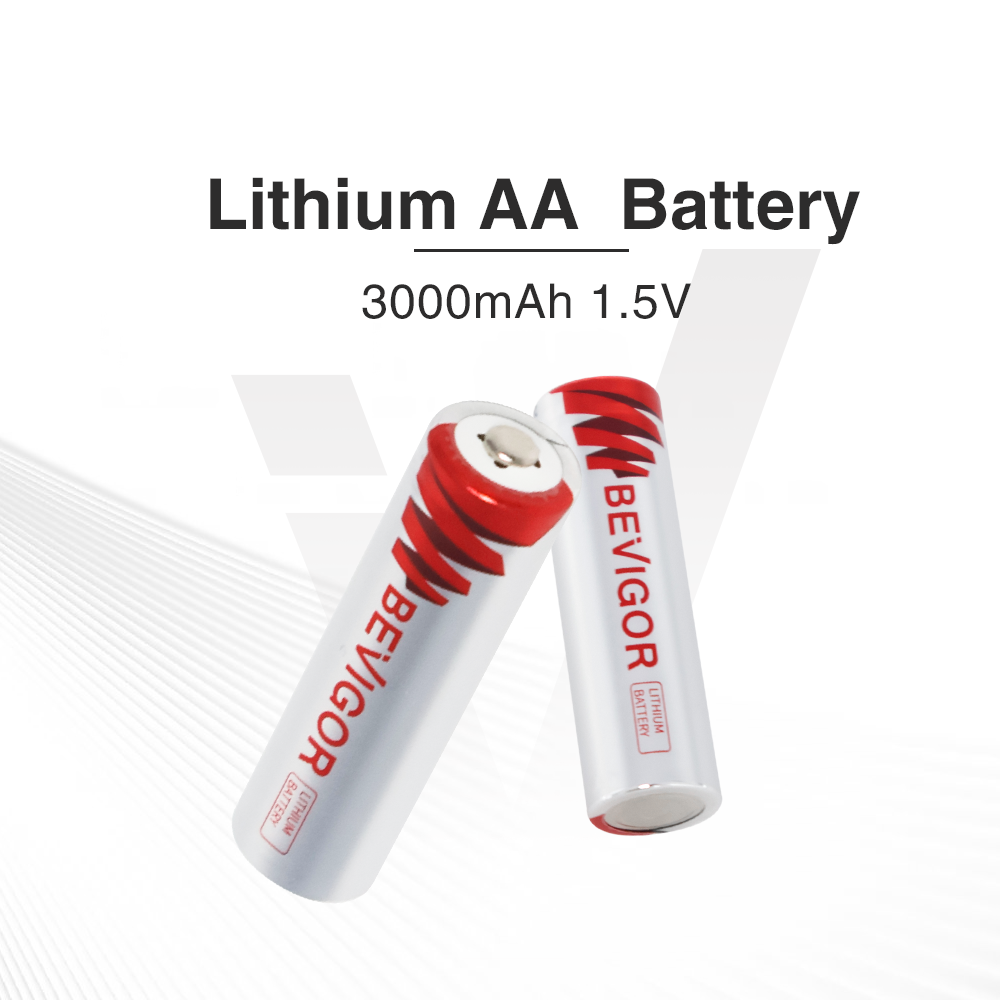
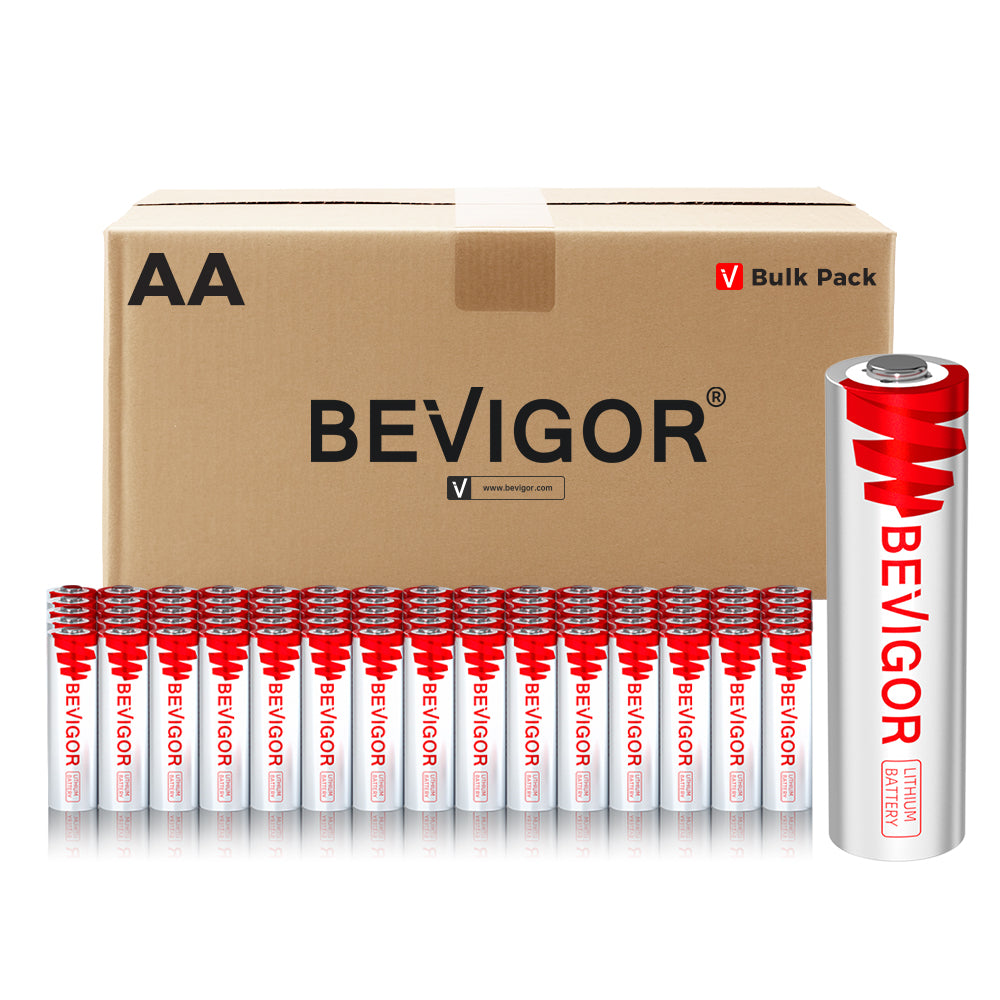
For example, 3000mAh lithium AA options designed for smart devices are available here:
https://bevigor.com/products/bevigor-lithium-aa-batteries-3000mah
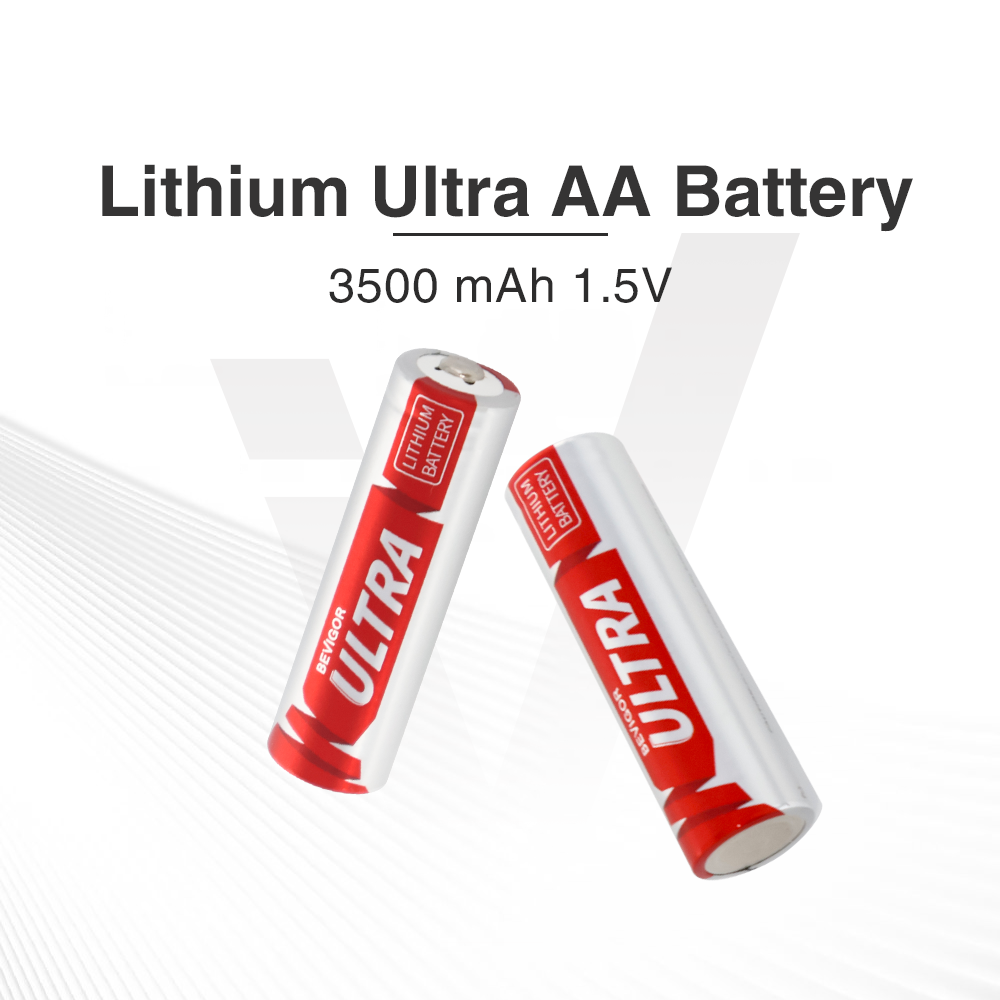
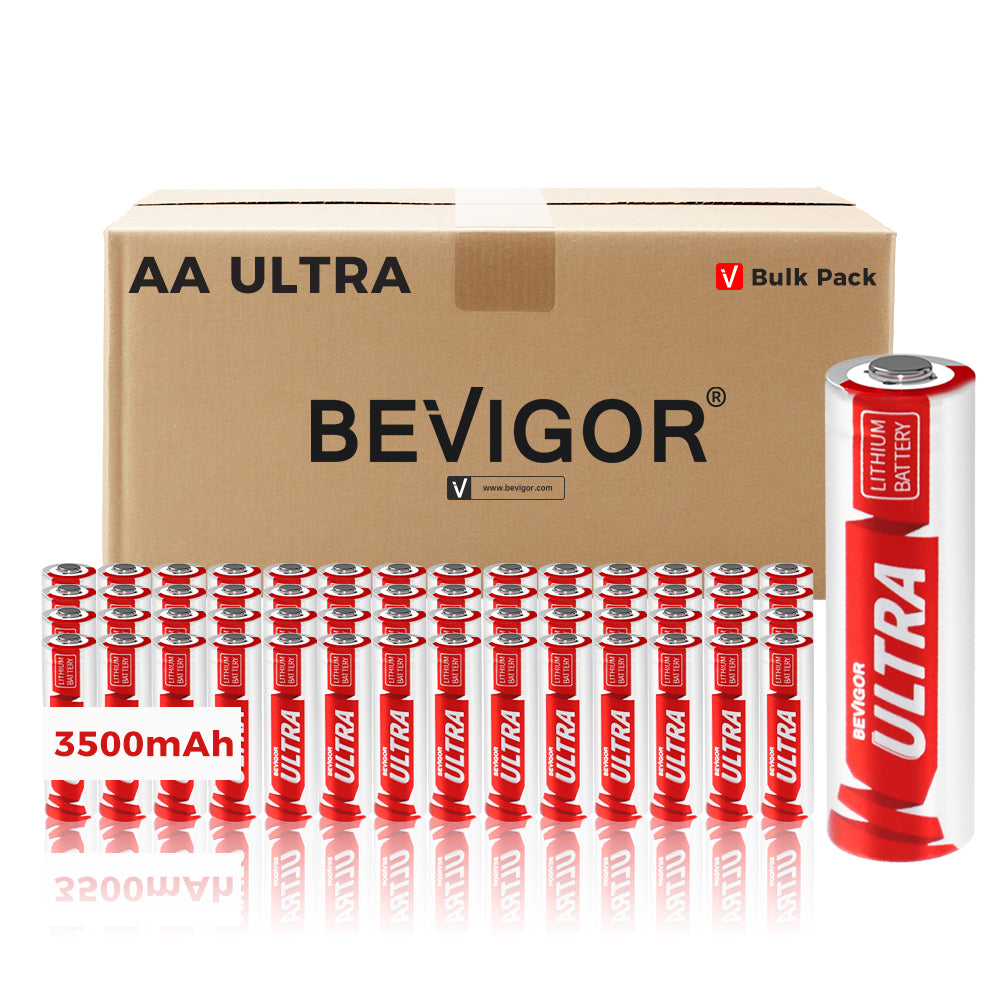
Higher-capacity versions for extended runtime setups:
https://bevigor.com/products/ultra-new-bevigor-lithium-aa
If you're specifically searching for reliable double A batteries for sale for security devices — lithium is generally the better choice.
Are Lithium Batteries Worth the Higher Price?
In U.S. retail stores, alkaline AA batteries are cheaper per pack.
However, value depends on usage.
Example scenario:
If you replace alkaline batteries in a security camera 5–8 times per year, but lithium lasts all year, the annual cost difference shrinks significantly.
Additionally, for:
-
Rental property owners
-
Installers
-
Home security integrators
-
Ranch or farm operators
Maintenance labor matters as much as battery price.
For buyers searching for AA batteries bulk or AA lithium batteries bulk, reducing replacement cycles often offsets upfront cost.
Wholesale inquiries are available here:
https://bevigor.com/pages/bulk-wholesale
When Should You Still Choose Alkaline?
Alkaline is still a smart choice for:
-
TV remotes
-
Wall clocks
-
Low-drain toys
-
Occasional-use flashlights
If you’re browsing double A batteries for sale for everyday household use, alkaline remains practical and affordable.
The key is matching battery chemistry to device demand.
How Do Lithium Batteries Perform in Cold U.S. Winters?
This is a major difference.
Lithium AA batteries perform significantly better in freezing temperatures compared to alkaline.
In states with harsh winters (Midwest, Northeast, Mountain regions), outdoor cameras powered by alkaline batteries may fail faster due to voltage drop in cold conditions.
Lithium chemistry is more temperature stable — making it ideal for:
-
Outdoor security systems
-
Hunting trail cameras
-
Garage-installed smart devices
-
Remote property monitoring
Frequently Asked Questions (Expanded for U.S. Buyers)
1. Do lithium AA batteries last longer than alkaline?
Yes — especially in high-drain devices. In cameras and smart electronics, lithium can last multiple times longer because it maintains voltage under load.
2. Are lithium AA batteries safe to use?
Yes. Non-rechargeable lithium AA batteries are safe when used properly in compatible devices. Always follow device manufacturer recommendations and avoid mixing old and new batteries.
3. Can I replace alkaline with lithium AA in any device?
Most modern devices that use AA batteries can also use lithium AA. However, check your device manual. Some very old electronics may not be optimized for lithium’s slightly higher initial voltage.
4. Why does my Blink camera drain alkaline batteries so fast?
Blink cameras activate frequently for motion detection and WiFi transmission. This creates burst power demand. Alkaline batteries experience voltage sag under load, triggering early low-battery alerts. Lithium maintains more stable output.
5. What is the best battery type for outdoor security cameras?
Non-rechargeable lithium AA batteries are typically the best choice for outdoor cameras due to temperature resistance and voltage stability.
6. Is buying AA batteries in bulk cheaper?
Yes — especially for businesses or property managers. Buying AA batteries bulk or lithium AA batteries bulk reduces per-unit cost and ensures consistent supply.
7. Do lithium batteries leak like alkaline?
Lithium batteries are generally less prone to leakage compared to alkaline, especially in high-drain or temperature-stressed devices.
8. How long do lithium AA batteries last in storage?
Most non-rechargeable lithium AA batteries have shelf lives up to 20 years when stored properly.
9. Are lithium AA batteries better for smart home devices?
Yes. Devices such as smart locks, wireless sensors, and security cameras benefit from stable voltage and longer runtime.
10. Where can I find reliable double A batteries for sale in the U.S.?
You can purchase lithium AA batteries directly online:
https://bevigor.com/products/bevigor-lithium-aa-batteries-3000mah
For larger commercial orders or distribution inquiries:
https://bevigor.com/pages/contact-us
Final Recommendation for U.S. Buyers in 2026
If your device is simple and low-power → Alkaline is sufficient.
If your device is smart, wireless, outdoor, or security-based → Lithium AA batteries are the more reliable long-term option.
In 2026, as American households continue upgrading to smart systems, performance consistency matters more than initial price.
When comparing double A batteries for sale, think beyond cost per pack — think about runtime, stability, and maintenance frequency.
Lithium is no longer a premium niche option.
For high-demand electronics, it is quickly becoming the standard.






Share:
Understanding AA Battery Types: Alkaline vs Lithium vs NiMH vs Ni-Zn
Why Won’t My Battery Charge? Possible Causes and Troubleshooting Guide