

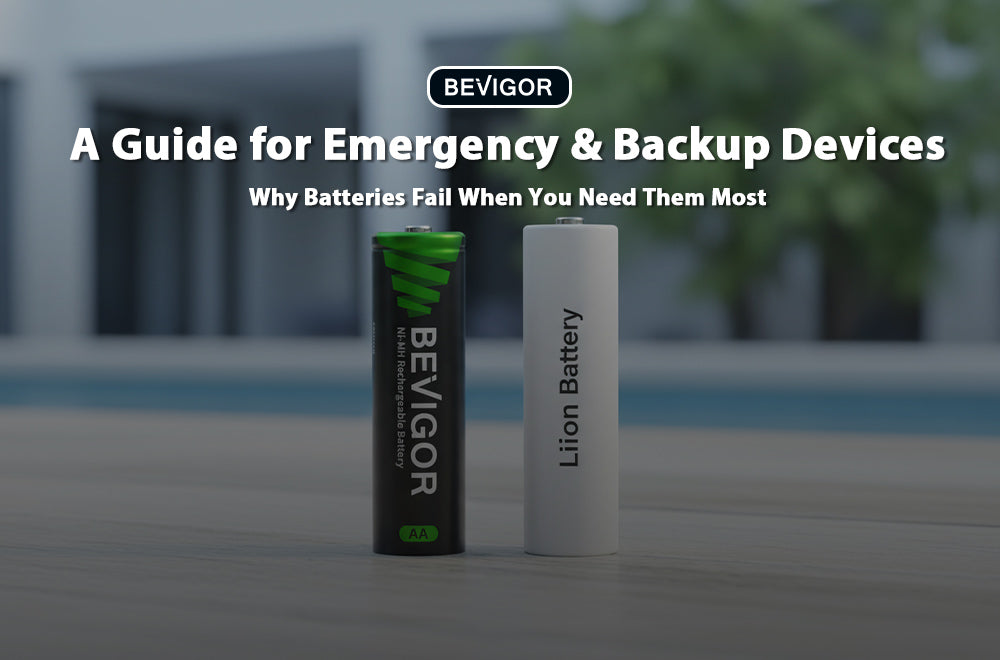
When it comes to selecting the best rechargeable battery for your devices, the decision between Nickel-Metal Hydride (NiMH) and Lithium-Ion (Li-ion) can be overwhelming. Both battery technologies are widely used in consumer electronics, hybrid vehicles, and even industrial applications, but they differ in chemistry, performance, cost, and environmental impact. This guide aims to compare these two popular battery types, explore the advantages and disadvantages of each, and offer practical advice on how to get the most out of NiMH batteries, which have earned a reputation for their eco-friendly characteristics and reliable performance.
Key Differences Between NiMH and Li-ion Batteries
Chemistry
- NiMH Batteries: These batteries use nickel oxide hydroxide (NiOOH) as the cathode and a metal hydride for the anode. This gives NiMH batteries reliable performance across a wide range of temperatures and conditions. NiMH batteries are particularly favored in applications where energy efficiency and long cycle life are critical, such as in remote controls, power tools, and hybrid vehicles.
- Li-ion Batteries: Lithium-ion batteries use lithium cobalt oxide (LiCoO2) or similar materials for their cathode, and graphite for the anode. These batteries are known for their high energy density, meaning they can store more power in a smaller, lighter package. This makes Li-ion batteries ideal for devices like smartphones, laptops, and electric vehicles that need to balance lightweight with long-lasting power.
Environmental Impact
- NiMH Batteries are often regarded as more environmentally friendly than Li-ion batteries. They contain fewer toxic materials, making them safer to recycle and dispose of. Additionally, the recycling process for NiMH batteries is more straightforward and less costly.
- Li-ion Batteries typically require more careful handling during recycling due to the toxic chemicals involved, such as cobalt and lithium. While Li-ion batteries have a longer lifespan, their environmental impact is higher due to the mining of rare materials.
Cost
- NiMH batteries are generally less expensive upfront, which makes them an appealing option for budget-conscious consumers or businesses looking to deploy large volumes of batteries. They are perfect for applications where cost-effectiveness is key.
- Li-ion batteries, while more costly initially, offer better energy density and longer lifespan, which can reduce replacement and maintenance costs over time. This makes them ideal for products where performance and lightweight are prioritized.
Performance and Reliability
- NiMH Batteries: While NiMH batteries tend to have a lower energy density compared to Li-ion, they provide consistent performance across a broader temperature range. They can endure extreme temperatures, making them suitable for harsh environments.
- Li-ion Batteries: These batteries excel in terms of energy efficiency and compactness. However, they are more sensitive to temperature extremes. For instance, high temperatures can cause Li-ion batteries to overheat, posing a risk of combustion. They also require sophisticated battery management systems to monitor charging and prevent potential safety hazards.
Charging and Discharging
- NiMH Batteries are generally slower to charge but are more tolerant of overcharging than Li-ion batteries. This means they are less likely to be damaged if they are left on the charger for too long.
- Li-ion Batteries, on the other hand, charge faster but require careful monitoring to avoid overcharging, which can lead to overheating and reduce the battery’s overall lifespan.
NiMH Battery Advantages
- Eco-Friendly: NiMH batteries are a greener alternative to disposable batteries and contain fewer toxic materials, which makes them safer to recycle. They also require less environmentally damaging mining, making them a sustainable option for powering everyday devices.
- Affordability: NiMH batteries are much more affordable than Li-ion batteries, making them ideal for consumers or businesses that need large quantities of batteries without the high initial cost.
- Long Cycle Life: NiMH batteries can be recharged hundreds of times without significant degradation in performance. Regular recharging ensures long-lasting power for your devices.
- Stable Performance: NiMH batteries offer consistent performance in both high and low-temperature environments, making them an excellent choice for devices used in extreme conditions.
Best Practices for NiMH Battery Usage
To maximize the lifespan and performance of NiMH batteries, consider the following tips:
- Avoid Full Discharge: Unlike some older technologies like NiCd batteries, NiMH batteries do not suffer from the "memory effect." However, it’s still best to avoid fully discharging the battery. Aim to keep your battery charge between 30%-80% for optimal performance.
- Smart Charging: Use a smart charger that can monitor individual cell voltage and prevent overcharging. Smart chargers may also include a maintenance mode that periodically discharges and recharges the battery to keep it in peak condition.
- Proper Storage: When you’re not using NiMH batteries, store them at a partial charge (around 40%-50%) in a cool, dry place. Avoid exposing them to extreme temperatures to prevent degradation.
- Consistent Cycling: Regularly using and recharging your NiMH batteries will help keep them in top condition. This prevents the formation of large crystals that can reduce the battery’s ability to hold a charge.
Safety Considerations for NiMH Battery Usage
To ensure the safety and longevity of your NiMH batteries, follow these best practices:
- Avoid Physical Damage: Be careful not to drop or puncture your NiMH batteries, as this can expose the internal components and lead to leakage or other hazards.
- Store in a Temperature-Controlled Environment: Keep NiMH batteries in a dry, cool place. Extreme heat or cold can damage the battery and reduce its capacity.
- Proper Disposal and Recycling: NiMH batteries are one of the more easily recyclable battery types. Ensure you recycle them responsibly at a facility that can handle the process effectively.
Bevigor NiMH Rechargeable Batteries: Your Eco-Friendly Power Solution
If you’re looking for a reliable and eco-friendly energy solution, Bevigor offers a wide range of NiMH rechargeable batteries. Whether you're powering household electronics, hybrid vehicles, or industrial machinery, Bevigor's NiMH batteries provide exceptional performance, affordability, and sustainability.
- Bevigor Rechargeable AA and AAA NiMH Batteries: Explore Here
- Bevigor NiMH Battery Chargers: Explore Here
- Explore Bundles of Rechargeables & Chargers Here
- Wholesale NiMH Batteries for B2B: Explore Here
For more information or to place an order, feel free to contact us: Bevigor Contact.
Conclusion: NiMH Batteries for a Sustainable Future
In summary, NiMH batteries offer a cost-effective, eco-friendly, and reliable solution for powering a wide variety of devices. Whether you are looking to power consumer electronics or industrial machinery, NiMH technology remains a trusted and sustainable option. By following best practices for charging, storing, and recycling your batteries, you can maximize their lifespan and minimize their environmental impact.
With Bevigor's NiMH rechargeable batteries, you can enjoy the benefits of high-performance energy storage while contributing to a greener, more sustainable future.
Ready to make the switch to NiMH batteries? Visit Bevigor today to find your perfect power solution!






Share:
What Is a NiMH Battery and How Does It Work?
What You Need to Know About Coin Batteries: Types, Uses, Applications