

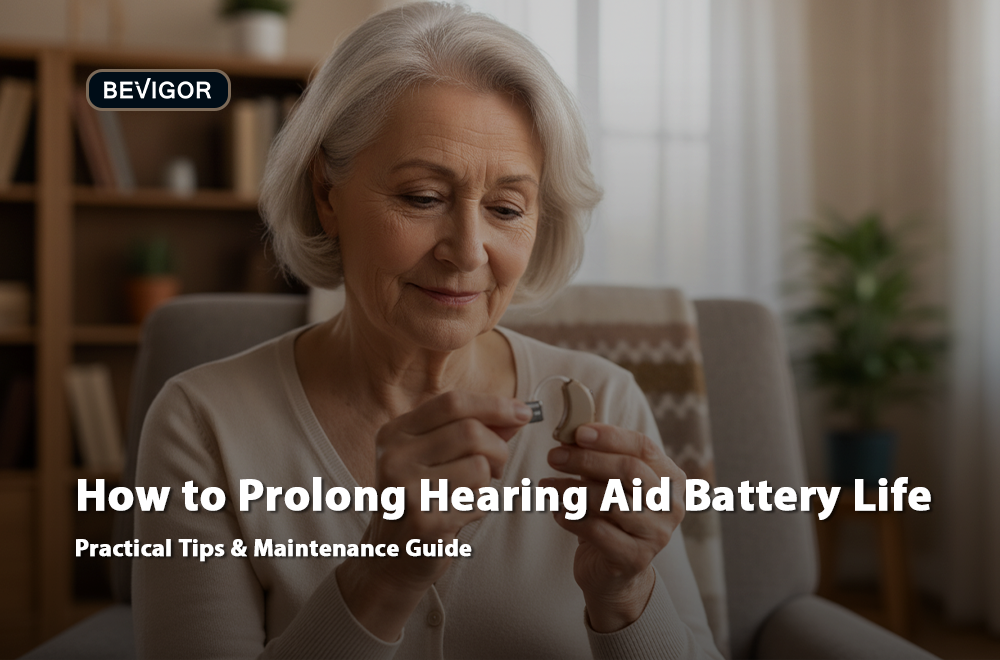
Losing audio assistance in the middle of a conversation or during an important meeting is a frustrating experience for anyone who relies on a hearing device. While modern audiology technology has advanced rapidly, these sophisticated microcomputers still require a steady, reliable power source to function. Understanding how to manage and maintain your power cells directly impacts how often you need to replace them. Small changes in your daily routine can significantly extend the time between replacements.
Many users assume that a cell will last a fixed number of days regardless of how it is handled. In reality, environmental factors, physical handling, and the specific features of your device heavily influence power consumption. By implementing proper maintenance habits, you can prevent premature power drain and ensure your device performs consistently.
The Chemistry Behind Zinc-Air Hearing Aid Batteries
Once you peel that sticker away, tiny perforations in the metal casing are exposed to the air. Oxygen enters the cell, mixes with the internal zinc, and initiates the active electrical charge. Because this reaction is entirely dependent on environmental air, covering the holes back up with the sticker will not completely stop the process once it has started. According to research published by the National Institutes of Health regarding zinc-air battery chemistry, the oxygen reduction reaction continues at the zinc interface even if the device is turned off. Understanding this continuous activation is crucial for managing your expectations regarding shelf life once a tab is removed.
How Moisture and Temperature Affect Hearing Aid Batteries
Environmental conditions play a massive role in how long your power source will last. High humidity is one of the biggest enemies of zinc-air chemistry. When the air is saturated with moisture, condensation can easily form inside the battery compartment of your device. This excess moisture interferes with the internal chemical reaction and can cause the cell to swell or, in extreme cases, leak and damage the sensitive internal electronics of the earpiece.
Conversely, extremely dry environments pose their own challenges. If you live in an arid climate or use indoor heating heavily during the winter, the dry air can draw moisture out of the cell itself. This dries out the internal electrolyte paste, severely reducing the total capacity.
Temperature management is equally important. A common myth suggests storing spare cells in the refrigerator to prolong their shelf life. This is actually counterproductive. Refrigeration introduces sudden temperature shifts when the cell is brought back to room temperature, creating condensation beneath the factory seal. You should always store your primary disposable power solutions in a climate-controlled room, completely away from direct sunlight, bathroom humidity, or extreme cold.
The Five-Minute Rule for Hearing Aid Batteries
One of the most effective techniques for extending the life of your power source requires absolutely no extra equipment, just a little bit of patience. Audiologists refer to this as the "five-minute rule." When you peel the colored sticker off a fresh cell, you should not put it immediately into your device.
Because the zinc inside needs adequate oxygen to fully activate, instantly trapping the cell inside the tight compartment of your earpiece restricts airflow. By letting the cell sit completely exposed on a table for three to five minutes before installation, you allow the oxygen to fully penetrate the casing. This simple waiting period ensures the chemical reaction reaches its maximum potential voltage. Users who practice this waiting period regularly report gaining an extra day or two of performance from their size 312 hearing aid batteries compared to those who install them immediately after unpeeling the tab.
Proper Storage Solutions for Daily Use
Your nightly routine has a direct impact on the longevity of your audio equipment. When you remove your earpieces before bed, do not just leave them sitting on a nightstand with the compartment closed. You should physically open the battery door entirely. This serves two distinct purposes.
First, opening the door completely disconnects the internal circuitry, ensuring absolutely no passive power is drained while you sleep. Second, it allows any moisture or sweat that accumulated during the day to evaporate overnight. For individuals living in particularly humid regions, investing in an electronic drying box or a passive dehumidifier jar is highly recommended. You place the open earpiece inside the jar overnight, and the desiccant pulls moisture away from both the microchips and the internal power source.

Recognizing When to Replace Hearing Aid Batteries
Knowing exactly when to swap out your power source prevents sudden audio failure during important moments. Most modern devices feature a low-power warning system. You will typically hear a short series of beeps or a voice prompt indicating that the voltage has dropped below the optimal threshold. However, you do not always have to wait for the audible warning.
If you begin to notice that sounds are becoming slightly distorted, or if you find yourself constantly adjusting the volume higher than your normal baseline, it is a strong indicator that the cell is struggling to provide adequate amperage to the amplifier. High-drain features like Bluetooth streaming or active noise cancellation require stable voltage. When using specialized size 13 hearing aid batteries for heavy audio streaming, paying attention to these subtle drops in audio quality helps you change the cell before it completely dies.
Frequently Asked Questions
What is the difference between disposable cells and modern built-in systems?
When comparing traditional zinc-air formats with internal lithium-ion setups, users often wonder about new hearing aid chargers and battery life what should i expect day to day. Built-in systems require nightly docking on a charging pad, similar to a smartphone, and typically offer 16 to 24 hours of continuous use per charge. Disposable zinc-air cells, depending on their size, usually offer several days of continuous uninterrupted power before needing a physical swap.
How do different brands compare regarding consistent voltage output?
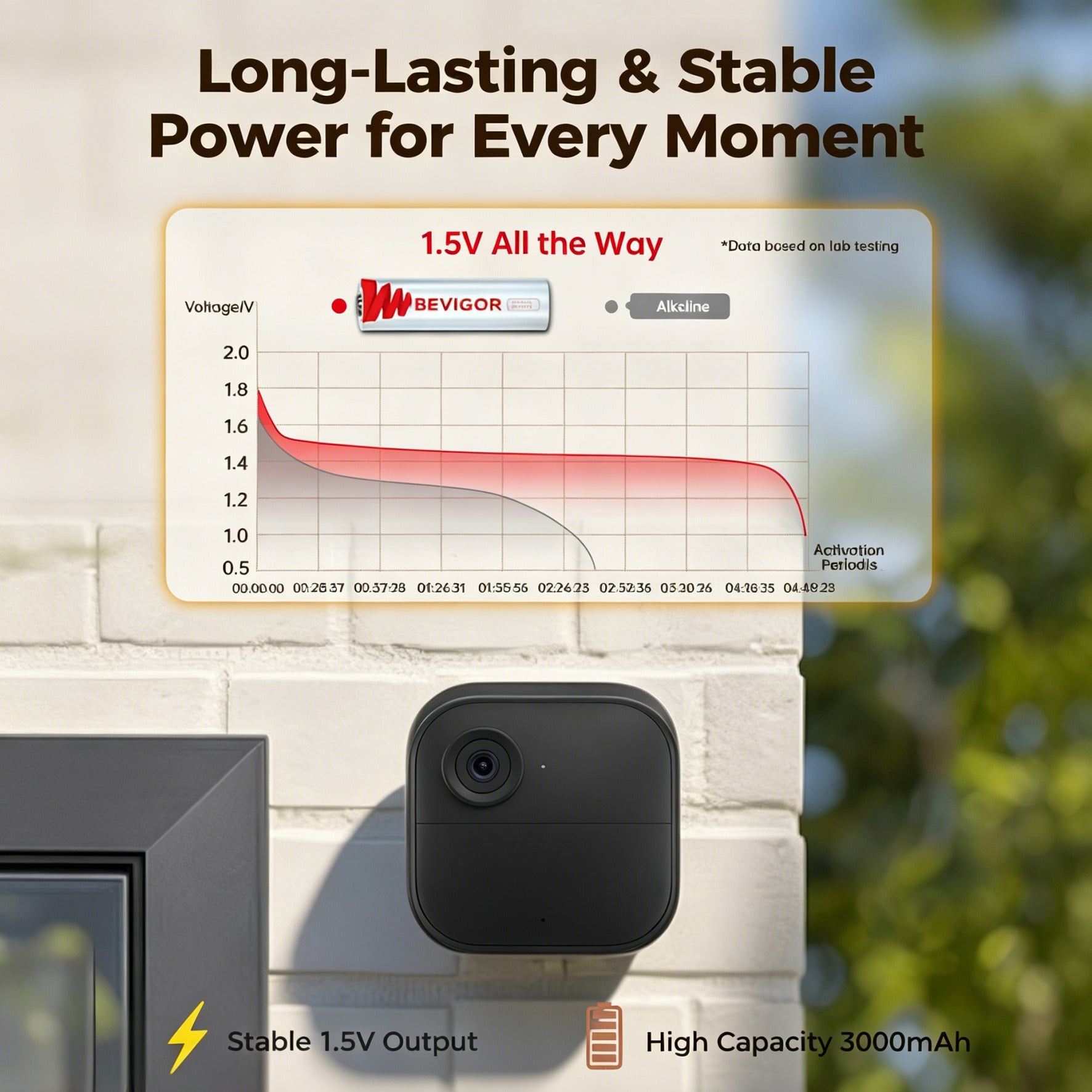
Evaluating power sources involves looking at the discharge curve. Standard drugstore options may experience a sloping voltage drop, causing audio distortion as they drain. Choosing high-quality options like Bevigor hearing aid batteries often provides a flatter discharge profile, meaning the audio processing remains sharp and consistent until the cell is fully depleted.
Does streaming music or taking phone calls impact the overall lifespan?
Yes, utilizing wireless Bluetooth features draws significantly more current than basic audio amplification. The wireless antenna inside the earpiece requires a constant, heavy flow of electricity to maintain a connection with your smartphone. Frequent streaming will visibly reduce the number of days a cell lasts compared to a user who only utilizes the standard microphone amplification.
Why do power levels seem to drop faster during outdoor winter activities?
Cold temperatures increase the internal electrical resistance of any chemical power cell. This means the chemical reaction slows down, temporarily reducing the available voltage. While the cell is not permanently damaged by the cold, the device may trigger a low-power warning prematurely. Returning indoors and allowing the device to warm up naturally will usually restore the normal voltage flow.
Is it safe to leave my spare cells inside a hot vehicle during the summer?
Leaving any power cell in a hot car is highly discouraged. Extreme heat causes the internal electrolyte paste to expand and potentially leak out of the micro-perforations. This exposure severely degrades the cell's capacity and risks damaging any equipment it is later placed into. Always keep your spares in a cool, dry bag when traveling.






Share:
Are AA Lithium Batteries Really That Much Better for Everyday Use?
How Long Do AA Lithium Batteries Last? A Comprehensive Guide