

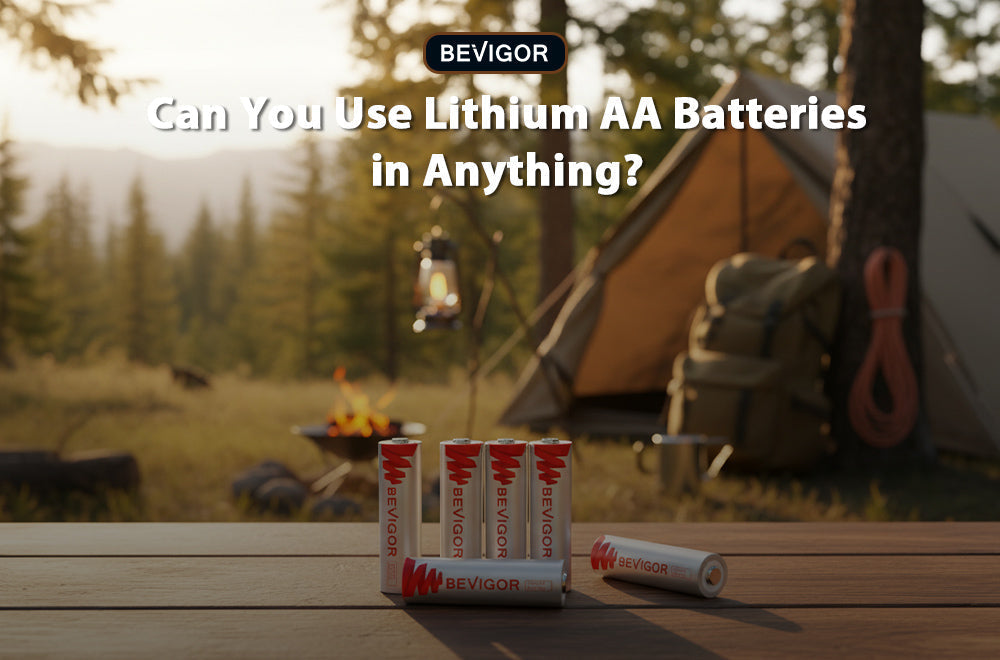
Have you ever reached for your digital camera or smart door lock, only to find the batteries are dead—again? According to consumer electronics data by Bevigor, the average household replaces dozens of dead or leaking batteries every year, often risking damage to expensive devices. This frustrating cycle leads many homeowners to ask a simple, yet crucial question: can you use lithium AA batteries in anything? If you are tired of dealing with corrosive acid leaks and short lifespans, this guide will explain exactly when, where, and how to safely upgrade your power sources.

The Core Difference: Alkaline vs. Lithium AA Batteries
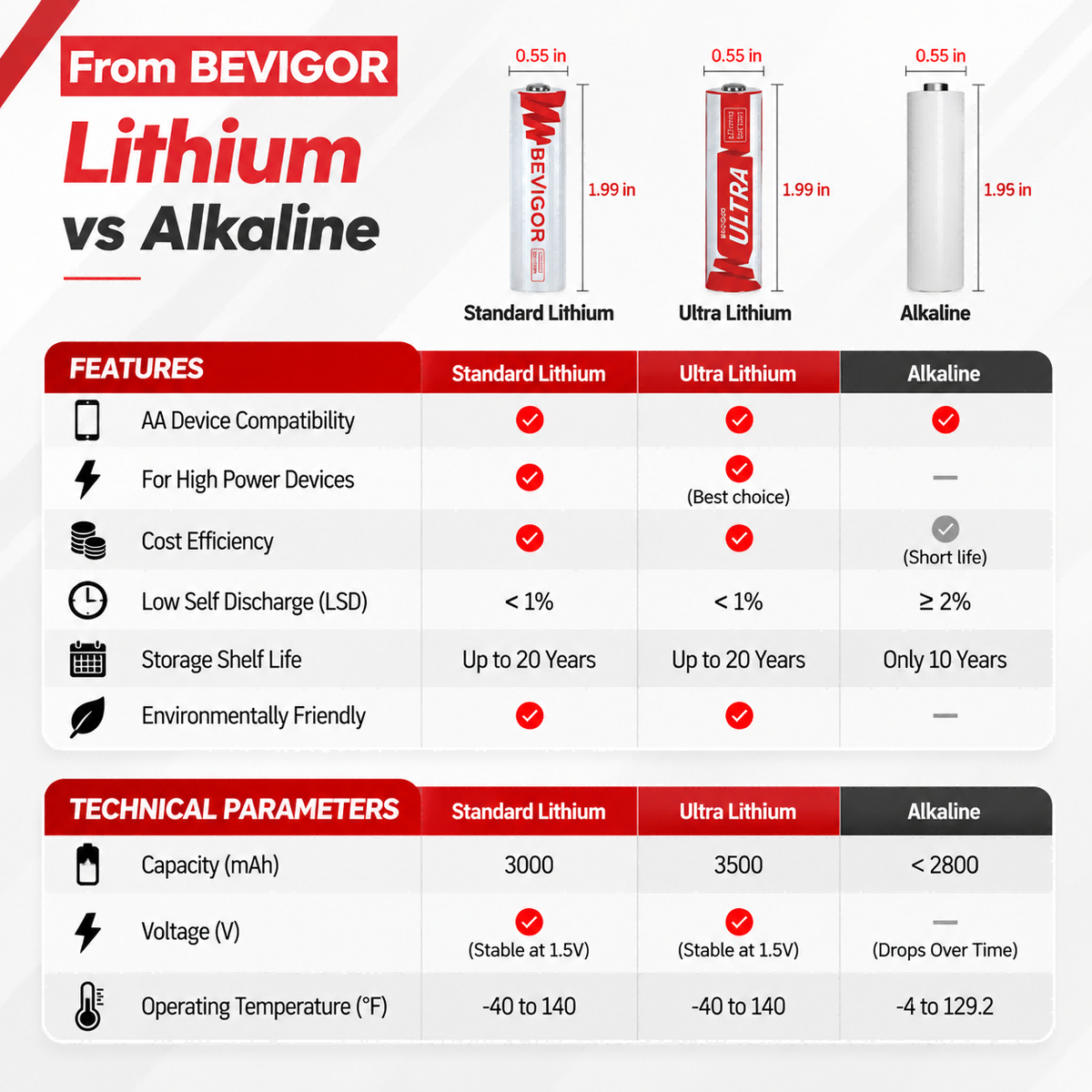
Before replacing all the power sources in your home, it helps to understand the chemistry. Standard alkaline cells generate power through a reaction between zinc and manganese dioxide. While they are cheap, their voltage drops steadily as they drain. Furthermore, alkaline chemistry is notorious for leaking potassium hydroxide when left in a device too long.
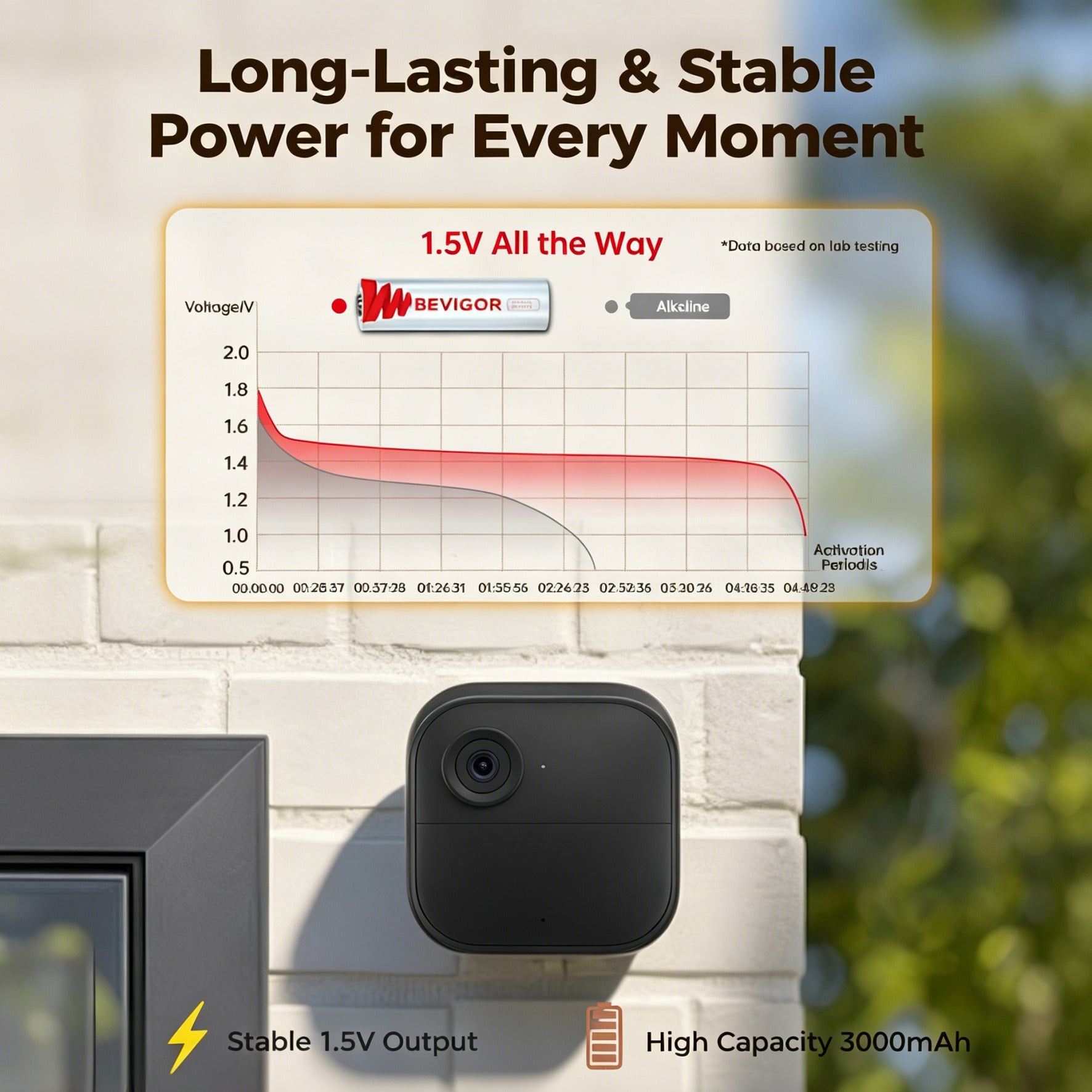
On the other hand, lithium iron disulfide (Li-FeS2) cells are engineered differently. They are significantly lighter, perform exceptionally well in extreme temperatures (-40°F to 140°F), and hold their charge for up to 20 years on a shelf. More importantly, they maintain a consistent 1.5-volt output until they are almost entirely depleted. For a deeper scientific breakdown of primary cell chemistries, Battery University provides excellent resources on primary battery choices to help you understand voltage curves.
Can You Use Lithium AA Batteries in Anything Safely?
The short answer is: mostly yes, but with a few caveats. Because these cells are designed to output a nominal 1.5 volts, they act as direct replacements for standard alkalines in the vast majority of consumer electronics.
If you are wondering, can I use lithium batteries in anything around the house? Generally, yes. Devices with motors, digital screens, or wireless transmitters will function perfectly—and often better. But what about broader applications? Can you use lithium batteries in anything you own? While they are highly versatile, you must pay attention to the specific power draw and the age of the device. Let's break down the ideal use cases and the rare exceptions.
High-Drain Devices Perfect for Lithium AA Batteries
Certain gadgets drain standard power sources in a matter of days. If you find yourself constantly asking what takes aa batteries in your home, you likely have several high-drain devices that would benefit from an upgrade.
Here is a look at things that use double a batteries where a lithium upgrade makes perfect sense:
- Smart Home Gadgets: Smart door locks, wireless security cameras, and temperature sensors. These devices require consistent voltage to maintain Wi-Fi or Bluetooth connections.
- Photography Equipment: Digital cameras and high-powered external flash units. The fast recovery time of lithium chemistry allows for quicker flash recycling.
- Outdoor Gear: GPS units, trail cameras, and headlamps. Because lithium cells resist freezing, they are the only reliable choice for winter hiking.
- Gaming Controllers: High-feedback controllers for modern gaming consoles perform much longer with a steady voltage supply.
When to Avoid Using Lithium AA Batteries
Despite their superiority, they aren't perfect for every single gadget. Some older or highly sensitive devices do not handle the initial voltage spike well. Fresh out of the package, a lithium cell can occasionally register closer to 1.7 or 1.8 volts.
Therefore, if someone asks, can I use lithium aa batteries in anything, the honest answer requires caution regarding older incandescent flashlights. The slight over-voltage can sometimes burn out older, fragile light bulbs. Additionally, some specialized medical devices (like certain older blood pressure monitors) are programmed to read the gradual voltage drop of an alkaline cell to trigger a "low battery" warning. Because lithium maintains maximum power until the very end, these devices might shut off unexpectedly without warning. Always check your medical device's user manual.
Exploring Everyday AA Battery Uses
To fully grasp the value of upgrading your household power, it helps to look at the broader landscape of what uses aa batteries. The AA size, introduced over a century ago, remains the undisputed global standard for portable power.
There are countless common uses for aa batteries in a modern home. From TV remotes and wireless computer mice to children's toys and wall clocks, the list is practically endless. When considering all the battery powered devices requiring aa batteries, the sheer volume can be overwhelming. Standard aa battery uses often dictate buying massive bulk packs of cheap alkalines. However, by identifying the most critical things that use aa batteries in your daily routine, you can strategically swap in longer-lasting power sources and actually save money over time.
Real-World Performance: A Brief Bevigor Lithium AA Batteries Review
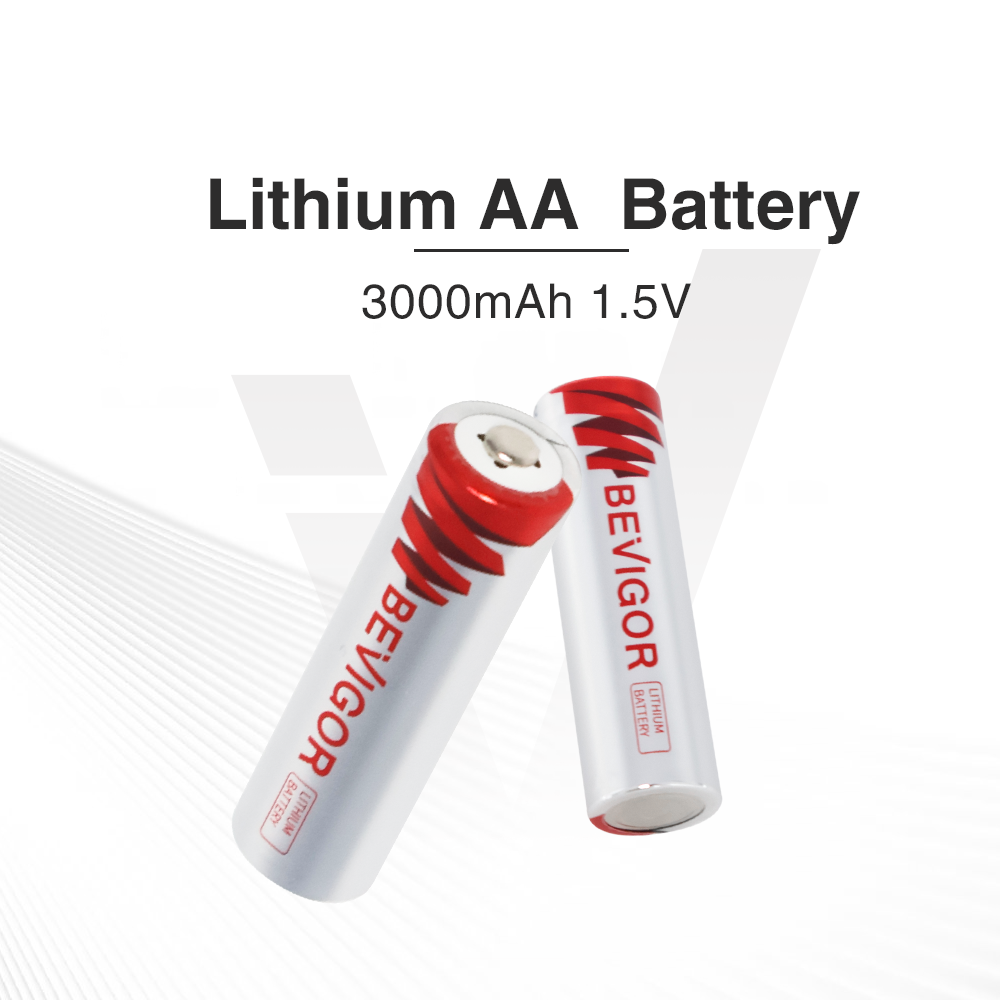
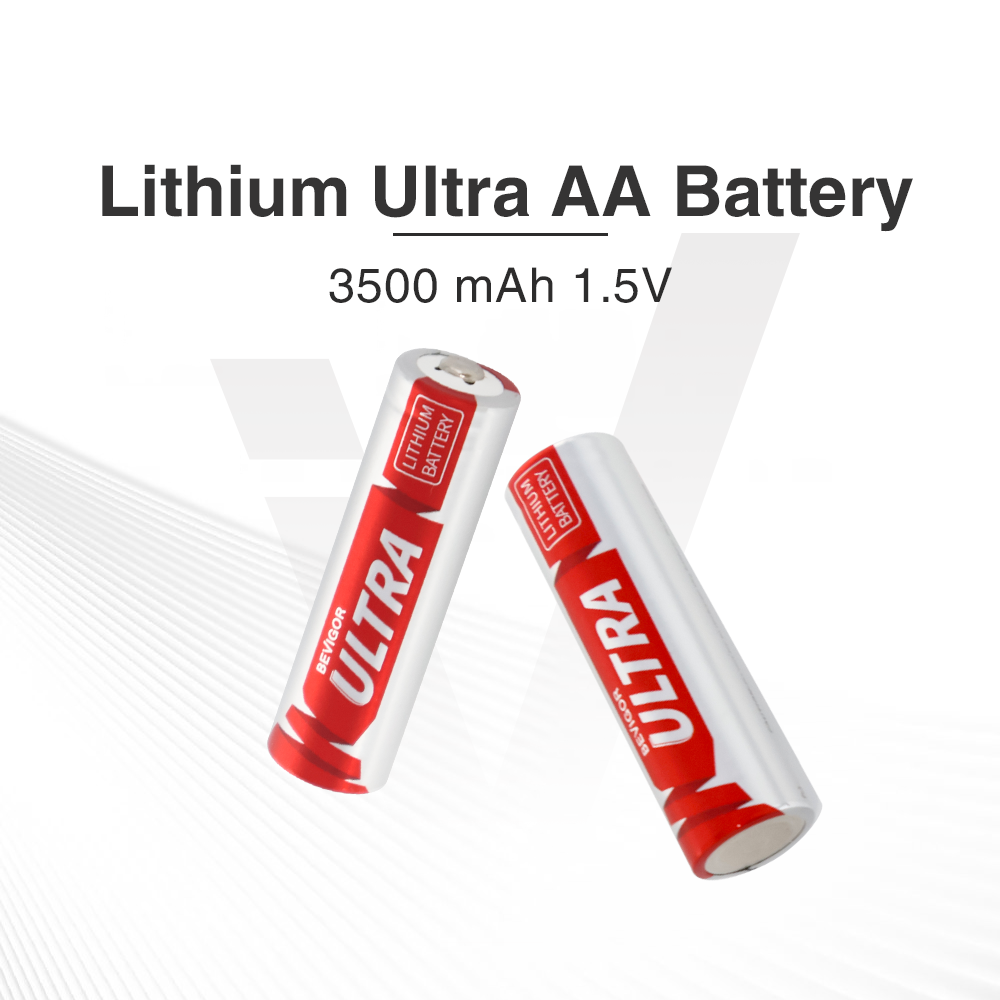
If you are searching for a reliable upgrade, choosing a reputable brand is critical. Many consumers look for a trustworthy Bevigor lithium batteries review before making the switch. From a purely objective standpoint, Bevigor batteries are manufactured with advanced leak-proof technology and boast an impressive 10-year shelf life.
Unlike generic brands that may cut corners on safety vents, Bevigor lithium batteries are engineered to handle high-drain scenarios safely. They maintain a steady 1.5V output, making them a premium choice for smart home setups and heavy-duty photography gear. For homeowners tired of scraping white acid out of remote controls, investing in high-quality cells is a smart preventative measure. You can learn more about finding the right fit for your home on the Bevigor product collections page.
Frequently Asked Questions About Lithium AA Batteries
When navigating the transition from traditional alkaline to modern lithium technology, several common questions arise. Here are the most frequently asked questions regarding everyday use and compatibility.
Can I use AA lithium batteries instead of alkaline?
Yes, in about 95% of consumer electronics, can I use aa lithium batteries instead of alkaline is easily answered with a confident yes. Because they are both designed for a 1.5V standard, you can directly swap them into your smart locks, gaming controllers, and digital cameras to enjoy significantly longer runtimes and zero risk of acid leaks.
Can you use regular AA batteries instead of lithium?
If your device specifically shipped with lithium cells (like certain high-end trail cameras or smart smoke detectors), can you use regular aa batteries instead of lithium in a pinch? Yes, the device will safely turn on. However, you will notice a massive drop in performance. The alkaline cells will drain extremely fast, and in cold weather, they may fail to power the device entirely. It is highly recommended to stick with the manufacturer's suggested chemistry.
Can you use AA lithium batteries in anything around the house?
While they are incredibly versatile, if you are wondering can you use aa lithium batteries in anything, there are minor exceptions. As mentioned earlier, avoid using them in vintage flashlights with old incandescent bulbs, as the initial high voltage might pop the filament. For almost all modern electronics with LED lights or digital screens, they are perfectly safe.
How long do they last compared to alkaline?
In low-drain devices like a basic wall clock, both chemistries will last a long time (though alkaline carries a leak risk). However, in high-drain devices like a digital camera, a lithium cell can last up to 6 to 9 times longer than a standard alkaline. This longevity makes them highly cost-effective for power-hungry gadgets.
Are they safe to store in bulk?
Absolutely. Because they have a shelf life of up to 20 years and are naturally leak-proof, they are ideal for long-term storage. You can safely keep them in your emergency preparedness kits, glove compartments, or basement without worrying about finding a corroded, unusable mess a decade later. If you have further questions about battery storage and safety, feel free to contact the Bevigor team for expert advice.






Share:
How Long Does a Lithium Coin Cell Battery Last? Complete Guide
Are Lithium AA Batteries Rechargeable? Here's What You Need to Know