


Do your children constantly complain about their favorite gadgets dying on Christmas morning? Replacing dead cells in power hungry gifts creates endless frustration and unexpected holiday expenses.
We cover power consumption, safety, and choosing the right Battery-Powered Toys for lasting entertainment.
Evaluating Energy Needs for Battery-Powered Toys
Many parents purchase holiday gifts without considering the underlying electrical requirements. When you select items with heavy motors or bright flashing lights, choosing a robust power source ensures longer continuous playtime. Gadgets that drive across the floor or emit loud sounds pull massive amounts of electrical current from their internal compartments. Using standard chemistry often results in sluggish performance within just a few hours of opening the box.
To understand why some gifts fail so quickly, you must look at the milliampere hour rating of the power supply. A higher capacity rating generally means the device can run longer before shutting down. When children play with remote control cars or interactive robotic pets, the continuous drain is immense. Upgrading from cheap disposable cells to a premium NiMH or Lithium energy source provides the sustained voltage necessary to keep these demanding motors running at optimal speeds.

Understanding Chemistry in Battery-Powered Toys
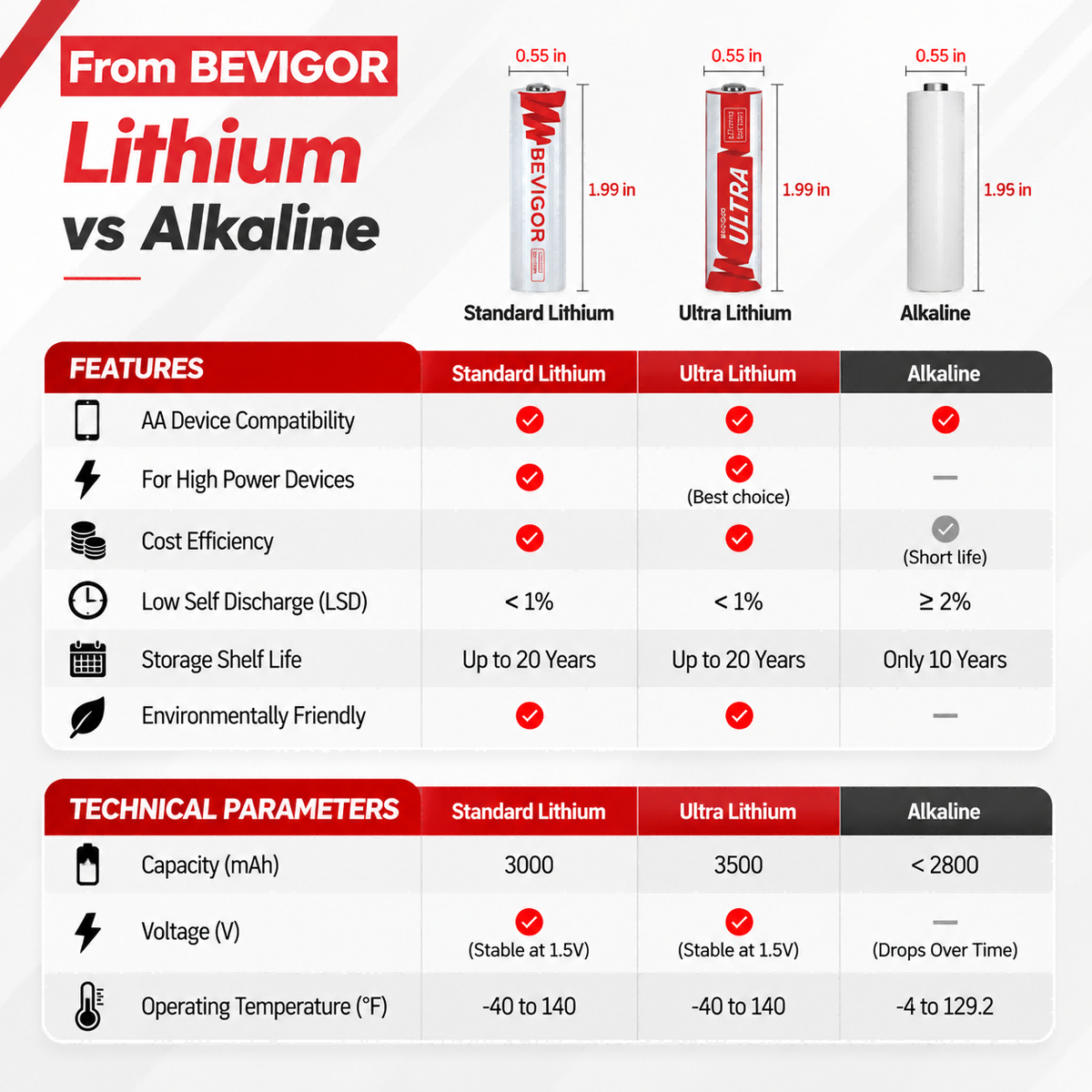
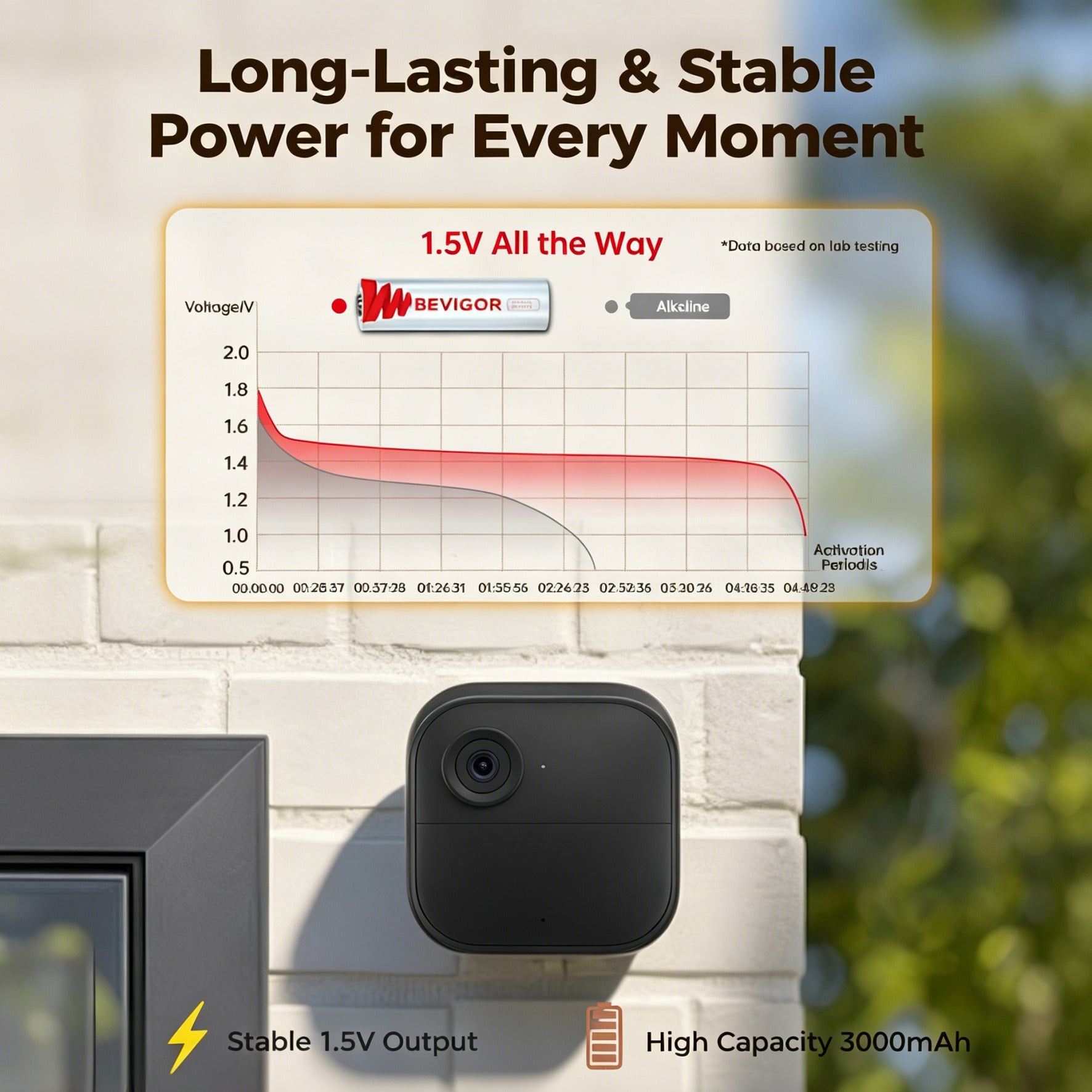
Here is the deal. Disposable alkaline units drop their voltage continuously from the moment you turn the device on. This sloping discharge means that a motorized dinosaur will walk slower and slower as the afternoon progresses. On the other hand, both rechargeable NiMH and Lithium AA Batteries provide a much more stable experience.
According to technical documentation regarding discharge rates from Battery University, a flat electrical profile keeps consumer electronics operating smoothly until the stored energy is almost completely exhausted. For households with multiple children, investing in reusable AA and AAA cells from the Bevigor product catalog provides consistent power delivery while drastically reducing the long term financial burden of buying replacement packs every single week.
Comparing Power Options for Battery-Powered Toys
Selecting the appropriate chemistry depends entirely on the specific entertainment device your child uses. Different internal components require vastly different levels of electrical support to function properly. By matching the battery type to the toy category, you ensure maximum playtime and hardware safety.
|
Entertainment Device |
Current Draw |
Recommended Chemistry |
Key Advantage |
|
Handheld Learning Tablet |
Moderate |
Cost effective for daily educational use |
|
|
Pro-Level Remote Control Car |
Very High |
NiMH Rechargeable |
High current output for fast acceleration |
|
Lightweight Flying Toys |
High |
One-third lighter than alkaline for better flight |
|
|
Walkie Talkies (Outdoor) |
High |
Lithium AA Batteries |
Operates perfectly in freezing winter weather |
|
Simple Sound Books |
Low |
Standard Alkaline |
Low cost for devices that rarely use power |
While basic items that only play a short lullaby work perfectly fine with standard alkaline cells, any gift requiring continuous mechanical movement or high speed flight benefits massively from premium NiMH or Lithium chemistry. This matching process prevents you from wasting expensive power on low drain items while ensuring high drain items get the robust support they require.
Safety Standards for Battery-Powered Toys
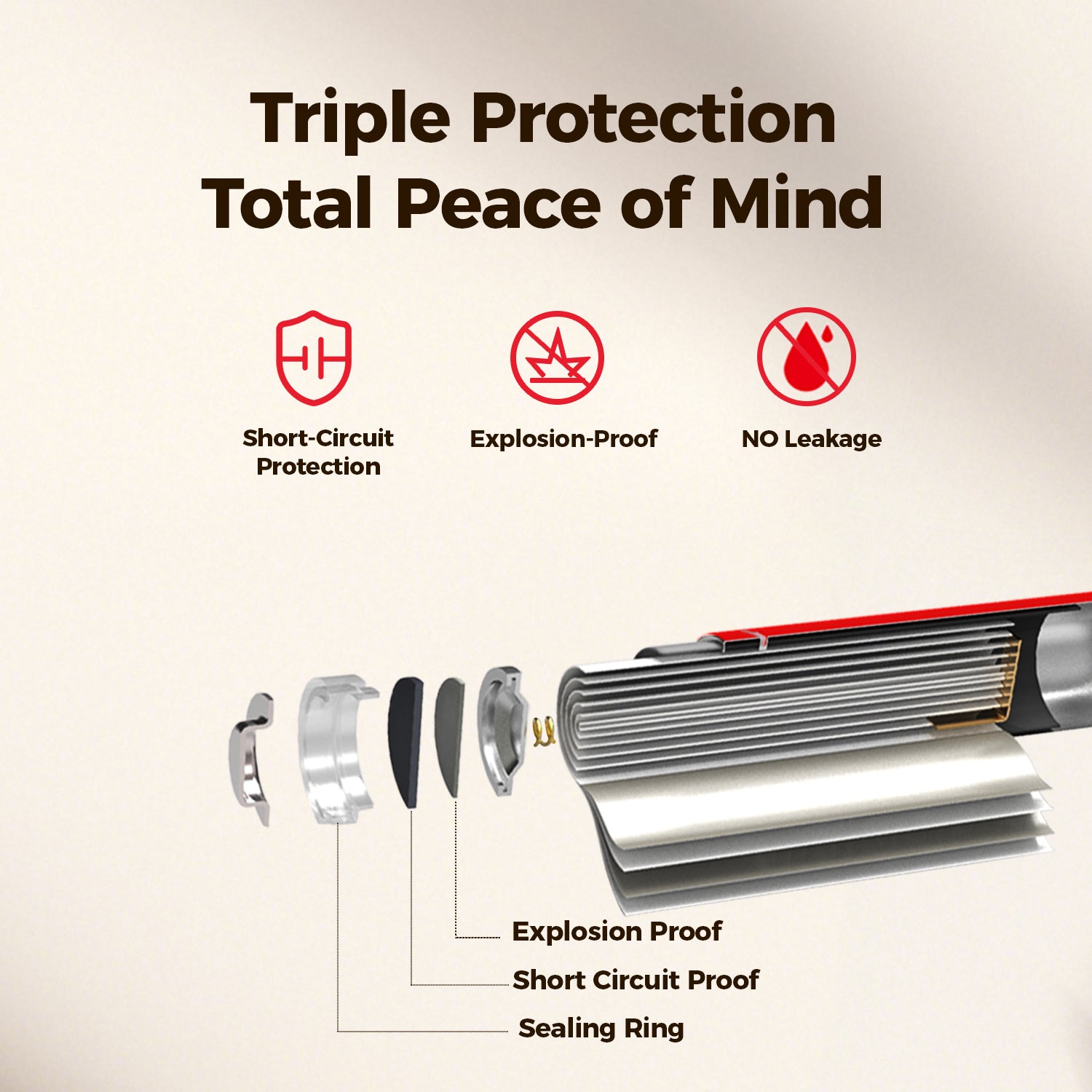
Protecting your children from chemical exposure is far more important than maximizing device runtime. Quality entertainment products feature secured power compartments that require a screwdriver to open. This physical barrier prevents curious toddlers from accidentally accessing and swallowing the internal components, which poses a severe medical emergency.
According to safety guidelines published by the Consumer Product Safety Commission, parents must regularly inspect the physical housing of any electronic item handled by children. If you notice any cracks in the plastic or white chalky residue around the metal contacts, you must immediately remove the item from the play area. Utilizing modern NiMH or Lithium solutions heavily reduces the risk of corrosive acid leaks compared to leaving cheap alkaline units sitting inside forgotten gadgets for months.
Long-Term Performance of Battery-Powered Toys
Reliability over several months is just as important as the performance on day one. When you store your electronics for the off season, the chemistry inside remains active. Lithium AA Batteries are particularly famous for their twenty year shelf life, making them the best option for toys that might stay in a closet until the next family visit.
However, for toys that children use every single afternoon, NiMH remains the champion of sustainability. Because these cells can be refreshed hundreds of times, they eliminate the need to dispose of thousands of single use metal casings. This choice aligns with modern environmental standards discussed by researchers at MIT regarding the reduction of heavy metal waste in residential areas.
Frequently Asked Questions About Battery-Powered Toys
Why do some gadgets require both AA and AAA sizes simultaneously?
Complex items often separate their internal circuitry. The main driving motor might utilize larger AA cells for heavy lifting, while the secondary remote control only requires smaller AAA cells to transmit a basic wireless signal.
Are lithium cells safe for infant entertainment gear?
Yes, as long as the battery compartment is properly secured. Lithium cells are excellent for high drain baby monitors or motorized swings because they offer a very long runtime without frequent changes.
How do I prevent corrosion inside the compartment?
The most effective preventative measure is removing the power source completely when the item goes unused for more than a few weeks. Storing the cells separately prevents slow parasitic drains and completely eliminates the chance of chemical leakage destroying the metal contacts.
What causes the device to feel hot during use?
Heavy electrical draw generates natural thermal energy. However, if the plastic exterior becomes uncomfortably hot to the touch, you should immediately turn it off. This usually indicates a short circuit or a mismatched power chemistry attempting to push too much current too quickly.
Do mixed brands affect the overall speed?
Absolutely. You should never mix different brand names or different chemical types within the same exact circuit. The weaker unit will drain rapidly and potentially rupture while trying to keep up with the stronger unit.
Important Usage Notes for Battery-Powered Toys
To ensure absolute safety and maximum enjoyment during the holiday season, please review these operational guidelines before installing power into your new gifts.
- Specification Origins: All stated milliampere hour capacities and cycle life expectations are based on official laboratory testing by Bevigor. The actual runtime of your specific gift will fluctuate based entirely on how often the child activates the mechanical features.
- Usage Variables: Continuous loud volume and bright LED flashing will deplete chemical power significantly faster than quiet intermittent play. Ambient room temperature also mildly affects overall chemical efficiency.
- Strict Usage Taboos: Never mix a freshly charged NiMH unit with a completely dead one. You must also strictly avoid combining rechargeable chemistry with standard alkaline variants inside the same physical compartment.
- Disposal Instructions: When your power units finally stop accepting a charge after hundreds of play sessions, do not throw them into your kitchen garbage. Please utilize official environmental resources like the EPA recycling guide to find a proper local processing facility.
- Compatibility Validation: Always read the instruction manual included with your holiday gifts to confirm they accept 1.2 volt rechargeable or 1.5 volt lithium systems before installation. For additional compatibility guidance and ongoing maintenance advice, visit the Bevigor support page.





Share:
What Makes a CR2032 Coin Cell Battery Essential for Small Devices?
Lithium Iron AAA vs. Alkaline AAA Batteries: Which One Actually Wins for Your Devices?