

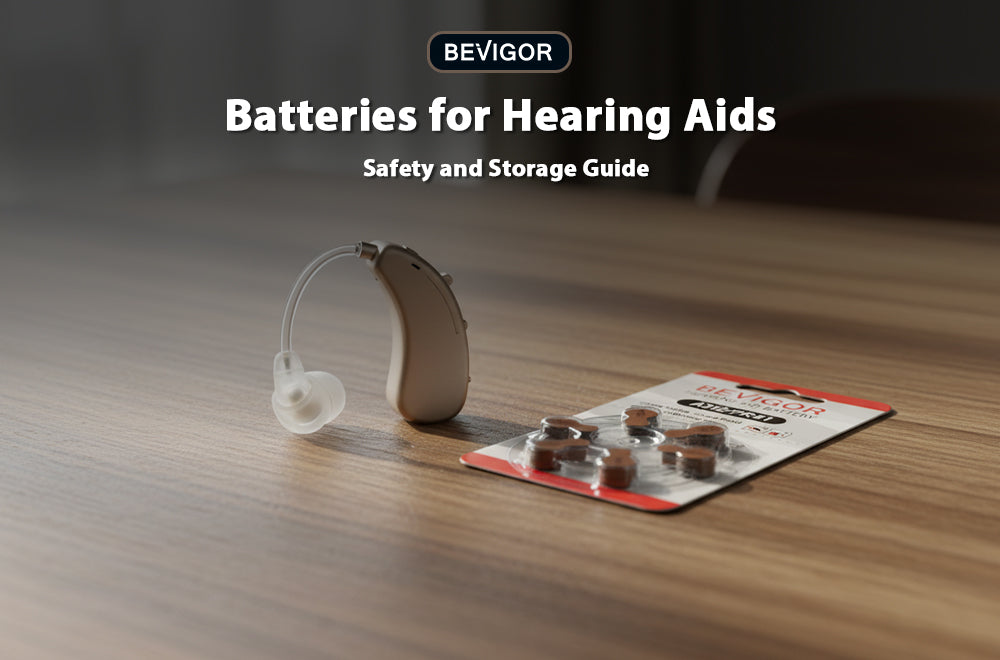
Hearing aid batteries are small enough to be dangerous—especially around toddlers, pets, or anyone who might accidentally swallow them. Because they are handled frequently by caregivers and older adults, understanding the risks and establishing strict routines is vital for household safety.
Why Are Batteries for Hearing Aids Dangerous to Families?
Batteries for hearing aids are dangerous to families because their small, button-like size makes them incredibly easy for toddlers, vulnerable adults, or pets to accidentally ingest or insert into their noses and ears. The National Capital Poison Center reports 71 fatal button battery ingestion cases from 1977 to 2022, a number that is warning enough for us to keep spare batteries out of reach, secure battery compartments, and wrap used batteries before discarding them in its prevention guide, "Safety tips for button batteries".

What Makes Batteries for Hearing Aids A Hazard Inside The Body?
They become a severe hazard inside the body because they can lodge in the esophagus and create an active electrical circuit against the surrounding moist tissue. Unlike a swallowed coin, which is a simple mechanical blockage, a button battery carries an active charge. Saliva acts as a conductive fluid, completing the circuit between the positive and negative terminals of the cell. This localized electrical current is what transforms a simple choking hazard into a life-threatening medical emergency.
How Do Swallowed Batteries for Hearing Aids Cause Internal Burns?
Swallowed batteries for hearing aids cause internal burns when the localized electrical current triggers a chemical reaction that produces highly caustic sodium hydroxide in the throat. This alkaline substance is the exact same chemical found in oven cleaners. It begins to eat through the delicate esophageal tissue immediately, essentially burning a hole through the throat in as little as two hours, which can cause permanent damage or fatal internal bleeding.
What Are The Emergency Steps for Button Battery Ingestion?
The immediate emergency steps for button battery ingestion are to treat the situation as life-threatening, seek immediate professional triage guidance, and go directly to the emergency room. If you suspect someone swallowed a battery, treat it as an emergency. The National Capital Poison Center provides step-by-step triage guidance in its "Button Battery Ingestion Triage and Treatment Guideline".
⚠️ Warning: If a child, pet, or vulnerable adult may have swallowed a button battery, treat it as an emergency. Call Poison Control at 1-800-222-1222 or the National Battery Ingestion Hotline at 1-800-498-8666 and go to the ER right away.
How Should You Store Batteries for Hearing Aids at Home?
You should store batteries for hearing aids at home by keeping them strictly in elevated, locked locations completely out of sight to ensure maximum safety. Implementing safe storage at home requires a deliberate strategy rather than relying on convenience. A caregiver-friendly checklist ensures that you mitigate daily risks effectively.
Bevigor's innovative dial packaging of hearing aid batteries keeps each cell safely in place separately. It also allow user to take the battery easily without any hassle.
Where Are The Safest Locations for Batteries for Hearing Aids?
The safest locations for batteries for hearing aids are high, secure cabinets or dedicated medical lockboxes that require adult height or a physical key to access. Store spare batteries up high (or locked), not in purses, bowls, or countertop containers. Keeping them physically separated from daily household traffic significantly reduces the chance that a wandering toddler or a curious pet will encounter a dropped or loose cell.
Kevin, our battery expert and caregiver to a hearing aid user, shares his trick: always keep spare hearing aid batteries in an isolating box to keep them from air, human touch, and falling.
Why Should You Avoid Countertops for Batteries for Hearing Aids?
You should avoid countertops for batteries for hearing aids because they leave the small, shiny cells easily accessible and visually identical to stray pills or small candies. For older adults experiencing cognitive decline or dementia, a shiny button battery resting next to a medication organizer can easily be mistaken for a daily pill. Eliminating this visual confusion by keeping countertops clear is a vital preventative measure.
How Can You Secure Device Doors Against Accidental Opening?
You can secure device doors against accidental opening by verifying the latch clicks firmly shut and asking your clinic about specialized locking mechanisms if the hinge feels loose. Always check that the battery door closes firmly after every change. If a battery door feels loose, ask the clinic about repair or a safer locking door. Many modern pediatric hearing aids feature tamper-proof doors that require a small tool to open, which provides tremendous peace of mind for caregivers.
How Do You Pack Batteries for Hearing Aids for Travel?
You pack batteries for hearing aids for travel by assembling a small, labeled caregiver travel kit that keeps spare cells securely organized and protected from the elements. A travel kit prevents a lot of "we can't hear" emergencies, ensuring that you are never caught off guard during an important family outing, a long flight, or a busy medical appointment.
What Essentials Belong in A Caregiver Travel Kit?
The essentials that belong in a caregiver travel kit include two to four spare batteries, a protective hard case, a size reminder note, and a specialized cleaning tool. Specifically, your kit should contain:
- 2–4 spare batteries (in original packaging)
- a small labeled case so batteries don't float loose in a bag
- a reminder note with the battery size (312 brown or 13 orange)
- (optional) a small cleaning brush, if the hearing aid came with one
Why Must You Keep Batteries for Hearing Aids in Original Packaging?
You must keep batteries for hearing aids in their original packaging to protect the critical air-blocking color tabs from peeling off and to prevent the metal cells from touching each other. If zinc-air batteries rub against each other, or against metal objects like keys or coins in a bag, they can quickly short-circuit. The factory dial pack isolates each cell, ensuring they remain dormant and fully charged until you deliberately pull the activation tab.
How Does A Travel Case Protect Batteries for Hearing Aids?
A travel case protects batteries for hearing aids by providing a rigid outer shell that stops them from being crushed under heavy luggage or subjected to extreme temperature fluctuations. A dedicated, brightly colored case also makes the batteries much easier to locate in a deep purse or a packed suitcase, completely eliminating the frantic search for a tiny power source when a device suddenly shuts down in public.
How Do You Safely Discard Used Batteries for Hearing Aids?
You safely discard used batteries for hearing aids by sealing them tightly in heavy tape before placing them in a secure trash receptacle that is inaccessible to the household. Safe disposal is the final, non-negotiable step in responsible caregiver battery management.
Why Must You Wrap Old Batteries for Hearing Aids Before Disposal?
You must wrap old batteries for hearing aids before disposal to prevent any residual electrical charge from sparking and to obscure their shiny, attractive appearance. Wrap used batteries before discarding so they can't be found and swallowed. Clear packing tape or electrical tape neutralizes the external contacts and makes the tiny object far less appealing or recognizable to pets or children who might dig through a wastebasket.
What Are The Safest Trash Receptacles for Used Cells?
The safest trash receptacles for used cells are outdoor bins with heavy locking lids or designated community battery recycling drop-offs that are completely outside the living environment. Dropping a spent cell into a small, open bathroom wastebasket is a major risk, as toddlers and dogs frequently explore these low-to-the-ground containers. Removing the hazard from the immediate living space is the only foolproof method.
How Can You Prevent Pets from Finding Batteries for Hearing Aids?
You can prevent pets from finding batteries for hearing aids by strictly changing the cells over a table and immediately throwing the old ones into a secure outside bin. Cats are known to swat at small, shiny objects that fall on the floor, and dogs will often ingest anything that smells like their owner. Maintaining strict discipline regarding where changes happen and where trash goes eliminates these animal-related accidents.
How Do Rechargeable Devices Compare to Batteries for Hearing Aids?
Rechargeable devices compare to batteries for hearing aids by utilizing internal lithium-ion power that must be charged nightly, rather than relying on disposable zinc-air cells replaced every few days. Rechargeable vs Disposable: Do You Need to Think About This Now? Many modern hearing aids are rechargeable. If you're reading this and thinking, "Wait, do we even use disposable batteries?"—here's the difference:
- Disposable zinc-air batteries: You replace the battery every few days to a week (depending on size and usage).
- Rechargeable hearing aids: You charge them like a phone, usually overnight.
Rechargeable models can be convenient, but they're not automatically "better" for every person.
What Makes Batteries for Hearing Aids Better for Certain Caregivers?
Batteries for hearing aids are better for certain caregivers because they offer a consistent, predictable backup option that doesn't rely on the user remembering to plug a device into a wall charger every single night. For older adults (and caregivers), the best system is the one that's easiest to keep consistent. If charging nightly is easy and reliable, rechargeable can be simple. If nightly charging is often forgotten—or if someone needs easy backups for travel—disposable batteries can be less risky. If you're unsure which you have, look for a battery door. If there's no removable door and the device sits in a charger, it's probably rechargeable.
Equipping yourself with reliable power management strategies is the foundation of excellent daily care, but the quality of the power source matters just as much. To ensure your loved ones experience uninterrupted sound and uncompromising safety, discover the specialized, high-performance power solutions crafted by Bevigor today.






Share:
How to Make Batteries for Hearing Aids Last Longer
Coin Cell Lithium Battery Safety: What Every Household Should Know